
Satellite images capture the stunning first eruption of Ethiopia’s Hayli Gubbi volcano in 12,000 years.

A volcano in Ethiopia that had been silent for 12,000 years has erupted, sending ash, lava, and plumes of gas into the sky in a dramatic return to activity. Known as Hayli Gubbi, the long-dormant volcano produced an explosive eruption powerful enough to be photographed from space, surprising scientists who had no record of it erupting in human history. The event highlights how quiet volcanic systems can suddenly awaken after millennia, offering researchers a rare chance to study a truly ancient eruption cycle in real time.
1. Hayli Gubbi Erupted for the First Time in 12,000 Years
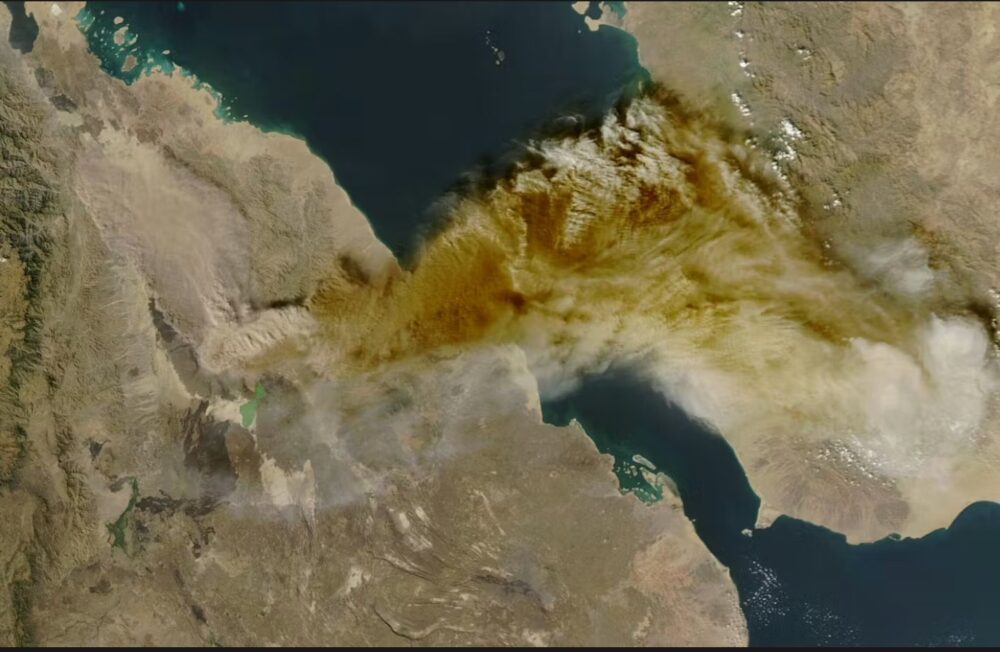
Satellite data confirmed that Hayli Gubbi, a volcano with no known modern eruptions, suddenly burst to life after 12 millennia of silence. This rarity caught scientists off guard, as few volcanoes on Earth remain dormant for such long intervals. The eruption’s intensity suggests deep pressure buildup that may have been accumulating underground for thousands of years.
Because the region lacks long-term volcanic monitoring equipment, the eruption serves as a reminder that geologic hazards can remain hidden for generations. It also offers researchers a valuable look at a volcanic system essentially starting from scratch.
2. Spacecraft Captured the Eruption From Orbit
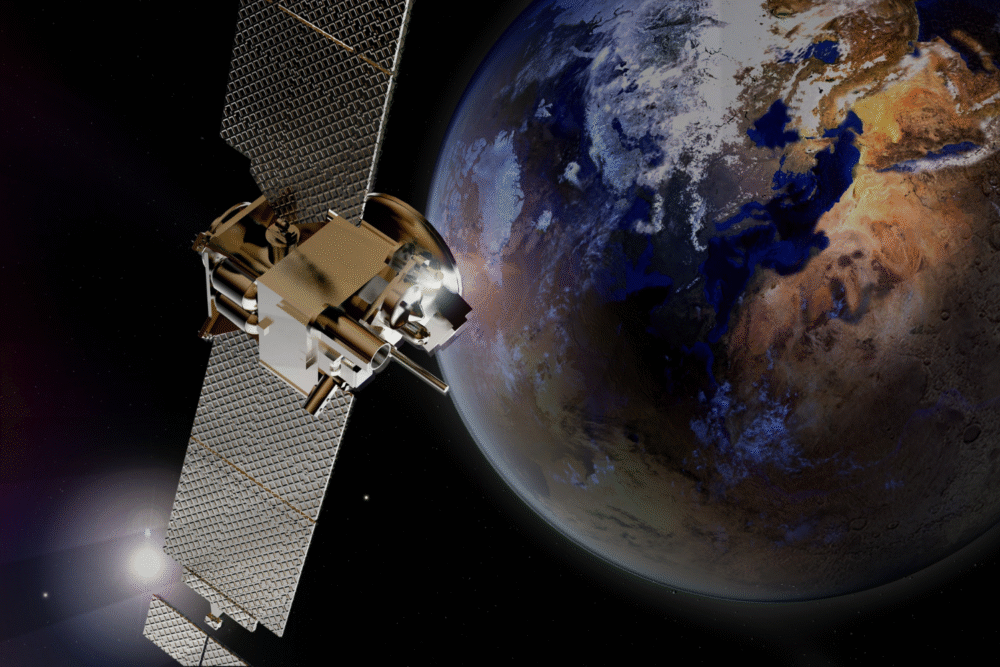
NASA and the European Space Agency captured spectacular images of the eruption from orbit, showing towering ash plumes and glowing lava flows. These satellite photos give scientists a unique vantage point for tracking the event’s evolution, especially in remote areas where ground access is limited.
Such imagery helps experts measure plume height, thermal output, and the spread of volcanic debris. By comparing images taken minutes or hours apart, scientists can understand eruption phases, making remote sensing an essential tool for studying hard-to-reach volcanoes like Hayli Gubbi.
3. The Eruption Produced Massive Ash Plumes
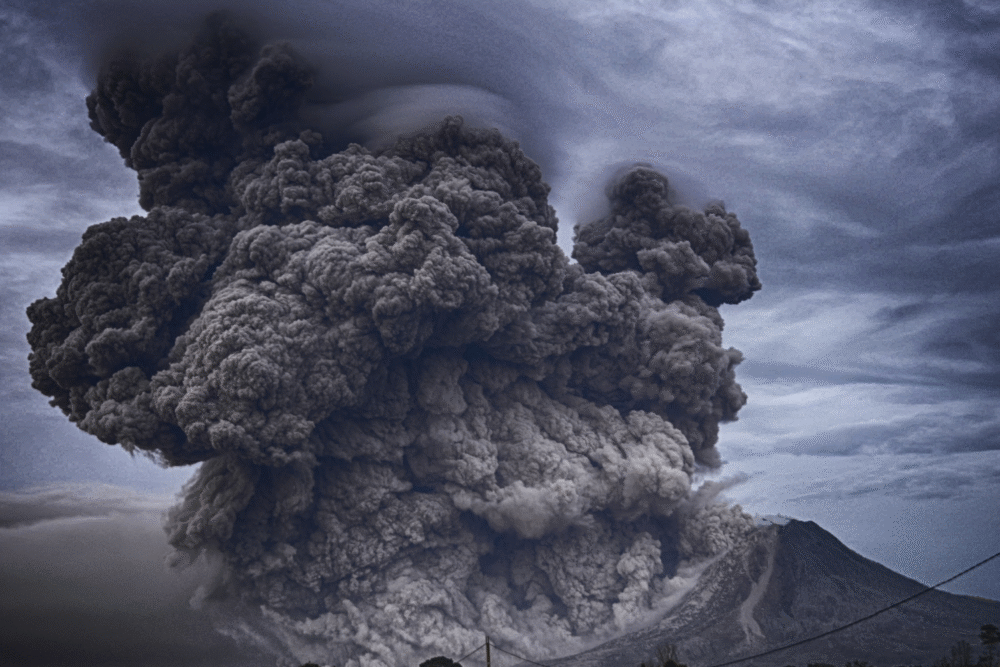
The volcano released striking ash plumes that rose high into the atmosphere and spread across the surrounding region. Ash distribution helps scientists determine the eruption’s intensity and potential impact on aviation or nearby communities. Although the area around the volcano is sparsely populated, ash can still affect air quality and visibility.
Satellite instruments allowed researchers to track the plume’s direction and density in real time. These measurements are vital for understanding how eruptions inject particles into the atmosphere and how long such material may linger.
4. Lava Flows Spread Across the Flanks of the Volcano
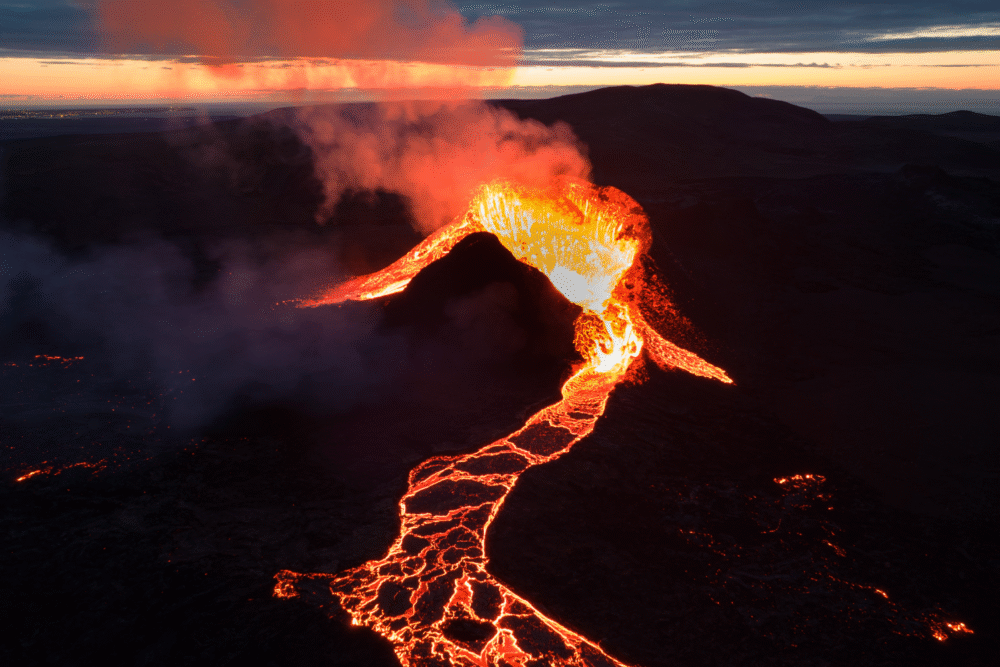
Thermal satellite imagery revealed bright, molten lava flowing down the sides of Hayli Gubbi shortly after the eruption began. These lava flows help scientists estimate eruption temperature, magma volume, and the rate at which material is being released from underground reservoirs.
Because the volcano has no documented modern eruptions, the composition and behavior of the lava provide important clues about the region’s deep geology. Researchers will analyze these flows to understand how long the eruption may continue and what hazards it could pose.
5. The Area Around the Volcano Is Sparsely Populated
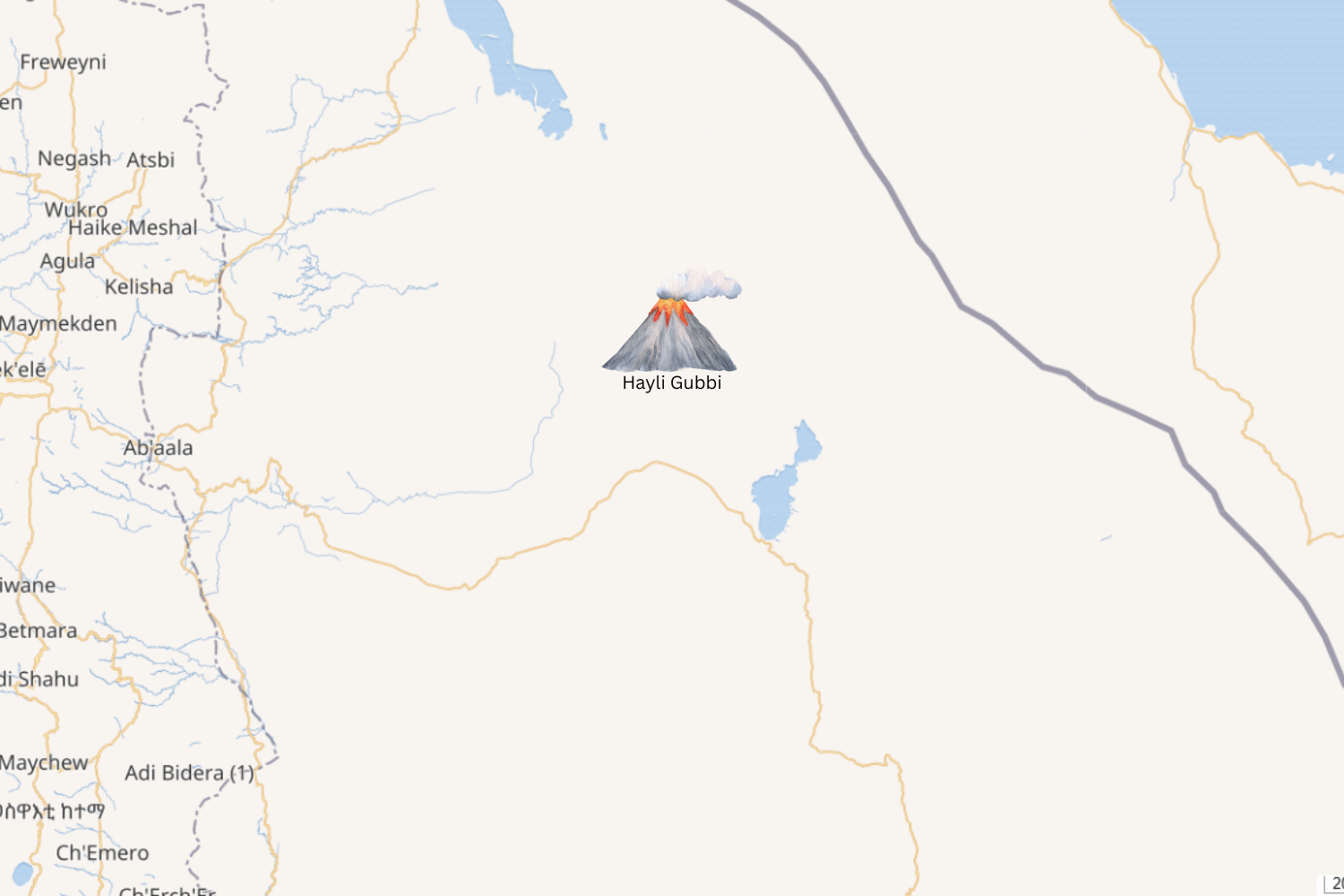
One fortunate aspect of the eruption is that Hayli Gubbi sits in a remote area of Ethiopia, far from major cities or dense settlements. Early reports indicate there were no immediate injuries or widespread damage, though communities downwind may experience ash fallout.
The lack of major infrastructure near the volcano reduces the risk of large-scale disruption. However, scientists emphasize that even remote eruptions can still affect air quality, livestock, and transportation, depending on how long activity continues.
6. The Region Is Part of the Geologically Active East African Rift
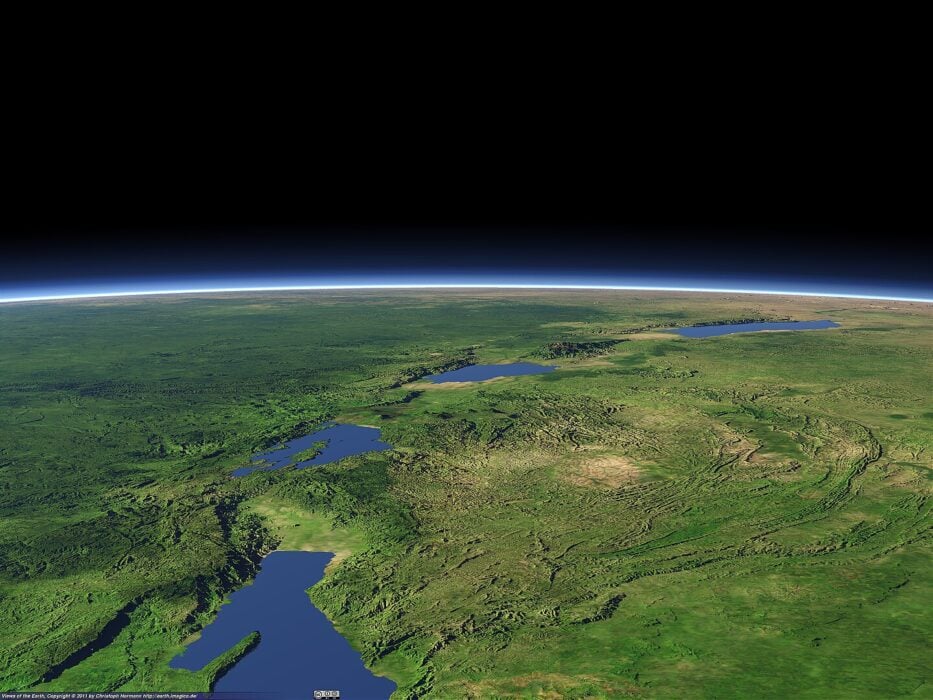
Hayli Gubbi lies within the East African Rift, one of the most tectonically active regions on Earth. This massive geologic rift is slowly pulling apart the African continent, creating faults, volcanic activity, and new crust. Many volcanoes in this region erupt frequently, but others—like Hayli Gubbi—can stay silent for thousands of years before reawakening.
This tectonic setting helps explain why dormant volcanoes can erupt unexpectedly. Magma movement deep underground can shift rapidly, triggering new activity with little warning.
7. Scientists Had No Modern Record of Hayli Gubbi Erupting

Before this event, Hayli Gubbi had no known historical or geological record of erupting in the last several thousand years. This makes the recent activity especially noteworthy, as it offers a rare chance to study a volcano essentially awakening from geological sleep.
The lack of prior data means researchers must build an understanding of the volcano from scratch. Every ash sample, plume measurement, and lava reading contributes to establishing a baseline for future monitoring.
8. Volcanic Lighting and Plume Colors Revealed Eruption Chemistry
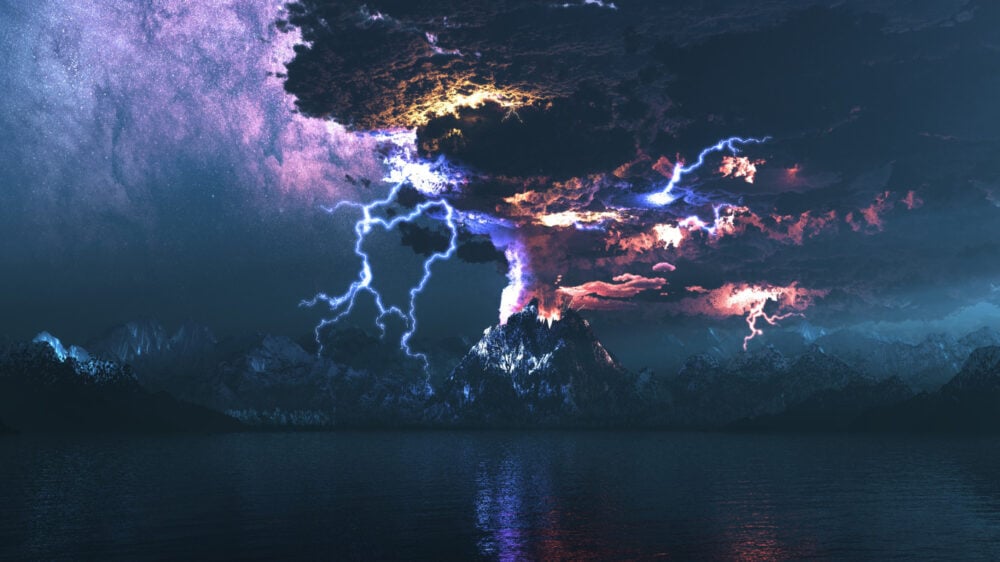
Photos captured during the eruption showed unusual plume colors and flashes of volcanic lightning. These visual features can help experts identify the chemical composition of the ash and gases released during the event. Lightning occurs when ash particles collide and build electrical charges, often seen in strong explosive eruptions.
Studying these elements allows scientists to understand the variety of minerals, gases, and temperatures involved. This helps determine how explosive the eruption could become and whether it may intensify.
9. Satellite Tools Help Track Heat, Ash, and Gas

Modern satellite systems carry instruments capable of detecting heat signatures, sulfur dioxide levels, and ash particle density. These tools were crucial for monitoring Hayli Gubbi, where ground-based observations are limited. Each data type tells part of the eruption’s story, from how much magma is rising to how far gases are spreading.
Real-time tracking also allows global agencies to issue alerts for aviation, air quality, or weather impacts. This is especially important in regions without dense volcanic monitoring networks.
10. The Eruption Offers a Rare Look at a Long-Dormant System
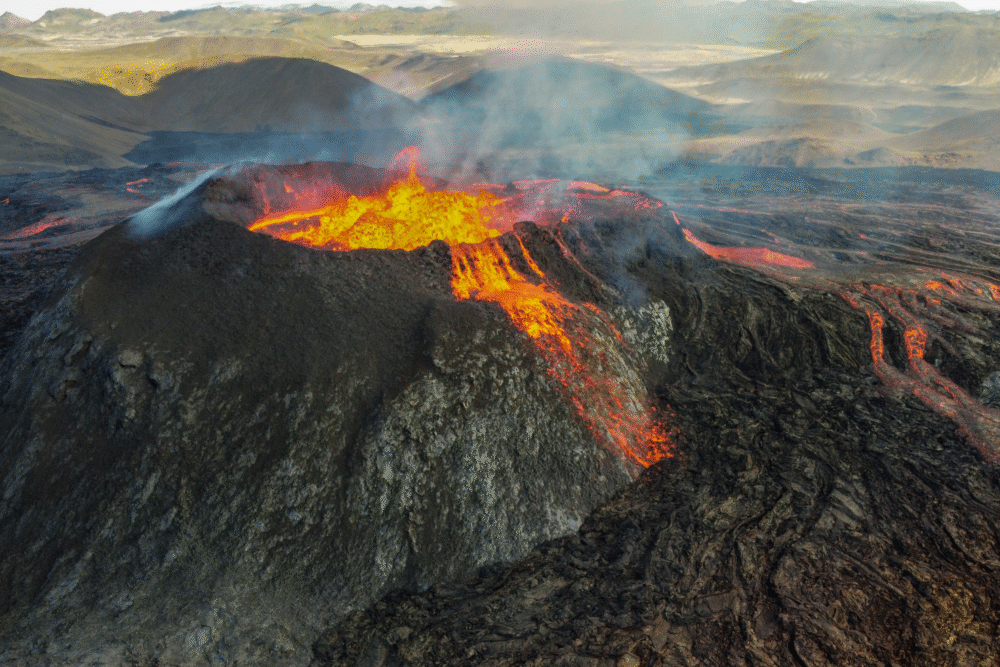
Volcanoes that remain silent for thousands of years provide unique scientific opportunities when they finally erupt. Because their magma systems have had so much time to evolve, they can produce unusual chemical signatures and eruption styles that differ from more active volcanoes.
Hayli Gubbi’s eruption allows researchers to study these long-term processes firsthand. Insights gained here may help scientists better understand how dormant volcanoes behave and why some awaken after such long periods of inactivity.
11. Scientists Will Monitor for Aftershocks and Continued Activity

Experts caution that additional activity may follow the initial eruption, including smaller explosions, ash plumes, or renewed lava flows. Satellite monitoring will continue to track any changes, helping scientists determine whether the volcano is winding down or entering a longer eruptive phase.
Because the region has limited ground instrumentation, ongoing remote sensing will be essential. Continued observations will help refine models of the volcano and improve understanding of similar long-dormant systems around the world.