
The small differences that decide which app gives better value.

Food delivery looks effortless, but the price and timing behind each order are anything but simple. Every tap triggers algorithms that decide fees, driver routing, and how quickly your food moves from kitchen to door.
By 2026, DoorDash and Uber Eats dominate most U.S. cities, yet many users still feel surprised by totals and delivery times. That confusion isn’t accidental. Each app nudges behavior in different ways.
Once you understand how those systems work, food delivery stops feeling random. The differences between these two apps add up fast, and knowing where they diverge can save real money and time.
1. At first glance the menus look nearly identical
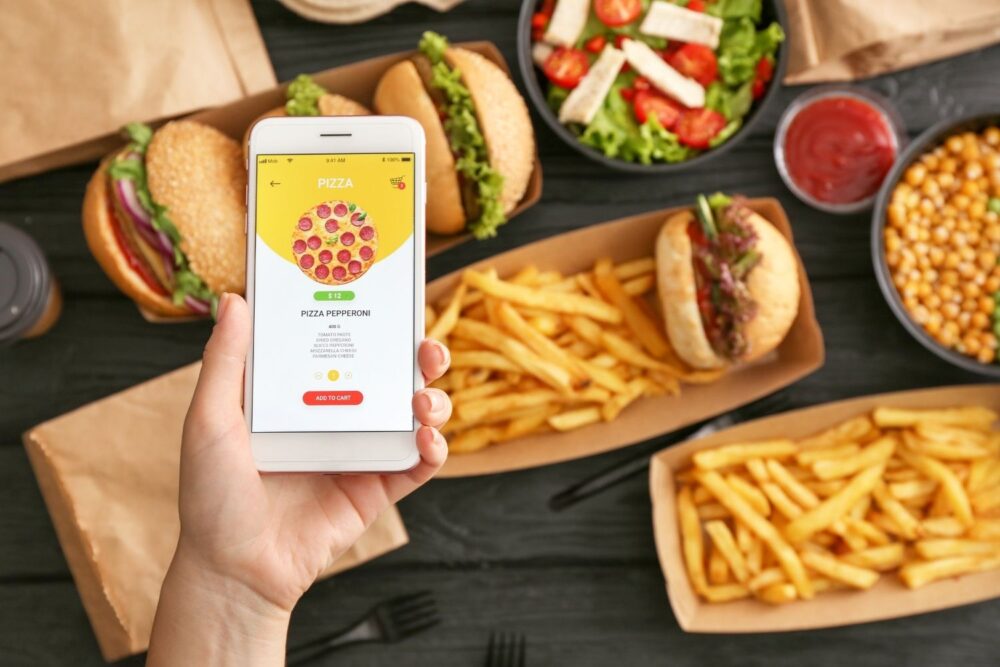
Most restaurants list similar base prices on both apps, which makes cost differences seem arbitrary. Users often assume whichever app they open first is good enough.
But menu prices are only the starting point. Fees, batching, and demand adjustments quickly reshape the total. What looks equal at first glance rarely stays that way by checkout.
2. Fees are where the real divergence begins

DoorDash and Uber Eats both stack multiple fees, but they structure them differently. Delivery, service, and small-order fees shift based on distance, demand, and partnerships.
Uber Eats tends to adjust fees more dynamically, while DoorDash spreads costs across steadier line items. Neither approach is always cheaper, but each rewards different ordering habits.
3. Speed depends more on batching than distance

Many users assume closer restaurants deliver faster. In practice, both apps batch multiple orders to improve efficiency.
DoorDash often stacks nearby orders, which can reduce costs but increase wait times. Uber Eats usually limits stops, leading to quicker deliveries in some areas, often at a slightly higher price.
4. Promotions influence behavior more than totals

Discounts shape how people order. DoorDash frequently pushes free-delivery thresholds, while Uber Eats leans on percentage-based deals.
These promotions encourage larger orders or specific restaurants. Over time, the app that feels cheaper is often the one guiding your choices most effectively, not the one with the lowest base fees.
5. Subscriptions quietly decide who actually saves money
DashPass and Uber One look nearly identical on the surface, but their real value depends on how often, when, and what you order. Both promise lower delivery fees and reduced service charges, yet each applies those benefits under different conditions.
DashPass tends to reward frequent food orders from nearby restaurants, while Uber One spreads its value across food, groceries, and rides. That difference matters more than the monthly price.
If your habits do not match the subscription’s design, savings evaporate. Used carefully, subscriptions cut costs. Used casually, they can quietly encourage more orders while masking higher totals.
6. Driver availability affects both speed and cost

When drivers are scarce, prices rise and wait times stretch. Peak hours amplify this effect across both platforms.
Uber Eats often reflects these shifts immediately, while DoorDash may adjust delivery times after checkout. Timing your order can matter as much as which app you choose.
7. Restaurant partnerships influence outcomes

Some restaurants prioritize one platform over the other. That affects prep time, order visibility, and driver assignment.
A restaurant that favors DoorDash may deliver faster there even if it is closer on Uber Eats. These hidden relationships explain many inconsistent experiences.
8. App design shapes how users decide
DoorDash emphasizes savings messages and free delivery cues. Uber Eats highlights speed, tracking, and urgency.
These design choices steer attention. One app makes cost feel central, the other makes speed feel critical, influencing which tradeoff users accept without realizing it.
9. Grocery delivery blurs comparisons further

Both apps now deliver groceries, but pricing logic differs. Uber Eats integrates groceries into a broader ecosystem, while DoorDash focuses on local stores.
Depending on order size and urgency, one app may win on food and lose on groceries. The cheapest option depends on what you order most.
10. There is no permanent winner
DoorDash often excels at predictable pricing and bundled savings. Uber Eats frequently wins on speed and flexibility.
The smarter approach is comparison, not loyalty. Checking both apps before ordering reveals patterns that repeat over time and help users choose better.
11. The real advantage is understanding how each app works

By 2026, DoorDash and Uber Eats are optimized for different behaviors. Neither is always cheaper or faster.
Users who understand fees, timing, and subscriptions consistently pay less and wait less. The biggest advantage is not the app you choose, but how well you know how it operates.