
Experts warn Texans to steer clear of these toxic, invasive worms that can regenerate when cut in half.
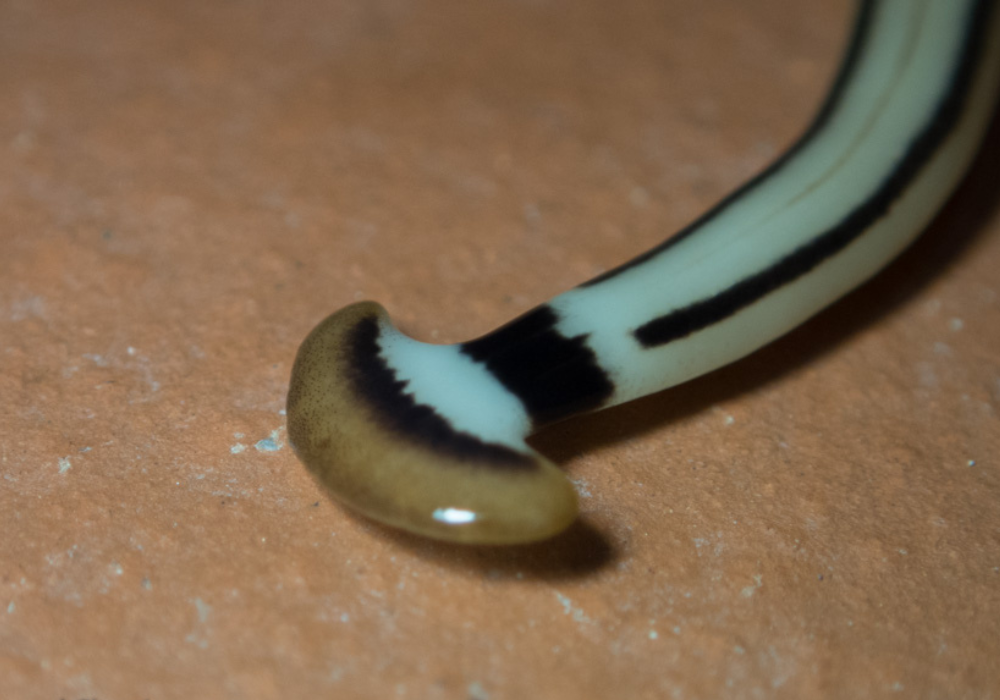
Texas homeowners are being warned about a new creepy invader: the toxic hammerhead worm. The flatworm, native to Southeast Asia, has spread across parts of Texas after heavy rains created ideal breeding conditions. Scientists say the worms secrete a neurotoxin that can harm pets and wildlife — and they’re nearly impossible to kill. Cutting them only makes things worse, since each piece can grow into a new worm. Officials are urging residents not to touch or crush them but to report sightings to local extension offices instead.
1. A Strange and Slimy Invader
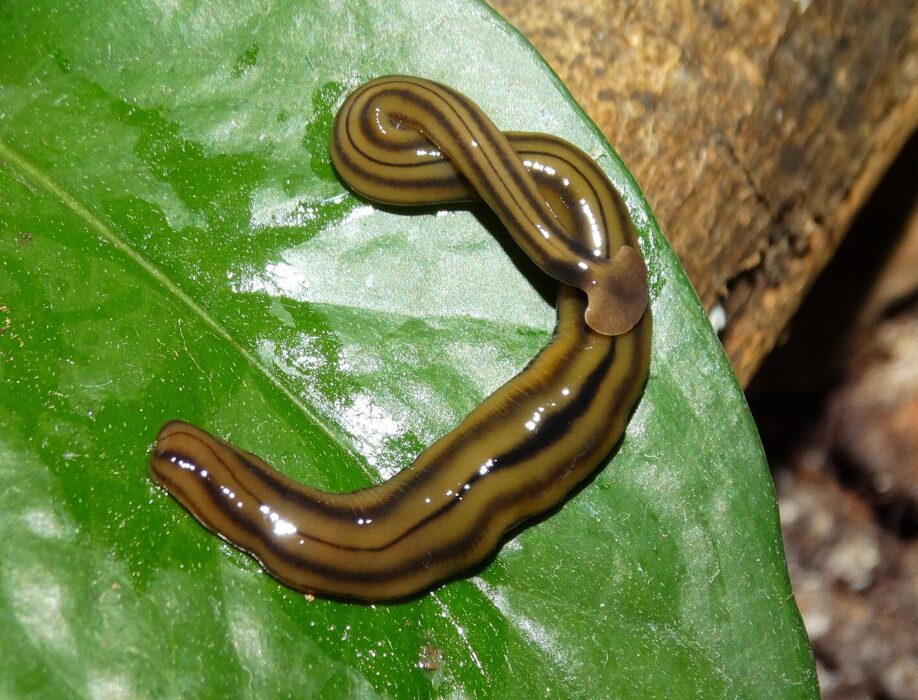
The hammerhead worm, or Bipalium kewense, isn’t native to the United States. It originates from tropical regions of Southeast Asia but has quietly spread across several southern states — including Texas — thanks to warm, humid conditions.
After recent rains, experts say sightings have increased dramatically. The worms can grow up to a foot long and are easily recognized by their distinctive, flattened “hammer-shaped” head. Though they look harmless, these unusual creatures pose serious risks to both ecosystems and pets that come into contact with them.
2. They’re Highly Toxic
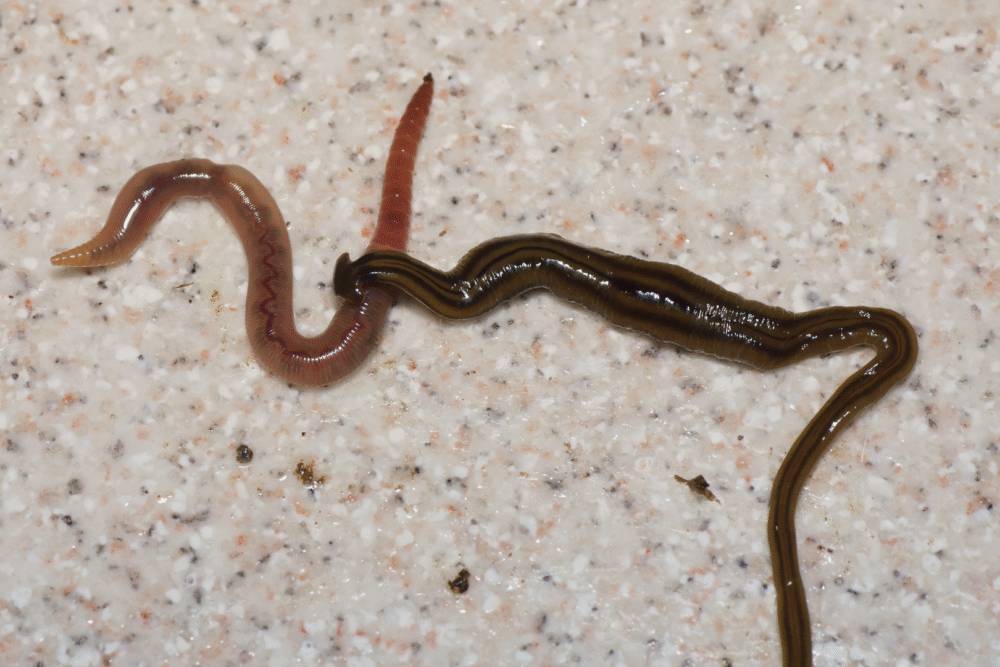
Hammerhead worms secrete a potent neurotoxin called tetrodotoxin — the same toxin found in pufferfish. This chemical helps them immobilize prey, usually earthworms, but it can also make them dangerous to handle.
While the toxin isn’t known to be lethal to humans, it can cause skin irritation or nausea if touched and ingested. Experts warn that the greater risk lies in their effect on local food chains, as the poison can harm small animals that might try to eat them.
3. Cutting Them in Half Only Makes It Worse

Many invasive pests can be killed by squashing them, but hammerhead worms are different. If cut or crushed, they don’t die — they multiply. Each fragment of their body can regenerate into a new worm within days or weeks.
This remarkable regenerative ability makes them almost impossible to eliminate through conventional means. Scientists advise against trying to destroy them manually and instead recommend safer control methods that prevent the spread of new offspring.
4. Earthworms Are Their Favorite Prey

The hammerhead worm’s primary food source is the common earthworm, which plays a crucial role in soil health. Earthworms aerate the ground and recycle nutrients, making them essential for plant growth.
By consuming large numbers of earthworms, hammerhead worms can quietly undermine gardens, farms, and natural ecosystems. Their presence could weaken soil structure and disrupt nutrient cycles, especially in regions like Texas that depend heavily on agriculture.
5. They Thrive After Heavy Rain

Like many invasive species, hammerhead worms take advantage of extreme weather. In Texas, recent heavy rainfall has created perfect conditions for their spread. Moist soil and mild temperatures allow them to reproduce quickly and move easily through gardens and lawns.
Experts say homeowners are more likely to spot them after storms, when the worms emerge from the soil to hunt. Their slick, mucus-covered bodies make them easy to identify on patios, sidewalks, and flowerbeds following a rainstorm.
6. How to Safely Get Rid of Them
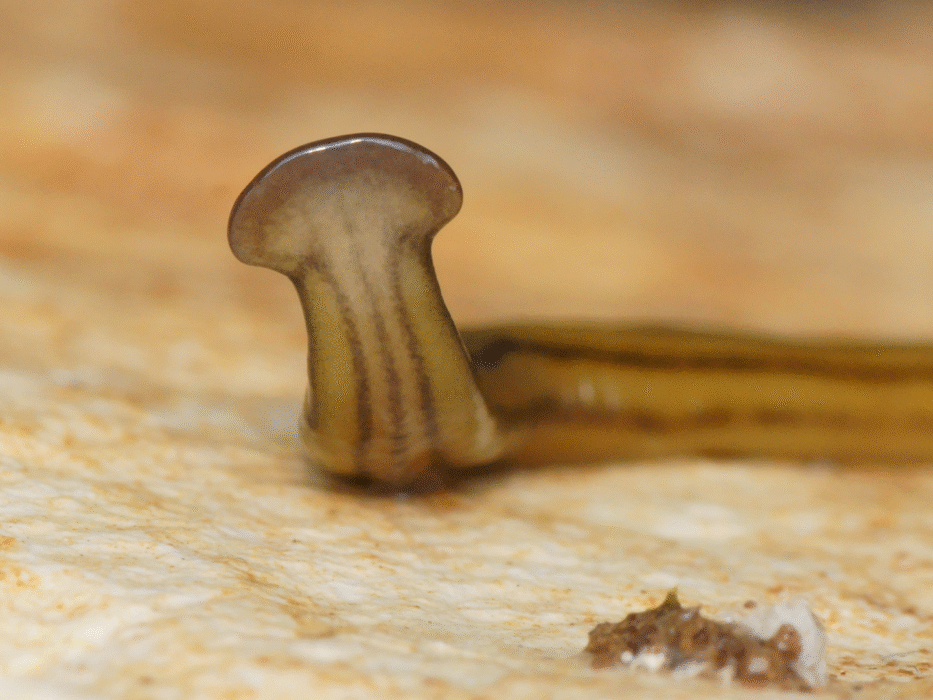
If you find a hammerhead worm, don’t touch it with bare hands or try to crush it. Experts recommend using gloves or a stick to place the worm into a sealed container with salt, vinegar, or rubbing alcohol. These substances will kill it safely and prevent regeneration.
Once contained, residents should dispose of the worm in the trash — not the yard or compost — and report sightings to their local extension service. Tracking infestations helps researchers better understand how far the species has spread across Texas.
7. Pets and Wildlife Are at Risk

Dogs, cats, and wild animals may try to eat hammerhead worms, especially after rainfall when they’re more visible. Because the worms contain tetrodotoxin, ingestion can cause vomiting, drooling, or neurological symptoms in small animals.
While serious poisonings are rare, veterinarians recommend keeping pets away from any unfamiliar worm-like creatures. Birds and amphibians that consume them in the wild may also be affected, contributing to the broader ecological threat posed by this invasive species.
8. They Can Reproduce Without Mating
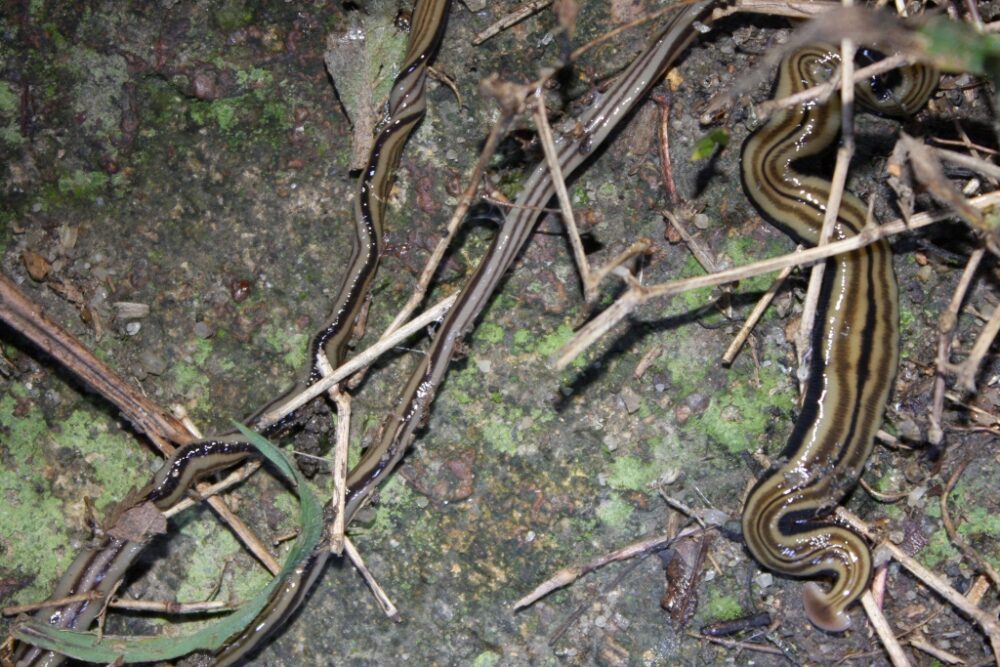
One reason hammerhead worms spread so fast is that they don’t need a partner to reproduce. Most reproduce asexually by splitting themselves in two — each piece forming a complete worm over time.
This self-replicating ability allows populations to grow exponentially, especially in moist environments. Combined with their regenerative powers, this reproductive strategy makes them one of the most resilient invasive flatworms known to science.
9. First Spotted in the U.S. Decades Ago

Although they’re making headlines now, hammerhead worms have been present in the U.S. since at least the early 1900s. The first recorded sighting occurred in greenhouses and shipping ports, likely carried in the soil of imported plants.
For decades, they remained relatively unnoticed, thriving in warm, damp climates across the Gulf Coast. Today, their numbers are rising in states like Texas, Louisiana, and Florida, where climate change and increased rainfall are helping them expand their range.
10. Why Scientists Are Worried

Beyond being gross or unsettling, hammerhead worms represent a serious ecological concern. They’re top predators among soil invertebrates, and their unchecked spread could harm biodiversity across multiple ecosystems.
By threatening earthworm populations, they indirectly affect soil fertility, plant growth, and even carbon storage. Scientists are urging public awareness and better tracking of infestations to understand how widespread the problem is — and to find long-term solutions before these toxic invaders gain an irreversible foothold.