
Animals show neurological and behavioral signs of pain, even if they can’t describe it like humans.

If you’ve ever wondered whether animals feel pain the way humans do, you’re not alone. The question sits at the center of science, ethics, food systems, and how people relate to other living beings, and it has become more urgent as research advances.
For years, the debate was framed as a simple yes or no. Today, scientists approach it differently, studying nervous systems, behavior, learning, and physiology to understand what pain means across species.
The result is a more complex picture that challenges assumptions without making sweeping claims. This gallery walks through what the evidence actually shows, how scientists study pain, and why the answer matters right now.
1. Pain is not a single, simple experience

In humans, pain is more than a physical signal. It includes sensation, emotional response, memory, and context, all shaped by the brain.
Scientists apply this framework to animals by examining separate components of pain. This avoids assuming animals feel pain exactly like humans while still taking their experiences seriously.
2. Many animals share the basic biology for pain

Vertebrates such as mammals, birds, reptiles, amphibians, and fish have nociceptors, specialized nerve cells that detect harmful stimuli like heat, pressure, or injury.
These signals move through nervous systems in ways that closely resemble human pain pathways. That shared biology provides a strong foundation for studying animal pain scientifically.
3. Behavior offers critical clues about suffering

Because animals can’t verbally report pain, researchers closely observe behavior. Limping, guarding injured areas, vocalizing, or reduced activity can all signal distress.
More tellingly, many animals change behavior to avoid future harm. Learning to avoid painful situations suggests more than reflex; it points to experience and memory.
4. Pain relief changes how animals behave

One of the strongest indicators of pain is how animals respond to analgesics. When pain-relieving drugs are given, injured animals often return to normal behaviors.
This shift suggests the drugs are easing discomfort, not just suppressing movement. Scientists view this as evidence that animals experience something aversive worth relieving.
5. Fish and invertebrates complicate the debate

Fish possess nociceptors and show behavioral changes after injury, including avoidance and altered feeding. Some studies also show responses to pain relief.
Invertebrates are more complex. While insects and crustaceans lack brains like ours, some show learning and protective behaviors that raise new questions.
6. Emotional pain is harder to measure, but not ignored

Physical pain is only part of the picture. In humans, pain often includes emotional distress, which is far harder to identify in animals.
Researchers look for indirect signs, such as long-term behavior changes, stress hormone levels, and altered social interactions following injury or threat.
While scientists avoid claiming animals feel emotions exactly like humans, growing evidence suggests pain may involve more than simple reflexes.
7. Evolution helps explain why pain exists

Pain evolved as a survival tool. Detecting harm quickly and remembering it helps animals avoid danger and live long enough to reproduce.
From this perspective, pain isn’t uniquely human. It’s a biological function that appears wherever avoiding injury improves survival odds.
8. Not all animals experience pain the same way

Different species have different nervous systems, cognitive abilities, and life histories. That means pain likely varies in intensity and complexity.
Scientists emphasize caution here. The goal is not to rank suffering, but to understand differences without dismissing them entirely.
9. Why scientists avoid simple yes-or-no answers

The question “Do animals feel pain like humans?” oversimplifies a complex issue. Similar does not mean identical, and different does not mean absent.
Modern research focuses on evidence-based assessment rather than assumptions. This approach reduces bias while expanding understanding.
10. What this evidence means for humans
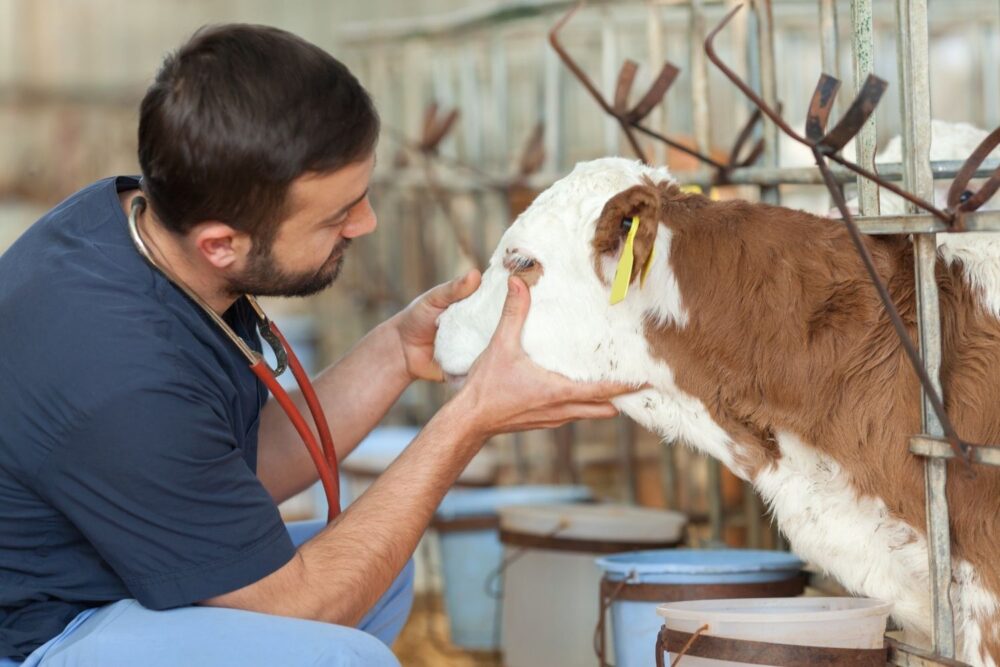
Understanding animal pain influences medicine, agriculture, wildlife management, and everyday choices. It shapes how people think about responsibility and care.
The science doesn’t demand perfection, but it does encourage awareness. Knowing more about animal pain changes how many people see the world around them.