
New DNA evidence from Beethoven’s hair uncovers hidden secrets about his health and surprising family history.

More than two centuries after Ludwig van Beethoven’s death, scientists have finally extracted meaningful DNA from several authenticated locks of his hair—and the results are rewriting key parts of his medical history. The genetic analysis revealed that the composer carried a high inherited risk for liver disease and likely battled a Hepatitis B infection late in life, offering new insight into his final years. Researchers also uncovered an unexpected twist in his family line, solving a genealogical mystery that had puzzled historians for generations.
1. Scientists Confirmed Which Hair Samples Truly Belonged to Beethoven

Researchers examined eight historical hair locks linked to Beethoven, but only five shared an identical genetic profile, proving they came from the composer, while the famous “Hiller lock” turned out to belong to a woman. This critical step corrected decades of misinformation that had shaped previous medical theories.
With the authentic samples identified, scientists were able to sequence Beethoven’s genome with confidence for the first time. This ensured that every medical conclusion in the study was rooted in genuine Beethoven DNA, eliminating the confusion caused by earlier analyses based on misidentified hair.
2. His DNA Reveals a Strong Genetic Predisposition to Liver Disease
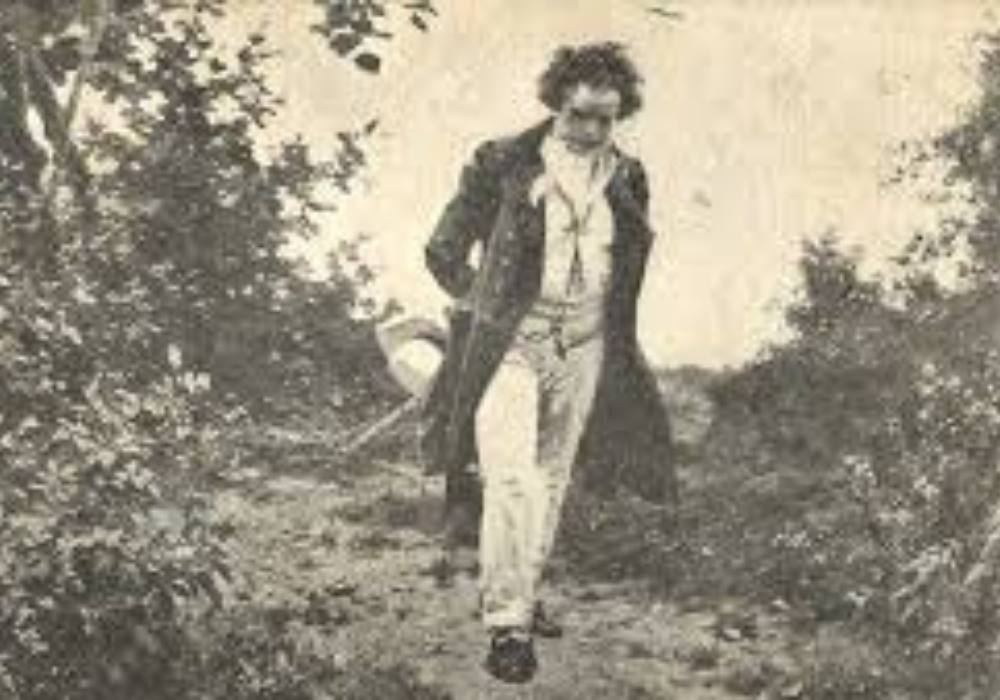
Beethoven carried multiple genetic variants associated with cirrhosis and liver dysfunction, providing strong biological support for the severe liver damage documented in accounts from his final days. These inherited factors made him more vulnerable to liver-related illness throughout his life.
Historians also know Beethoven consumed alcohol regularly, which would have compounded these genetic risks. Together, the DNA evidence and historical accounts create a highly credible explanation that liver disease was a major contributor to his rapid decline and eventual death.
3. Evidence Shows Beethoven Had a Hepatitis B Infection

Scientists identified fragments of Hepatitis B virus DNA in Beethoven’s authenticated hair, meaning he had an active or recent infection shortly before his death. This viral illness is known to severely worsen preexisting liver problems, especially in people with genetic vulnerabilities.
Although researchers cannot determine exactly when he contracted the virus, its presence adds a significant new layer to understanding his failing health. Combined with his genetic risk factors, Hepatitis B may have dramatically accelerated the liver damage already taking place.
4. Genetics Offer Clues About His Lifelong Digestive Issues

Beethoven’s genome revealed markers linked to lactose intolerance and gastrointestinal sensitivity, which may help explain the chronic abdominal distress he reported throughout his adult life. These traits could have contributed to years of digestive discomfort and recurrent illness.
However, scientists emphasize that genetics alone cannot account for everything he experienced. Stress, infections, and harsh medical treatments common during the early 1800s likely made his digestive symptoms far more severe, creating a complex picture that DNA helps illuminate but cannot fully resolve.
5. His Deafness Still Cannot Be Explained by Genetics
Despite extensive analysis, researchers found no known genetic mutations associated with hereditary hearing loss, meaning his progressive deafness does not appear to have a straightforward genetic cause. This finding aligns with previous theories that his hearing loss may have stemmed from illness or environmental factors.
The lack of clear genetic evidence leaves the cause of his deafness an unsolved mystery. Scientists say undiscovered genetic variants, autoimmune conditions, or infections remain possible explanations, but the true cause continues to elude modern medical science.
6. DNA Disproves Long-Standing Lead Poisoning Theories
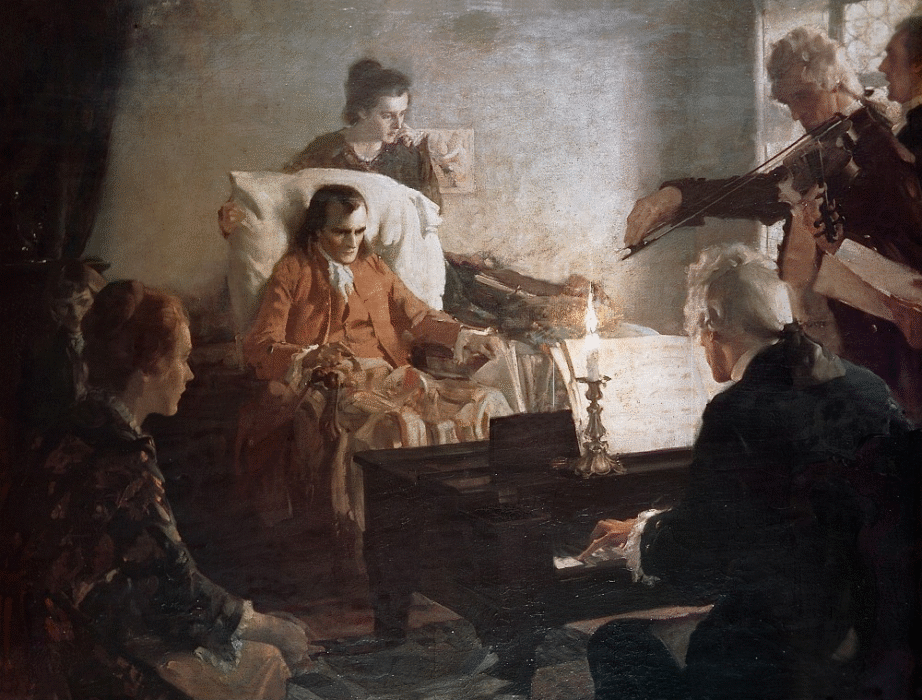
Earlier claims that Beethoven suffered from lead poisoning were based on analysis of the misidentified “Hiller lock,” which did not belong to him. The authenticated hair samples showed no abnormal levels of lead or heavy metals.
This finding overturns a popular historical narrative and shifts focus away from lead as a meaningful contributor to his illness. With that theory eliminated, liver disease and viral infection stand out even more clearly as the dominant forces behind his final decline.
7. His Genome Revealed a Hidden Break in His Family Line
When researchers compared Beethoven’s Y chromosome with that of living relatives from his paternal line, they discovered a mismatch indicating a case of misattributed paternity sometime before Beethoven’s birth. This unexpected genetic break helped clarify inconsistencies in historical genealogical records.
Although the event did not personally affect Beethoven, it sheds new light on his family history. The discovery highlights how genetic research can uncover hidden lineage events that written records alone cannot reveal.
8. DNA Helps Clarify What Happened During His Final Years

By integrating Beethoven’s genetic risks, his Hepatitis B infection, and historical accounts of his symptoms, researchers assembled a clearer picture of the composer’s final years. The combined evidence shows a man whose health was deteriorating rapidly under the weight of multiple interacting conditions.
This deeper understanding helps explain the jaundice, swelling, and severe pain reported near the end of his life. For the first time, scientists can connect these symptoms to concrete biological factors rather than speculation alone.
9. The Study Created One of the Most Complete Historical Genomes Ever

Sequencing Beethoven’s DNA resulted in one of the most detailed genomes ever produced for a historical figure. The data provides researchers with valuable information about his ancestry, disease risks, and possible environmental exposures.
This accomplishment sets a new standard for genetic analysis of historical remains. It also opens the door for similar studies of other figures from the past—provided authentic biological samples still exist and can be preserved for modern analysis.
10. The Findings Answer Some Questions and Leave Others Open

The study offers strong answers about Beethoven’s liver disease, infection, and ancestry, resolving several major medical debates surrounding his life. However, it leaves key mysteries—especially the cause of his deafness—unsolved.
Scientists emphasize that this research marks a beginning rather than an endpoint. As genetic technology advances, new insights may emerge from Beethoven’s genome, allowing future researchers to explore questions that today’s tools cannot yet answer.