
New audio evidence is raising fresh questions about how unexpected discoveries on public land are handled.
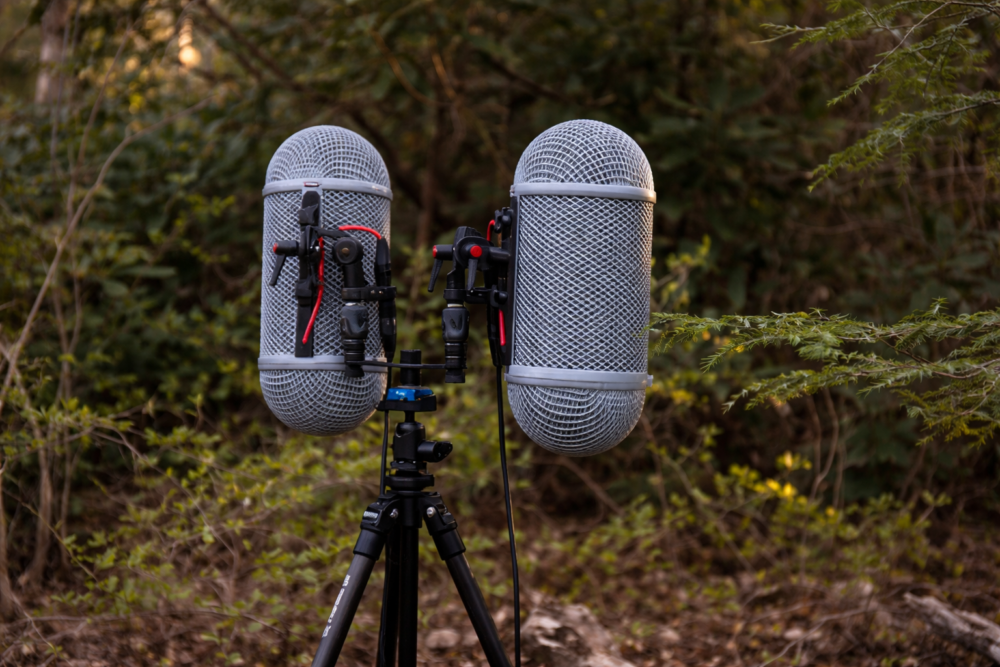
Deep inside America’s national forests, scientists often place small audio recorders in the landscape to listen. The goal is simple and practical: track wildlife, understand how ecosystems change over time, and measure how human noise affects nature.
These devices are meant to pick up birds, wind, insects, and distant animal calls. But during routine reviews, some researchers noticed sounds that did not seem natural or random. The recordings suggested organized human activity in areas thought to be largely untouched.
What followed was not a dramatic announcement, but a quiet process of questions, internal reviews, and careful decisions that brought up a bigger issue. When unexpected discoveries happen on protected public land, how should they be handled, and who decides when the public is told?
Click through to get the answers.
1. The recordings began as a routine wildlife monitoring effort

The audio equipment was part of a long-term ecological monitoring project run on national forest land by the U.S. Forest Service. Passive acoustic recorders are commonly used because they work quietly in the background without disturbing animals or altering their behavior.
Researchers later listen to and analyze thousands of hours of sound to understand what lives in an area and how it changes over time. The project was never meant to uncover anything beyond environmental data, which is why the unexpected sounds immediately stood out.
Follow us and access great exclusive content every day
2. Analysts noticed sounds that did not match the environment

While reviewing the recordings, analysts began to notice repeated rhythmic sounds that did not line up with wind, weather, or known animal calls. The timing and consistency suggested something structured rather than random background noise.
At first, nothing pointed clearly to what the sounds were or where they came from. Still, they were unusual enough that researchers paused instead of moving on to the next file.
3. Initial explanations focused on everyday human activity

The first assumption was that the sounds came from normal human presence. National forests are used for many purposes, including maintenance work, hiking, and nearby development.
It seemed reasonable that distant equipment or unauthorized access could explain what was heard. But when analysts checked maps, access restrictions, and known activity schedules, the pieces did not line up, which made those explanations harder to accept.
4. Attention shifted toward the possibility of overlooked sites

As simpler explanations fell away, researchers began to consider whether the sounds could be connected to something buried or undocumented. Certain noninvasive archaeological techniques and interactions with subsurface features can produce identifiable acoustic patterns.
This did not mean anything had been discovered, but it raised enough concern to involve people trained to think about cultural and historical resources. The recordings had crossed into unfamiliar territory.
Follow us and access great exclusive content every day
5. Archaeological rules quickly shaped the response
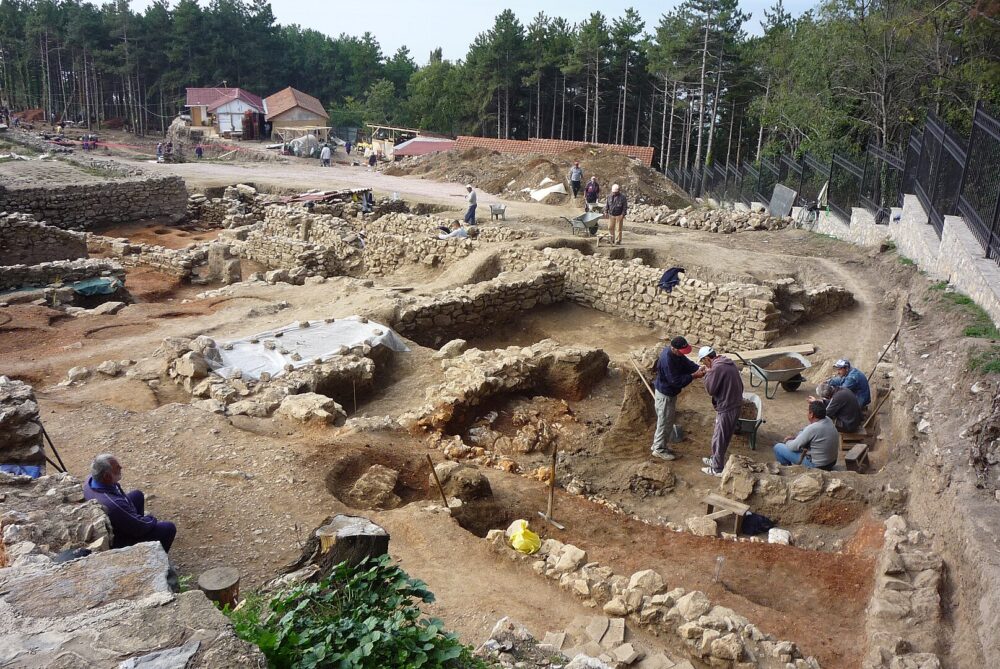
On federal land, even the possibility of an archaeological site sets a careful process in motion. Strict laws exist to protect cultural resources from damage, theft, or unwanted exposure, especially before their significance is fully understood.
Protections are designed to prevent looting and irreversible harm, but they also slow how information moves. Before anything can be confirmed or shared publicly, officials must evaluate the site’s potential importance, consult trained specialists, and follow a series of required legal steps.
This review can take months or longer and usually happens behind the scenes. For people outside the system, the silence can feel confusing or frustrating, even when the intent is preservation rather than secrecy.
6. Internal review came before public explanation

Rather than sharing partial information, officials chose to focus on internal evaluation first. Drawing attention to an unverified location can lead to increased foot traffic or deliberate disturbance. From a management standpoint, staying quiet is often seen as the safest option.
To the public, though, that silence can feel like something important is being withheld.
7. Researchers were limited in what they could say

The scientists who first noticed the recordings were not archaeologists, and they were not authorized to make public statements about possible discoveries. Their role was to report anomalies, not interpret them.
Federal research guidelines often restrict communication until reviews are complete. As a result, even well-meaning researchers can find themselves unable to answer questions they know people are asking.
Follow us and access great exclusive content every day
8. Openness and protection can pull in opposite directions

Public land belongs to everyone, which creates an expectation of transparency. At the same time, revealing details too soon can put fragile sites at risk.
Agencies must weigh public trust against the responsibility to preserve irreplaceable history. When discoveries happen accidentally rather than through planned surveys, that balance becomes even harder to strike.
9. The recordings changed how data is looked at
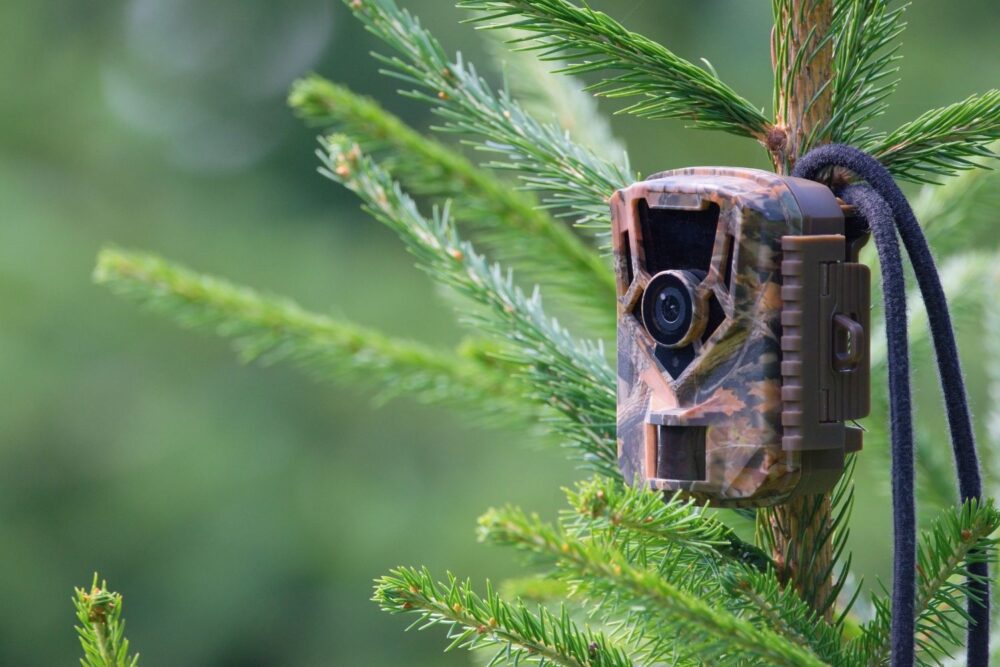
This situation highlighted how modern monitoring tools can capture more than anyone expects. Technology designed for conservation can unexpectedly intersect with history and archaeology.
It has prompted conversations about whether data should be reviewed differently and whether more voices should be involved earlier. It also raises the question of how often similar clues may have gone unnoticed.
10. In the end, the issue is about stewardship

At its heart, this story is not about hiding information but about managing public land responsibly. Protecting the past sometimes means moving slowly and choosing caution over speed.
Decisions about when to share information are shaped by legal obligations, limited resources, and real risks. For readers, the recordings offer a reminder that preserving history often requires patience, even when curiosity runs high.