
A new discovery in the Grand Canyon has revived one of America’s oldest and most puzzling historical mysteries.
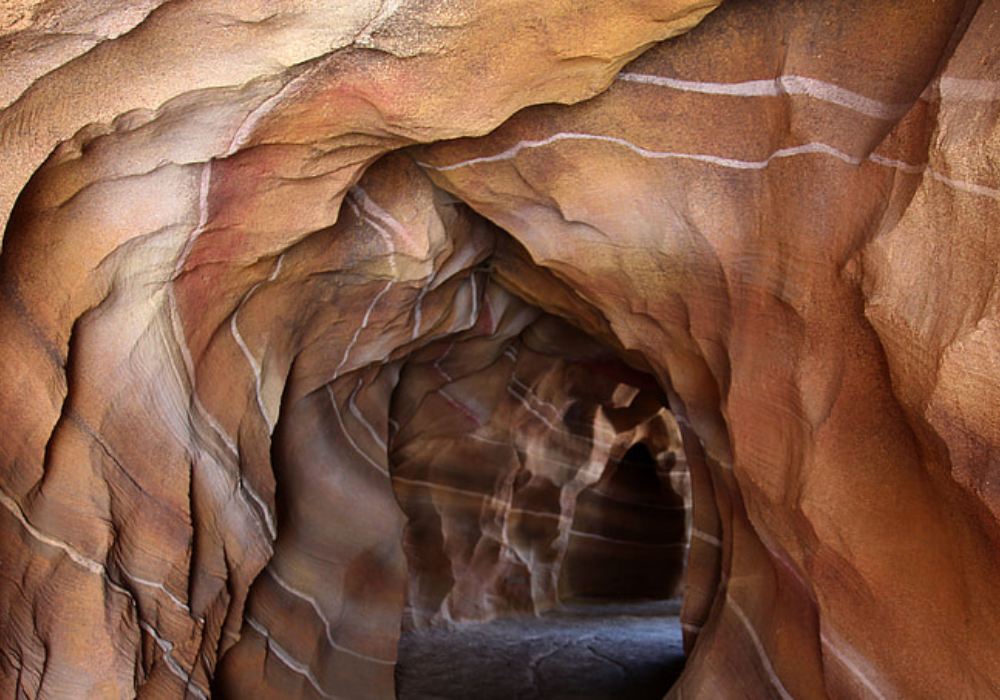
A Grand Canyon park ranger claims to have uncovered evidence linked to a century-old Smithsonian controversy that has long fascinated historians and conspiracy theorists alike. The find allegedly connects to reports from the early 1900s describing hidden chambers filled with ancient artifacts — discoveries the Smithsonian has repeatedly denied. Now, new details are reigniting debate over whether the story was myth, misunderstanding, or something the museum never wanted the public to know.
1. The Legend of the Grand Canyon’s Lost Chambers
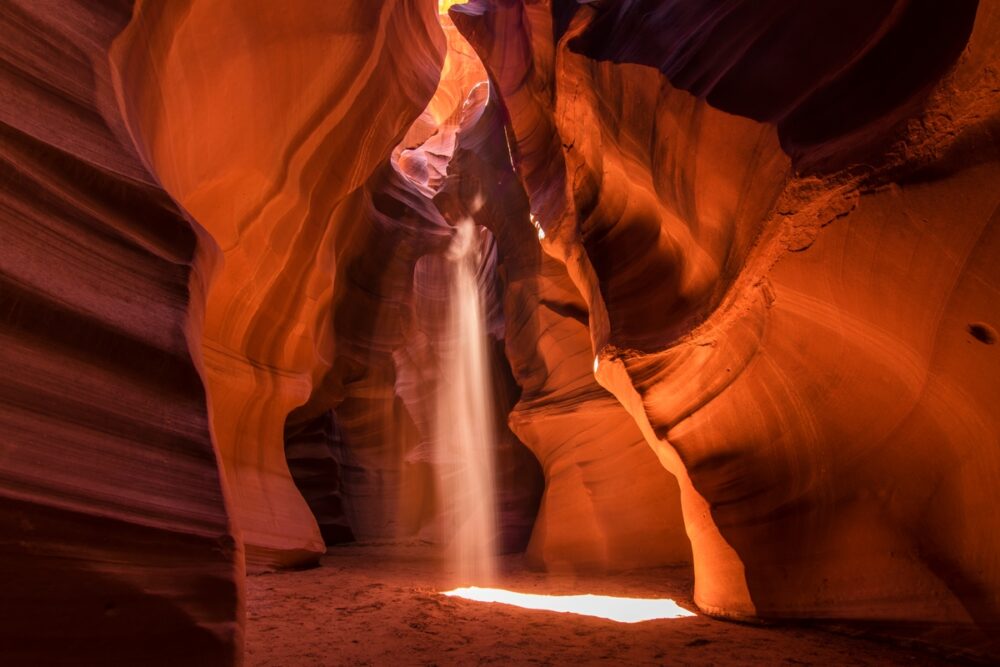
For over a century, rumors have swirled about a hidden network of tunnels and chambers buried deep within the Grand Canyon. Early newspaper reports from 1909 described mysterious artifacts supposedly found inside — some even suggesting Egyptian or Asian origins.
The Smithsonian quickly dismissed the story as a hoax, but the idea never disappeared. It became one of the most enduring mysteries in American archaeology, blending fact, folklore, and unanswered questions.
2. A Park Ranger Stumbles on an Unusual Discovery
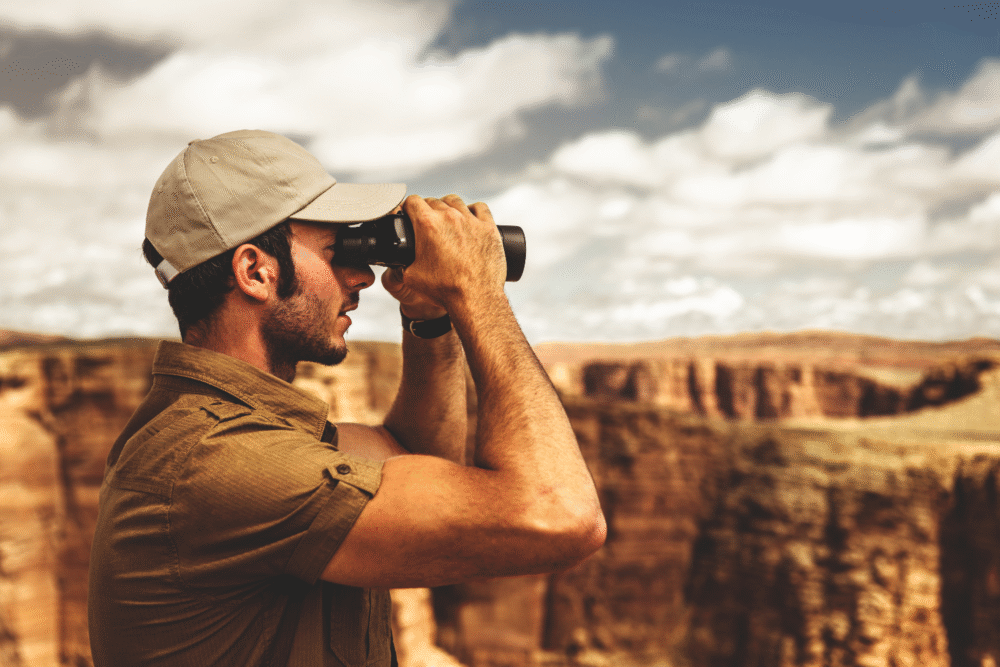
While surveying a remote section of the canyon rarely visited by tourists, a Grand Canyon ranger reportedly found what appeared to be a sealed rock opening. The site’s location matched the general area described in the original century-old accounts.
Intrigued, the ranger documented the find and contacted experts to investigate further. His discovery reignited public curiosity about whether the old story might have contained a kernel of truth after all.
3. The Mysterious 1909 Arizona Gazette Story
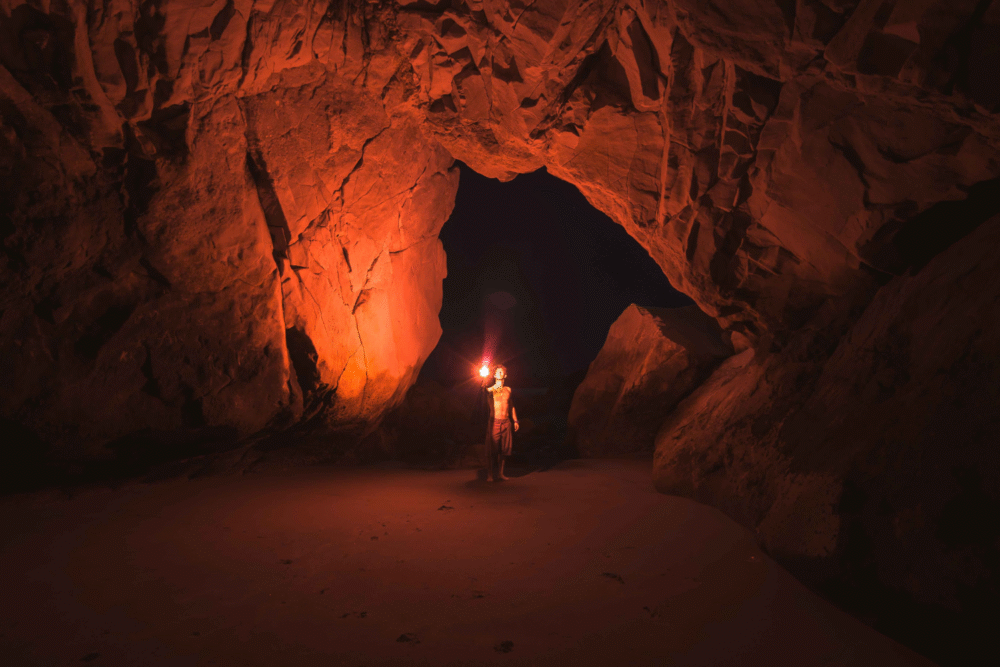
The controversy traces back to a single article published in The Arizona Gazette on April 5, 1909. It detailed an alleged Smithsonian expedition led by explorer G.E. Kinkaid, who claimed to have found a massive underground complex filled with relics.
The report mentioned copper weapons, carvings, and even mummified remains — items that would have been groundbreaking if verified. Yet no official Smithsonian record of Kinkaid or the supposed dig has ever been found.
4. The Smithsonian’s Swift Denial

Within weeks of the 1909 story spreading, the Smithsonian Institution publicly denied that any such expedition had taken place. Officials stated that no one by the name of Kinkaid worked for them, nor did they have evidence of underground chambers in the Grand Canyon.
For many, the denial settled the issue. For others, it sparked suspicions that the discovery had been quietly covered up, fueling a century of speculation and alternative theories.
5. Modern Researchers Revisit the Mystery

In recent decades, independent historians and explorers have reexamined the 1909 report. Using satellite imagery, geological surveys, and historical archives, some claim to have found anomalies in canyon walls that could suggest hidden caverns.
While none of these claims have been verified, the renewed attention has encouraged a more open conversation among researchers about what may lie beneath one of America’s most iconic landscapes.
6. The Ranger’s Find Rekindles an Old Debate
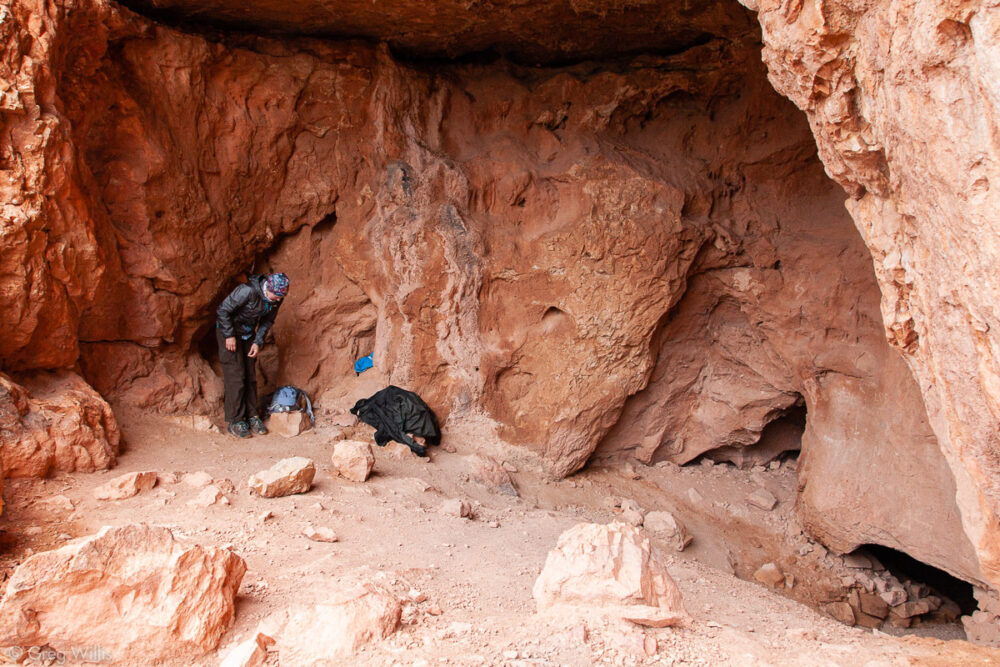
The Grand Canyon ranger’s recent discovery bears striking similarities to the early descriptions. According to reports, the ranger noted unnatural rock formations and narrow openings sealed with debris — possible signs of a man-made structure.
Though no artifacts have been confirmed, the ranger’s photos and field notes have drawn renewed interest from both academics and amateur archaeologists eager to reexamine the canyon’s most enduring mystery.
7. Why the Smithsonian Might Have Denied the Story

Skeptics argue that the Smithsonian’s denial was simple — the 1909 report was likely sensationalized journalism. But some researchers suggest the institution may have had reasons to distance itself from fringe theories or misinterpreted findings.
In the early 20th century, archaeology in the American Southwest was still emerging, and any claim involving “foreign civilizations” in North America would have been highly controversial and damaging to academic reputations.
8. Indigenous Perspectives on the Story

For many Native American tribes connected to the Grand Canyon, including the Hopi and Navajo, the canyon has always been considered sacred. Oral histories describe vast underground dwellings and ancestral migrations linked to the area.
While these traditions differ greatly from the 1909 narrative, some cultural historians note that outsiders may have misinterpreted Indigenous stories as literal evidence of ancient “lost civilizations.” The ranger’s discovery has revived interest in these deeper cultural connections.
9. What Experts Say About Hidden Chambers in the Canyon

Geologists and archaeologists generally agree that the canyon’s geology makes massive underground chambers unlikely. The area is composed of hard rock formations not conducive to large natural caves.
Still, smaller man-made alcoves or natural voids could exist. Experts caution that without verified excavation or precise mapping, claims of vast tunnel systems remain speculation — but not entirely impossible.
10. Why the Story Still Captures Public Imagination

The idea of a hidden civilization beneath the Grand Canyon blends exploration, mystery, and rebellion against institutional authority — a combination that continues to fascinate. It’s a uniquely American legend: part Indiana Jones, part X-Files.
Each generation rediscovers the story, adding new twists — from lost Egyptian temples to hidden archives. The ranger’s claim is just the latest chapter in a mystery that refuses to fade.
11. What Happens Next for the Ranger’s Discovery

The National Park Service has not officially commented on the ranger’s claim, and no formal excavation has been announced. Scientists and historians remain cautious until verifiable evidence is presented.
For now, the discovery exists in a gray zone between history and legend. Whether it proves to be a geological curiosity or something far more significant, it has once again drawn global attention to one of America’s most mysterious landscapes.