
A newly reexamined underground shaft has left experts stunned — and questioning what ancient builders knew.
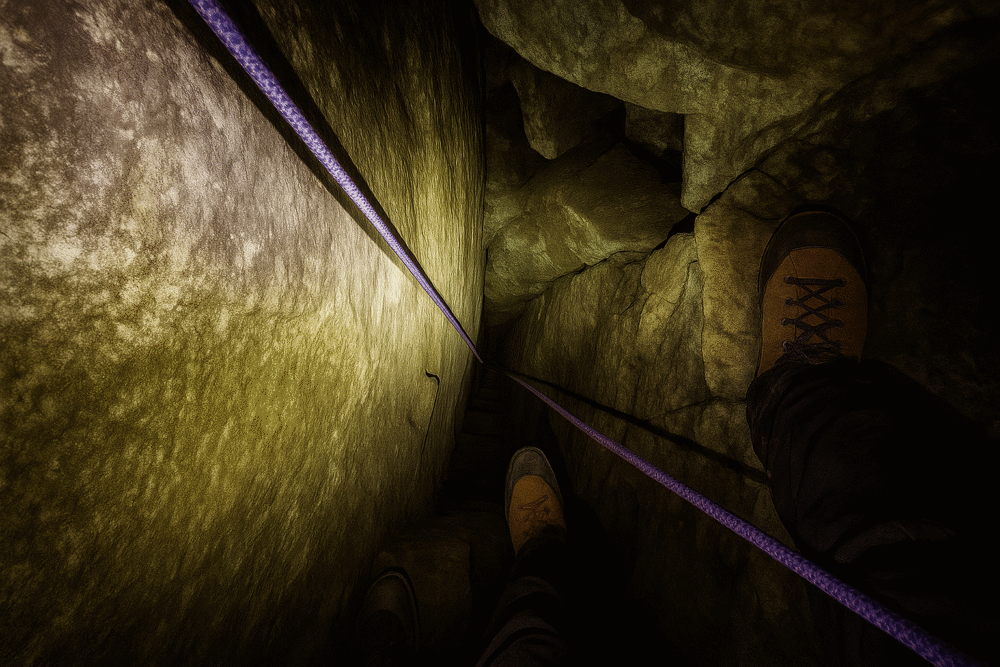
Hidden beneath the remote mountains of southern Russia lies the Khara-Hora Shaft — a perfectly cut vertical tunnel that seems to defy everything we know about ancient engineering. Carved deep into solid rock with geometric precision, the structure has no clear purpose, no tool marks, and no known origin. Archaeologists who’ve studied it say its construction would challenge even modern equipment. Some believe it may have been part of a forgotten civilization’s technology; others think it’s a natural anomaly. But so far, no one can explain who built it — or how.
1. Discovery Deep in the Ural Mountains

The Khara-Hora Shaft was first documented by explorers surveying a remote mountain region of southern Russia, an area long rumored to contain ancient tunnels. What they found stunned them — a perfectly cylindrical shaft plunging straight into solid stone.
Its smooth walls, symmetrical angles, and lack of chisel marks suggested it wasn’t carved with primitive tools. The structure appeared engineered with mathematical precision, leading archaeologists and geologists to question whether it was man-made, natural, or something in between. Even its age remains uncertain, with estimates ranging from thousands to tens of thousands of years.
2. The Structure That Shouldn’t Exist
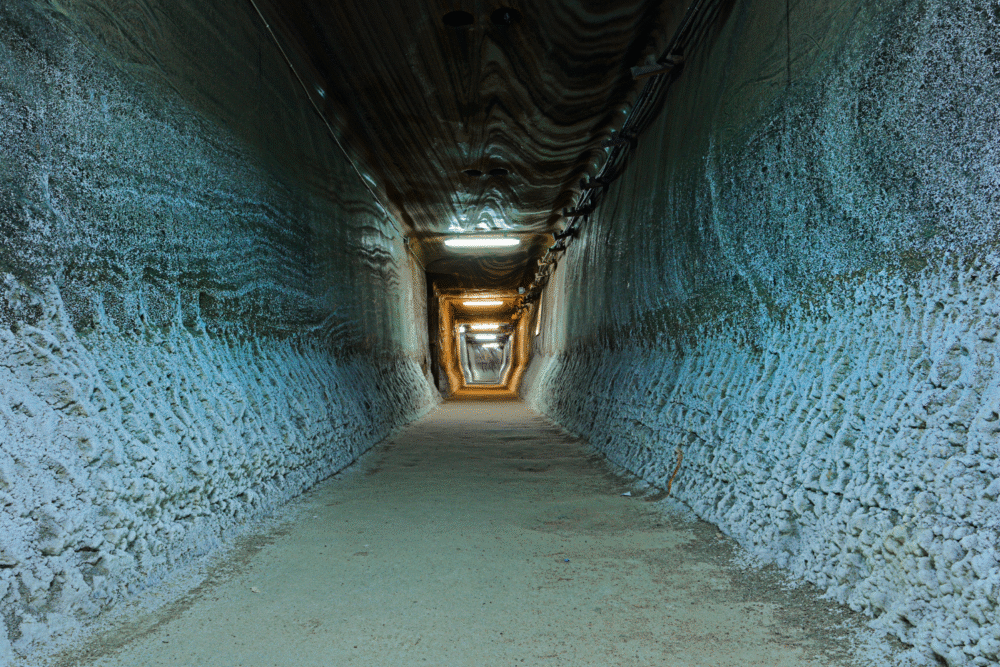
At first glance, the shaft appears too perfect to have been created in prehistoric times. It measures nearly 40 meters deep and several meters wide, with smooth, parallel walls cut through granite — one of the hardest stones on Earth.
Experts say such precision would be nearly impossible without advanced equipment. Yet, there’s no evidence of modern involvement. The find has led some scientists to speculate that the shaft may predate known civilizations entirely, challenging assumptions about ancient human capabilities and their understanding of geometry and engineering.
3. The Mystery of Its Purpose
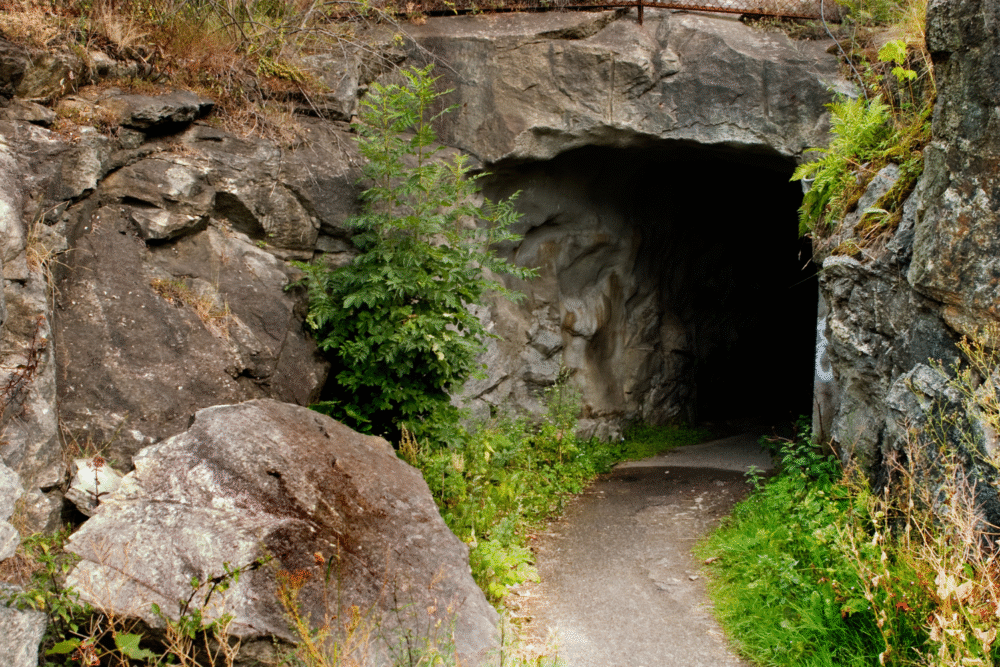
Perhaps the greatest puzzle surrounding the Khara-Hora Shaft is its function. It’s not a mine, well, or tomb — there are no artifacts, human remains, or signs of habitation. Its vertical design doesn’t match any known architectural tradition from the region or era.
Some researchers believe it may have been a ventilation or observation shaft for a much larger underground complex. Others suggest it could have served a ceremonial or astronomical purpose. But so far, no surrounding tunnels or chambers have been discovered, leaving its true purpose a complete mystery.
4. The Impossible Engineering Precision
Scientists studying the Khara-Hora Shaft describe its geometry as almost mechanical in its perfection. Laser scans show that the walls deviate by less than a centimeter across the entire depth — a level of precision comparable to modern construction.
Even more baffling, there’s no visible evidence of tool marks, chipping, or grinding. The shaft looks as though the stone was melted or bored through, not cut. Such a feat would have required technology far beyond what’s documented from any known ancient culture, leading to intense debate among archaeologists and engineers alike.
5. Why Conventional Tools Don’t Add Up

If the shaft was indeed man-made, experts can’t explain how it was done. Copper and stone tools used by early cultures could never have pierced solid granite with such accuracy. Even iron tools, which appeared much later, would have struggled to achieve the same results without modern machinery.
Some researchers have suggested a lost method of stone softening or a long-vanished form of drilling technology. Others think it could be a natural geological formation coincidentally resembling human design — but none of these explanations fully fit the available evidence.
6. A Challenge to Archaeological Orthodoxy
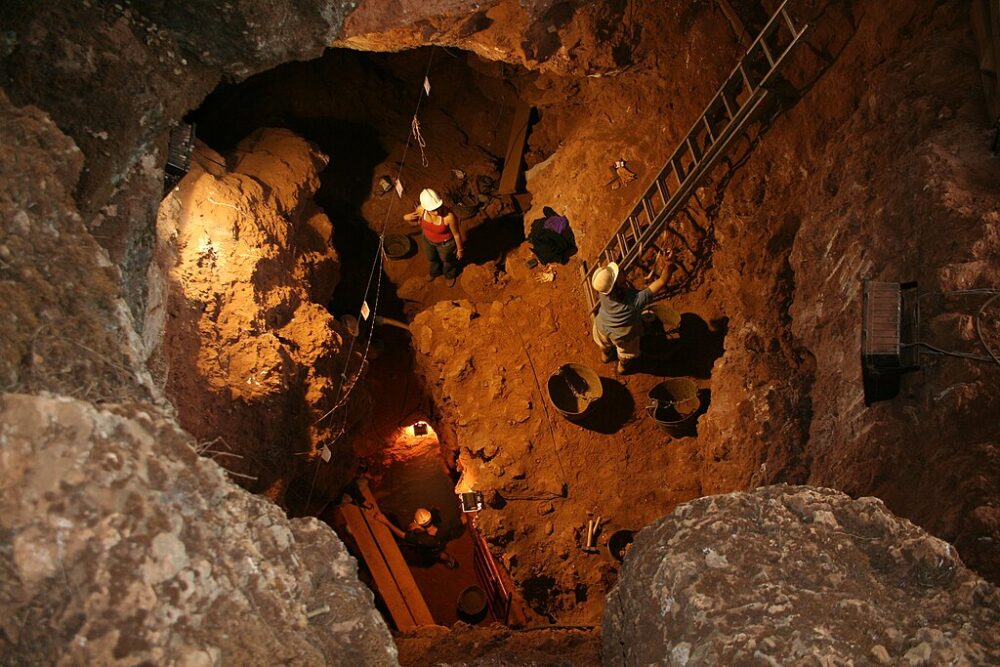
The Khara-Hora Shaft joins a growing list of discoveries that challenge the established timeline of human development. Like the precision-cut stones of Puma Punku in Bolivia or the massive blocks of Baalbek in Lebanon, it raises uncomfortable questions about ancient craftsmanship.
If early builders could achieve this level of perfection, what other technologies might they have possessed — and lost? The find forces historians to reconsider whether some civilizations may have reached advanced engineering knowledge earlier than currently believed.
7. Ancient Legends That Hint at the Shaft
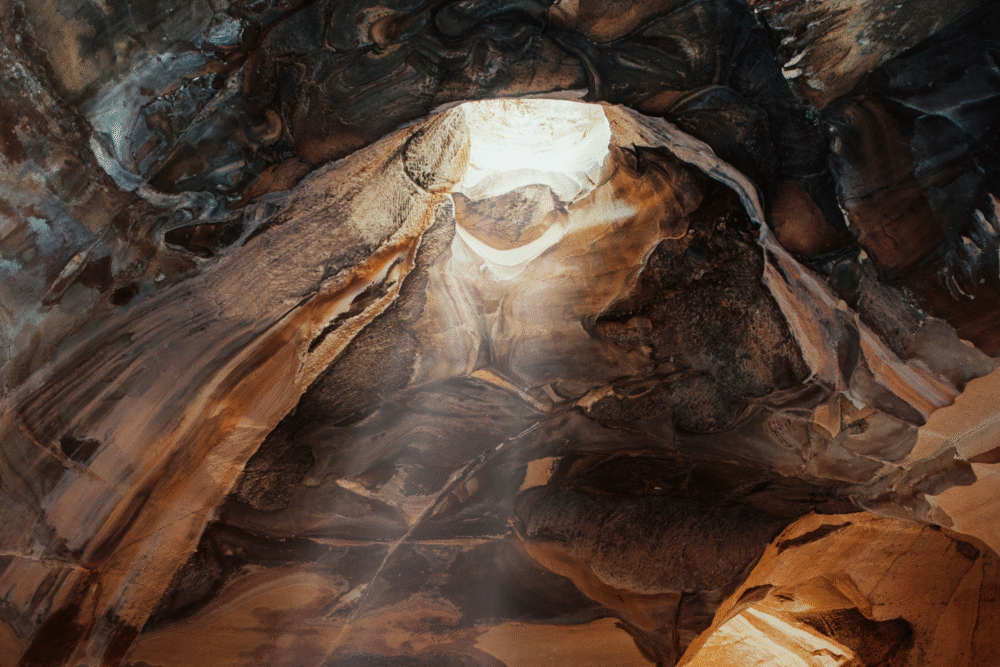
Local folklore surrounding the Khara-Hora region predates modern exploration by centuries. Stories tell of “the Path of the Gods,” an underground passage said to connect the earth to the stars. Early villagers spoke of strange humming noises coming from the mountains and lights seen around the site at night.
While many dismiss these tales as myth, researchers note that such legends often originate from real ancient sites. The parallels between these stories and the shaft’s mysterious location continue to intrigue those who believe it may hold deeper symbolic or historical meaning.
8. Could It Be a Geological Formation?

Not all scientists are convinced the shaft is man-made. Some geologists argue it could be the result of an extremely rare natural process — a volcanic vent, a collapsed magma pipe, or erosion shaped by groundwater over millennia.
However, even these theories struggle to explain the shaft’s perfect symmetry, right angles, and smooth inner surface. Nature rarely produces such uniform geometry, especially in hard igneous rock. If the structure is natural, it would be one of the most extraordinary geological formations ever recorded.
9. The Controversy Among Researchers

The Khara-Hora Shaft has divided the scientific community. Traditional archaeologists call for caution, insisting that extraordinary claims require extraordinary evidence. Others argue that the site is so unique it demands a broader, multidisciplinary investigation involving geologists, engineers, and historians.
Despite growing interest, access to the site remains limited due to its remote location and unstable terrain. Some suspect that institutional reluctance comes from the fear of rewriting accepted history, while others say there’s simply not enough funding to study such an unconventional find.
10. Modern Technology Reveals New Clues

Recent drone mapping, ground-penetrating radar, and 3D modeling have given researchers their clearest view yet of the shaft’s interior. The scans reveal perfectly consistent alignment and a smooth finish throughout — with no branching tunnels or signs of collapse.
Some anomalies, including faint magnetic irregularities and temperature variations, suggest there may be hidden chambers nearby. These findings have fueled speculation that the Khara-Hora Shaft could be part of a much larger structure still buried beneath the mountain, waiting to be uncovered.
11. The Mystery That May Rewrite History

As investigations continue, the Khara-Hora Shaft remains one of the most baffling ancient sites ever discovered. Whether it’s evidence of lost technology, a forgotten civilization, or an incredible natural phenomenon, it challenges what we think we know about human history.
For now, it stands as a silent monument — a precision-engineered mystery buried in stone. Until science can explain how it was created, the shaft will remain a powerful reminder that the ancient world may have held far more secrets than we’ve yet imagined.