
Newly released FBI files reveal how parents helped monitor teens during the upheaval of the 1960s.
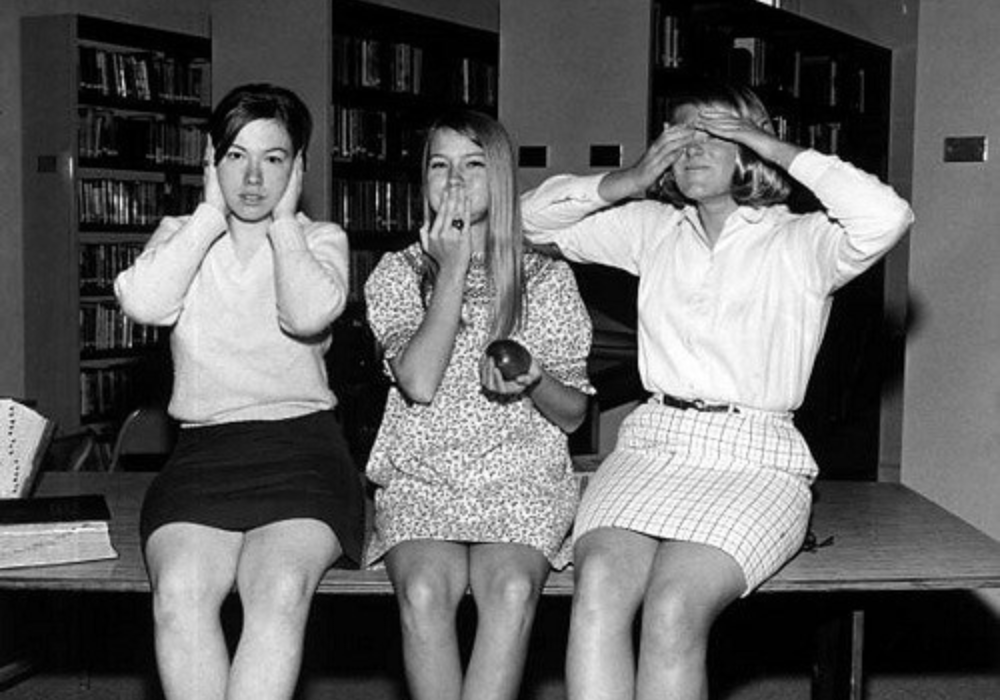
Newly declassified FBI documents show that some American parents quietly contacted federal agents in the 1960s to report on their own teenagers’ political activities. These letters, preserved in FBI archives for decades, reveal concerns about counterculture influences, rebellious behavior, and potential involvement in civil rights or anti-war movements. Parents often asked agents for guidance or intervention, believing the FBI could help steer their children back toward conformity. The files provide a surprising look at family dynamics during a turbulent decade and highlight how government surveillance reached into private homes.
1. Parents Wrote to the FBI Asking for Help With “Rebellious” Teens

The newly declassified files include handwritten and typed letters from parents who feared their teenagers were becoming involved in radical politics or counterculture behavior. Some expressed worries about long hair, anti-war activism, or disrespect for authority. These parents believed the FBI could advise them or even discipline their children.
Agents kept these letters in internal files, often passing them up the chain of command. The correspondence provides an unusual window into how deeply the 1960s generational divide affected American families.
2. J. Edgar Hoover Encouraged Citizens to Report Suspicious Behavior
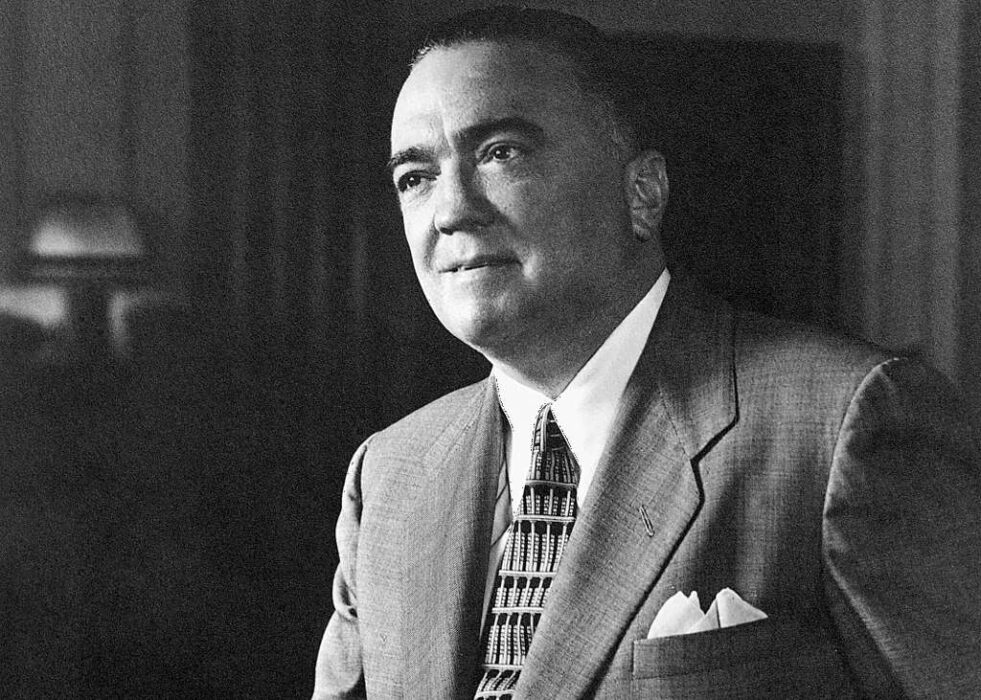
According to the Smithsonian article, the FBI under J. Edgar Hoover encouraged Americans to report anything they believed might threaten national stability. Many parents viewed this open-door invitation as an appropriate channel for dealing with their teenagers’ political shifts.
This climate made it easier for parents to see political disagreements at home as potential security threats. The letters reflect how Hoover’s messaging blurred the line between civic vigilance and personal anxiety within families.
3. The FBI Saw Youth Culture as a Potential Security Concern
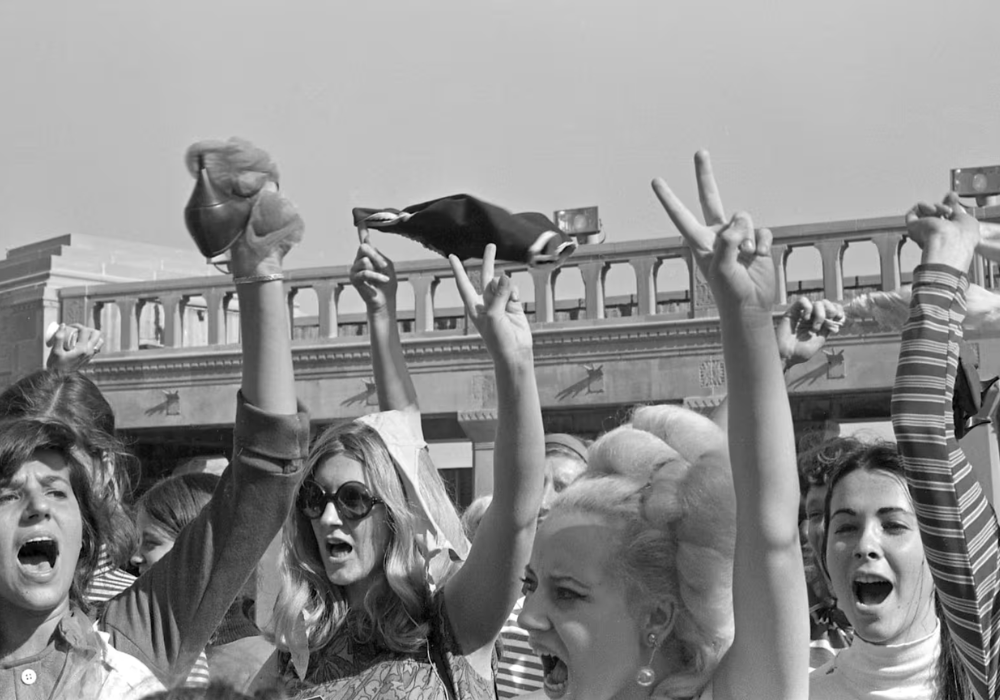
During the 1960s, the FBI grew increasingly focused on young people who challenged social norms. Teen involvement in civil rights marches, anti-war protests, and counterculture communities was monitored by federal agents who feared these movements could destabilize traditional American society.
Parents’ reports fit neatly into these concerns. Many letters described ordinary teenage rebellion in terms that echoed federal fears about subversion, showing how larger political anxieties filtered into private homes.
4. Letters Often Reflected Anxiety About Social Changes
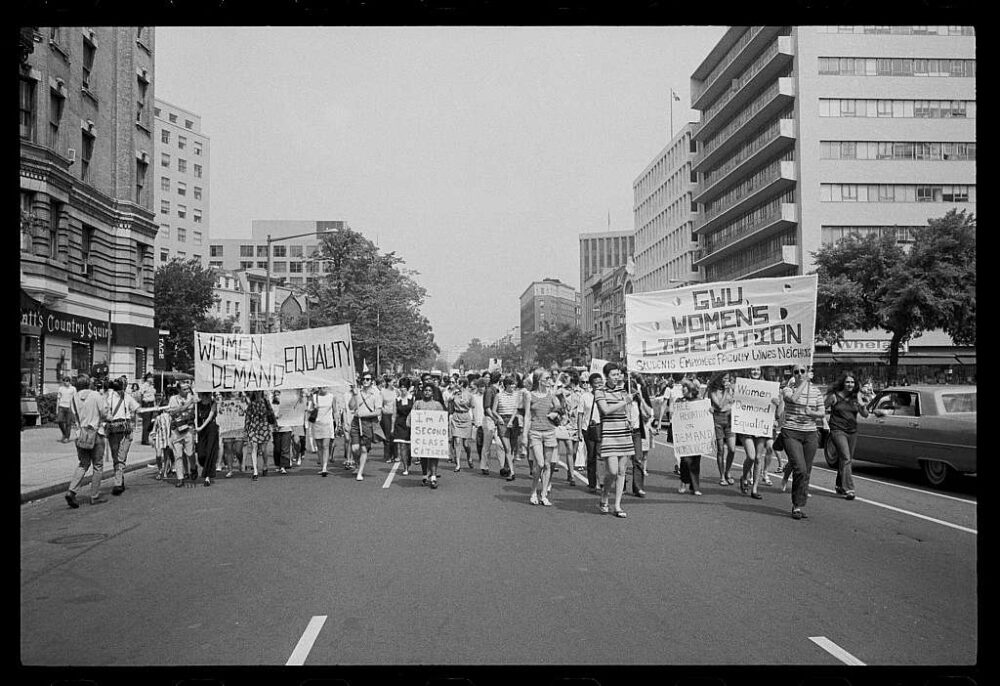
Parents who wrote to the FBI expressed confusion or fear about the rapidly changing culture: new music, shifting morals, and political protests. Many said they did not understand their children’s behavior and hoped federal agents could explain what was happening to young people nationwide.
These reactions highlight how unfamiliar and disruptive the era’s youth movements felt to older generations. The letters reveal families struggling to navigate a cultural transformation they saw as unprecedented.
5. Some Parents Asked the FBI to Intervene Directly
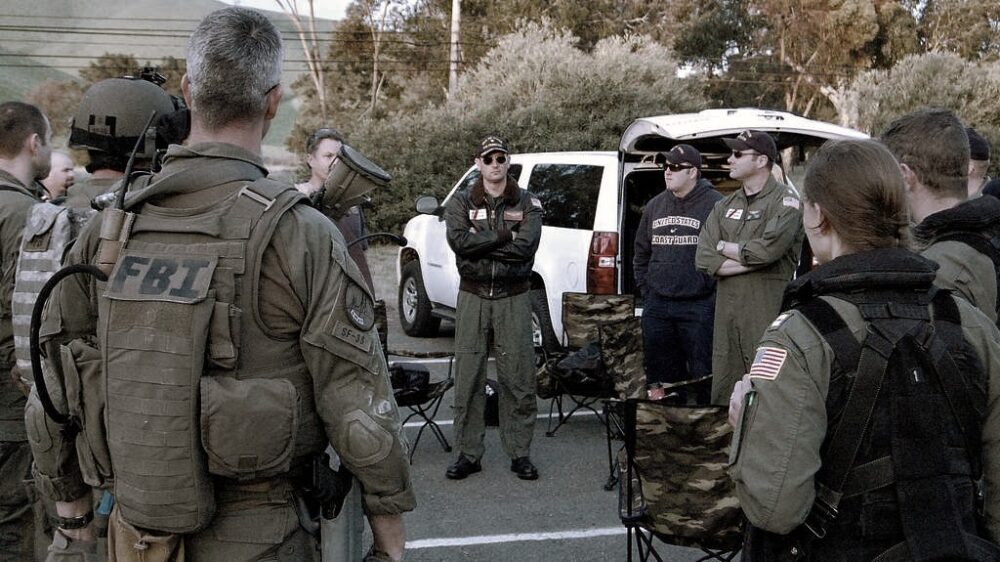
In several cases, parents asked agents to speak with their children or investigate them more closely. They believed federal authority might “correct” their teens’ attitudes or discourage involvement in protests. Some even asked whether their children were associating with dangerous individuals.
The FBI rarely intervened directly in family matters, but the files show agents sometimes responded with polite, formal letters acknowledging the concerns. These exchanges illustrate how fully some families trusted the bureau.
6. The FBI Added Parent Letters to Broader Domestic Surveillance Efforts
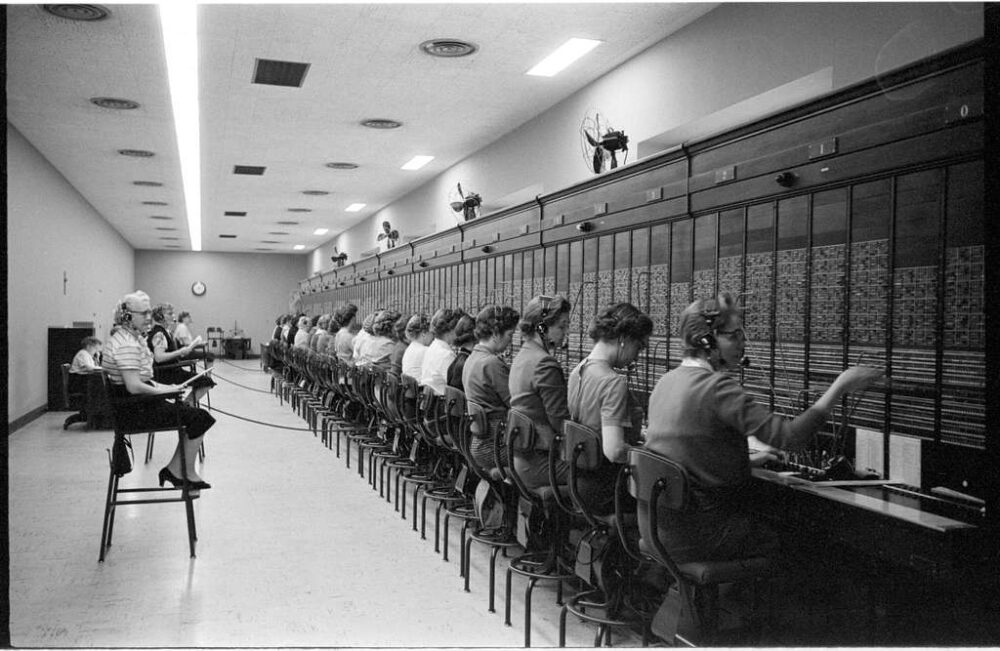
The 1960s were marked by extensive surveillance of political groups, including civil rights organizations, student activists, and anti-war coalitions. Parent letters were often filed alongside other domestic intelligence materials, even when the concerns described were ordinary family disputes.
This archival placement shows how everyday family life occasionally intersected with larger federal monitoring systems. While not all letters led to investigations, they still became part of FBI intelligence records.
7. Many Parents Linked Teen Rebellion to Subversive Ideologies

Parents often used language similar to FBI rhetoric, describing their teens as “brainwashed,” “misled,” or “influenced by radicals.” Some feared communism or outside agitators were targeting young people, reflecting Cold War anxieties that shaped perceptions of teenage behavior.
These worries reveal how political messaging of the era filtered into households, shaping how parents understood typical youth independence. The letters show a blending of domestic emotions and geopolitical fears.
8. Some Parents Expressed Concern About Drugs and Counterculture
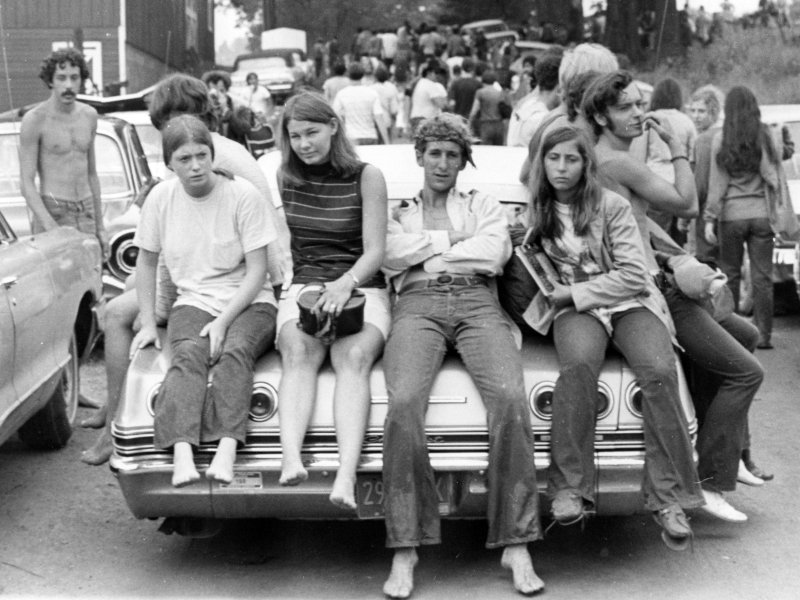
The Smithsonian article notes that several letters referenced fears about drugs, hitchhiking, and counterculture communities. Parents worried their children were being drawn into dangerous lifestyles associated with the era’s youth movements.
Although these concerns were not always tied to political activity, parents still reached out to the FBI, believing the bureau could help them understand or intervene. This underscores the broad trust some families placed in federal authority.
9. The Files Reveal Tension Between Youth Freedom and Parental Control

Teenagers in the 1960s pushed for autonomy in ways that felt threatening to many parents. Music, fashion, and political protests created a generation gap that was deeper than in previous decades. The letters capture raw parental fears that their children were slipping away culturally and ideologically.
Historians view these letters as valuable evidence of how families negotiated these tensions. They illustrate a moment when political change reshaped everyday family relationships.
10. The FBI’s Responses Were Often Polite but Noncommittal
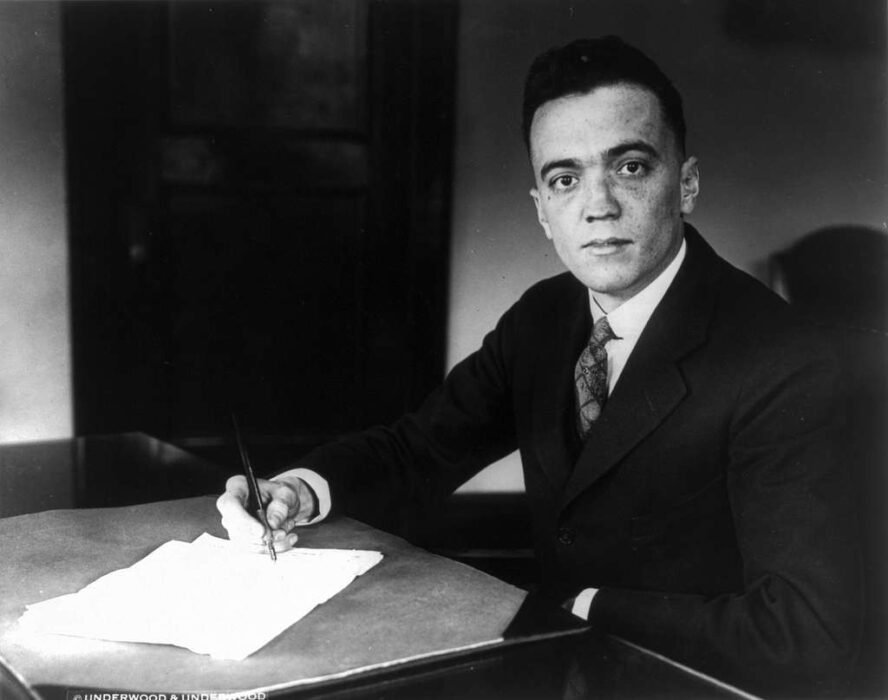
Agents typically replied with formal, carefully worded letters that acknowledged parents’ concerns but offered little direct help. The FBI was cautious about becoming too involved in domestic disputes, especially when no crime was alleged.
Nevertheless, parents’ correspondence remained in bureau files, preserved as part of the archive. These polite exchanges highlight the distance between what parents wanted and what the FBI was willing to do.
11. The Declassified Letters Offer a New View Into the 1960s

The newly available files provide historians with rare firsthand accounts of how ordinary families experienced the cultural upheavals of the 1960s. They reveal an unexpected level of collaboration between some parents and federal agents, driven by fear and uncertainty.
These documents add nuance to our understanding of the decade, showing how political surveillance extended into family life. Rather than focusing only on prominent activists, the files capture everyday struggles inside American homes.