
Record rains turned one of the world’s driest places into a temporary ancient lake.
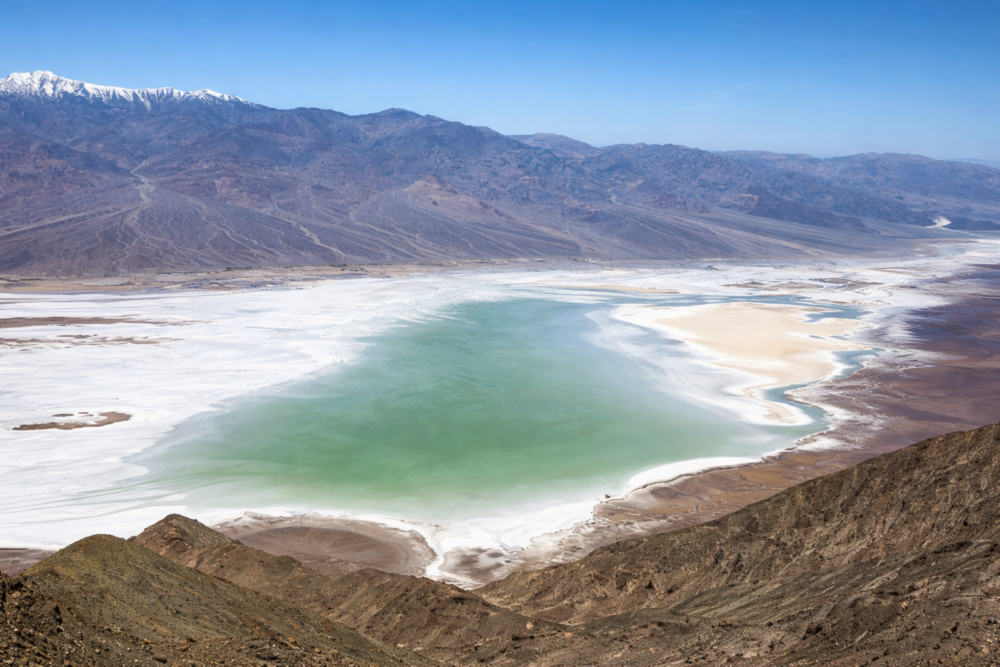
Some places seem permanently locked into extremes, and Death Valley is one of them. Famous for scorching heat and near-constant dryness, it rarely sees enough rain to leave standing water. That’s why scientists were stunned when record-breaking storms flooded the valley floor and briefly revived an ancient lake that last existed during the Ice Age. The reappearance of this prehistoric body of water, known as Lake Manly, offered a rare, fleeting look at Death Valley’s distant past and underscored just how unusual recent weather conditions have been.
1. Record Rainfall Overwhelmed One of the Driest Places on Earth

Death Valley normally receives less than two inches of rain in an entire year, so the volume of recent rainfall was extraordinary. Multiple powerful storms delivered months’ worth of precipitation in a relatively short period, saturating the desert landscape.
Scientists cited in the article say this rare combination of storm intensity and duration allowed water to collect instead of evaporating quickly. Once the basin filled beyond a critical point, widespread flooding became unavoidable, setting the stage for the lake’s sudden return.
2. Water Pooled in Badwater Basin, the Lowest Point in North America

The flooding concentrated in Badwater Basin, which sits more than 280 feet below sea level. This low elevation makes it a natural collection point whenever significant rainfall occurs in the surrounding mountains.
Researchers explain that gravity funneled runoff directly into the basin, where the flat terrain allowed water to spread outward. The same geological features that shaped the ancient lake thousands of years ago guided the modern flooding almost exactly.
3. The Reappearing Lake Is Known as Ice Age Lake Manly
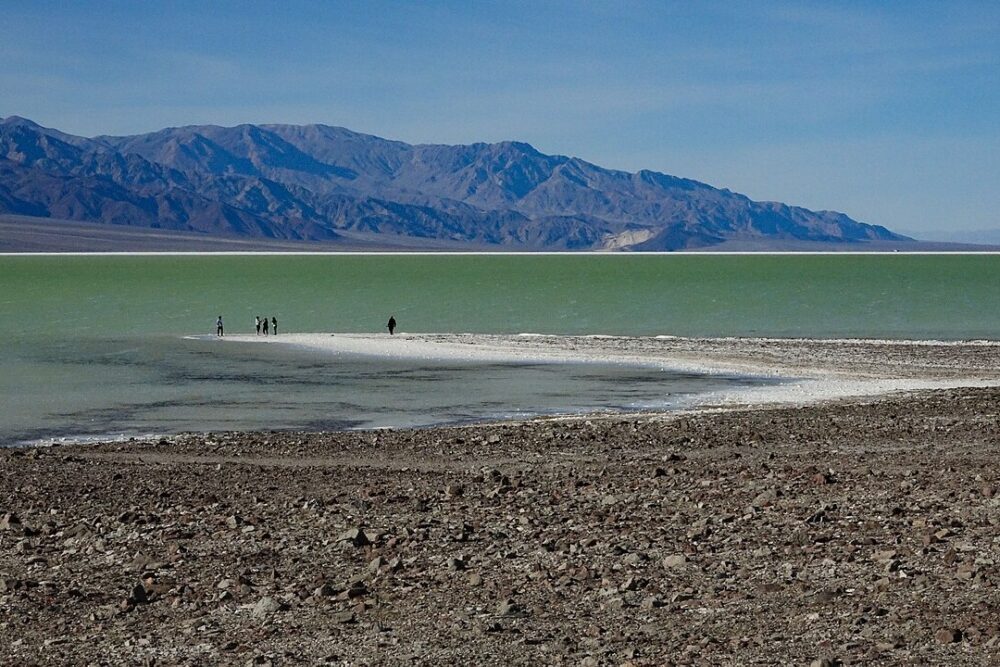
The temporary lake that returned is a modern echo of Lake Manly, a massive freshwater lake that existed during the Pleistocene Epoch. At its peak, Lake Manly stretched for nearly 100 miles.
Scientists note that the Ice Age climate was cooler and wetter, which allowed such lakes to persist. Today’s version is far smaller and short-lived, but it occupies the same footprint, making it a striking reminder of Death Valley’s dramatically different past.
4. Ice Age Conditions Made Permanent Lakes Possible Here
During the last Ice Age, global temperatures were lower and evaporation rates were reduced. Increased rainfall and snowmelt from nearby mountain ranges continuously replenished lakes across the region.
According to researchers, those conditions allowed Lake Manly to remain stable for thousands of years. As the climate warmed and dried, the lake gradually evaporated, leaving behind the salt flats that now define Death Valley’s landscape.
5. The Valley Floor Changed Almost Overnight
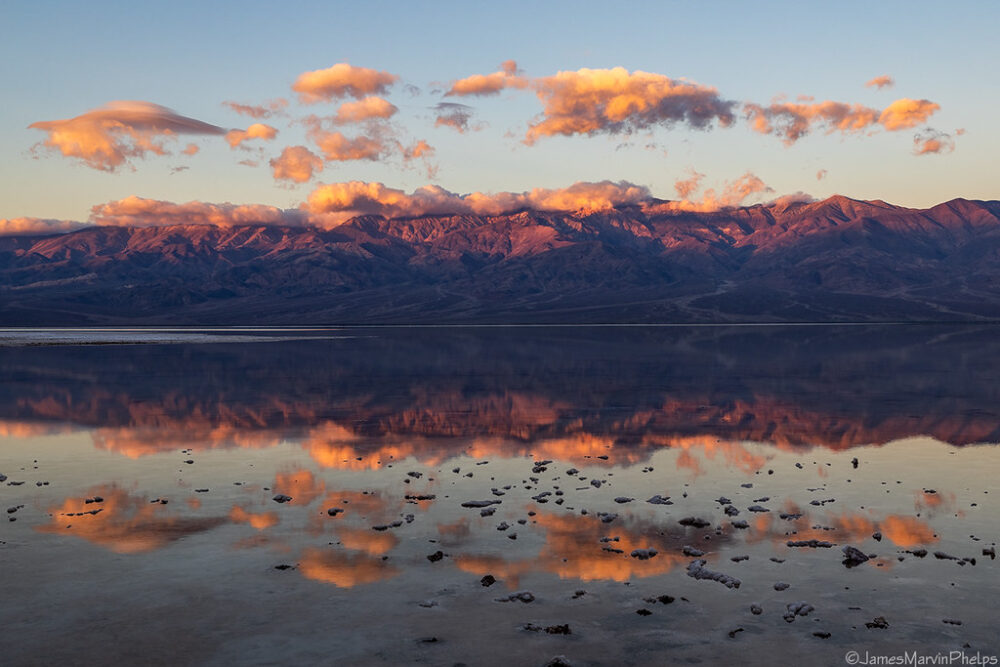
What is usually a blinding expanse of white salt suddenly transformed into a reflective body of water stretching for miles. Visitors described mirror-like reflections rarely seen in the park.
Scientists explain that the valley’s flatness allowed water to spread rapidly once flooding began. The dramatic visual shift highlights how quickly desert environments can change when rare climatic thresholds are crossed.
6. Continued Storms Allowed the Lake to Persist Longer
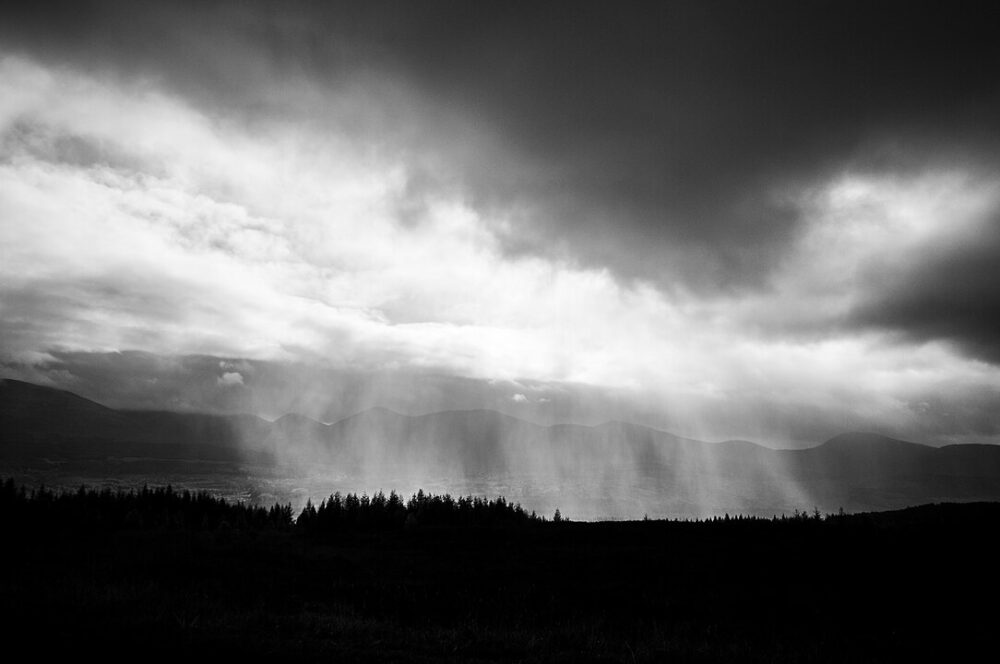
Unlike brief flash floods that disappear in days, this lake continued to grow as additional storms added more water. Each new system delayed evaporation and extended the lake’s lifespan.
Researchers monitoring the area observed rising water levels over weeks rather than hours. That persistence made the event scientifically valuable, providing more time to study water movement and evaporation in extreme desert conditions.
7. Scientists Emphasize the Lake Is Temporary

Despite its impressive size, experts stress that the lake will not last. Death Valley’s intense heat and arid air ensure evaporation will eventually reclaim the basin.
According to the article, similar lakes have appeared briefly in the past before vanishing again. This event is remarkable, but it does not indicate a permanent shift in the region’s climate.
8. Rare Flooding Events Have Occurred Before
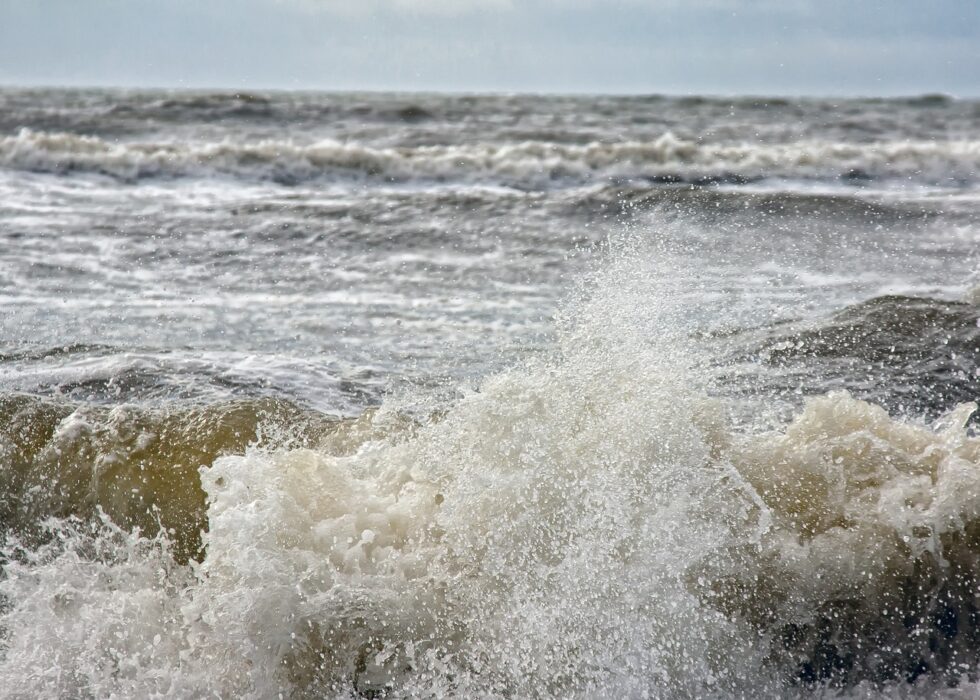
Geological evidence and historical records show that Death Valley has flooded on rare occasions, including smaller events in 2005 and 2019. None, however, matched the scale of this reappearance.
Scientists explain that such flooding requires a precise mix of storm timing, intensity, and duration. That rarity is what makes this event both scientifically important and visually extraordinary.
9. The Lake Offers a Living Model of the Ancient Past
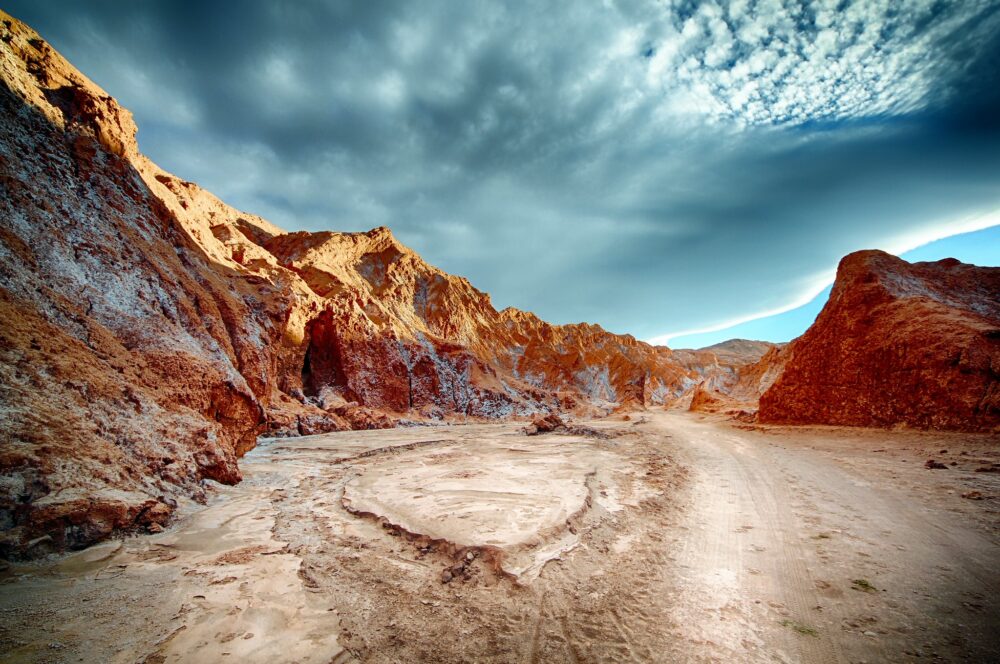
Seeing water behave as it once did during the Ice Age allows scientists to test long-standing theories about Death Valley’s history. Modern observations help validate geological models.
Researchers say even temporary lakes provide insight into sediment movement, evaporation rates, and basin dynamics. These real-world observations strengthen understanding of how ancient desert landscapes once functioned.
10. Wildlife and Microbial Life Responded Rapidly

Temporary water sources can trigger surprisingly fast biological responses. Scientists note that microorganisms often emerge quickly when water appears in desert environments.
Birds and insects may also take advantage of these fleeting conditions. While large ecosystems will not develop, these short-term responses show how life in extreme environments remains poised to react when conditions briefly improve.
11. The Lake’s Disappearance Will Be as Natural as Its Return
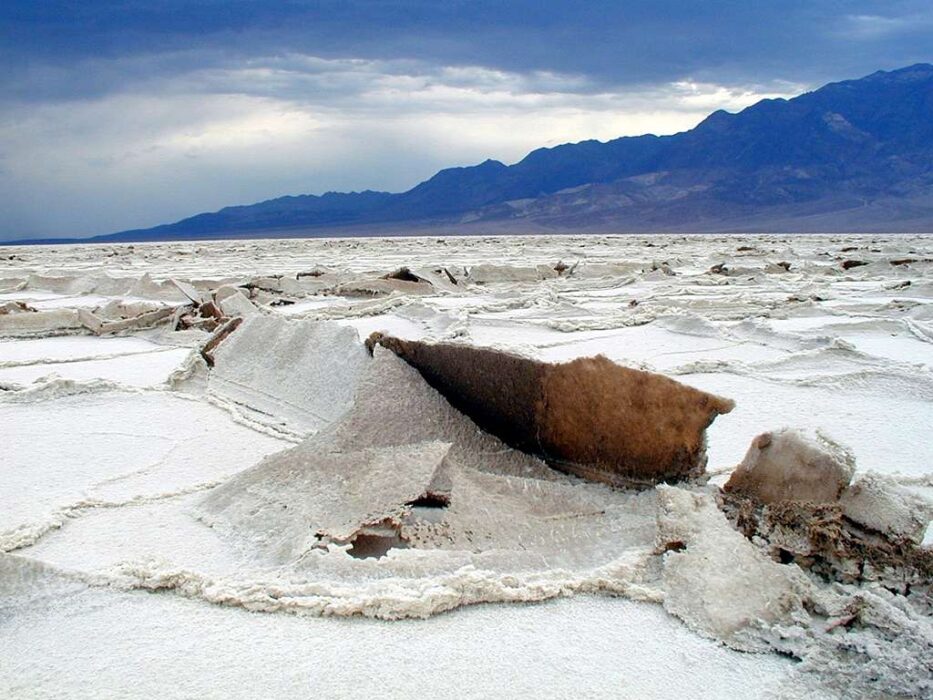
As temperatures rise and storms subside, evaporation will slowly shrink the lake until it vanishes completely. Scientists say this final stage is just as important to observe as the flooding itself.
The lake’s full life cycle, from formation to disappearance, mirrors the processes that ended Lake Manly thousands of years ago. Its brief return serves as a powerful reminder of how dynamic even the most extreme landscapes can be.