
Forecasters warn of worsening surf and coastal flooding in U.S. as Humberto pulls Imelda out to sea, with Bermuda in the crosshairs.
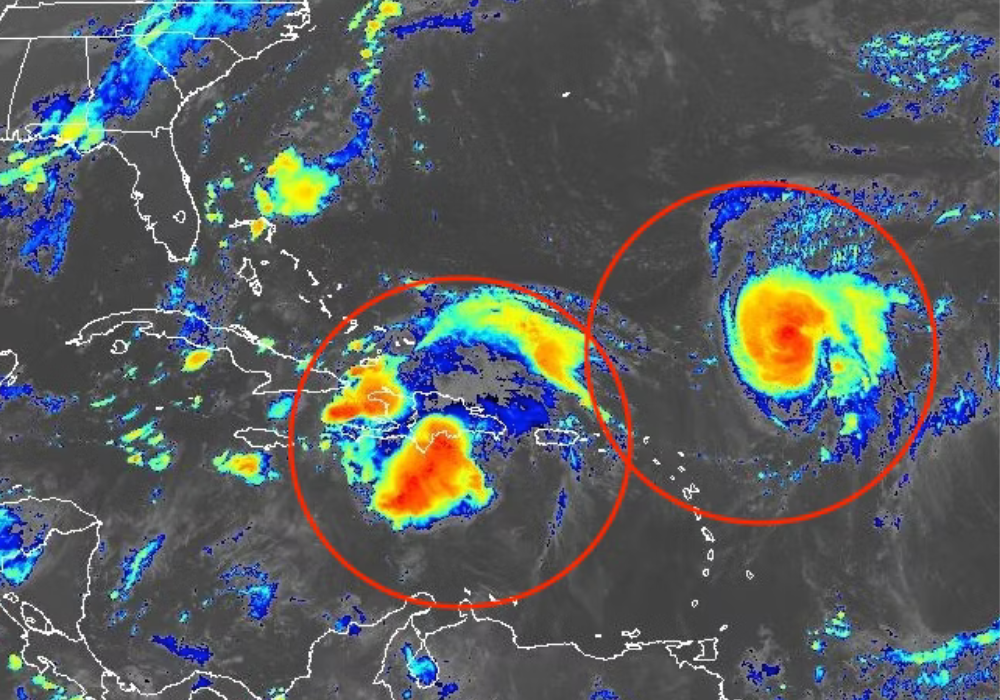
As Tropical Storm Imelda strengthens into a hurricane and rolls away from the U.S. East Coast, it’s already whipping up dangerous surf, coastal flooding, and strong rip currents from Florida through the Carolinas. Meanwhile, Hurricane Humberto looms as a formidable back-to-back threat — it recently peaked as a rare Category 5 and is now expected to pass west of Bermuda as a powerful Category 4. Even though Imelda’s center may stay offshore, its wide reach means coastal areas could still see heavy rain, flooding, and rough seas this week.
1. Imelda Whips Up Dangerous Surf Along U.S. Shores

Imelda’s approach toward the Atlantic brought high surf, rip currents, and coastal flooding from Florida through the Carolinas. Even though the storm’s center remained offshore, its broad circulation pushed water inland, raising risks for beachgoers and coastal towns.
Forecasters warned that these conditions could persist for days. The threat wasn’t limited to landfall but to Imelda’s ability to stir up seas over long distances. For communities already vulnerable to erosion, the pounding waves created both safety hazards and costly damage concerns.
2. Flooding Threat Expands Beyond the Coast
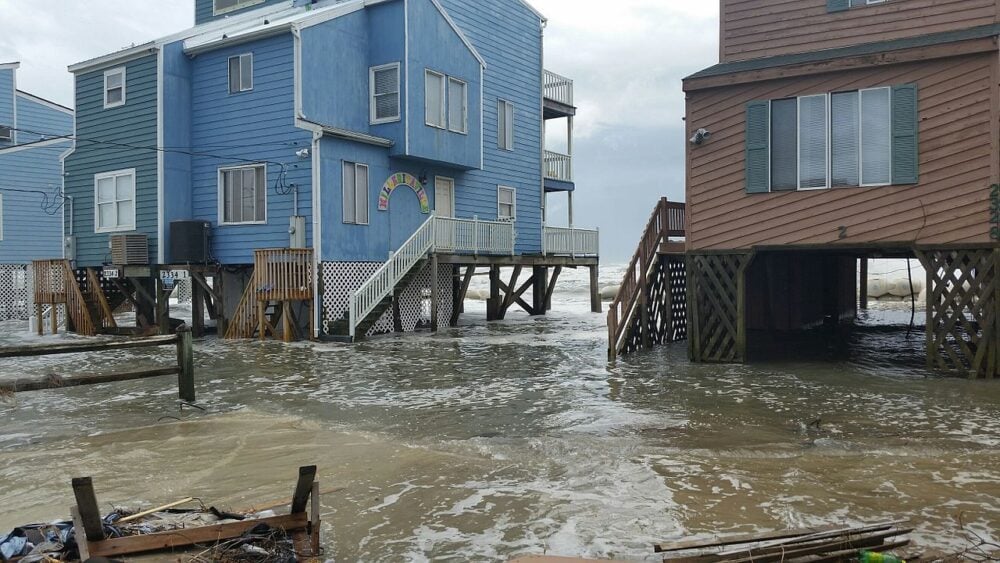
Imelda’s heavy rains added to the risks of coastal flooding. Low-lying neighborhoods, rivers, and tidal creeks in several southeastern states were at risk of overflowing as the storm churned nearby. Even inland areas felt the effects of torrential downpours.
These flooding events may not grab headlines like wind damage, but they often leave behind long-lasting impacts. Waterlogged roads, damaged infrastructure, and displaced residents reminded communities that flooding is often the most destructive part of tropical systems.
3. Humberto Peaks as a Rare Category 5 Storm
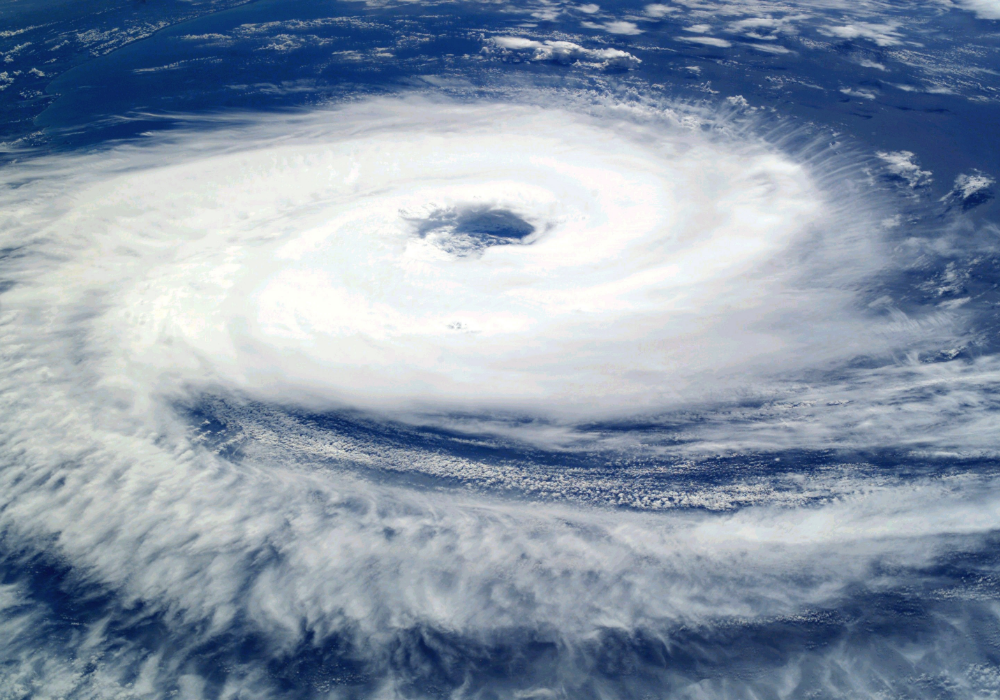
While Imelda stirred trouble along U.S. shores, Humberto grew into one of the Atlantic’s most powerful storms this season. At its peak, it reached Category 5 strength, producing catastrophic winds far out at sea.
Even though it has since weakened slightly, Humberto’s power underscored how quickly conditions can escalate. Category 5 storms are rare and represent the upper end of hurricane intensity, capable of flattening communities if they make landfall.
4. Bermuda Faces Back-to-Back Storms
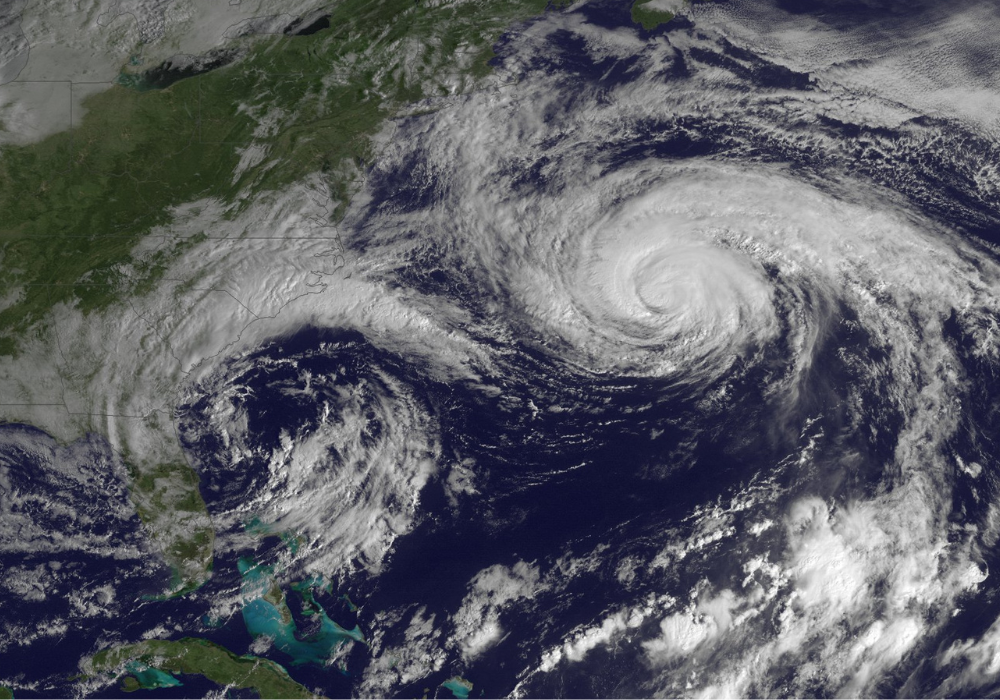
Bermuda found itself in a dangerous position as both Imelda and Humberto tracked nearby. Forecasts showed Humberto likely passing just west of the island as a powerful Category 4 hurricane. Even without a direct hit, the island braced for fierce winds and flooding.
For residents, back-to-back threats meant little time to recover or prepare between storms. Emergency officials stressed readiness, warning that Bermuda’s location leaves it vulnerable when storms cluster close together.
5. Dangerous Rip Currents Threaten Swimmers
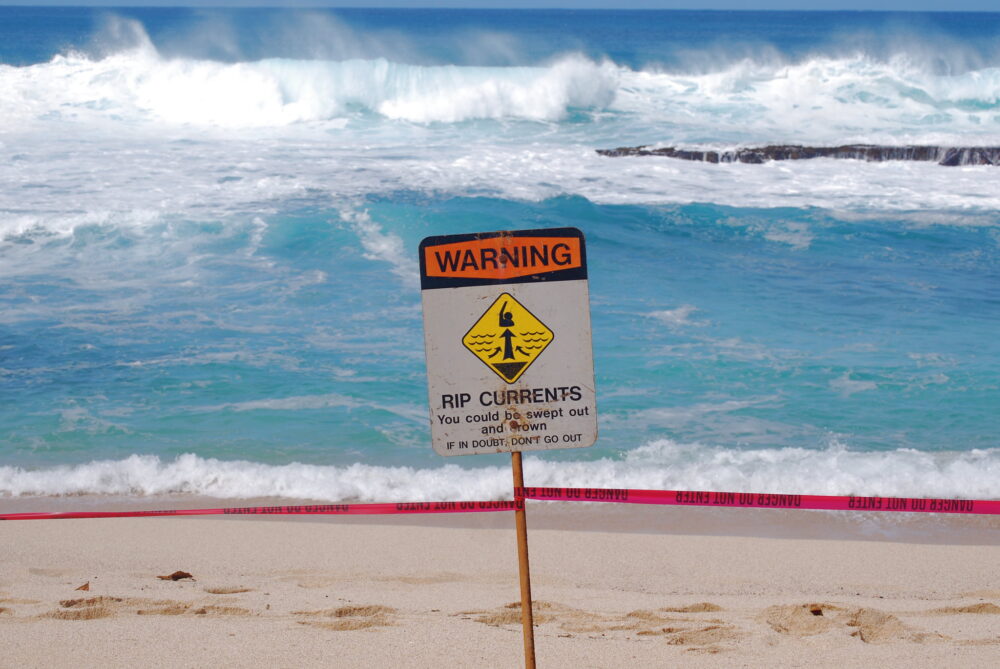
Imelda’s wide reach generated treacherous rip currents along the U.S. East Coast. Lifeguards raised red flags, urging swimmers and surfers to stay out of the water. These invisible currents are often underestimated but can drag even strong swimmers far from shore.
Officials warned that rip currents would remain hazardous for days, even after the storm moved farther offshore. The prolonged threat served as a reminder that tropical storms don’t need to make landfall to endanger lives.
6. Climate Conditions May Be Fueling Intensity

Meteorologists pointed out that record-warm Atlantic waters have created fertile conditions for storms like Imelda and Humberto to strengthen. Warmer seas provide more fuel, helping hurricanes intensify rapidly and maintain strength longer.
While no single storm can be blamed entirely on climate change, the broader pattern of warmer oceans and more extreme weather raises concerns. These trends suggest that communities will face stronger and more unpredictable storms in the years ahead.
7. Double Storms Mean Compounding Impacts

Having two strong systems in close succession increased the strain on coastal regions. While Imelda flooded U.S. coastlines, Humberto’s approach meant resources and emergency attention had to be divided.
Compounding storms also raise insurance and recovery costs, stretching communities thin. This “one-two punch” has become more common in active hurricane seasons, leaving officials scrambling to manage overlapping crises.
8. Shipping and Air Travel Face Disruptions
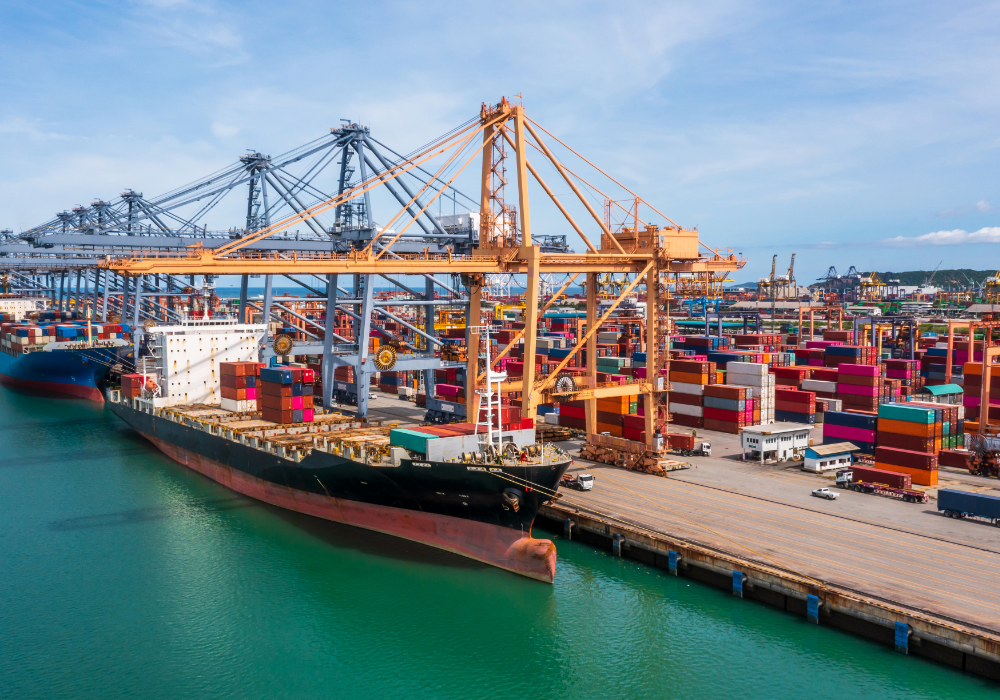
Imelda and Humberto both disrupted maritime and air travel. Cargo ships rerouted to avoid dangerous seas, while airlines warned of delays and cancellations in storm-affected regions. These disruptions ripple through supply chains.
Even areas not directly in the storms’ paths felt the consequences, with delayed goods and uncertain schedules. The economic cost of hurricanes often extends far beyond the areas hit hardest by wind and rain.
9. Emergency Officials Urge Caution

Local and national officials repeatedly urged people not to underestimate the storms. They emphasized that flooding, storm surge, and rip currents pose just as much risk as hurricane-force winds.
Preparedness messages included stocking supplies, avoiding unnecessary travel, and staying away from beaches. The goal was to keep people safe from secondary hazards that often claim more lives than the storms themselves.
10. A Reminder of the Season’s Dangers
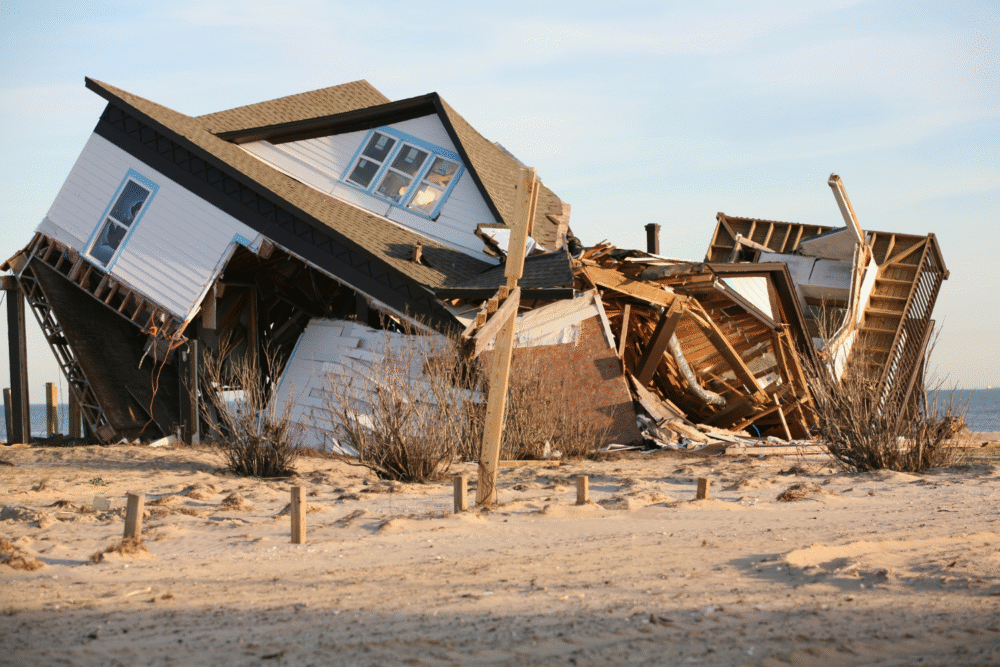
The back-to-back threats of Imelda and Humberto reminded coastal communities of the ongoing dangers during peak hurricane season. With several weeks left, meteorologists warned more storms could still form.
The 2025 Atlantic season has already shown how quickly conditions can change. Residents along vulnerable coastlines were urged to stay alert, prepare early, and follow official forecasts. For many, the double storm threat reinforced the lesson that readiness is the best defense.