
What recent policy changes mean for Americans planning trips abroad.
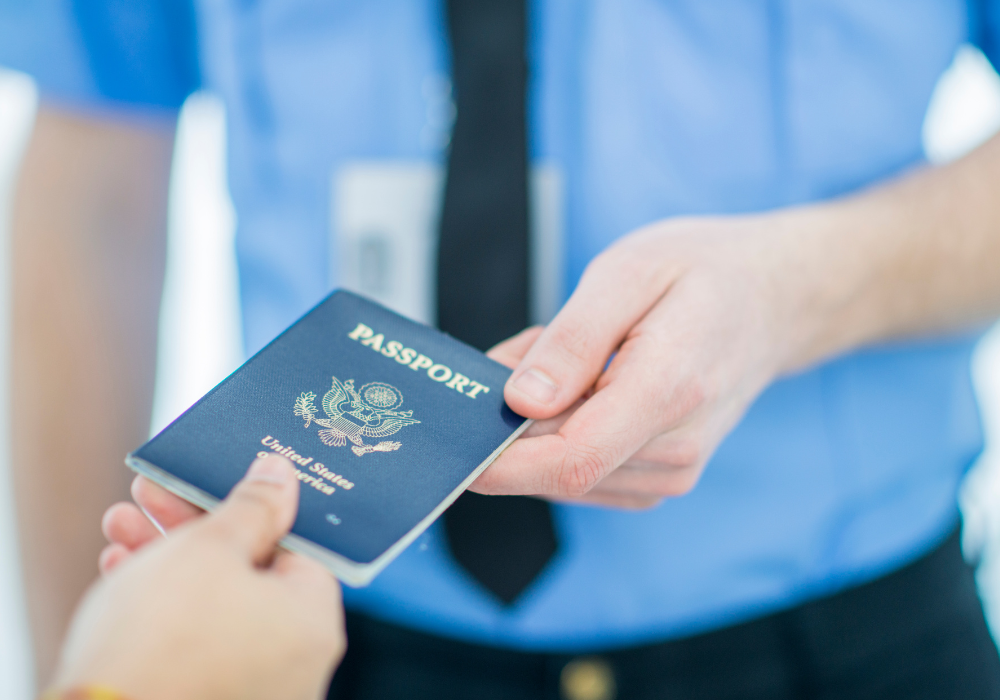
Americans are used to thinking, “If my passport is valid, I’m good.” But travel rules are getting fussier: some countries are ending visa-free entry for U.S. visitors, others are adding e-visas, and a few now require pre-travel authorization even for short stays.
Two clear examples are Brazil, which reinstated visitor visas for U.S. citizens starting April 10, 2025, and Namibia, which began requiring U.S. tourists to obtain a visa before entry as of April 1, 2025.
Meanwhile, the European Commission says ETIAS is expected in late 2026. If you travel on a U.S. passport, here’s how to spot real changes, avoid scams, and plan ahead.
1. What “Canceling Visas” Usually Means in Real Life

“Canceling visas” usually means this: a country that once let Americans enter visa-free now requires extra permission—an e-visa, a visa sticker from a consulate, or a paid travel authorization.
That change rarely affects travelers already inside the country, but it can affect your next trip fast. Airlines can deny boarding if you don’t have the right approval in advance. So the real story isn’t panic—it’s paperwork: knowing what changed, for whom, and when, before you click “book.”
2. Brazil Brought Visas Back for Americans

Brazil ended its recent visa-free period for U.S. tourists and reinstated visitor visas for Americans starting April 10, 2025, citing reciprocity.
The good news is it’s designed to be manageable: Americans can apply for an electronic visitor visa rather than mailing in a passport for a traditional paper visa. The bad news is simple—no approval, no trip. Fees and processing times can vary, so don’t leave this for the week you fly. Save the approval offline, too.
3. Namibia Now Requires a Visa Before Arrival

Namibia is another clear example. As of April 1, 2025, U.S. citizen tourists must obtain a visa prior to entering, according to the U.S. State Department’s country information page.
Namibia offers an online system that functions as a visa-on-arrival pre-approval portal, which is easier than a consulate visit—but you still need to do it ahead of time. If you’re doing safaris or connecting flights, build buffer days, because a missing visa can cascade into missed lodges and nonrefundable transfers.
4. The UK “ETA” Isn’t a Visa, But It Changes the Experience

Not every change is a “visa,” and that’s where travelers get tripped up. The UK now requires U.S. visitors (and even many transiting passengers) to obtain an Electronic Travel Authorization (ETA) for short trips.
It’s more like America’s ESTA than a traditional visa: you apply online, pay a fee, and the approval is linked to your passport. But the consequence is the same—no ETA can mean no boarding. If your itinerary touches a UK airport, check this early, not at the gate.
5. Europe’s Next Step Is ETIAS, and the Timeline Matters

Europe’s next big shift is ETIAS—a travel authorization planned for visa-free visitors to many Schengen-area countries.
The European Commission’s timeline says the Entry/Exit System is expected to start in October 2025, and ETIAS is expected to follow in the last quarter of 2026. That means 2025 and much of 2026 may look “normal,” then flip quickly once ETIAS goes live. Until it’s operational, you won’t be able to apply, so beware look-alike sites. Expect more border screening, not less.
6. The Scam-Proof Way to Handle Any New “Visa” Requirement

Before you pay for any “visa,” pause. Many destinations now use e-visas or travel authorizations, and scammers know travelers are anxious—especially around new systems like the UK’s ETA or Europe’s upcoming permits.
Start with an official government travel page, then use only the portal it sends you to. If a site promises “instant approval,” charges surprise fees, or acts like a paid middleman, back out.
Watch timelines, too: the European Commission says ETIAS is expected in the last quarter of 2026, so applications shouldn’t be open long before that. Use only official portals, and when in doubt, don’t pay.
7. Don’t Let Passport Fine Print Ruin a “Perfect” Visa Approval

Even when a country doesn’t “cancel” visa-free entry, it can tighten the fine print. One of the most common surprises is passport validity: many countries want six months of validity beyond your trip and blank pages for stamps.
That’s not new, but it matters more when you’re also adding e-visas and authorizations. If you’re within a year of expiration, renew early. A perfect visa approval won’t help if your passport fails a basic entry rule at the airline counter.
8. Reciprocity Is Often the Quiet Engine Behind These Changes

Why do these changes happen? Sometimes it’s security and digital border upgrades, but often it’s reciprocity—“you require visas from us, so we’ll require visas from you.”
That’s the logic Brazil has cited publicly. For travelers, the takeaway is practical: visa policy can change even when tourism is booming. A country might switch from visa-free to e-visa with little notice, especially when relations or border tech changes. Treat entry rules like weather—check them right before you go.
9. Timing Mistakes Are the #1 Way People Lose Trips
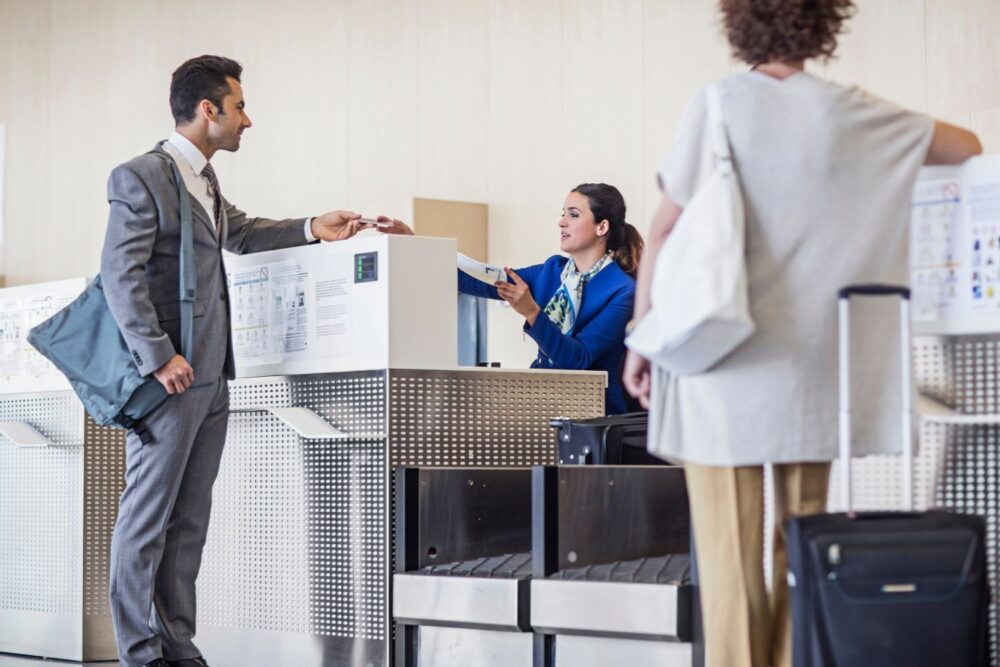
Timing is where people get burned. E-visas and authorizations can take days, and holidays or document issues can stretch that.
Build a simple rule: apply as soon as you book flights, then re-check requirements again a week before departure. Keep digital and printed confirmations. Also confirm what you must upload—some systems reject blurry passport photos or selfies. Make sure your name matches your passport exactly, down to hyphens. If you’re traveling with kids, verify whether each traveler needs their own approval.
10. Transit Stops Can Create “Hidden” Requirements

If your trip involves multiple countries, remember the strictest link can break the chain. A single transit airport can impose its own authorization rules, and airlines enforce them because they’re fined for transporting inadmissible passengers.
Write your route down like a checklist: departing country, transit countries, destination, and return transit. Then confirm entry rules for each stop, including layovers. Screenshot key requirements in case a site is down when you’re at the airport. This one habit prevents the most painful scenario: being turned away before your vacation even starts.
11. The Simple Habit That Keeps You Out of Trouble

The bottom line: visa-free travel for Americans still exists in many places, but “easy entry” is no longer a safe assumption.
Use reliable sources, confirm effective dates, and treat visas and authorizations as basic trip essentials—right alongside your passport and travel insurance. If rules change after you book, you usually still have time to adapt if you catch it early. When in doubt, check the U.S. State Department page and the destination’s official immigration site. Do that, and these updates become annoying, not trip-ending.