
Archaeologists in Cappadocia uncover a cave depicting Jesus and St. Paul, sparking historical debate.
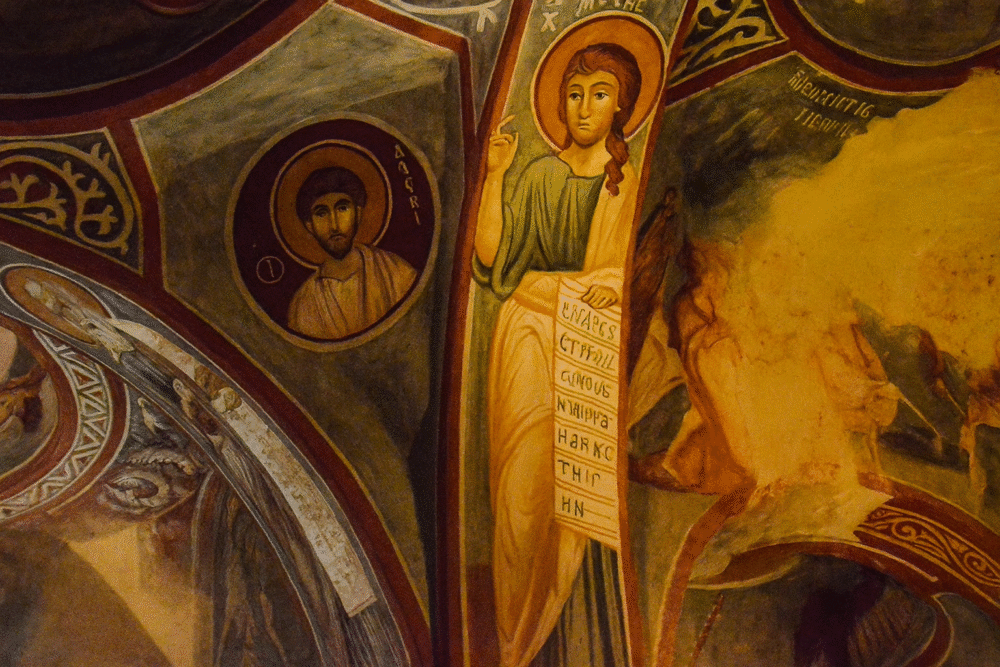
A newly restored cave near the ancient city of Syedra in southern Turkey is capturing international attention for what lies within its walls. Decorated with Byzantine-era frescoes depicting St. Paul and a possible image of Jesus Christ, the site may have served as a baptismal cave between the 5th and 7th centuries A.D. The discovery offers a vivid look at early Christian worship in Anatolia’s countryside, where faith, art, and community merged far from the grand basilicas of the empire.
1. Unearthing Syedra’s Long-Hidden Baptism Cave
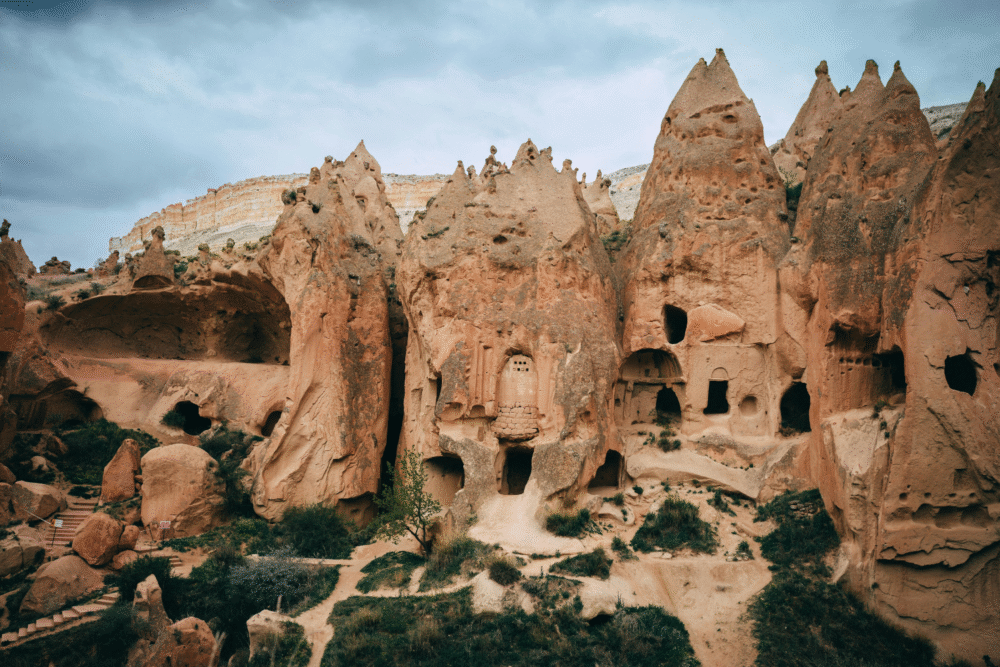
The Baptism Cave, located about 350 meters above sea level near the ancient city of Syedra, was re-examined in 2022 after its entrance was cleared of centuries of debris. Archaeologists found a naturally formed chamber reinforced by stone walls and featuring a carved baptismal basin on its eastern side.
Although the cave was known since the 1990s, recent conservation has revealed its extraordinary details. Its setting in a region already dotted with early churches shows how Christianity took firm root in rural Anatolia, adapting local landscapes into spaces of sacred devotion.
2. Frescoes That Tell an Ancient Story
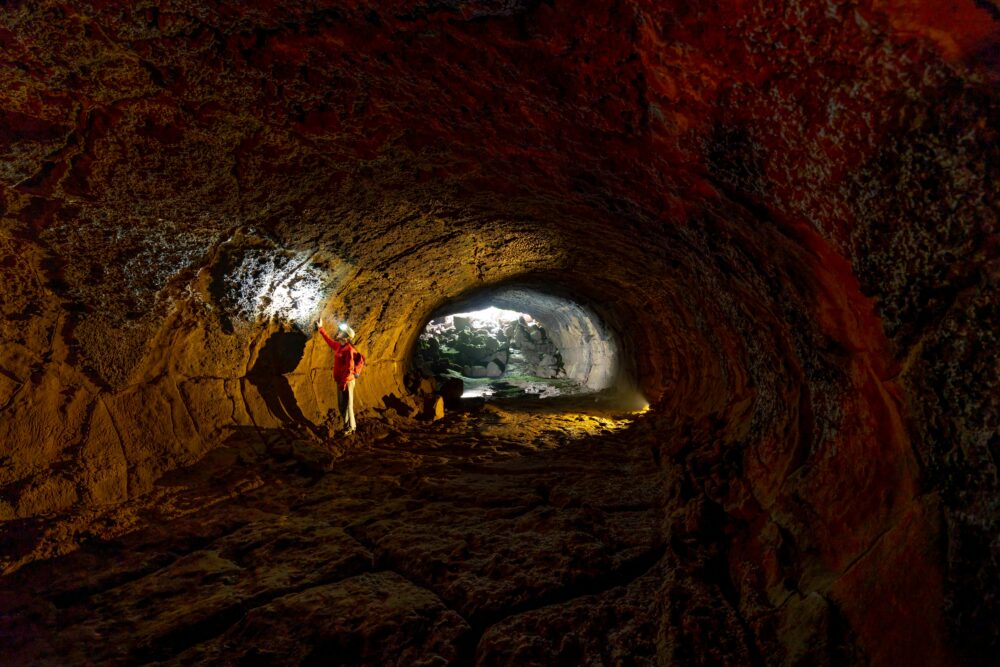
Inside, fragments of vivid frescoes still cling to the cave’s damp stone. Among the crosses adorned with floral motifs—a symbol of life and renewal in early Christian art—one scene stands out: a bearded man holding a book, identified as St. Paul. Only three such images of Paul are known in Turkey, underscoring this find’s rarity and religious value.
The paintings suggest that the community in Syedra saw itself as part of the apostolic mission that Paul carried through Asia Minor. Even in a modest cave, believers expressed profound theological ties to Christianity’s foundational era.
3. A Possible Image of Jesus Christ
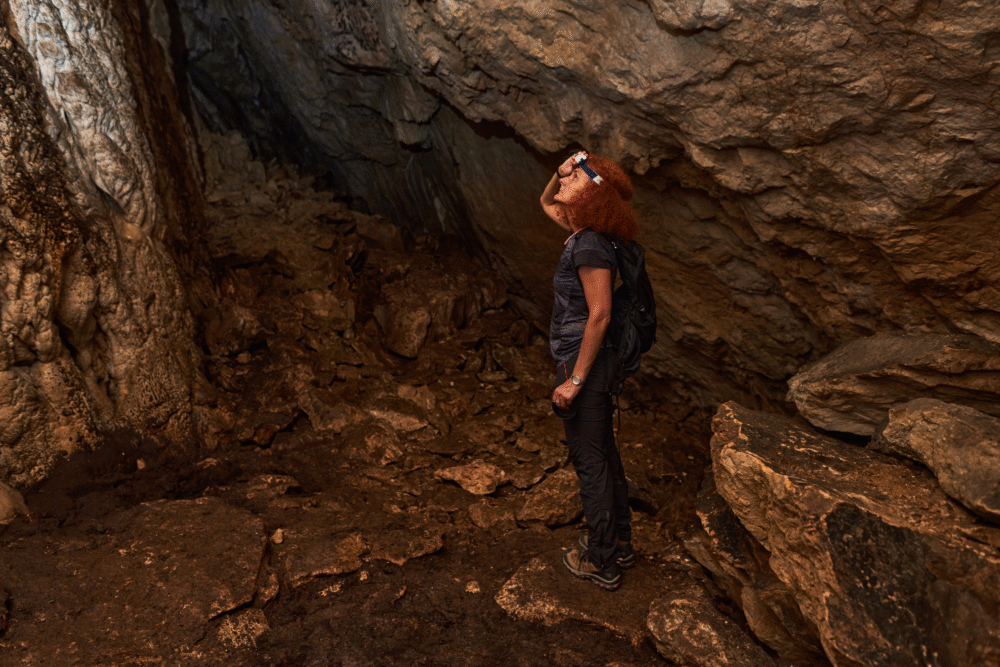
Above the St. Paul fresco sits a damaged but striking depiction of a seated figure interpreted by experts as Jesus Christ. Only the lower portion of the figure survives, yet the elevated position and remaining outlines indicate a figure of authority and reverence.
While the identification is not certain, scholars note that its placement within the baptismal context fits Christian themes of salvation and rebirth. The image adds to growing evidence that local artists in Byzantine Anatolia created distinctive portrayals of sacred figures outside major church centers.
4. Dating the Site to the Byzantine Period
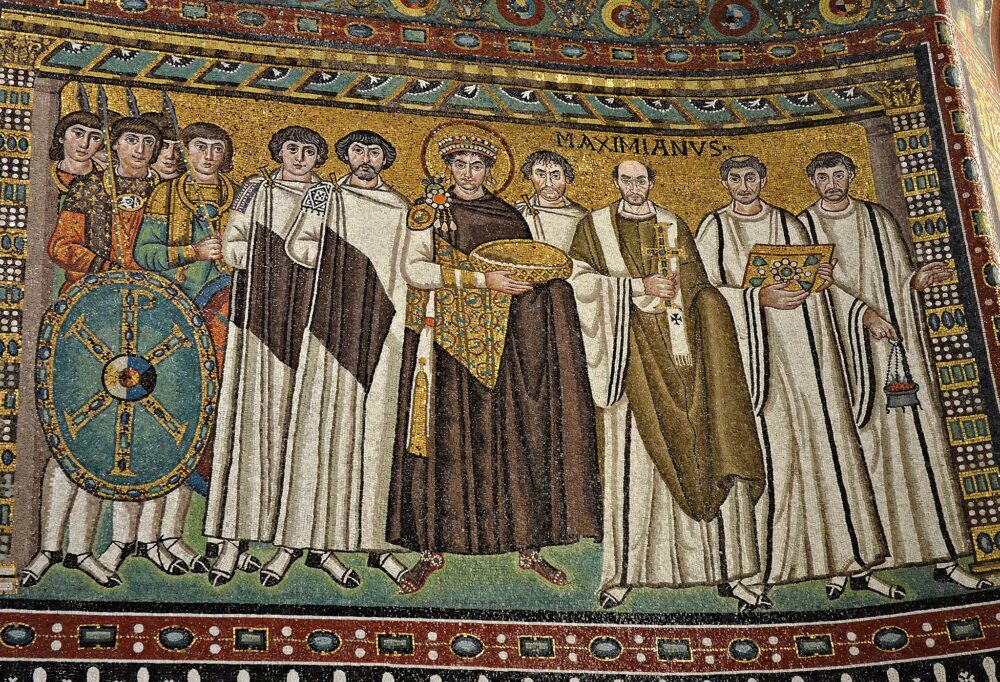
Archaeologists date the frescoes and the cave’s ritual use to between the 5th and 7th centuries A.D., a time when Christianity flourished across the Byzantine world. Inscriptions inside the cave include a dedication mentioning a man named Ioannes, who may have funded or overseen the artwork.
This timeframe situates the site within a dynamic era of church expansion and theological debate. The inscriptions personalize history, showing that even small, remote communities actively participated in shaping Christian worship and identity.
5. A Cave Built for Baptismal Rites

The carved pool and stone apse confirm the cave’s function as a baptismal site. Water once flowed naturally through the basin, symbolizing purification and spiritual rebirth. Candidates likely entered the pool as part of an initiation rite before joining the Christian community.
Using a natural cave for such ceremonies reflects a transitional phase in early worship, when faith was practiced in both humble and monumental settings. The environment itself—dark, enclosed, and echoing—would have heightened the emotional power of baptism.
6. Symbolic Links to the Teachings of Jesus
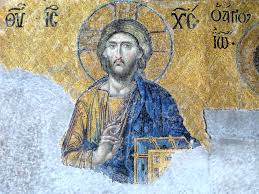
No direct artifacts tie the cave to the historical Jesus, yet its art and layout clearly honor his teachings. The frescoes act as visual scripture, reminding worshippers of his message of renewal and redemption.
By integrating nature, art, and ritual, the cave mirrors how believers in the Byzantine countryside lived their faith in practical, deeply personal ways. It represents a local expression of devotion that kept Jesus’s legacy alive long after the apostolic age.
7. St. Paul’s Image and the Reach of Early Missions
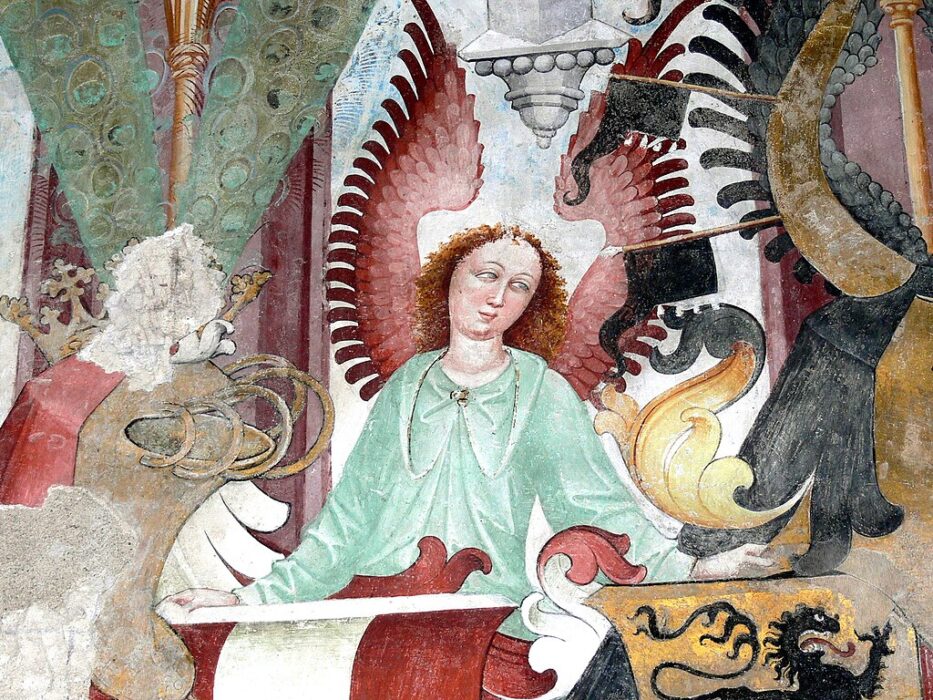
The fresco of St. Paul—book in hand, positioned prominently within the cave—underscores his enduring influence in Anatolia. Scholars note that such portrayals often appeared in places connected to his missionary journeys or their spiritual descendants.
Its presence suggests Syedra’s community viewed Paul as both model and messenger. The painting stands as rare visual proof of how early Christians linked themselves to apostolic tradition, reinforcing faith networks that spread far beyond the great urban centers of the Byzantine world.
8. Protecting a Fragile Masterpiece
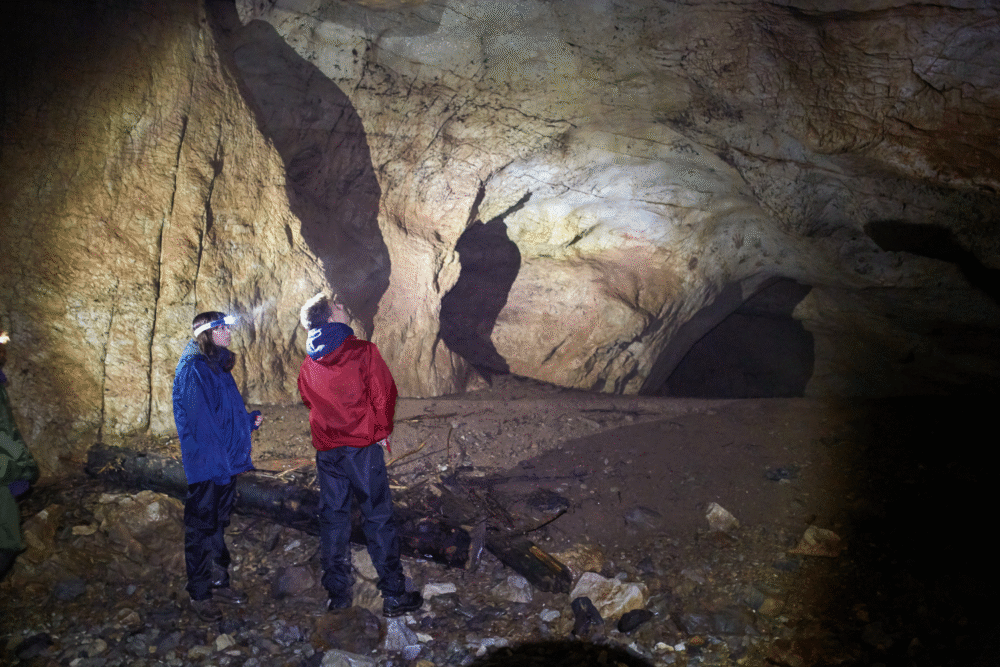
Conservation teams are working carefully to stabilize and preserve the cave’s murals. Specialists are employing advanced imaging and pigment analysis to document the frescoes without damaging them. Access remains restricted until the restoration is complete and security systems are installed.
The goal is to balance public tourism with scientific preservation. By using modern technology, conservators hope to recover more details from the faded surfaces and ensure the site endures as both a cultural treasure and a window into early Christian life.
9. A Discovery That Sparks Debate

The cave’s reopening has fueled debate among historians and theologians about how to interpret its significance. Some scholars see it as evidence of early Christian evangelism in rural Asia Minor, while others caution against linking it too closely to specific biblical figures.
Such discussions highlight the evolving nature of archaeological interpretation. Each new discovery like this forces researchers to reconsider how Christianity spread and took root, reminding us that history is rarely static—and always open to new insight.
10. Faith, Art, and the Echo of the Past

The Baptism Cave of Syedra is more than an archaeological find; it is a living bridge between faith and history. Its walls preserve the prayers, artistry, and resilience of a community that practiced belief in a changing world.
By studying and protecting places like this, modern society gains perspective on humanity’s enduring search for meaning. In the quiet of that Anatolian cave, the story of early Christianity still whispers through stone and color, inviting reflection on how spiritual traditions begin—and how they survive.