
Satellite imagery is revealing forgotten river systems that echo biblical descriptions of Eden’s landscape.
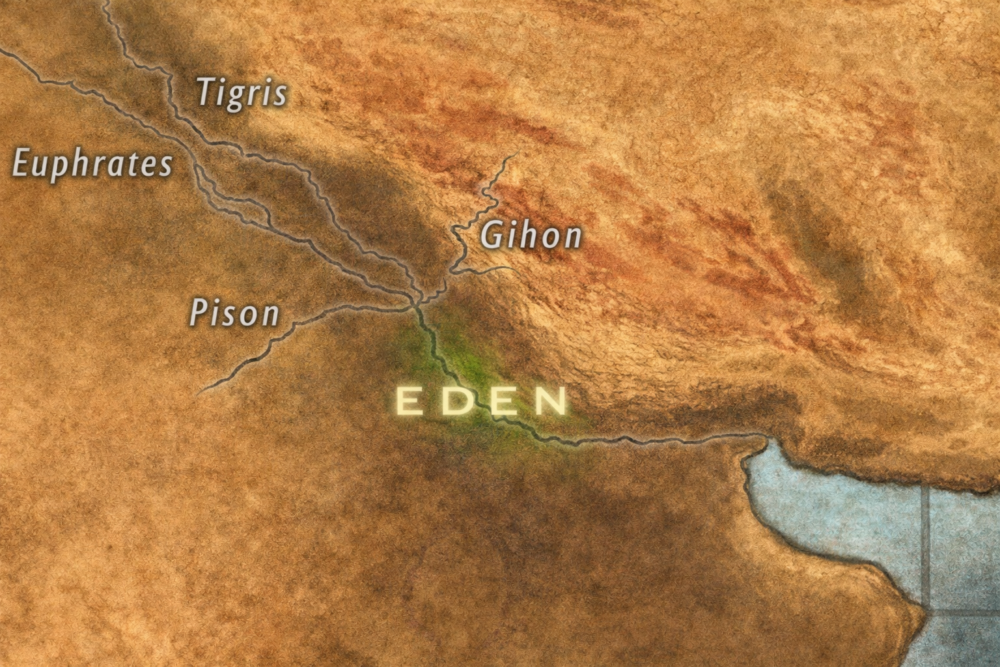
For thousands of years, the Garden of Eden has lived at the intersection of faith, myth, and geography. The Bible describes it as a place defined by rivers, yet those waterways seemed to vanish from the real world long ago
Now, satellite imagery and geological analysis are revealing traces of ancient river systems buried beneath deserts in the Middle East. These channels once carried massive flows of water through regions that are arid today.
While no one is claiming Eden has been “found,” the discoveries are giving scholars a clearer picture of landscapes that may have inspired one of the most enduring stories ever told.
1. The Bible Describes Eden as a Place of Rivers

In the Book of Genesis, Eden is described as a fertile place nourished by a river that divided into four branches: the Tigris, Euphrates, Pishon, and Gihon. The passage emphasizes water as the defining feature of this landscape, tying abundance and life directly to flowing rivers.
While the Tigris and Euphrates are well known and still exist today, the Pishon and Gihon have no clear modern counterparts. For centuries, this gap led many readers to assume those rivers were symbolic, mythical, or simply unknowable remnants of an ancient story passed down through generations.
2. Satellites Can See What the Desert Hid

Modern satellite technology allows scientists to detect subtle variations in terrain that are invisible at ground level. Differences in soil composition, elevation, and vegetation patterns can reveal the outlines of ancient riverbeds long after surface water has vanished.
By analyzing these signals across deserts in the Middle East, researchers have traced winding channels that match the scale and shape of major rivers. These discoveries suggest that vast waterways once crossed regions now defined by extreme dryness, reshaping assumptions about the ancient environment.
3. The Discovery of Vast Paleorivers
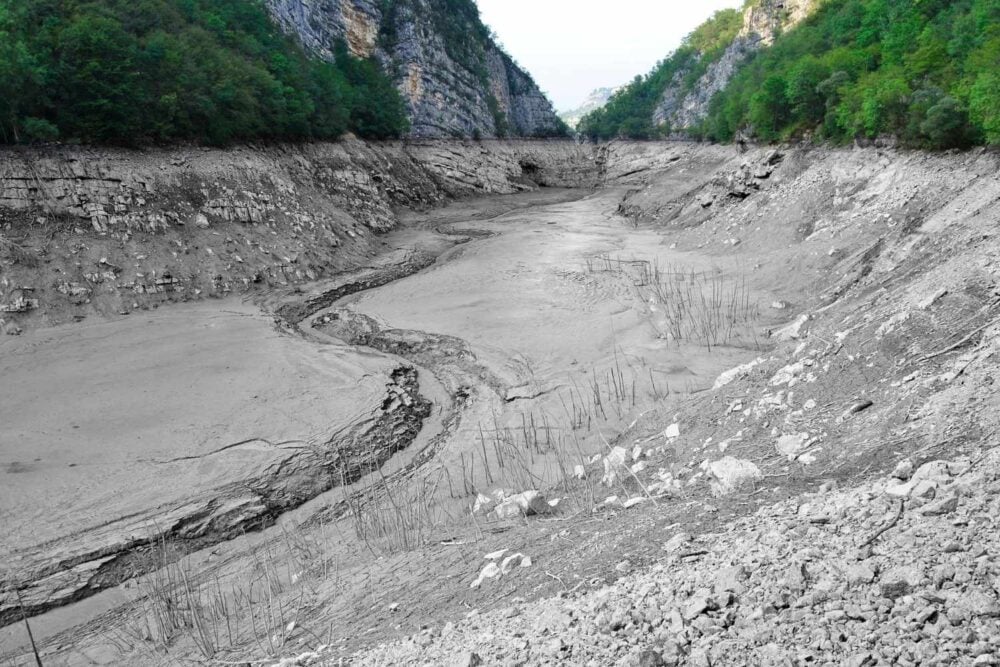
The identified paleorivers were not small seasonal streams. Some stretched hundreds of miles and were capable of sustaining large ecosystems, according to geological modeling and sediment analysis.
Evidence indicates these rivers flowed during wetter climate periods tens of thousands of years ago. At the time, grasslands and lakes replaced deserts, creating corridors where plants, animals, and early human communities could thrive in areas now considered inhospitable.
4. Why the Pishon and Gihon Matter
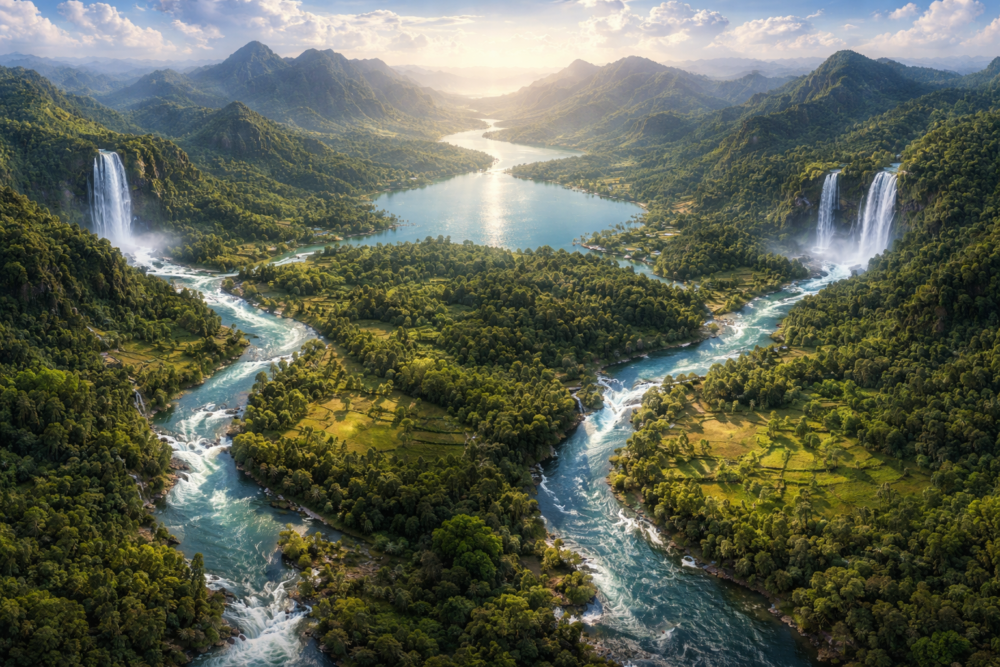
The biblical description links the Pishon and Gihon to lands associated with resources, including gold and precious materials. This detail has long intrigued scholars trying to determine whether the text reflects real geography or symbolic storytelling.
Satellite data showing ancient rivers near historically resource-rich regions adds a new layer to that discussion. While it does not confirm biblical locations, it suggests the authors may have drawn from real landscapes remembered during periods when those rivers still shaped daily life.
5. Climate Change Reshaped the Ancient World
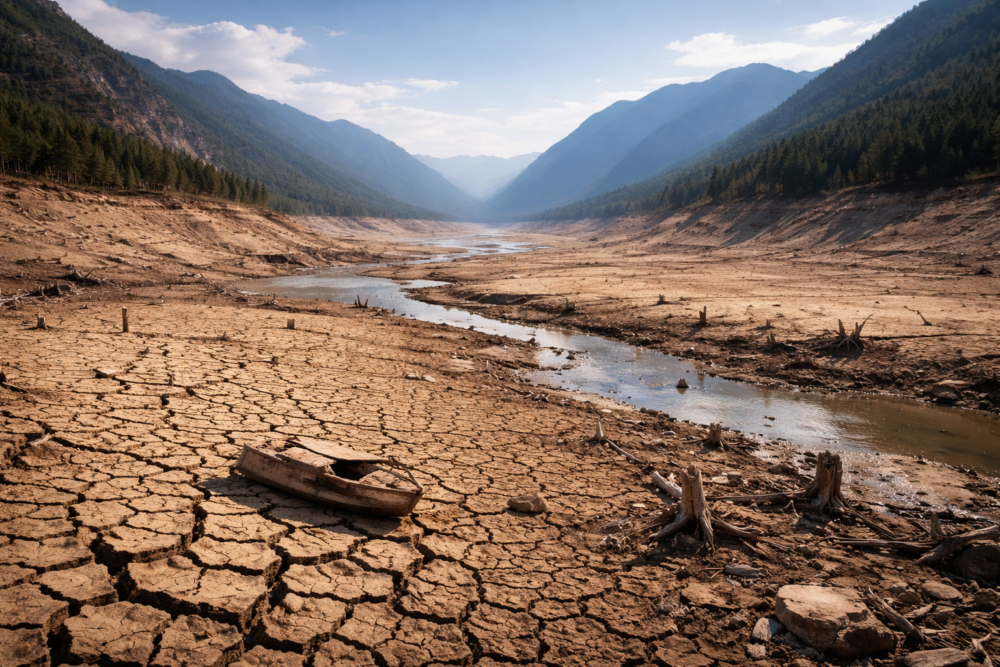
The Middle East has undergone dramatic climate shifts over deep time. Periods of heavy rainfall alternated with long phases of drying, repeatedly transforming the region’s geography.
As rainfall declined, rivers shrank or disappeared entirely, and fertile areas turned into desert. Human populations adapted by migrating or reorganizing, but cultural memory preserved stories of earlier, greener landscapes long after the environment had changed.
6. Eden as Cultural Memory, Not a Map Pin
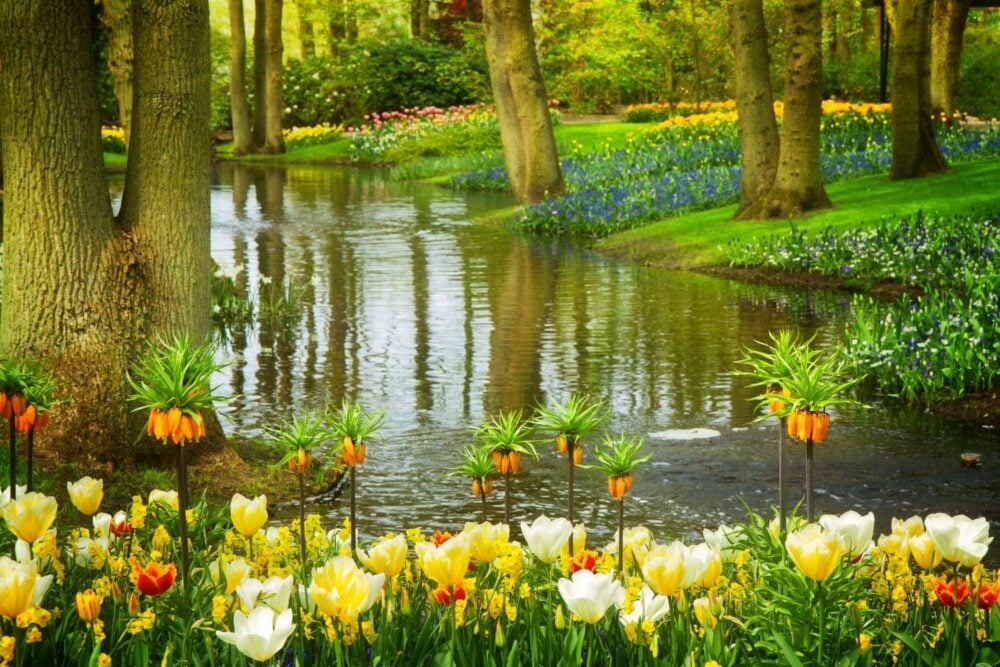
Many researchers argue that Eden should not be understood as a precise location waiting to be pinpointed. Instead, it may represent a shared cultural memory of a lost fertile world. Ancient societies often preserved environmental history through storytelling.
In this view, Eden reflects collective remembrance of rivers, abundance, and stability that once existed, transformed over time into a symbolic origin story carrying spiritual and moral meaning.
7. Archaeology Supports Early River Civilizations
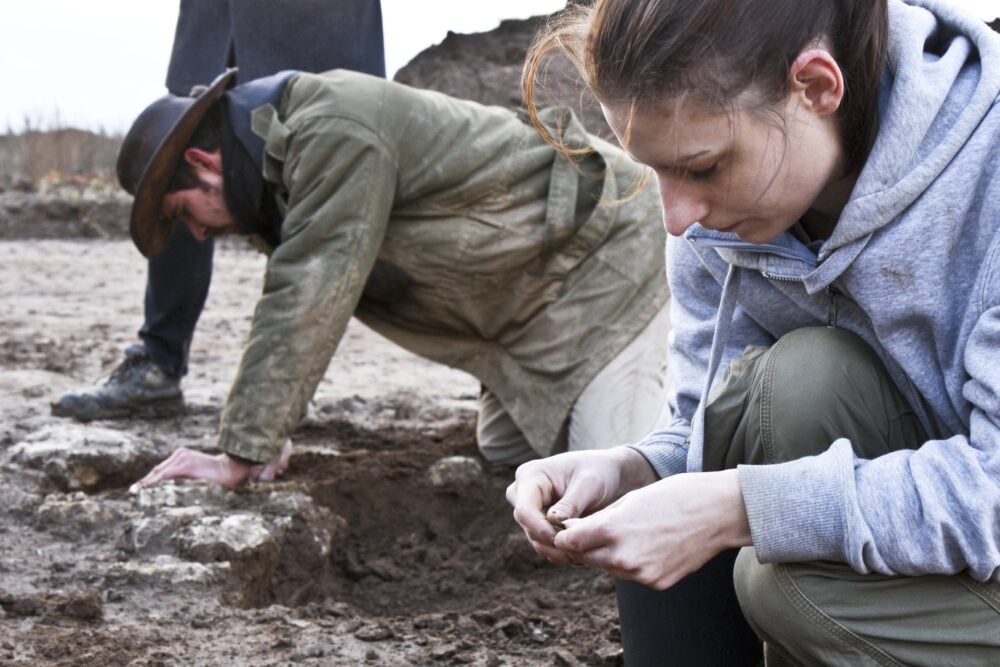
Archaeological evidence across Mesopotamia consistently shows that early settlements clustered near rivers and floodplains. Reliable water sources supported farming, trade routes, and population growth, making rivers central to early human survival.
The newly identified ancient river systems align with this broader pattern. Their locations match areas where early tools, camps, and settlements have been found, reinforcing the idea that long-lost waterways shaped human history far more extensively than today’s dry landscapes suggest.
8. Why Satellite Technology Changed the Debate
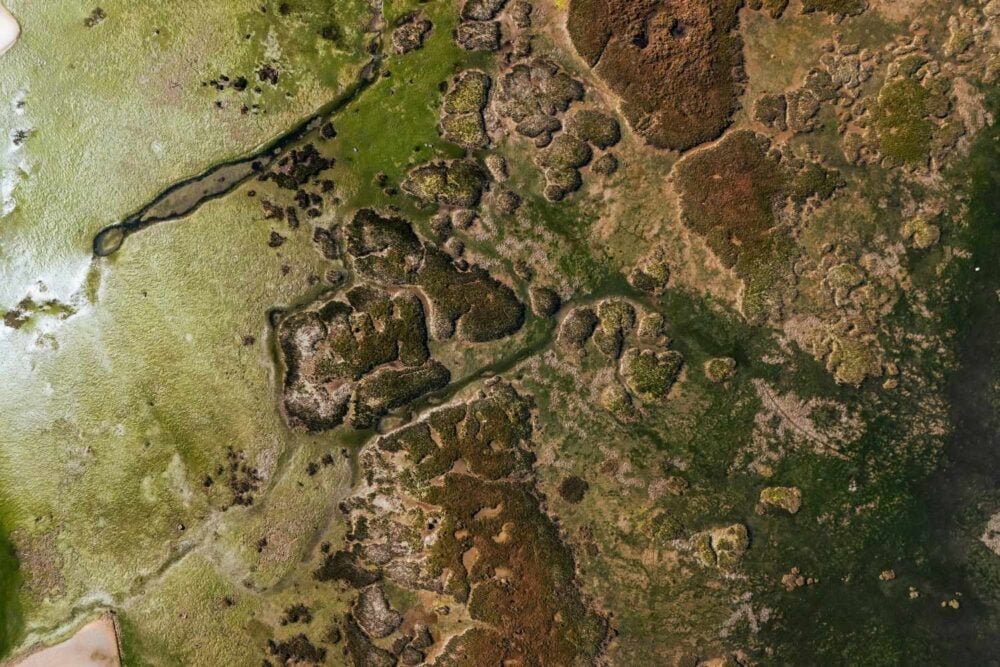
Before satellite imaging, researchers relied on limited field surveys and fragmented geological clues. Vast desert regions were difficult, slow, and expensive to study in detail.
Remote sensing allows scientists to analyze entire landscapes at once. By combining satellite data with climate models and ground evidence, researchers can reconstruct ancient environments with far greater confidence, transforming speculation into testable scientific hypotheses.
9. What Scientists Are Not Claiming
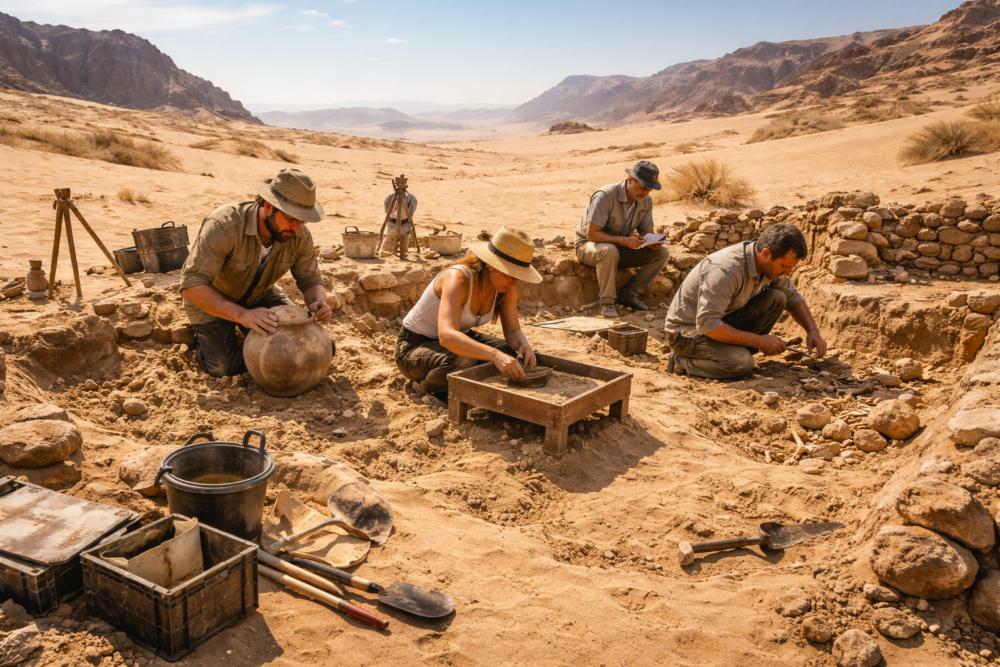
Despite dramatic headlines, researchers are careful not to claim they have located the Garden of Eden. The findings focus on geology and climate history, not proving religious narratives. Scientists emphasize that ancient texts often blend memory, symbolism, and observation.
The discoveries support the plausibility of certain descriptions without confirming theological interpretations, a distinction researchers stress to avoid misrepresenting their work.
10. Where Faith and Science Intersect

For some readers, the discoveries resonate with long-held beliefs. For others, they offer insight into how ancient people understood their world and preserved knowledge through storytelling.
This overlap highlights how science and faith can intersect without competing. Both explore human origins and meaning, sometimes converging on the same landscapes through very different ways of knowing.
11. Why the Eden Story Still Matters

The story of Eden endures because it speaks to loss, abundance, and humanity’s relationship with the natural world. These themes remain relevant as climates change and landscapes transform.
As technology uncovers traces of ancient rivers and vanished ecosystems, the Eden narrative gains new context. It reminds us that stories can preserve echoes of real environments long after those worlds have disappeared.