
A new scientific hypothesis explores whether a tiny human relative from Indonesia may have survived far longer than believed.
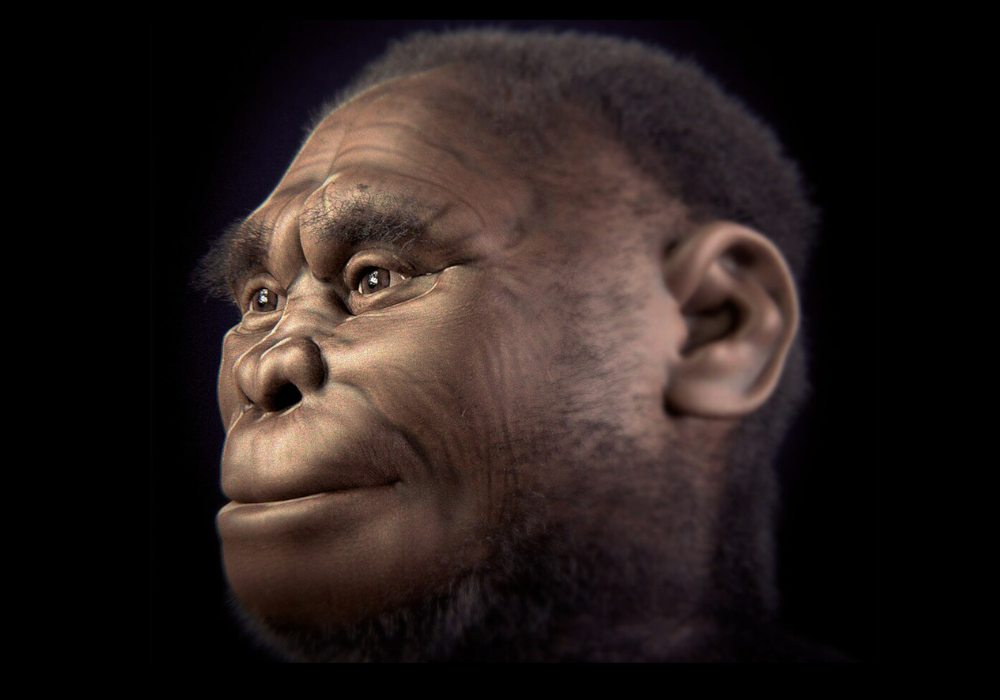
A Canadian anthropologist has reignited debate about Homo floresiensis, a tiny human relative often called “the hobbit.” Known from fossils discovered on the Indonesian island of Flores, the species is believed to have vanished at least 50,000 years ago. But anthropologist Gregory Forth argues that local stories, descriptions, and cultural memories could suggest a much later survival. His idea remains controversial, yet it raises questions about how long ancient human species may have overlapped with modern humans—and whether any could have persisted into recent history.
1. The Species at the Center of the Debate Is Homo floresiensis
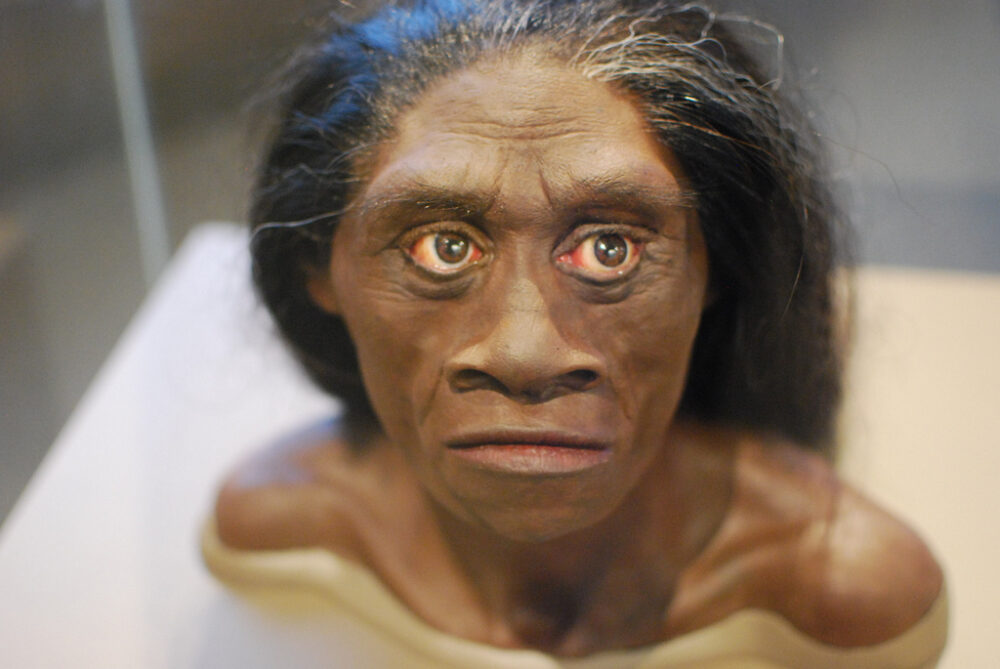
Homo floresiensis was discovered in 2003 in Liang Bua cave on the island of Flores. The fossils revealed a hominin species only about three feet tall with a small brain but surprisingly advanced stone tools. Most scientists agree it lived until roughly 50,000 years ago. Its unique mix of traits makes it one of the most puzzling branches of the human family tree.
Its sudden disappearance and unusual anatomy have kept researchers debating how it lived and why it died out.
2. Anthropologist Gregory Forth Proposes It May Have Survived Longer

Gregory Forth, an anthropologist who spent decades studying the cultures of Flores, suggests the species might have persisted beyond its estimated extinction date. His idea is based on local reports and stories that describe a small, ape-like humanoid living in remote forests. He emphasizes that these accounts should not be dismissed outright.
Forth’s hypothesis is not mainstream, but he argues that scientific inquiry should consider all evidence, including detailed ethnographic descriptions gathered directly from local communities.
3. Locals Describe Creatures That Resemble the Fossil Findings

Some residents of Flores have long told stories of a small creature called the “lai ho’a” or “ebu gogo.” Descriptions often depict beings around three feet tall with long arms, hair-covered bodies, and unusual facial proportions—traits that overlap with scientific reconstructions of Homo floresiensis.
These accounts also describe distinctive walking patterns and behaviors. While such stories are not proof, Forth believes the similarities are striking enough to warrant further investigation.
4. Scientists Agree That Folklore Can Preserve Ancient Memories

Anthropologists note that traditional stories sometimes encode real memories of past species or events. Examples include Indigenous Australian accounts of extinct megafauna and Norse descriptions later confirmed by geological evidence. Forth argues that Flores may hold similar memories.
While scientists caution that folklore cannot be treated as direct evidence, they acknowledge that cultural memory can provide clues that guide further research, particularly in remote environments like Flores.
5. Fossil Evidence Shows Homo floresiensis Lived Longer Than Expected
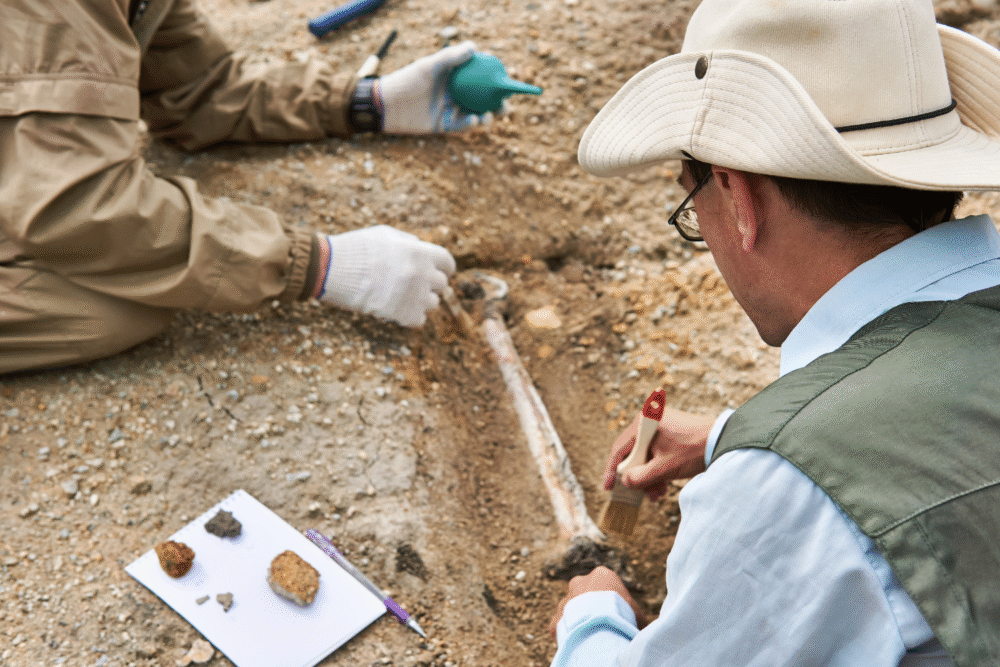
When Homo floresiensis was first analyzed, researchers believed it may have disappeared around 12,000 years ago. Later dating pushed the extinction back to at least 50,000 years ago. This wide range increases uncertainty about the species’ final survival window.
Because excavation sites on Flores are limited, some scientists say additional fossils could refine the timeline. It is theoretically possible the species survived longer than current evidence shows, though no fossils have confirmed this.
6. The Island’s Remote Forests Make Scientific Surveys Difficult

Flores contains rugged terrain, dense forests, and limited road access. These conditions make biological surveys challenging and leave open the possibility that rare animals remain undocumented. Even today, scientists continue to discover new species on the island, including mammals and reptiles.
Forth argues that such an environment could theoretically shelter a small, elusive primate or hominin. However, researchers note that modern field studies have not found physical evidence of surviving hominins.
7. No Physical Evidence Supports Survival Into Modern Times
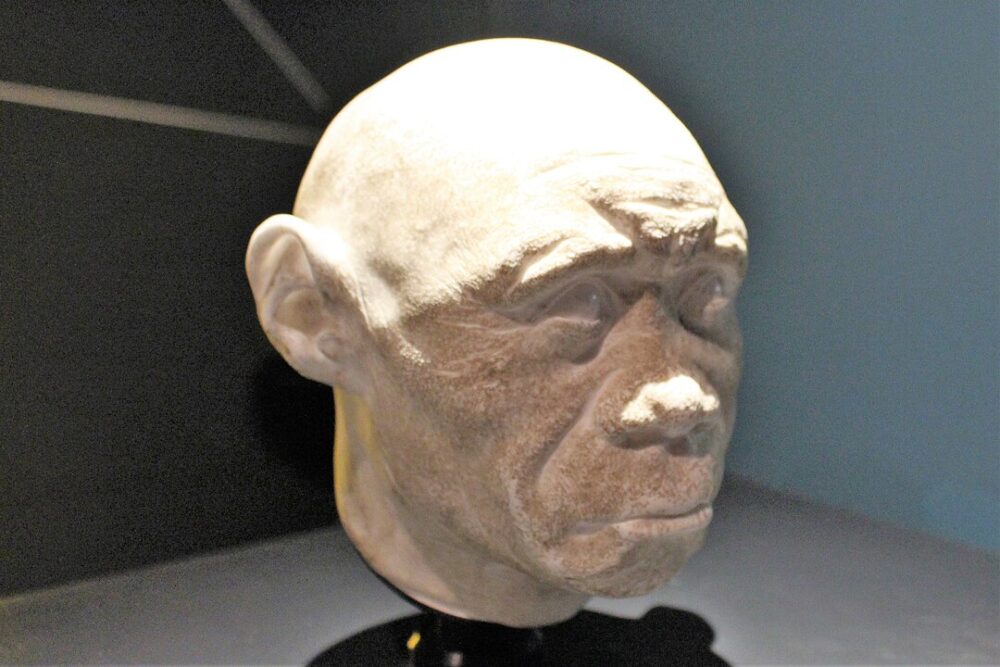
Despite the intriguing stories, archaeologists have found no bones, footprints, tools, or DNA suggesting Homo floresiensis survived past the ancient fossil layers. Scientific consensus remains that the species is extinct.
Even so, the absence of new fossils does not completely rule out later survival, because the fossil record is sparse. This uncertainty is part of what fuels ongoing debate among paleoanthropologists.
8. Some Researchers Attribute the Reports to Misidentified Animals

Many scientists believe the stories may originate from encounters with monkeys, other wildlife, or cultural interpretation rather than surviving hominins. Flores is home to macaques and other animals that could be mistaken for humanoid creatures, especially in dense forests or low light.
This explanation remains the most widely accepted scientific view. However, Forth argues that certain details in the accounts do not match known animals, which is why he believes further analysis is warranted.
9. The Debate Highlights Gaps in Understanding Human Evolution
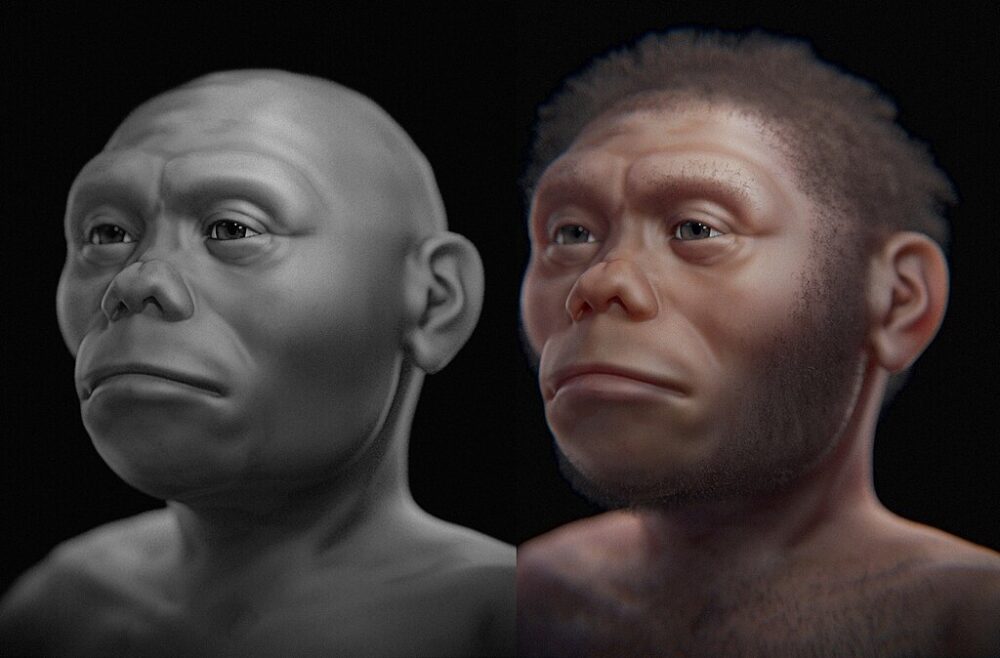
Whether or not the species survived longer, Homo floresiensis already challenges long-held assumptions about human evolution. Its small body, small brain, and advanced behavior complicate the idea that larger brains always indicate greater capabilities.
The mystery surrounding its disappearance underscores how incomplete the fossil record is, especially on islands where preservation conditions vary significantly.
10. The Possibility of Overlapping Human Species Is Not Implausible

Scientists now know that several human relatives overlapped with early modern humans, including Neanderthals and Denisovans. These species coexisted for long periods before disappearing. Some researchers argue that island isolation could, in theory, allow a species like Homo floresiensis to survive longer.
This context doesn’t prove survival but shows that long coexistence among human species is part of our evolutionary history.
11. Researchers Emphasize That Extraordinary Claims Require Extraordinary Evidence

While Forth’s hypothesis raises intriguing questions, scientists agree that physical evidence—bones, tools, DNA, or clear photographs—would be required to support it. Until such evidence appears, the idea remains speculative but scientifically interesting.
The debate illustrates how anthropology often blends hard evidence with cultural context. It also shows why Homo floresiensis continues to fascinate researchers and readers: the possibility that a human relative once walked among us far more recently than we think.