
A massive underwater barrier could slow ice loss at Antarctica’s most dangerous glacier and buy time against rising seas.
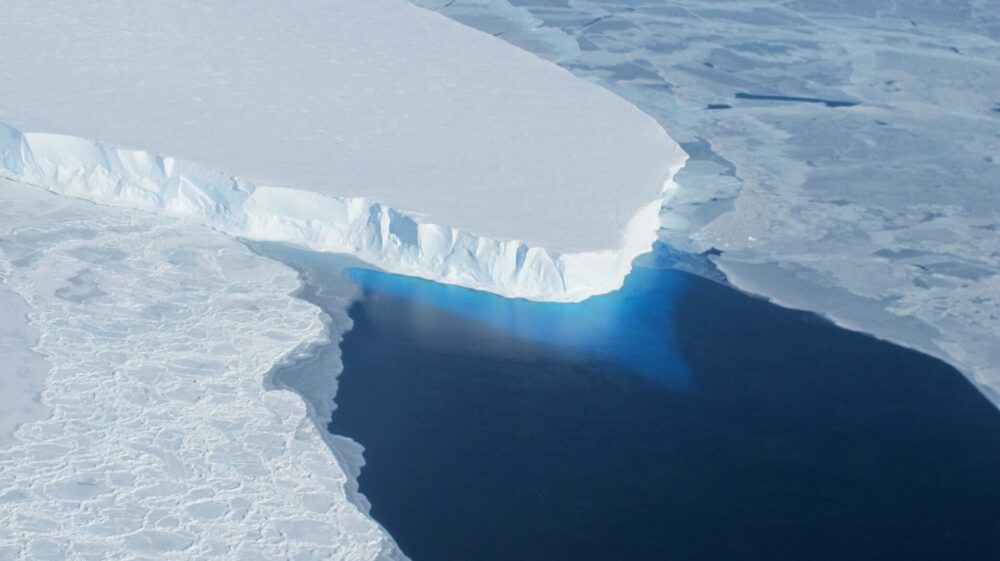
Scientists are exploring an audacious idea to slow the rapid melting of Thwaites Glacier in West Antarctica, often called the Doomsday Glacier. Warm ocean water is eating away at the ice from below, weakening its grip on the seafloor and accelerating sea level rise that threatens coastal communities worldwide. To counter this, engineers have proposed building a vast underwater “seabed curtain” designed to block or slow that warm water before it reaches the glacier’s base.
The idea is not a fix for climate change, and it would not stop melting altogether. Instead, supporters argue it could buy precious time, giving societies decades more to adapt, protect coastlines, and reduce emissions before the most severe impacts unfold.
1. Why Thwaites Glacier has scientists so worried

Thwaites Glacier is enormous, roughly the size of Florida, and it already contributes noticeably to global sea level rise. What makes it especially dangerous is its position and structure, which act like a keystone holding back nearby ice.
If Thwaites destabilizes completely, scientists worry it could trigger a chain reaction, allowing surrounding ice to slide into the ocean much faster. That potential domino effect is why researchers keep such a close eye on it and why bold ideas are now entering the conversation.
2. The real threat is coming from below the ice
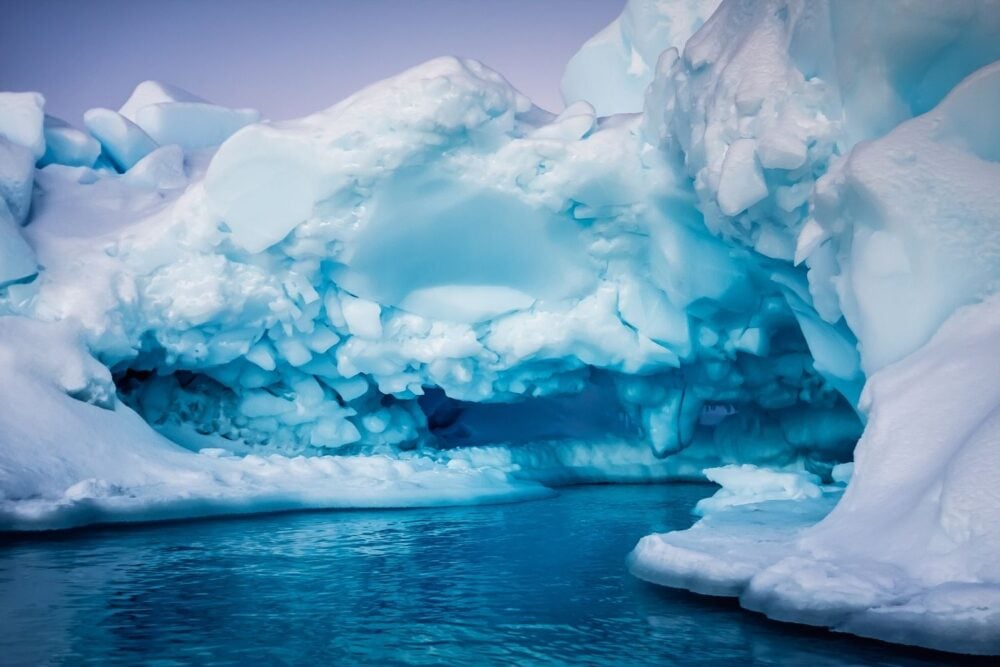
Unlike glaciers that melt mainly from warm air above, Thwaites is being attacked from underneath. Relatively warm seawater flows beneath its floating ice shelf and erodes the ice from the bottom up.
This undercutting weakens the glacier’s footing and makes it more likely to retreat rapidly. Slowing that flow of warm water is the key target of the seabed curtain proposal, which focuses on ocean heat rather than air temperature.
3. The seabed curtain concept explained simply
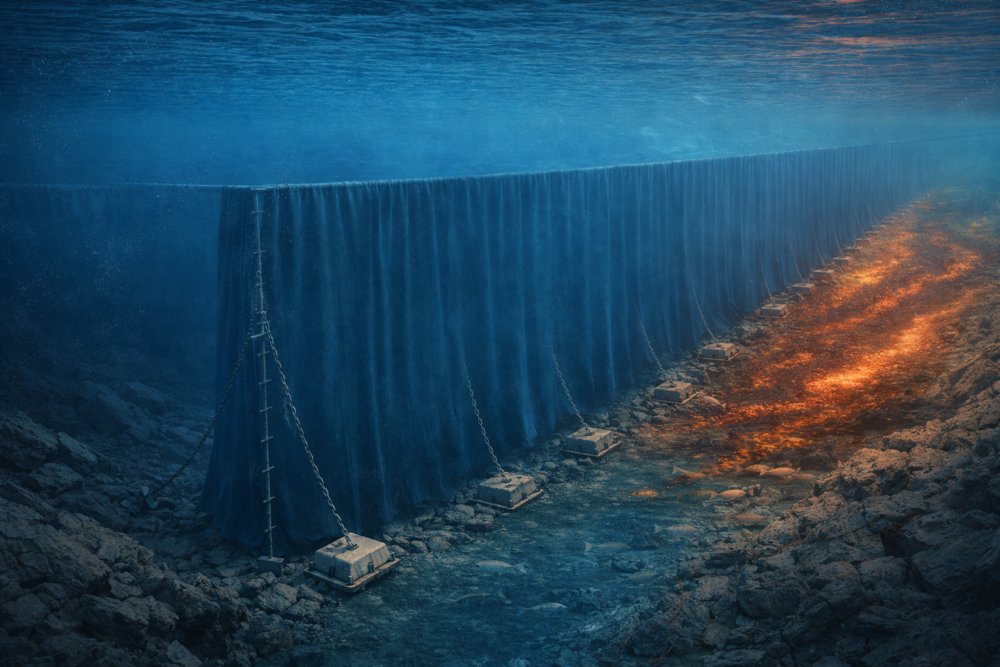
The proposal involves anchoring a long, flexible barrier to the ocean floor in front of the glacier. Think of it less as a rigid wall and more like a giant underwater curtain that interrupts warm currents.
By reducing how much warm water reaches the glacier’s underside, the curtain could slow the rate of melting. It would not stop ice loss entirely, but even a partial slowdown could make a meaningful difference over time.
4. The scale of the project is staggering
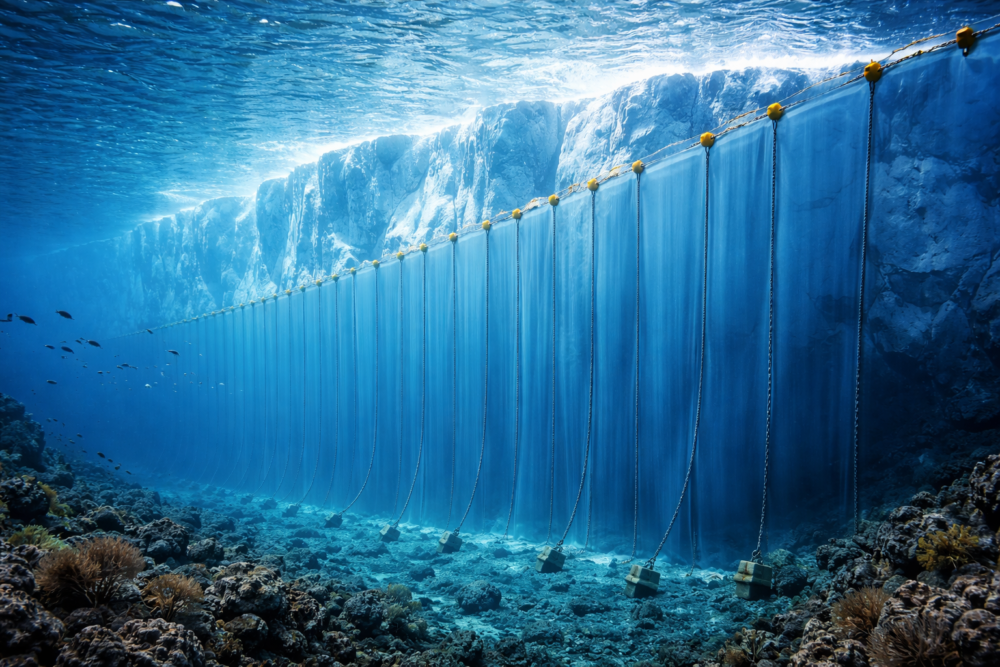
The proposed curtain would stretch roughly 50 miles across the seafloor and rise hundreds of feet from the bottom. That makes it one of the most ambitious climate engineering ideas ever suggested.
Constructing something this large in deep, icy water would push current engineering capabilities. Every aspect, from materials to anchoring systems, would need to survive extreme cold, pressure, and constant movement for decades.
5. Antarctica makes everything harder
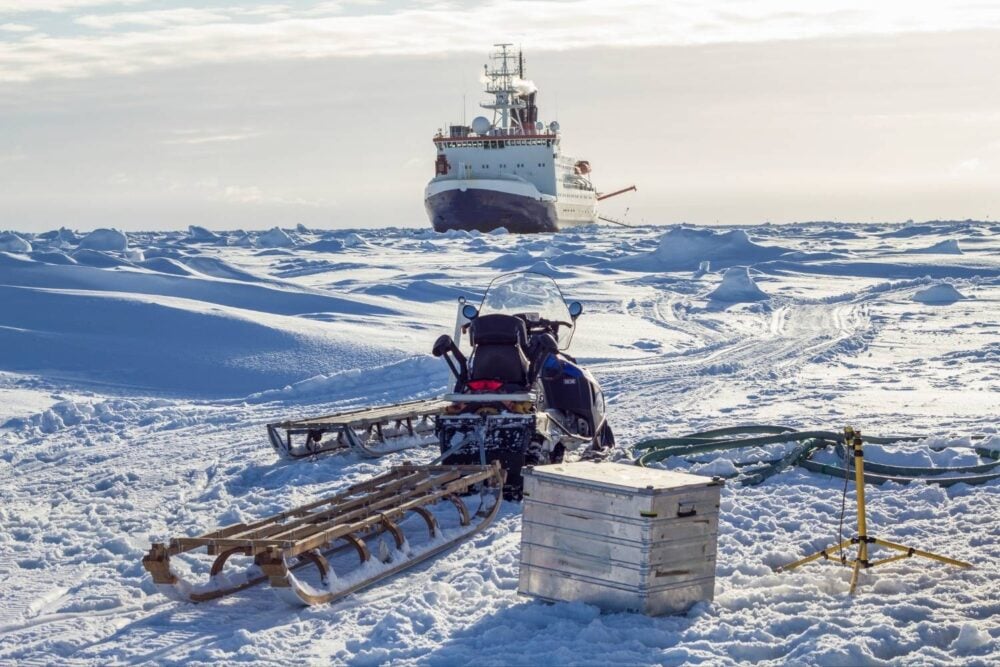
Building in Antarctica is nothing like building elsewhere. Crews would face brutal weather, drifting icebergs, remote logistics, and very limited construction windows each year.
Even getting equipment and materials to the site is a major challenge. That is why scientists stress that this idea is still experimental and would require years of testing and refinement before any full-scale attempt.
6. Testing would start far from the glacier
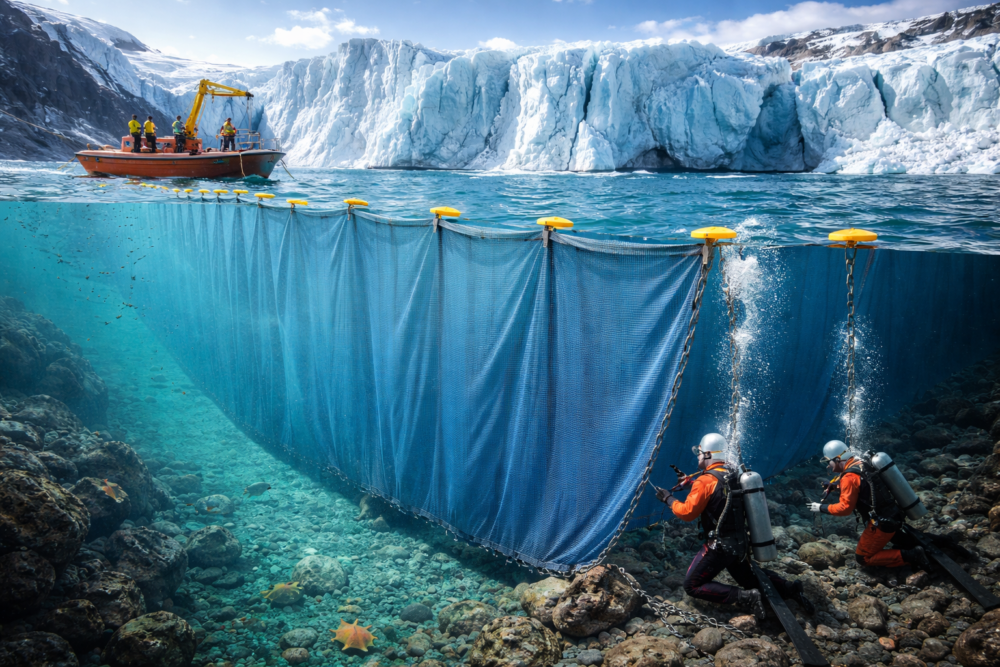
Before anyone considers installing a curtain near Thwaites, researchers want to test smaller versions in more manageable environments. Sheltered fjords or cold coastal waters could serve as proving grounds.
These early experiments would reveal how flexible barriers behave under real currents and pressures. Lessons learned there would shape whether scaling up to Antarctic conditions is even realistic.
7. This would slow melting, not stop it
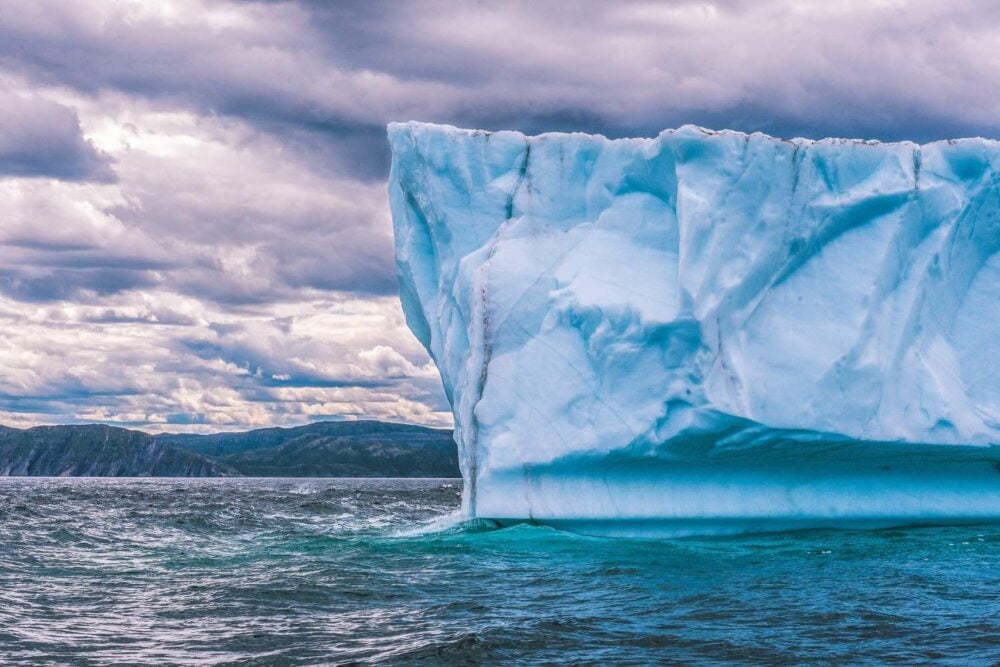
Supporters are careful to manage expectations. The curtain would not freeze the glacier in place or reverse decades of warming.
Instead, its value lies in slowing the most aggressive melting at the base. Even a modest reduction in melt rates could delay the worst sea level impacts and give coastal planners more time to prepare.
8. The cost would be enormous
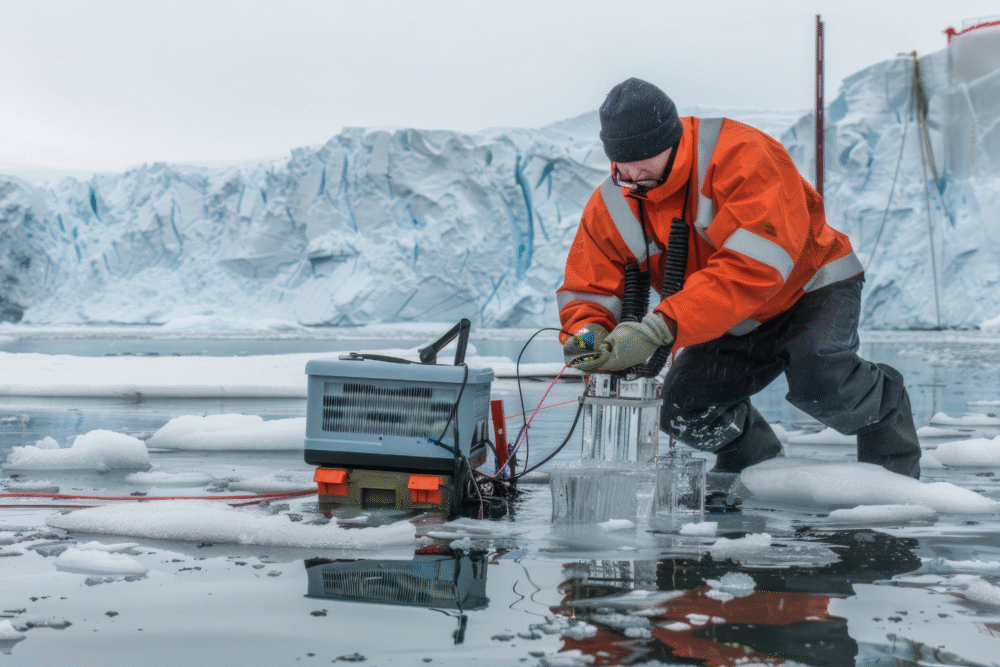
Estimates suggest the project could cost tens of billions of dollars, with additional long-term maintenance expenses. That price tag alone makes the idea controversial.
Proponents argue the comparison should be to the potential cost of unchecked sea level rise, which could reach trillions of dollars globally. From that perspective, prevention may be cheaper than recovery.
9. Critics worry about distraction and risk

Not all scientists support the idea. Some warn that focusing on dramatic engineering solutions could distract from the urgent need to cut greenhouse gas emissions.
Others raise concerns about unintended ecological consequences, such as altering ocean circulation or affecting marine life. These risks underline why the proposal remains a topic of debate rather than a settled plan.
10. Thwaites continues to retreat regardless
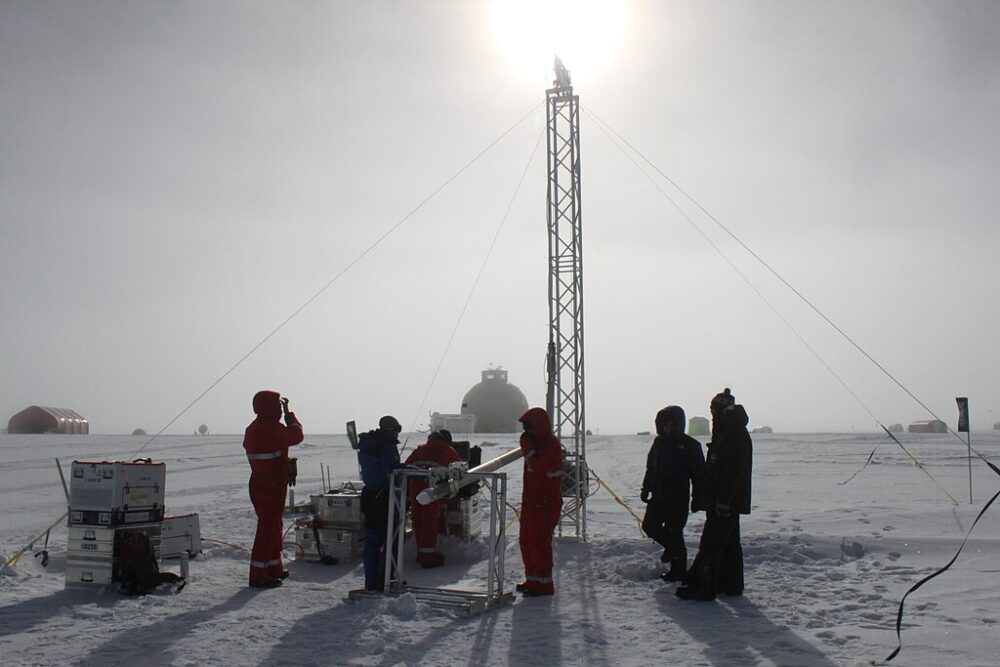
While engineers debate bold interventions, Thwaites Glacier continues to lose ice. Research teams are racing to better understand its behavior by drilling through ice and mapping currents below.
That ongoing retreat adds urgency to the discussion. Whether or not the curtain is built, scientists agree that action of some kind is needed to address the accelerating changes underway.
11. What the curtain idea really represents
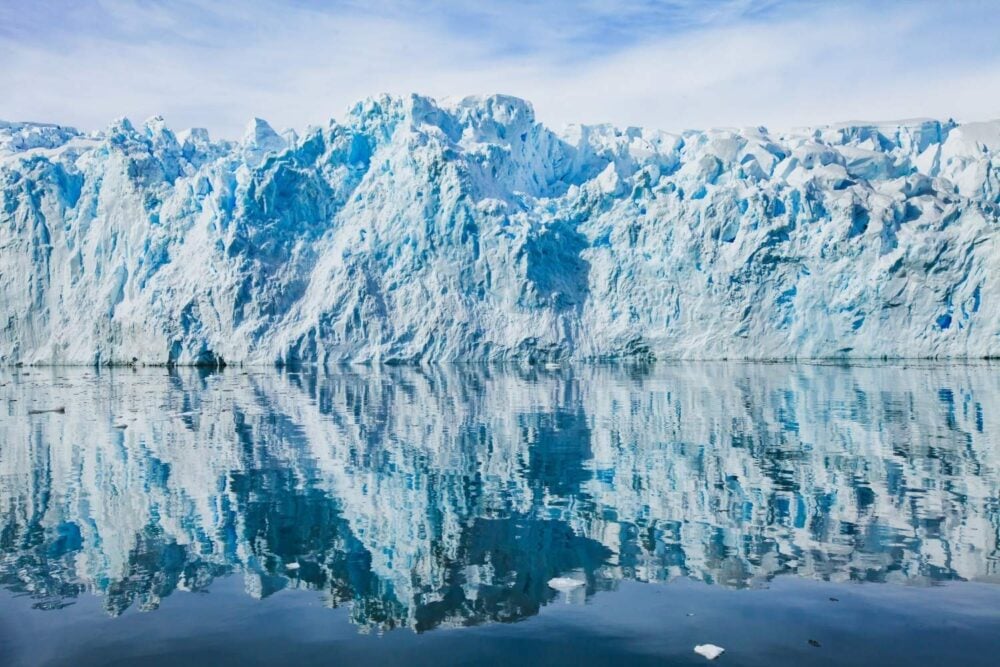
More than a single project, the seabed curtain reflects a shift in thinking. As climate risks grow, ideas once considered extreme are being seriously examined.
Even if the curtain is never built, it shows how high the stakes have become. Humanity is now debating whether massive engineering efforts might be needed simply to buy time in a warming world.