
You’re not paying for extras—you’re paying for what used to be free.
Once, the basics of life were part of a shared agreement. Public benches. Water fountains. Clean parks. Buses that showed up on time. Schools stocked with what kids needed. You didn’t have to buy your way into comfort, safety, or connection—because the infrastructure existed for everyone. But that version of public life has been quietly dismantled, piece by piece, until what was once free now comes with a monthly fee or a brand name.
Corporations didn’t just fill in the gaps—they created them. As public funding shrank and services faltered, private companies stepped in to offer “solutions” that were really subscriptions. The more public systems fail, the more you’re told to rely on personal spending to meet your needs. What feels like convenience or innovation is often just privatization in disguise. If you’ve ever wondered why everything suddenly costs more, the answer might be hiding in plain sight.
1. Water used to come from a public fountain—now it’s bottled, branded, and everywhere.

It’s easy to forget how quickly bottled water became normal. But just a few decades ago, people relied on water fountains, public taps, or refillable bottles. Now, water is sold in plastic for convenience—even in cities with safe tap systems. And in many communities, public fountains have been removed entirely, replaced by vending machines or ignored altogether.
Elizabeth Royte explains in an NPR interview that bottled water companies successfully marketed a sense of purity and safety, reframing public water as suspect and turning a basic necessity into a premium product. And now, buying water feels routine—even when you’re sitting 10 feet from a public source that’s been neglected or shut off. Every sip from a plastic bottle reinforces the idea that clean water is a personal purchase, not a public good.
2. You’re paying for a private gym because your city doesn’t maintain parks.

Exercise used to be a matter of going outside. You could walk through shaded trails, play on well-kept courts, or join free rec leagues at the local community center. Will Klein writes on the Government Finance Research Blog that parks across the country are struggling due to limited capital funding and deferred maintenance, leading to deteriorating conditions and reduced access. Fitness apps and gym memberships didn’t just rise because people wanted convenience.
They rose because the public alternatives declined. When playgrounds rust, basketball nets vanish, and trails aren’t safe, movement becomes a commodity. If you want your kid to have safe access to sports or nature now, you often have to pay for it. That’s not innovation—it’s substitution.
3. You’re buying school supplies your taxes should already cover.

Public education was supposed to level the playing field. But if you’ve ever bought Kleenex, printer paper, or extra pencils for your kid’s classroom, you’ve felt the quiet creep of privatization. Ross Barkan points out in The Guardian that underpaid and under-resourced teachers across the U.S. are now routinely turning to crowdfunding platforms to stock their classrooms with essentials. Parents pitch in for essentials. And what should be built into the budget gets passed down to individuals.
This isn’t about luxury items—it’s about crayons and copy paper. About the emotional weight of feeling like your kid’s education depends on your ability to subsidize it. As states cut funding and public schools scrape by, corporations swoop in with branded partnerships and donation drives that look generous—but quietly normalize the idea that education is no longer a fully public service.
4. Your monthly transit pass covers what public funding no longer does.
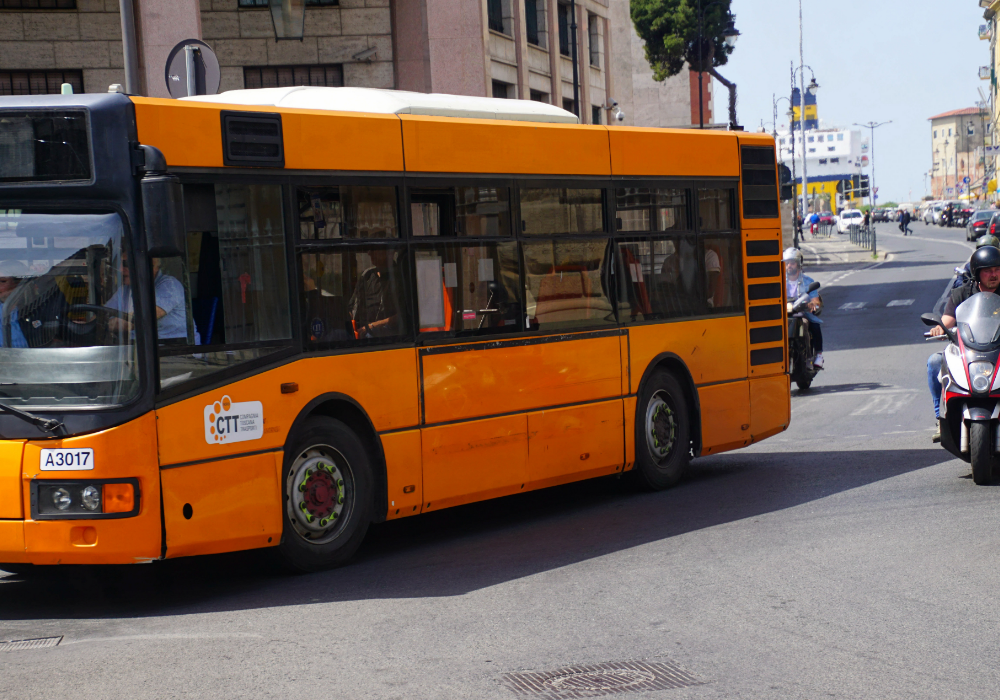
Public transportation is supposed to be a public good: affordable, accessible, reliable. But as funding shrinks and routes are slashed, many systems rely more and more on fare increases to survive.
That burden falls hardest on people who can’t afford alternatives—yet they’re the ones who rely on transit most. Meanwhile, cities push for “smart” upgrades—contactless payments, rideshare integrations—without fixing the basics: clean stations, on-time service, fair wages for drivers. Transit becomes another place where you pay more to get less. And as the system struggles, those with the means opt out entirely—leaving public transit underfunded, underused, and even more vulnerable to cuts. What should be a shared investment becomes a private calculation.
5. You’re buying internet like a utility, but it’s controlled like a luxury.

In the modern world, internet access isn’t optional—it’s how you apply for jobs, attend school, get healthcare, and participate in civic life. And yet, it’s one of the most unevenly distributed resources in the country. Many rural areas still don’t have broadband. Many urban households can’t afford the high monthly cost. And even when you do pay, service is often unreliable or slow.
That’s because internet access in most of the U.S. is dominated by a few private monopolies with little oversight. Instead of treating it like a public utility, we treat it like cable TV—optional, upgradeable, overpriced. And as long as private companies control the wires, the rules, and the pricing, access will always favor profit over equity.
6. You’re paying for childcare because the village doesn’t exist anymore.
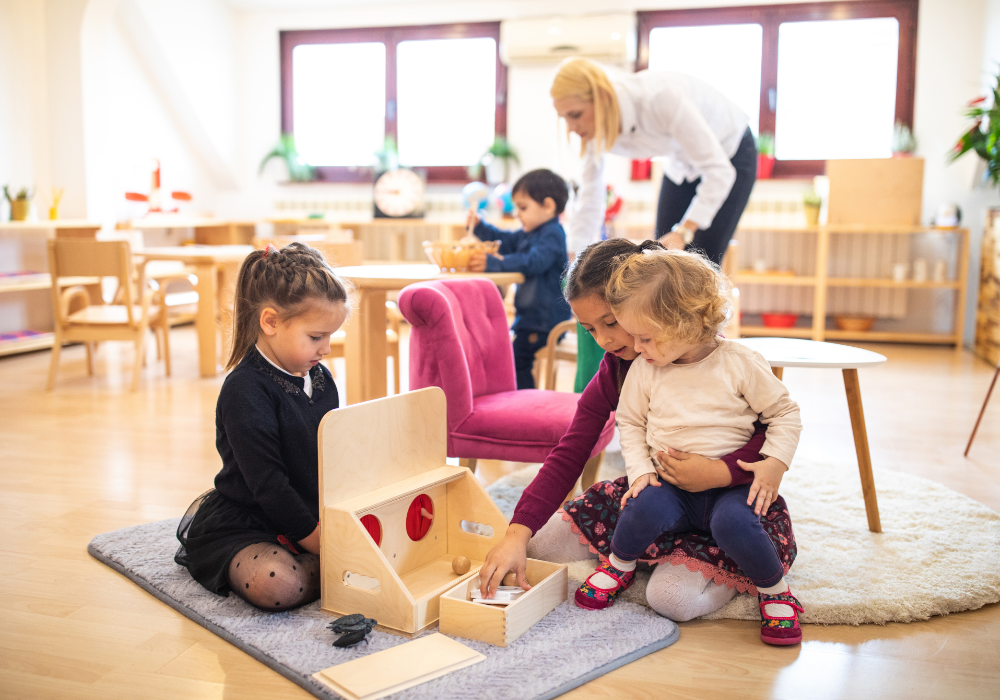
There was a time when care for young children was shared—between extended family, neighbors, and community institutions. But as economic pressure scattered families and public childcare funding dried up, that collective support system fell apart.
Now, most parents pay thousands a year for daycare, babysitters, or after-school programs just to cover gaps a functioning system once filled. This isn’t about indulgence. It’s about survival. Parents need to work, and kids need safe, stable care.
But instead of society stepping in, individuals are left to navigate a market full of underpaid workers and overbooked programs. The privatization of care means that raising a child is no longer a shared responsibility—it’s an individual expense, and an overwhelming one at that.
7. Public restrooms disappeared, so now access costs you a cup of coffee.
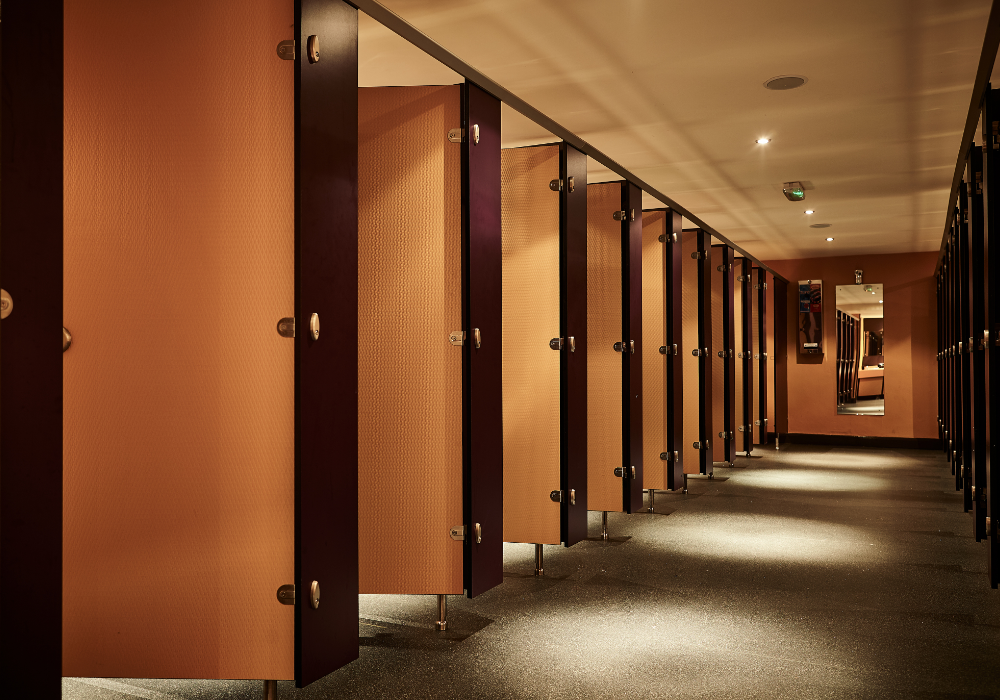
Need to pee in public? Better be ready to buy something. Public restrooms have been steadily vanishing for decades—either closed for maintenance, converted to staff-only, or never built in the first place. The result is that access to a bathroom now often requires a purchase. If you’re homeless, traveling, or simply out for the day, this turns a basic human need into a conditional privilege.
And that’s not a coincidence. Businesses benefit when public infrastructure disappears—they become the default providers. But it’s not sustainable. It creates barriers for the most vulnerable and adds pressure to public space itself. A society that treats bodily needs as transactional is one that’s given up on real public life.
8. You’re buying bottled air and sound machines to escape a world of pollution and noise.
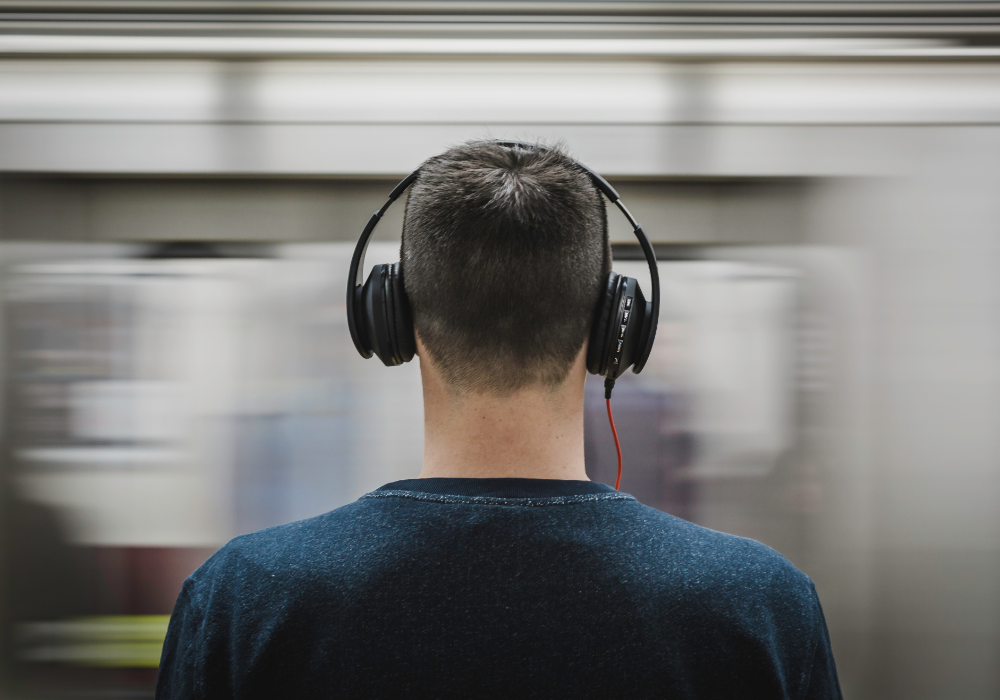
White noise apps. Air purifiers. Noise-canceling headphones. These aren’t just lifestyle upgrades—they’re shields. Tools to protect you from the environmental chaos that’s crept into everyday life. Whether it’s the freeway next to your bedroom, the wildfire smoke drifting into your city, or the jackhammers outside your apartment, peace and clean air have become things you have to buy.
In a better world, these comforts would be built into the environment itself—quiet green spaces, clean air initiatives, sound-buffered housing. But because those protections weren’t maintained, the burden shifted to individuals. You now pay to create conditions that should be standard. And the more people opt for private solutions, the easier it becomes to ignore the public fixes that could change everything.
9. You’re paying for safety because policing doesn’t protect everyone equally.

In many neighborhoods, people hire private security, install surveillance systems, or live in gated communities—not because they’re paranoid, but because they don’t trust public safety to protect them. And in marginalized communities, that mistrust is even deeper—but for entirely different reasons. Over-policing, under-response, and systemic bias mean that for many, safety never felt public in the first place.
This is what happens when a core function of public life—protection—fractures. Safety becomes something you have to buy: through location, devices, services, or even apps. But safety isn’t just about locks and alarms. It’s about shared responsibility, trust, and investment. And when that breaks down, everyone pays—just not in the same ways.
10. You’re paying for belonging because community has been replaced with consumption.
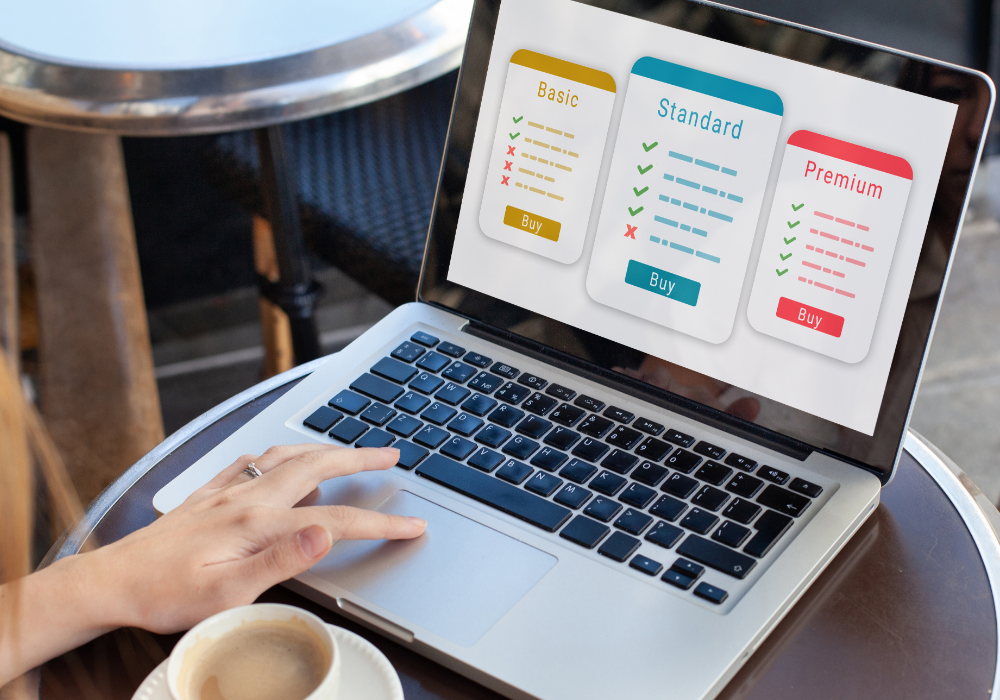
Streaming subscriptions. Social media apps. Branded events. Brunches that feel more like content creation than connection. As third spaces disappear—libraries, community centers, affordable cafés—people seek belonging in places that cost money. You’re told to find your “people” through products, to express your identity through spending, to gather only where there’s a tab. But consumption can’t replace community.
It can’t witness you when you’re struggling, celebrate you without needing a selfie, or hold space for contradiction. And when belonging becomes a transaction, loneliness becomes a business opportunity. Rebuilding public life means reclaiming the spaces, the rituals, and the relationships that don’t come with a price tag. And that’s where the real work—and healing—starts.