
Understanding how fast fashion damages the environment and exploits labor globally.

Fast fashion delivers trendy, inexpensive clothing quickly, but this convenience comes at a significant cost beyond the price tag. The industry heavily impacts the planet through excessive water use, pollution, and waste, while also relying on unethical labor practices. Recognizing these hidden consequences reveals why the true price of cheap clothes extends far beyond the store, urging more mindful choices to protect both people and the environment.
1. Environmental degradation caused by excessive water consumption in textile production.
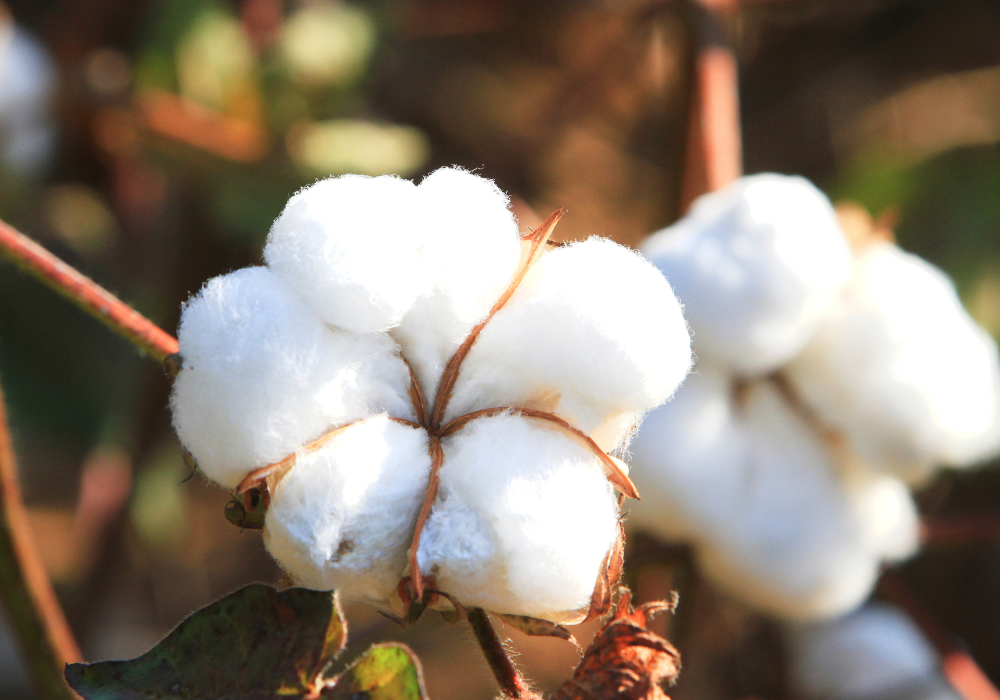
Textile production requires vast amounts of water, with some estimates suggesting that a single cotton shirt might need over 2,700 liters. This excessive consumption strains local water resources, impacting both communities and ecosystems as they face scarcity.
In areas where water is already limited, textile factories can exacerbate shortages, leading to conflicts and environmental degradation. The ripple effect extends to agriculture, as competition for water intestifies. Meanwhile, sustainable alternatives can offer solutions, emphasizing the need for conscious choices.
2. The carbon footprint generated by global shipping and garment transport chains.
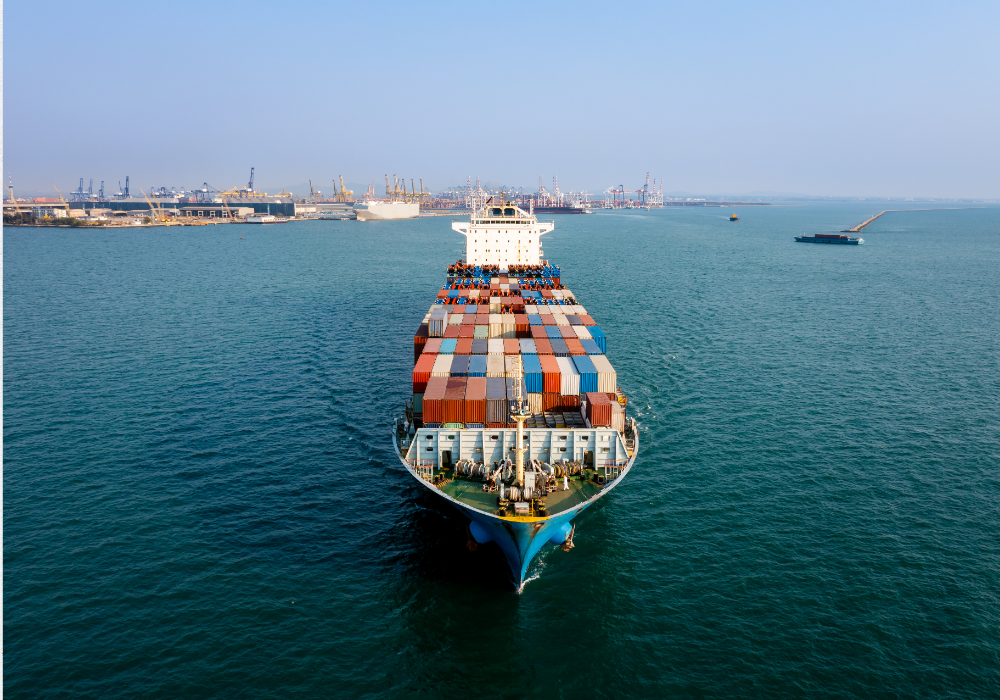
The global reach of fast fashion relies heavily on shipping, which emits significant carbon dioxide. Transport chains span continents, contributing to the industry’s notable carbon footprint. Each step in the journey amplifies its environmental impact.
Consider the extensive logistics from factory to store: every airplane, ship, and truck involved adds to carbon emissions. These emissions contribute to climate change, highlighting the hidden costs baked into cheap clothes. A shift towards local production could mitigate this impact.
3. Resource depletion tied to non-renewable raw materials used in fabrics.
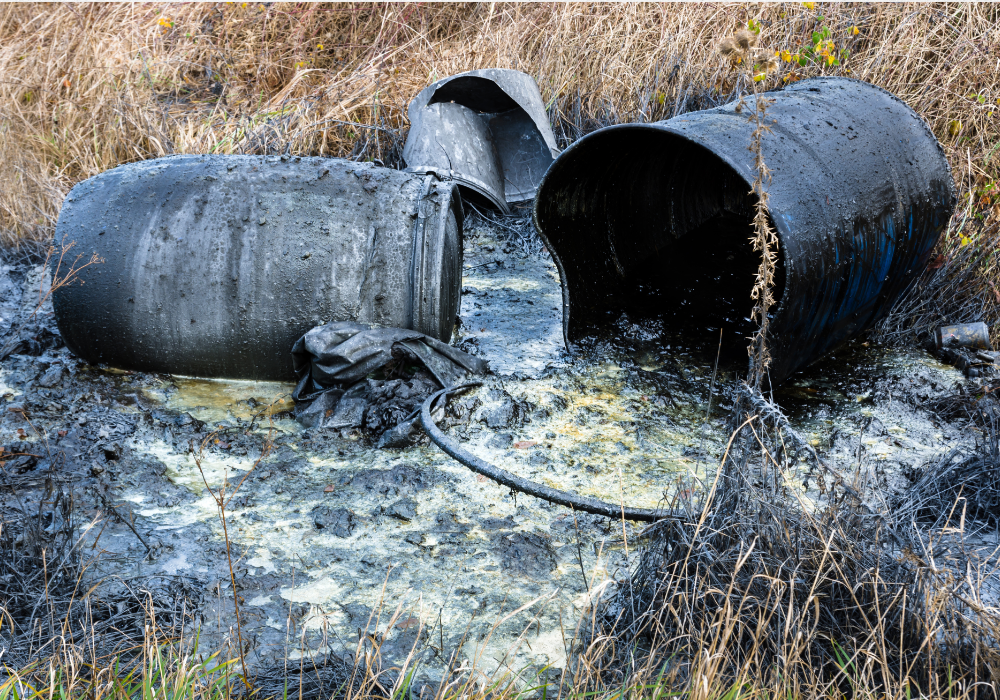
Many synthetic fabrics are derived from non-renewable resources like petroleum, leading to resource depletion. As demand for fast fashion grows, finite materials are strained further, posing a significant challenge to sustainability.
Extraction and processing of these raw materials contribute to environmental harm and increased carbon emissions. Renewable alternatives, such as organic cotton, offer a more sustainable path. By reducing reliance on non-renewable resources, the fashion industry could lessen its ecological burden.
4. Increased landfill waste resulting from discarded, low-quality clothing items.
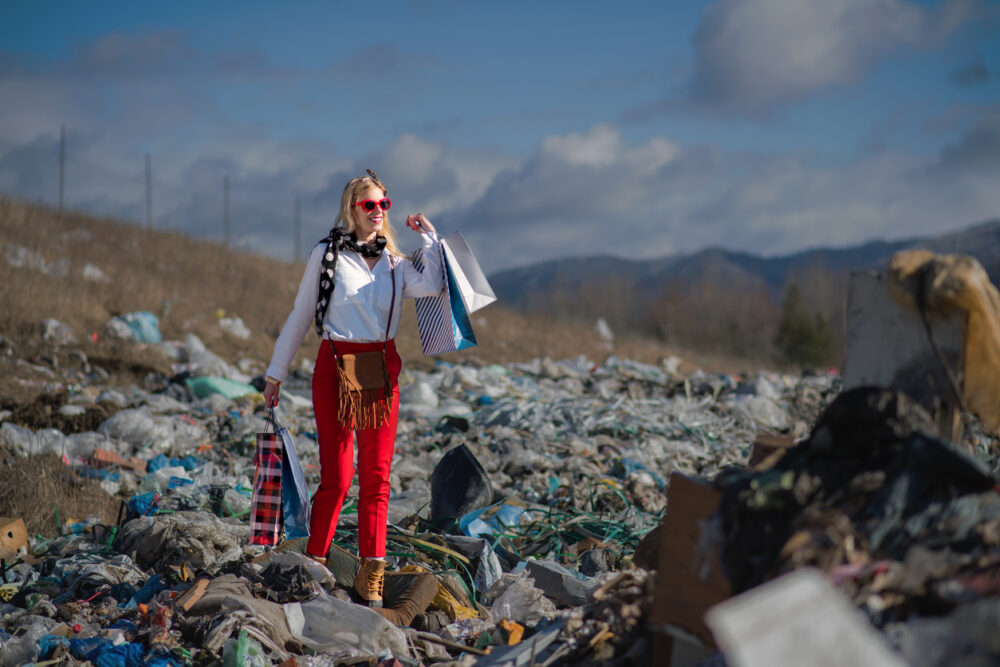
Discarded clothing often ends up in landfills, where synthetic fibers linger for decades without decomposing fully. The rise of fast fashion has propelled this issue, filling landfills with low-quality, inexpensive items quickly discarded.
When these garments break down, they release microplastics into the environment, polluting soil and waterways. With limited recycling options, the problem mounts. Improved waste management and responsible consumption can help address this looming challenge.
5. Energy consumption throughout manufacturing processes contributing to pollution.
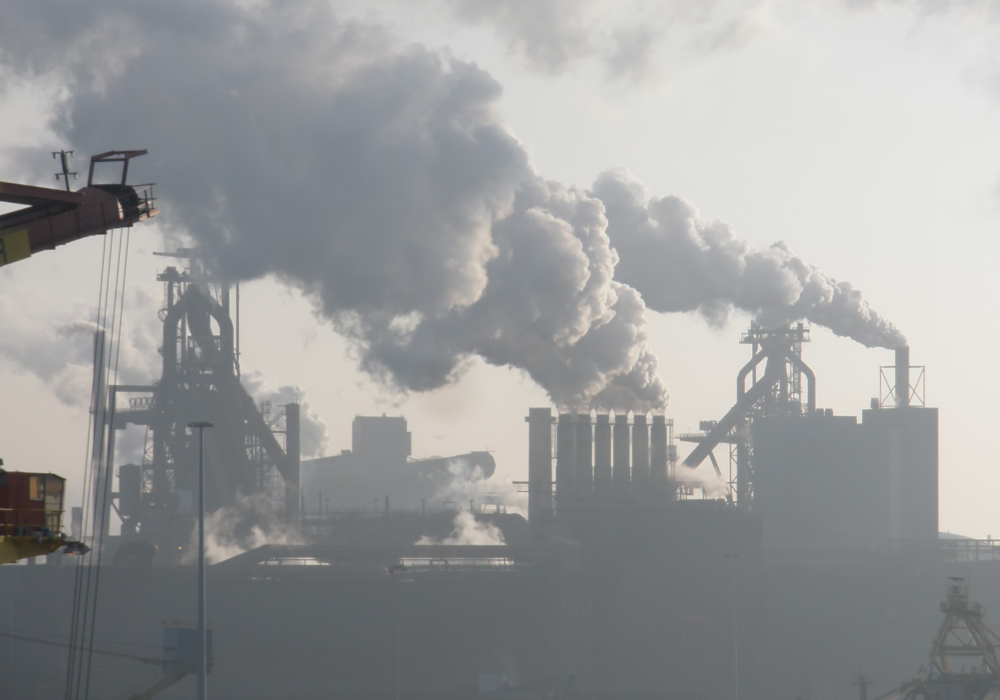
Energy-intensive processes forms the backbone of fashion manufacturing, escalating pollution levels. The reliance on fossil fuels to power these factories adds to global emissions, exacerbating environmental issues.
Efforts to transition towards cleaner energy sources must be prioritized to reduce pollution. Sustainable manufacturers are already adopting such practices, setting a precedent for future industry standards. This shift, however, demands investment and commitment across the sector.
6. The hidden social cost of underpaid labor behind affordable fashion pieces.

Accommodating low-cost demands often involves exploiting labor, with workers receiving inadequate wages. The promise of affordable fashion masks the social toll experienced in production hubs across the globe.
Factory employees frequently endure poor working conditions without basic protections. These hidden social costs are overshadowed by tempting price tags. Greater transparency and ethical practices can transform the apparel landscape, benefiting workers and consumers alike.
7. Chemical pollution from dyes and treatments impacting local ecosystems.

Textile dyeing releases harmful chemicals into waterways, jeopardizing nearby ecosystems. These untreated effluents affect aquatic life, contributing to biodiversity loss and ecosystem degradation.
Communities reliant on these water sources face health risks from contaminated supplies. Addressing this issue involves adopting cleaner, less harmful dyeing methods. Some industry leaders are beginning to implement such practices, aiming to restore balance.
8. The economic impact of fast fashion on sustainable clothing businesses.

Sustainable clothing brands often struggle against fast fashion giants that prioritize speed and cost. This imbalance makes it difficult for ethical businesses to compete, stifling innovation and growth.
Consumers invested in ethical goods support an emerging industry eager to challenge the status quo. Cooperation with retailers and supportive policies can provide these businesses a fair chance in a competitive landscape driven by volume and pace.
9. Loss of biodiversity linked to monoculture crops for textile fibers.
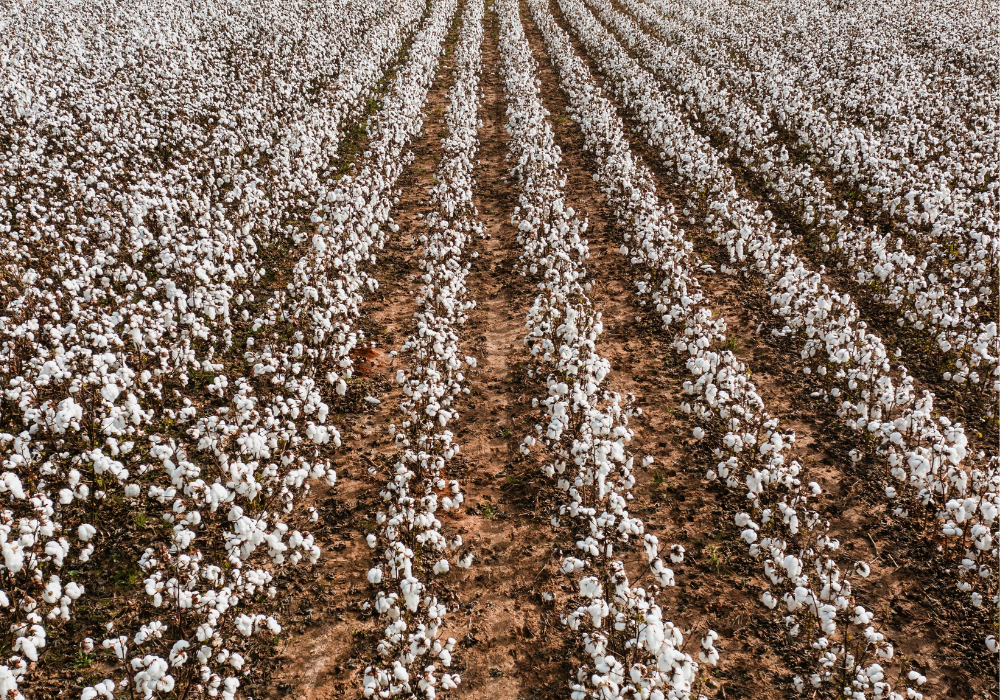
Monoculture farming for textile crops like cotton undermines biodiversity. This practice exhausts soil nutrients, increasing vulnerability to pests and diseases.
Reduction in natural pest-resistant species prompts pesticide reliance, further degrading land quality. Encouraging diversified farming practices can restore ecological harmony, supporting the sustainability of both crops and the ecosystems they inhabit.
10. Water pollution caused by untreated industrial wastewater from factories.
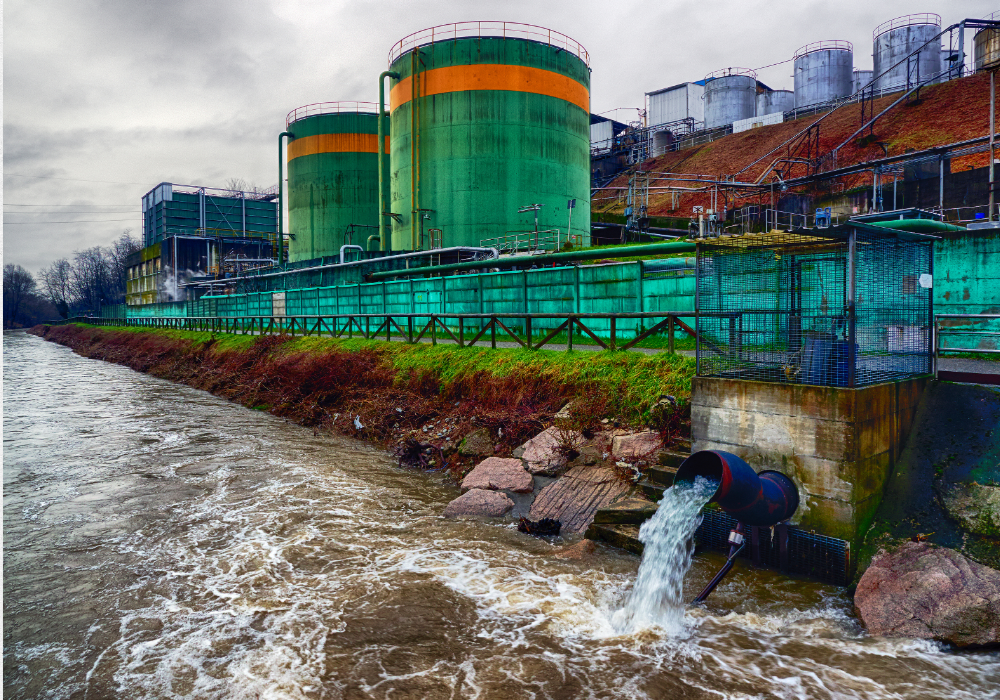
Factory wastewater often contains chemicals harmful to aquatic environments, leading to pollution. Untreated discharges from textile factories disrupt ecosystems and pose health risks to local communities.
Effective wastewater treatment systems can mitigate these harmful effects, yet remain underutilized. Collaborative efforts for implementation promise a cleaner future, supporting both industry growth and environmental protection.
11. Accelerated consumption habits leading to a throwaway culture of fashion.
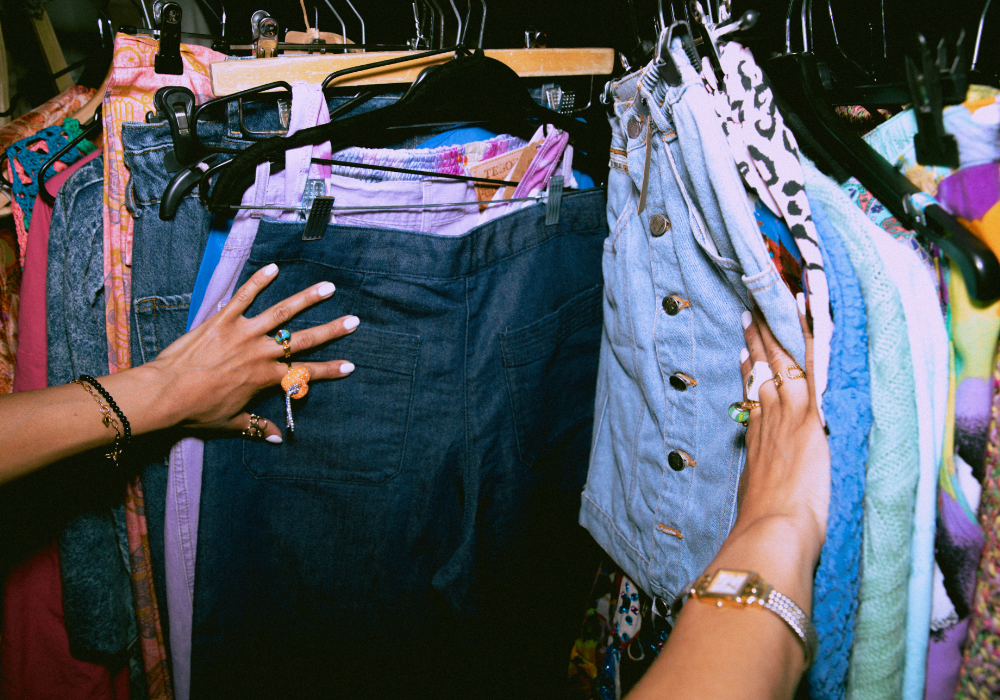
Fast fashion thrives on rapid consumption, nurturing a culture of disposability. This pattern fosters the continuous need for new items, significantly escalating resource use.
This cycle places enormous pressure on production to meet unrelenting demand. Encouraging a culture that values mindful consumption can slow this momentum, fostering appreciation for clothing with longer life cycles.
12. The long-term cost of clothing designed with poor durability standards.

Garments designed with short-lived durability contribute to waste, as frequent replacements become necessary. Despite low initial costs, these items incur higher long-term expenses for consumers and the environment.
Moreover, frequent cast-offs increase landfill pressure and waste management challenges. Selective purchasing of quality apparel promotes longevity, conserving resources, and minimizing environmental impact.