
Familiar fixtures are vanishing as technology makes home life smarter, simpler, and more connected.

As habits shift and technology advances, several once-essential household items are quietly disappearing. From paper-based tools to single-function gadgets, many familiar fixtures are losing their place in modern homes. Smartphones, cloud services, and smart home devices now offer streamlined solutions that replace bulky or outdated products. Knowing what’s on its way out can help you declutter with purpose, embrace more efficient alternatives, and create a space aligned with how we live today.
1. Landline telephones fading as mobile devices take over communication.
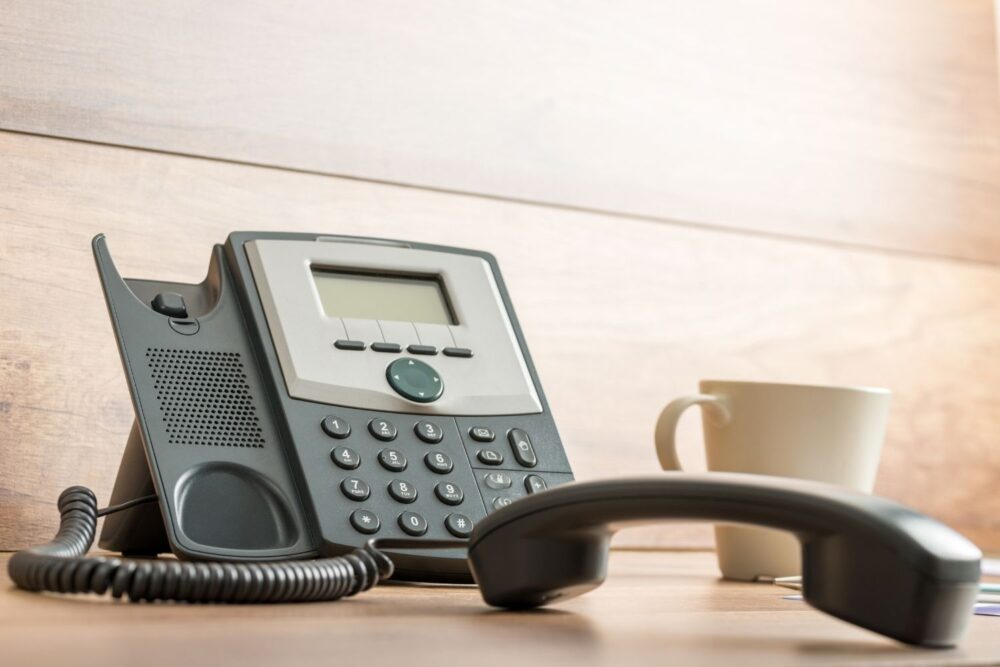
Hardwired landline phones connect through copper or fiber cables, delivering voice calls without relying on wireless networks. Once a household staple, they stood out for reliability even during power outages, often anchored by a chunky handset on the kitchen wall.
Fewer families keep them today as mobile phones offset the need. Cell towers and Wi-Fi networks now carry nearly all calls, with smartphones offering messaging, video chat, and location sharing—all in hand, not fixed to a wall plate.
2. Alarm clocks being replaced by smartphones and smart speakers.

Digital alarm clocks use electric circuits and displays to keep time and sound an alert at a set moment. Once blocky and glowing red beside most beds, they helped structure mornings for decades.
Now, clocks have folded into phones and smart speakers, which don’t just beep—they stream music, respond to voice commands, and adjust automatically with daylight saving changes. A single device now plays multiple roles at once while saving space on crowded nightstands.
3. DVD players losing ground to streaming services and digital libraries.
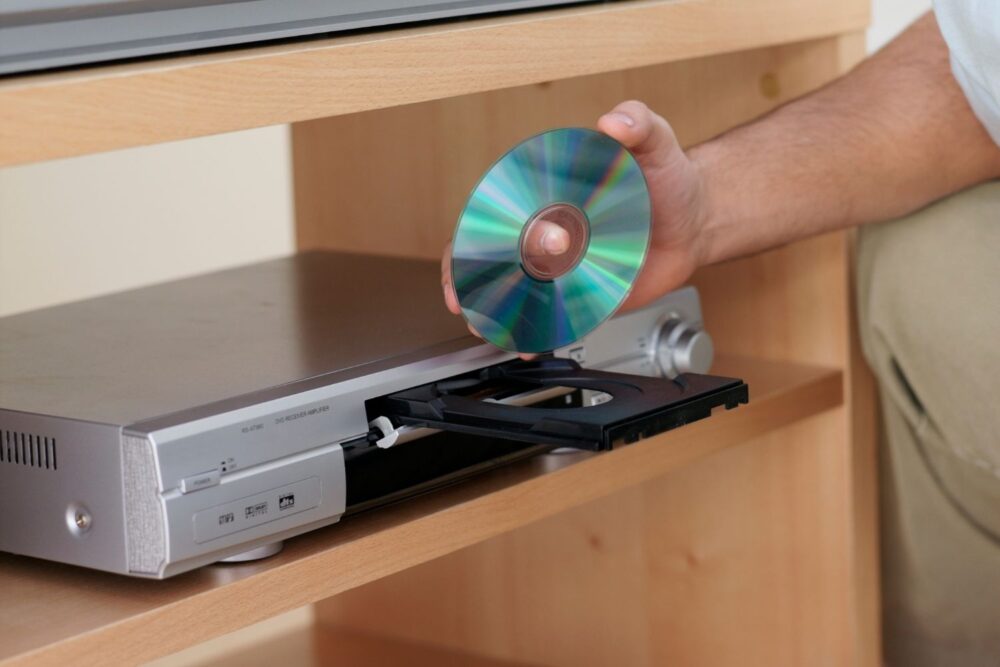
DVD players read optical discs using a low-powered laser to decode digital video signals. Their spinning whir was background noise in many living rooms as plastic cases lined home shelves.
With streaming platforms offering instant access to film libraries, fewer households rely on physical discs. Resolutions run higher now, and without storage bins or tangled cords, families now navigate entertainment menus instead of crate after crate of old DVDs.
4. Desktop computers disappearing from everyday home use.

Standard desktop computers include a separate monitor, tower, and keyboard, built for stable workspaces and long hours of use. They deliver power and upgrade options but take up significant room.
Laptops and tablets now handle everyday tasks like email, browsing, and video calls, while desktops retreat to specialized setups. On kitchen counters or coffee tables, the bulk of a clunky tower feels out of step with modern, nimble routines.
5. Traditional doorbells swapped for smart video doorbell systems.

Traditional doorbells use mechanical or chime systems triggered by a button, usually wired into a home’s electrical circuit. Press and ding—it’s all they did for decades.
Smart doorbells add video, alerts, and remote access via apps, letting homeowners see who’s there, even while out. As security and delivery messages stack up, that simple ding-dong no longer keeps pace with modern entryways or online shopping habits.
6. Rolodexes becoming relics in the age of digital contacts.

A Rolodex is a rotating file device that holds contact cards, often perched beside corded phones or clunky 90s fax machines. Its flip action clicked through alphabetized names with a satisfying rhythm.
Contact info now lives in cloud accounts, searchable, synced, and backed up across devices. Paper cards for business numbers feel clunky when names, job titles, and email chains update in real time, reflecting a faster communication pace.
7. Standalone GPS units replaced by phone navigation apps.

Standalone GPS units rely on satellite signals to map directions from one location to another. Clipped to dashboards, some models spoke slowly while users hunted for a street turn.
Today, smartphones integrate navigation with live traffic updates, voice control, and rerouting functions. GPS functionality no longer needs its own screen or suction mount—pockets replaced the need for plastic bricks stuck to windshields.
8. Answering machines fading as voicemail becomes the norm.
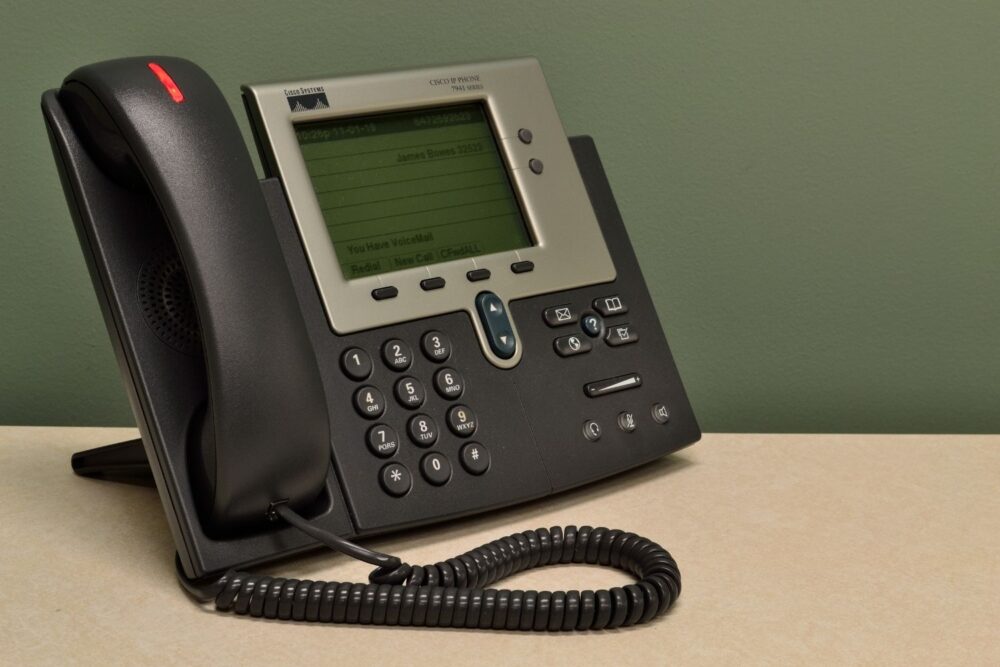
Answering machines recorded voice messages onto cassettes or digital chips when calls went unanswered. A blinking light or small screen signaled a waiting playback.
Voicemail shifted that process into mobile networks and servers, removing physical tape and manual rewinding. Most people now expect to retrieve messages through apps or visual listings, not by pushing a button and listening to static-filled recordings.
9. Incandescent bulbs phased out in favor of efficient LED lighting.

Incandescent bulbs produce light by passing electricity through a filament until it glows. They give off warmth and a recognizable yellow tone but waste a lot of energy.
LED bulbs use semiconductors to emit light more efficiently, lasting far longer and running cooler. In most fixtures today, a screw-in LED draws far less power and slashes utility bills while giving off comparable brightness.
10. Paper calendars replaced by synced digital scheduling apps.

Paper calendars organize dates in grids, often adorned with scenic photography and thumbtack holes. They hang in kitchens, office cubicles, or taped inside closet doors.
Digital calendars offer color-coding, reminders, and access across multiple devices. Updates sync with contacts, account settings, and time zones—far beyond what handwriting in ink can offer. Skipping a parent-teacher meeting or flight check-in becomes less likely with real-time syncing.
11. Fax machines losing relevance with increased digital document sharing.
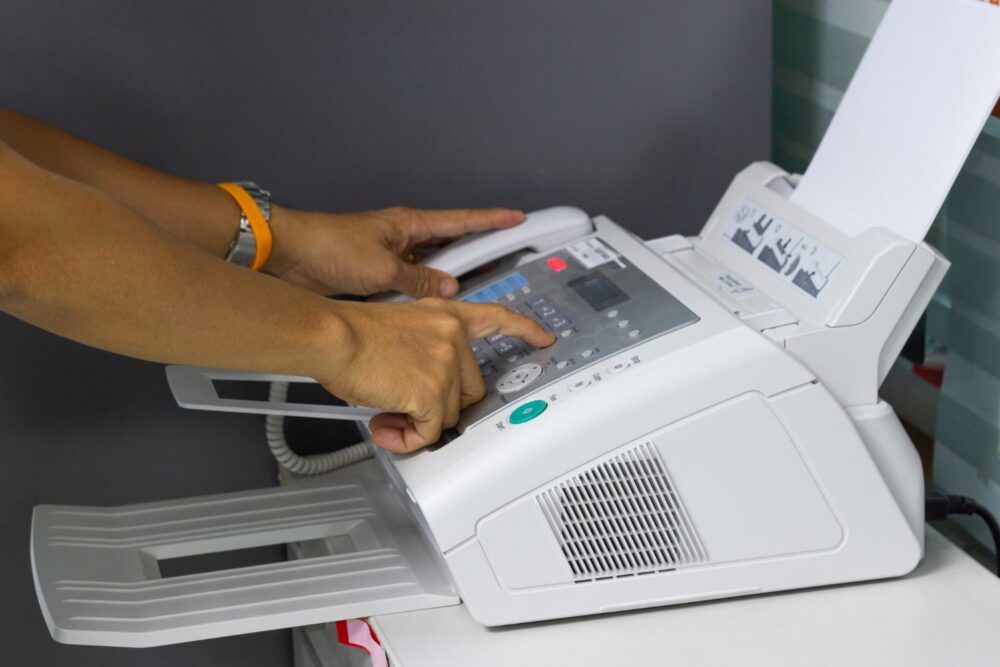
Fax machines scan paper documents and transmit their images over phone lines to another machine, which prints them out. Offices once hummed with the sound of paper slowly feeding through these whirring boxes.
Today’s document sharing favors email attachments, cloud links, and e-signatures, which reduce waste and boost speed. No toner cartridges or busy signals—just quiet file transfers with fewer misprints and far less waiting.