
Rising seas and scorching heat are quietly triggering a mass migration.

The climate crisis isn’t a distant threat—it’s already uprooting lives. From wildfires in the West to floods in the South, people are quietly packing up and starting over in safer places. This isn’t just about beachfront properties or drought-prone towns—it’s a full-blown migration shift happening beneath the radar. Climate refugees, once a term for distant crises, now include American families fleeing rising insurance rates, repeated evacuations, and unlivable heat. As they resettle, they’re reshaping the political, economic, and cultural future of the regions they move to.
1. Minneapolis–St. Paul, Minnesota is drawing climate refugees with its mild summers and strong infrastructure.
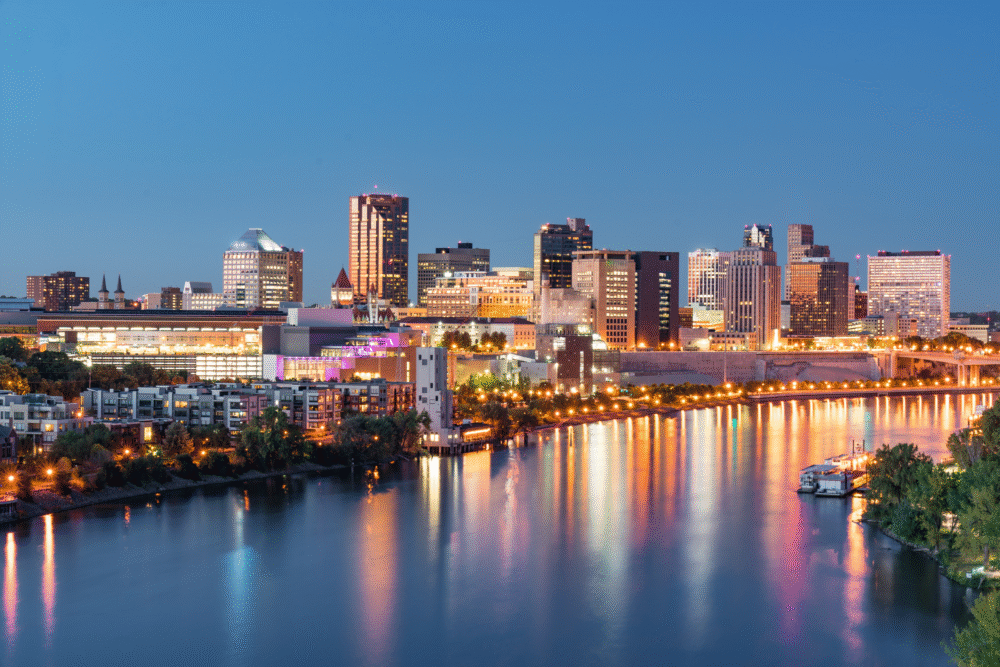
This metro area has become an unexpected safe haven for those fleeing heat, wildfires, and hurricanes. Its low risk of natural disasters, abundant freshwater, and solid infrastructure make it appealing. While winters can be harsh, the consistent investment in transit, healthcare, and education balances the chill.
Many climate migrants from the West and South are trading extreme weather for a more predictable environment. As a result, housing demand is rising, and city leaders are already discussing how to prepare for even more arrivals in the coming years.
2. Pittsburgh, Pennsylvania offers stable weather and room to grow.
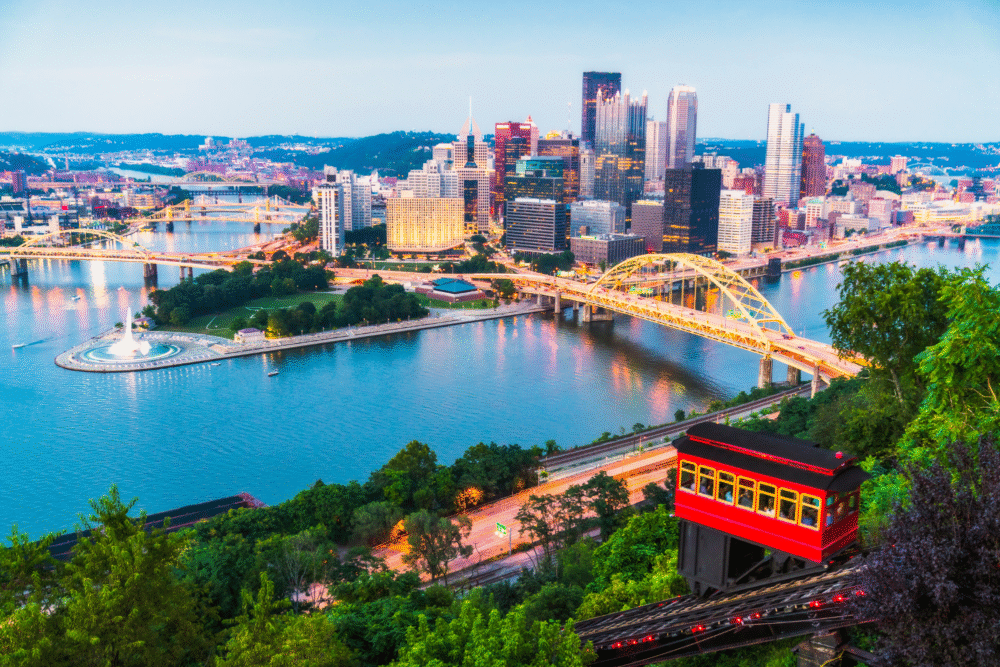
Once known for its smokestacks, Pittsburgh is now being rebranded as a climate-resilient city. With no wildfire season, minimal hurricane risk, and a relatively low chance of extreme drought, it’s attracting climate-conscious movers. Its affordable housing and growing tech and medical industries make it especially appealing to younger families and professionals looking to rebuild.
City planners have started emphasizing green infrastructure and sustainable growth to meet increasing demand. The irony? A city once choked by industry may now be one of the safest places to ride out the climate storm.
3. Burlington, Vermont is becoming a magnet for climate migrants.
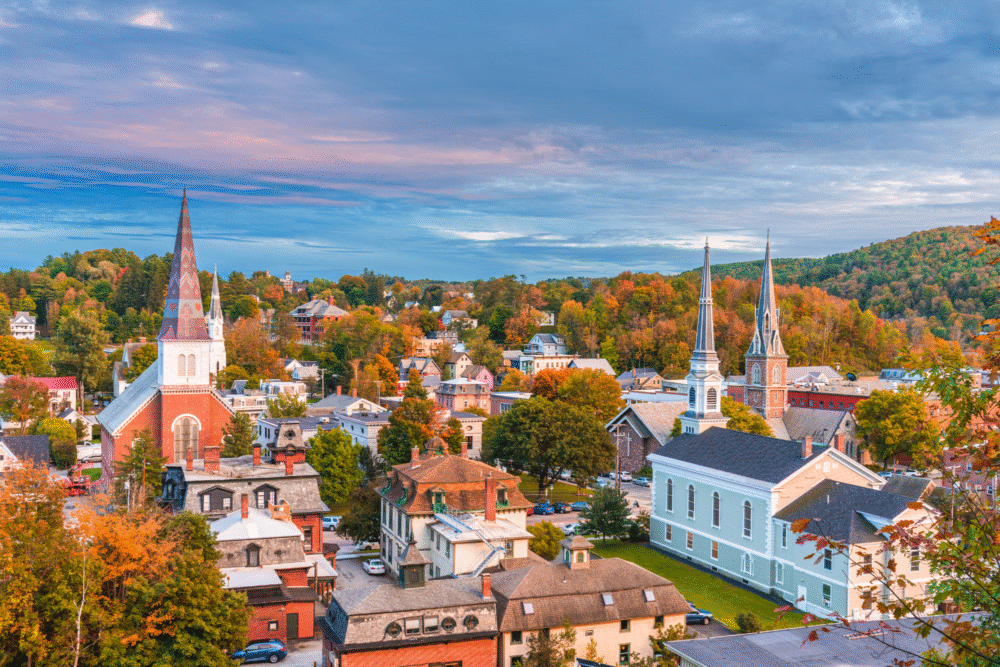
Tucked away in the Northeast, Burlington is small, green, and surrounded by water that won’t run out. It’s mostly shielded from wildfires, flooding, and unbearable heat. That makes it a quiet winner in the age of climate migration.
Though housing costs are rising and winters can be intense, many people escaping places like Arizona or Florida see it as a fair trade. The community is known for its environmental values, and local leaders are already preparing for a future with more people arriving—many seeking not just safety, but sustainability and a fresh start.
4. Madison, Wisconsin is booming thanks to its climate resilience.

This college town is no longer just for students and cheese lovers. Its location shields it from hurricanes, extreme drought, and sea-level rise—making it a climate-safe city. The combination of reliable freshwater from nearby lakes and a strong local economy is driving an influx of people leaving high-risk zones.
Home prices have started to rise, and the city is beginning to examine how to grow smartly while protecting what makes it livable. It’s not without winter, but to those fleeing fire, flood, or extreme heat, Madison’s calm and steady vibe feels like a major upgrade.
5. Columbus, Ohio is flying under the radar but gaining new residents fast.
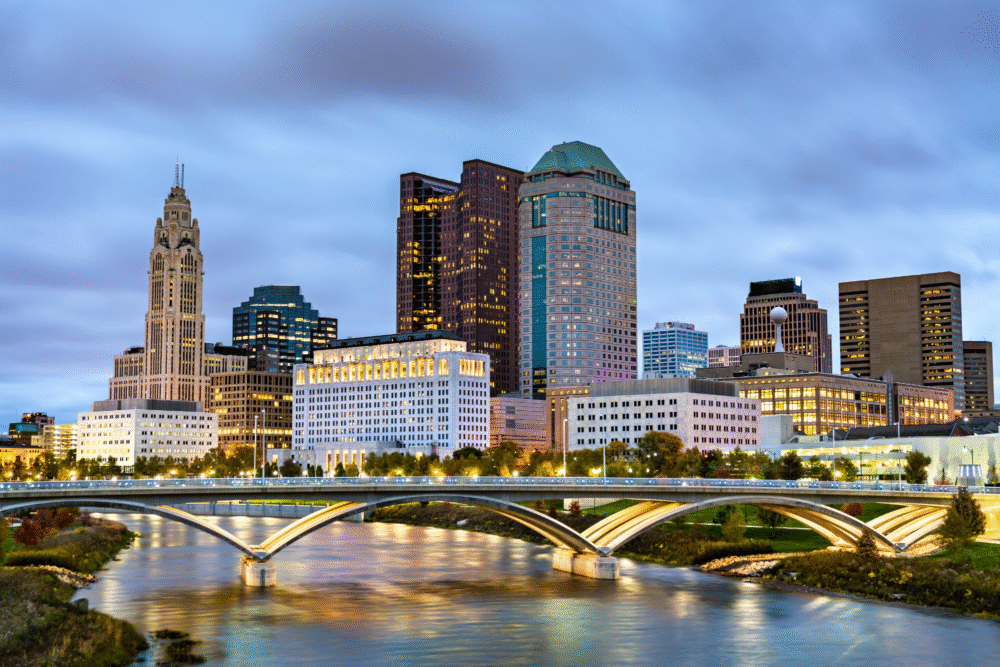
Ohio might not scream “climate haven,” but Columbus is checking a lot of boxes: moderate weather, strong economy, lower cost of living, and minimal exposure to climate-related disasters. It’s drawing both domestic climate migrants and international newcomers seeking stability.
The city is working to expand green space and sustainable housing to meet growing demand. Residents from places like California and Louisiana are arriving with stories of evacuation fatigue and unaffordable insurance. Columbus offers them a reset—one with fewer weather-related worries and the promise of an easier day-to-day life.
6. Duluth, Minnesota was once cold and quiet—now it’s a climate refuge.

Duluth’s location on Lake Superior gives it an edge: abundant water, cool summers, and limited risk of disasters. That’s catching the eye of people tired of wildfire smoke, flooding, or weeks of triple-digit temperatures. Even local officials are leaning into the “climate haven” identity, prepping infrastructure for a larger population.
What used to be considered “too cold” is now being embraced as just right. Of course, challenges remain—job opportunities are still limited—but to those who’ve watched their hometowns get swallowed by fires or floods, Duluth offers peace of mind and a chance to start over.
7. Buffalo, New York is transforming into an unlikely climate destination.
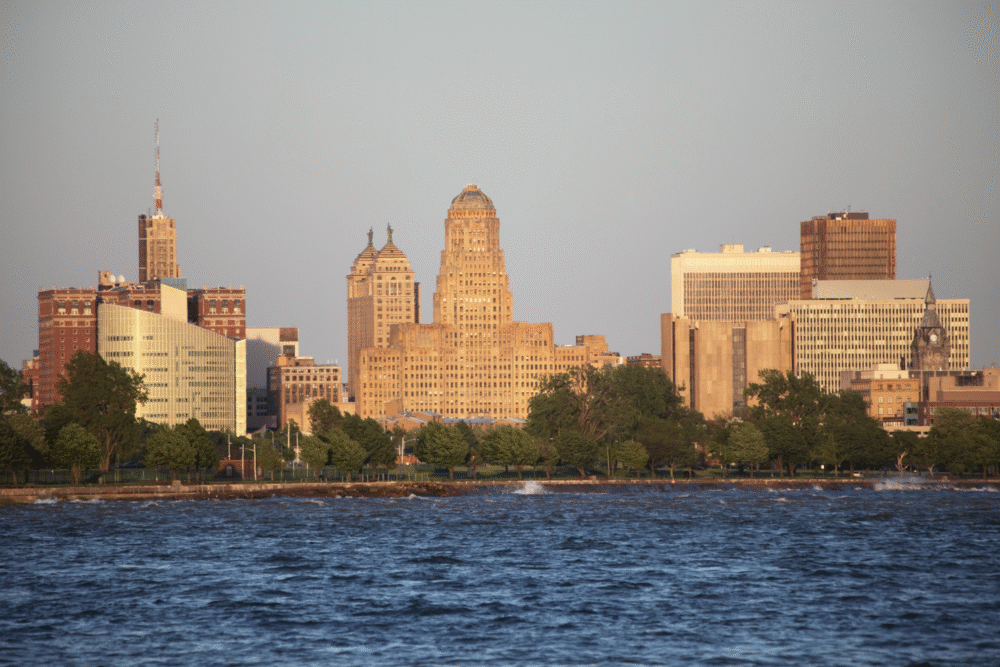
This old industrial city isn’t what it used to be—climate migrants are giving it a second life. Buffalo has plentiful freshwater, no wildfire season, and it’s well inland from coastal hurricanes. While winters can be tough, its housing is still more affordable than in most cities seeing population growth.
Some families moving from flood-prone areas in the South or wildfire regions in the West see Buffalo as a long-term bet. Officials are starting to promote climate preparedness in public messaging, and sustainable development is gaining traction. It’s no Miami—but that’s the whole point.
8. Ithaca, New York is quietly emerging as a top climate refuge.

Located in the Finger Lakes region, Ithaca offers a rare combination of climate safety and progressive planning. It’s far from rising seas, wildfires, and extreme heat, making it attractive to people seeking long-term stability. The city has abundant freshwater, a cooler climate, and a strong sustainability culture led by Cornell University and local initiatives. Ithaca’s government has committed to climate resilience, developing infrastructure to support future population shifts.
Though winters can be harsh, they’re preferable to the dangerous conditions elsewhere. With affordability still intact and a quality-of-life focus, Ithaca is becoming a magnet for climate-conscious movers.
9. Spokane, Washington offers a break from the West Coast’s disasters.
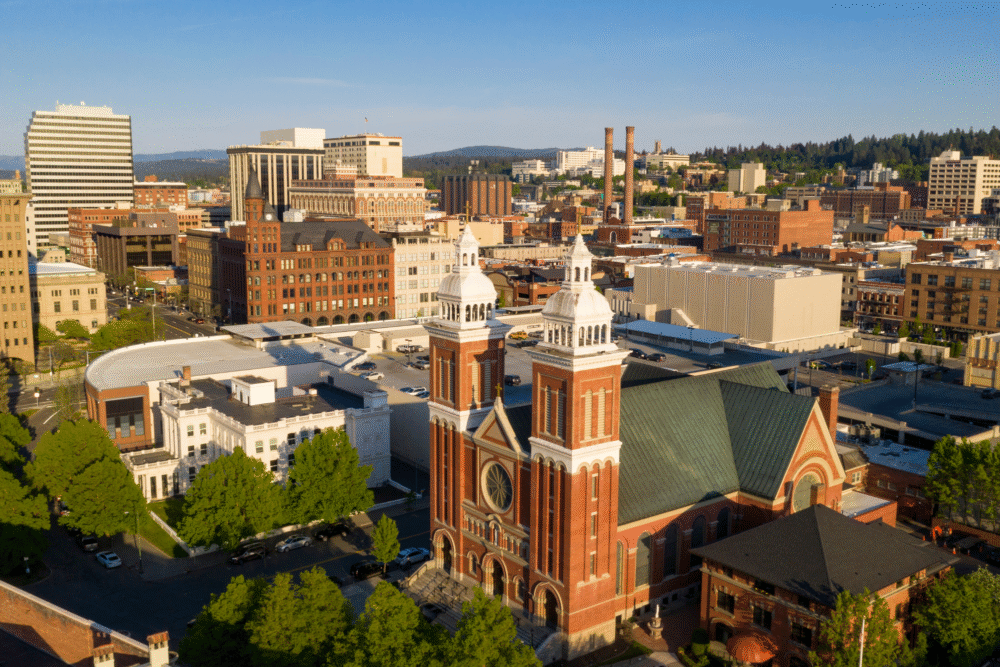
Located away from the wildfire-prone Pacific coast and far from major earthquake zones, Spokane is emerging as a climate destination. It has reliable water sources, cooler summers, and four-season appeal. While not immune to fire danger entirely, it faces far less risk than places like Northern California or southern Oregon.
It’s also more affordable than Seattle or Portland, which are seeing both population and climate-related pressures. Climate migrants arriving here are often looking to stay in the West without the daily stress of smoke, heat domes, or emergency alerts. Spokane feels like a refuge—one with room to grow.
10. Ann Arbor, Michigan is leaning into its climate-safe reputation.

Ann Arbor is already a leader in sustainability planning, and its position away from coasts, fires, and drought zones makes it especially appealing. It has a strong economy, a major university, and lots of investment in climate resilience. For people who are tired of rebuilding after storms or watching fire maps like weather reports, Ann Arbor feels proactive.
The city has set bold goals for carbon neutrality and is preparing for growth with an eye toward equity and sustainability. As climate migration picks up, places like Ann Arbor will become more than just Plan B—they’ll be the new blueprint.