
Extreme weather events have already caused $101 billion across the U.S., scientists confirm.
The first half of 2025 has set a grim new record for climate-related destruction. According to recent analyses by NOAA and insurance researchers, more than $100 billion in damage has already been recorded from wildfires, severe storms, and flooding across the United States. Experts say the pace and scale of these disasters mark the costliest start to any year on record, highlighting how a warming climate is intensifying weather extremes and straining disaster-response systems nationwide.
1. The Costliest Start to a Year on Record
The first half of 2025 has already made history as the most expensive six-month period ever recorded for climate and weather disasters. Total losses have exceeded $100 billion, a figure driven by destructive wildfires, severe storms, and widespread flooding across the United States. Experts say this pace of loss is roughly double the long-term average, highlighting how extreme weather is becoming both more frequent and more costly.
Analysts warn that these escalating costs are tied to a combination of warmer oceans, drier landscapes, and expanding development in high-risk areas. As urban centers grow into floodplains and wildfire zones, the potential for record-breaking damage increases each year.
2. America Accounts for Most of the Global Damage
The United States bore the brunt of the world’s weather-related losses in early 2025, accounting for over 90 percent of all insured damages worldwide. From California to the Gulf Coast, nearly every region experienced costly events ranging from billion-dollar storms to large-scale wildfires.
This dominance underscores the country’s unique exposure to climate extremes and its extensive insured infrastructure. Experts note that while other nations face similar hazards, the sheer value of U.S. property and the clustering of assets in risk-prone regions amplify the global cost burden.
3. California Wildfires Set New Records

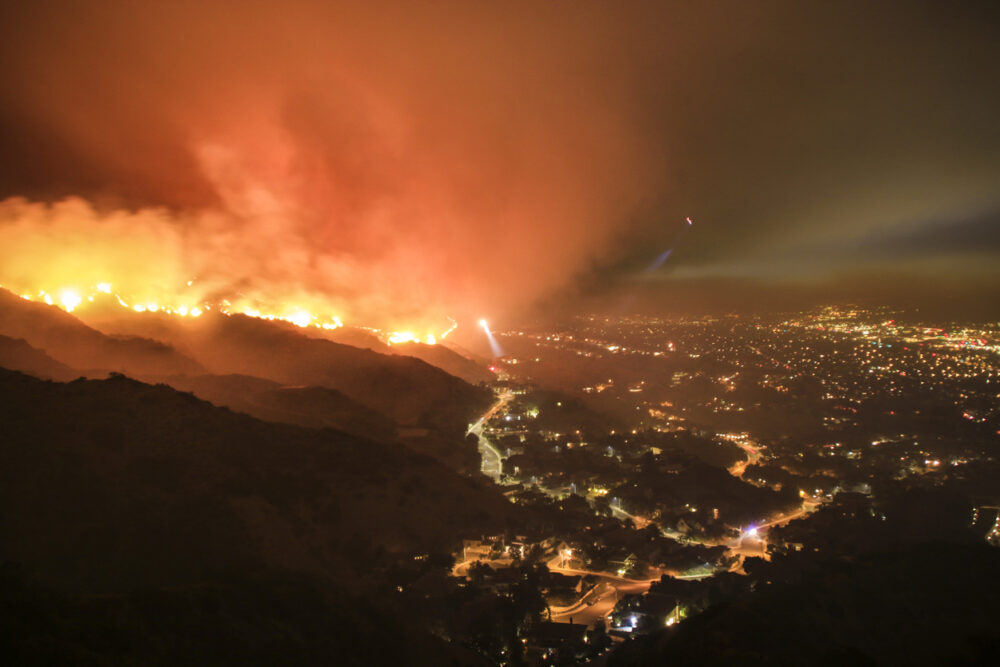
California’s early 2025 wildfire season was the most destructive on record, with insured losses estimated at over $40 billion. Fueled by strong winds, low humidity, and record heat, the fires devastated communities in Southern California, destroying thousands of homes and overwhelming emergency resources.
Researchers say a combination of climate change, overgrown vegetation, and development in fire-prone areas has increased both the intensity and reach of modern wildfires. The event underscored how quickly local weather patterns and human factors can collide to create national-scale disasters.
4. Severe Storms Drove Billion-Dollar Losses
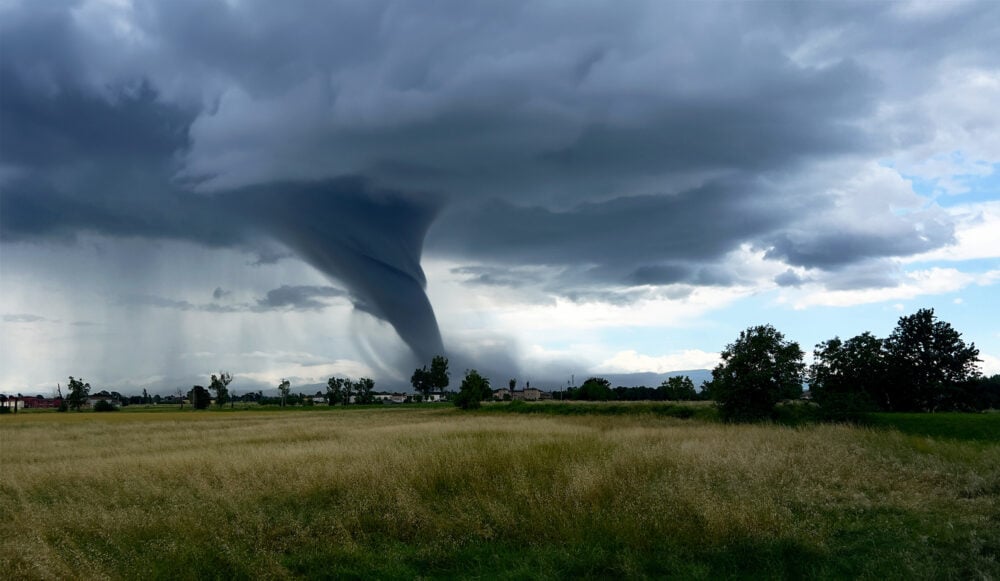
Thunderstorms, hail, and tornadoes in the central and eastern United States contributed heavily to the record-breaking costs of 2025’s first half. Several outbreaks of severe convective storms caused widespread property damage, power outages, and infrastructure losses.
Although each storm event was localized, the cumulative effect of dozens of smaller systems resulted in billions of dollars in damages. Scientists say these patterns reflect shifting atmospheric conditions that favor larger, longer-lasting storm systems fueled by warmer air and higher moisture levels.
5. Flooding Events Intensify Nationwide

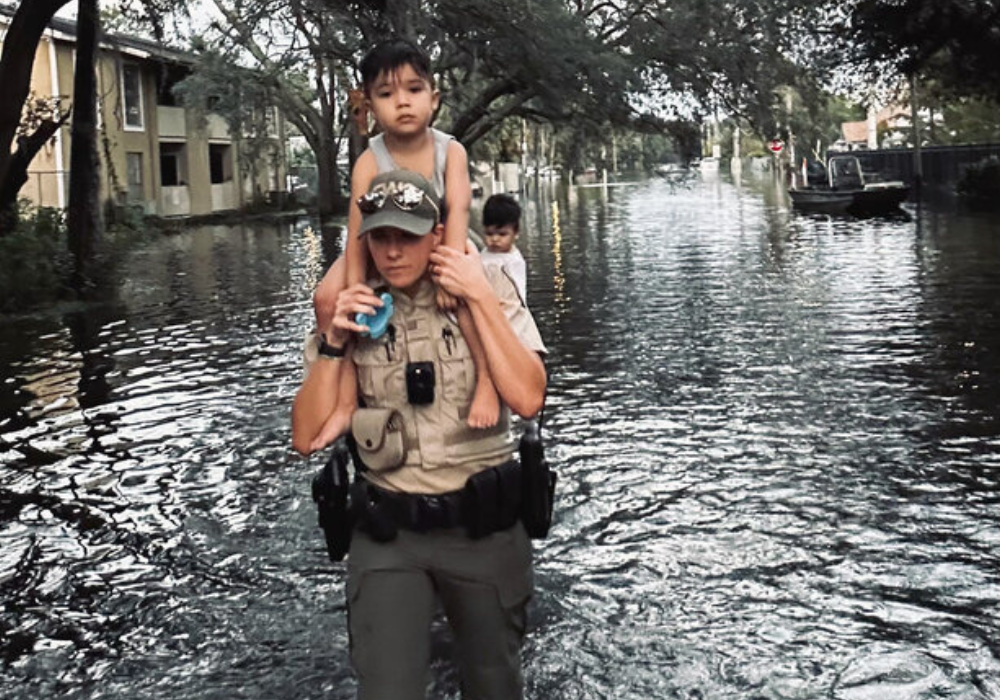
Flooding remains one of the costliest forms of climate-related destruction, and 2025 has been no exception. Heavy rainfall in the Midwest and Southeast triggered severe river flooding, submerging homes, farmland, and major highways.
Hydrologists report that the intensity and frequency of these floods are increasing due to higher rainfall totals and outdated drainage systems. The result has been mounting costs not just in direct property damage, but also in lost productivity, crop failures, and long-term recovery needs for affected communities.
6. Economic Losses Reach Historic Levels
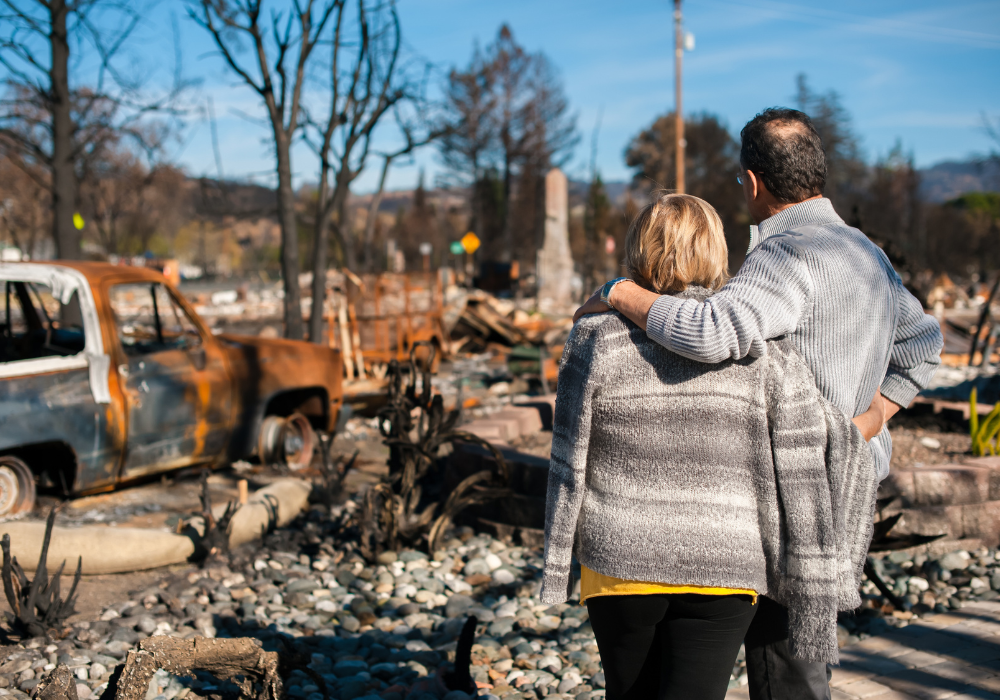
Total global economic losses from natural disasters in the first half of 2025 are estimated between $150 billion and $160 billion, far exceeding the decade average. Insured damages alone make up more than half that total, signaling both the magnitude of recent events and the growing role of private coverage.
Even with this high insured share, significant losses remain uncovered, especially in regions with limited access to insurance. Analysts warn that underinsurance leaves households and governments carrying much of the recovery burden, particularly as disasters become more frequent.
7. Insurers Brace for a Record-Breaking Year

Insurance and reinsurance companies are warning that the second half of 2025 could push total global losses beyond $150 billion for the year. Historically, the latter half of the calendar includes hurricane season, when the majority of annual insured losses occur.
Industry analysts say these record first-half figures are straining coverage models and may lead to higher premiums for both homeowners and businesses. If current trends continue, 2025 could surpass every previous year for total insured losses on record.
8. Climate Change Is Magnifying Every Type of Disaster
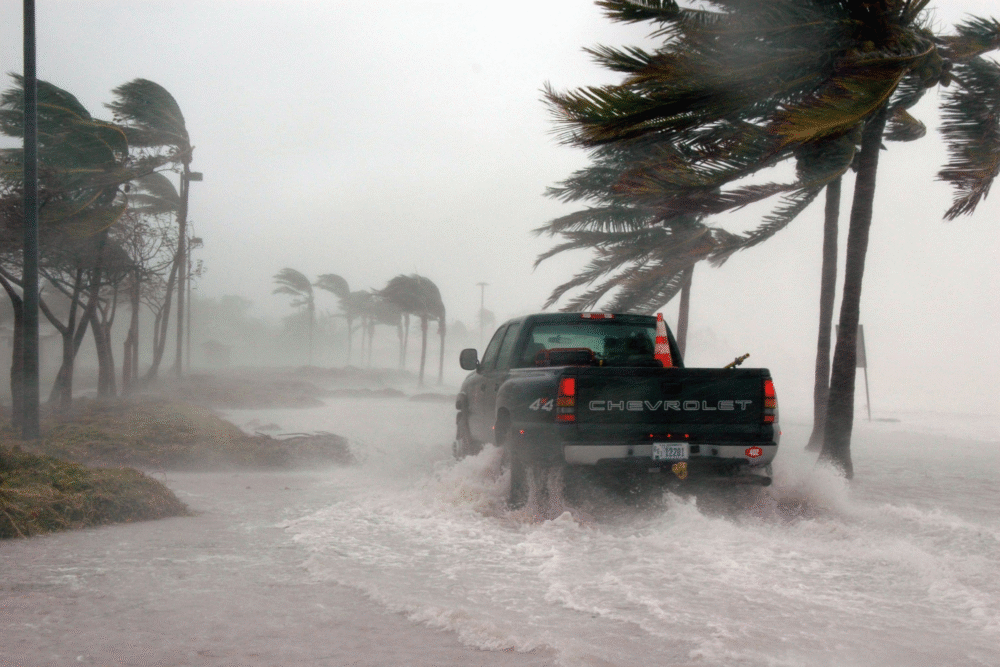
Climate scientists emphasize that the rise in record-breaking costs is not merely bad luck—it’s a direct consequence of a warming planet. Higher ocean temperatures are fueling stronger storms, while prolonged drought and heat are intensifying wildfires and stressing ecosystems.
Each of these effects interacts, compounding the damage. The same heat that dries forests also increases atmospheric moisture, which leads to heavier rainfall events elsewhere. The result is a climate system capable of producing more destructive extremes on multiple fronts simultaneously.
9. Urban Growth Is Expanding Risk Zones

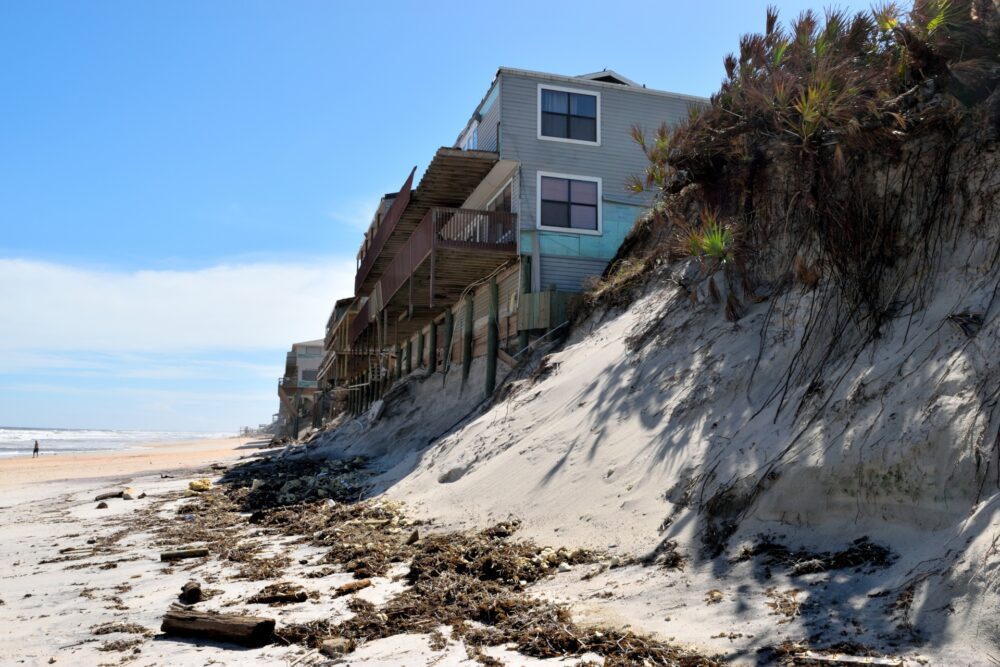
Rapid development in coastal regions, floodplains, and wildfire-prone areas has greatly magnified potential losses. As cities sprawl outward, billions of dollars in new construction are occurring in zones historically considered too dangerous for large-scale habitation.
Experts note that while improved building codes and technology can reduce some risk, the concentration of valuable assets in vulnerable locations remains a major driver of record losses. Urban planners are now under pressure to balance housing demands with long-term climate resilience.
10. 2025 May Signal a New Normal for Climate Costs

With disasters growing more destructive and frequent, experts say the first half of 2025 may mark the beginning of a “new normal” for global losses. Each year now seems to bring higher totals, surpassing what once were considered extraordinary figures.
Researchers caution that adaptation measures—like hardening infrastructure, improving early-warning systems, and reducing emissions—will be critical to containing future damage. Without such action, the combination of warming temperatures and expanding development could make each coming year even more expensive than the last.