
Scientists warn that warming seas and fewer prey are forcing whales and dolphins into unfamiliar and dangerous waters.
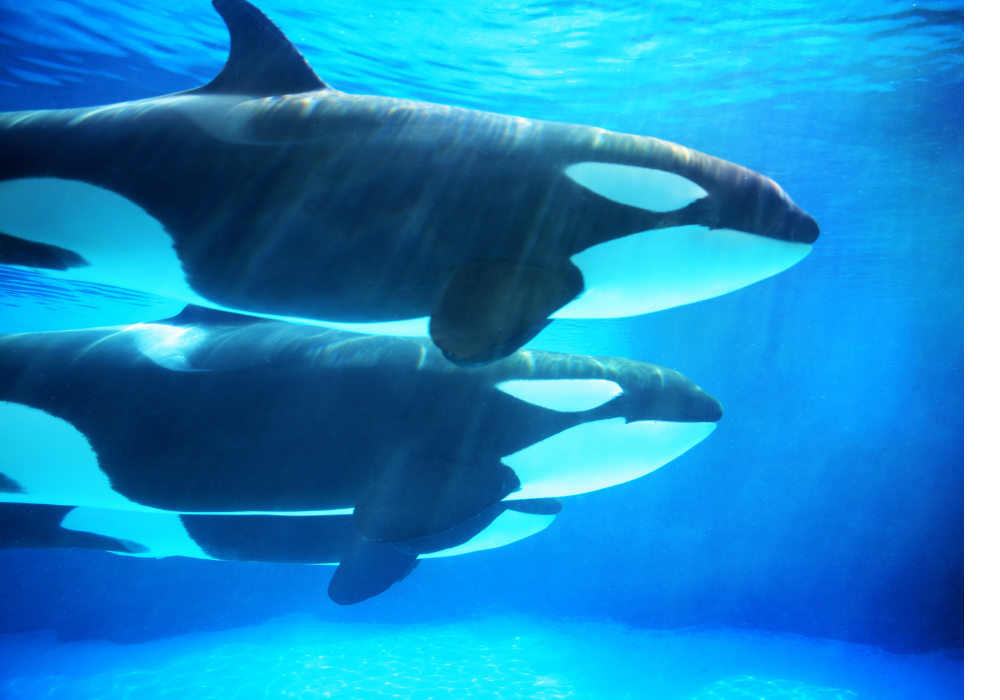
Whales and dolphins, once predictable navigators of ocean currents and feeding grounds, are now being pushed off course by climate change. Rising sea temperatures, collapsing prey populations, and shifting habitats are scrambling the ancient migration routes these marine mammals have followed for millennia. Researchers say the result is more whales showing up in unexpected locations, thinner bodies after failed feedings, and greater risk of getting tangled in fishing gear or struck by ships. The marine world’s great travelers may be facing their most perilous journey yet.
1. Warming Oceans Are Changing the Rules of Marine Migration
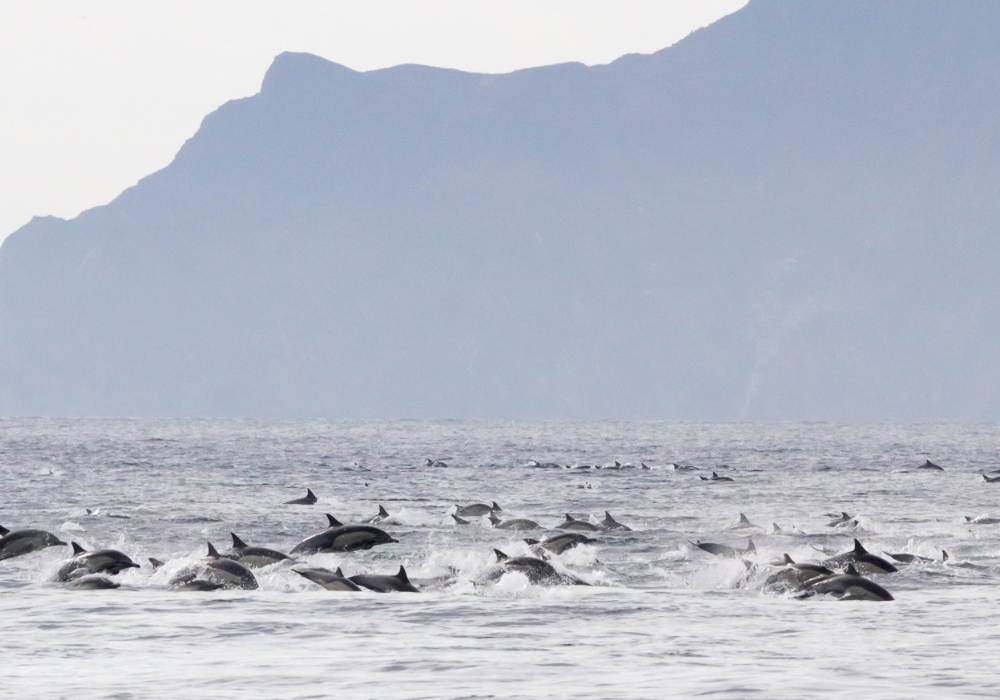
Scientists have confirmed that rising sea temperatures are disrupting the seasonal movement of whales, dolphins, and other marine mammals worldwide. These species rely on temperature cues, ocean currents, and food availability to guide their migrations across thousands of miles.
As oceans warm unevenly, traditional feeding and breeding routes are shifting. Animals are arriving earlier or later than normal—or not at all—at sites they’ve returned to for centuries, creating ripple effects throughout entire marine ecosystems.
2. Whales and Dolphins Depend on Predictable Ocean Patterns
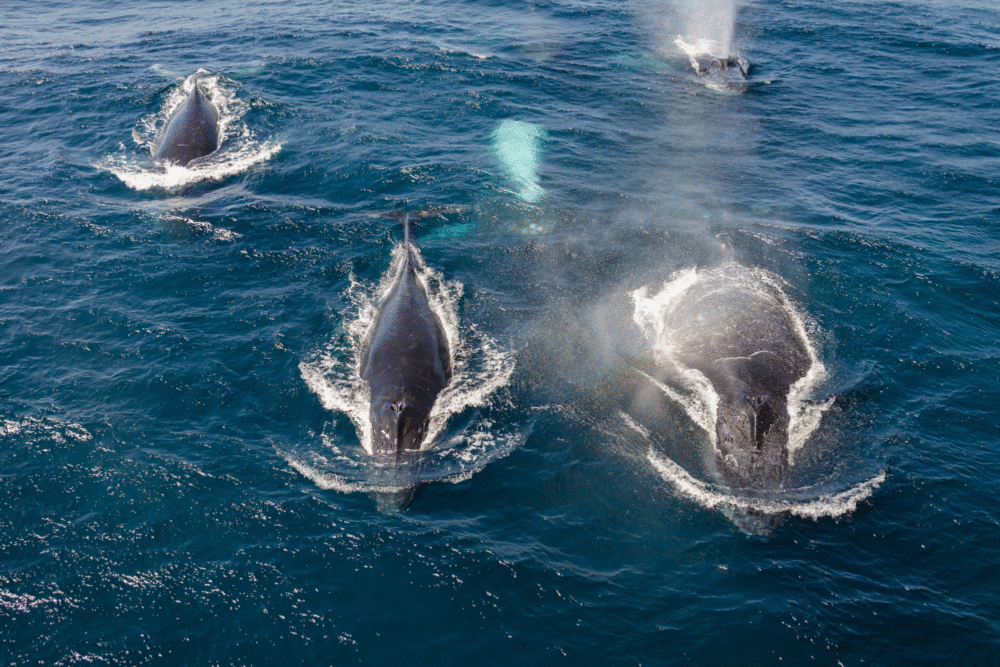
Marine mammals migrate to follow prey like krill, squid, and small fish that move with changing water temperatures and nutrient levels. When those patterns shift, whales and dolphins must adapt quickly to survive.
In recent years, researchers have documented species appearing hundreds of miles outside their typical ranges. Such changes suggest that long-established migratory instincts are now colliding with a rapidly changing ocean environment.
3. Sea Temperatures Are Rising Faster Than Expected
The world’s oceans are absorbing more than 90 percent of the excess heat caused by greenhouse gas emissions. Global sea surface temperatures have repeatedly broken records since 2015, with 2024 registering some of the highest anomalies ever recorded.
For cold-water species like humpback and gray whales, this warming means their primary feeding grounds—especially in the North Pacific and Arctic—are changing too fast to sustain reliable food supplies. Many whales are traveling longer distances to find cooler, more productive waters.
4. Prey Shortages Are Driving Mammals Into New Regions
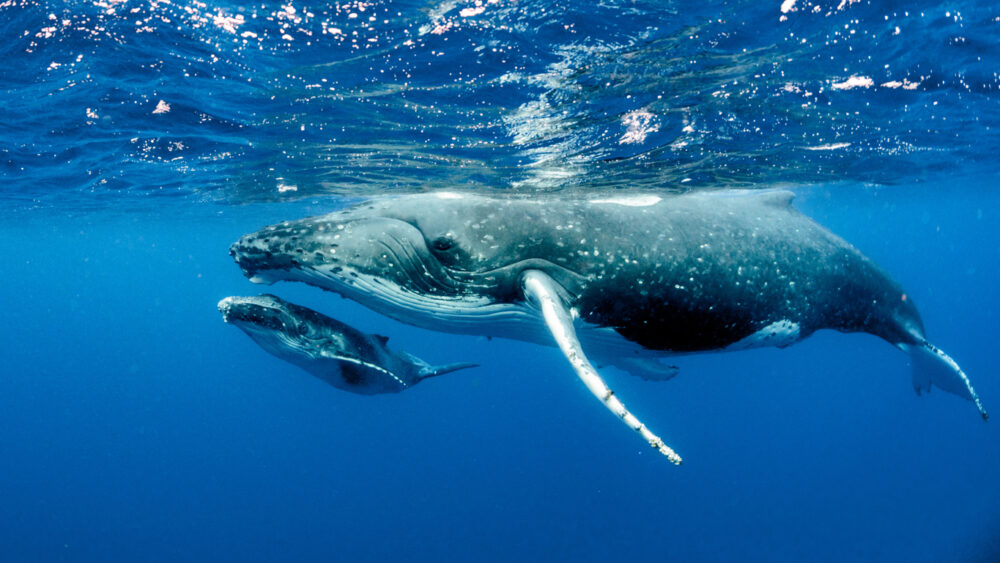
Many marine mammals depend on dense clusters of prey that thrive in cold, nutrient-rich water. As those zones move poleward or shrink, whales and dolphins are following.
Scientists studying the North Atlantic and North Pacific have observed major population shifts in krill and small schooling fish. These prey changes force whales to expand their ranges into unfamiliar areas, where food competition increases and energy costs rise.
5. Changing Currents Are Scrambling Traditional Routes

Ocean circulation patterns, including the Gulf Stream and the Kuroshio Current, are being altered by climate-driven changes in temperature and salinity. These powerful currents help guide whale and dolphin migrations and concentrate plankton blooms.
When those routes shift, the biological “road maps” animals rely on become unreliable. In some regions, whales have been observed wandering off course or arriving at feeding grounds weeks ahead of schedule, leading to mismatches between predator and prey.
6. Arctic Ice Loss Is Reshaping Northern Ecosystems
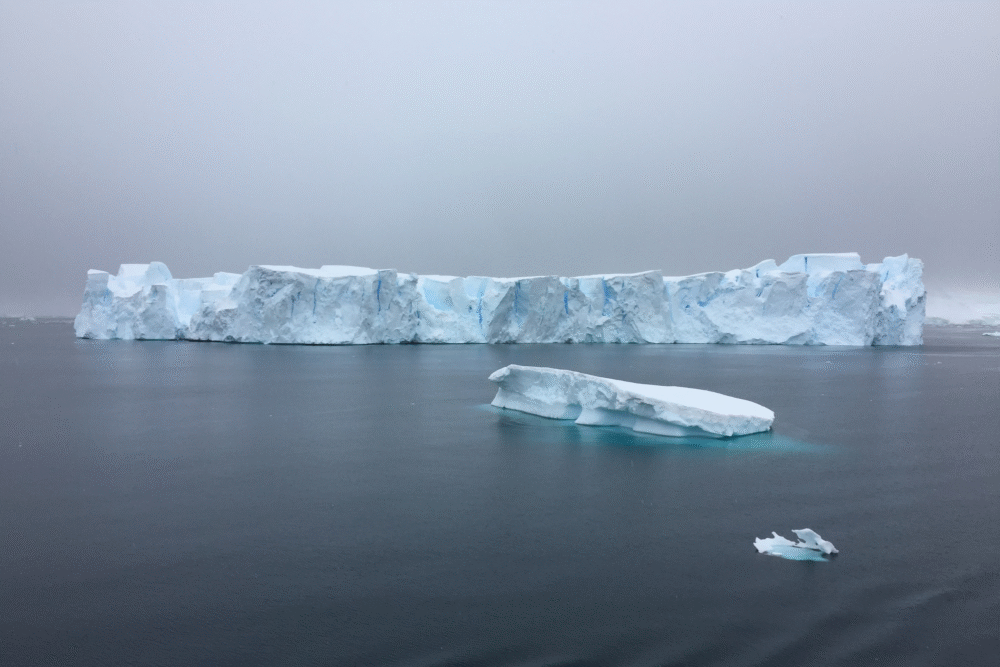
The rapid retreat of Arctic sea ice has opened new waterways that some whales are beginning to explore. Bowhead and gray whales, for example, have been observed traveling farther north as melting ice exposes new feeding areas.
While these regions provide short-term opportunities, they also carry greater risks. The lack of stable ice platforms affects prey abundance, and the increase in shipping traffic through once-frozen routes adds new collision and noise hazards for marine mammals.
7. Dolphins Are Appearing in Waters Once Too Cold to Inhabit
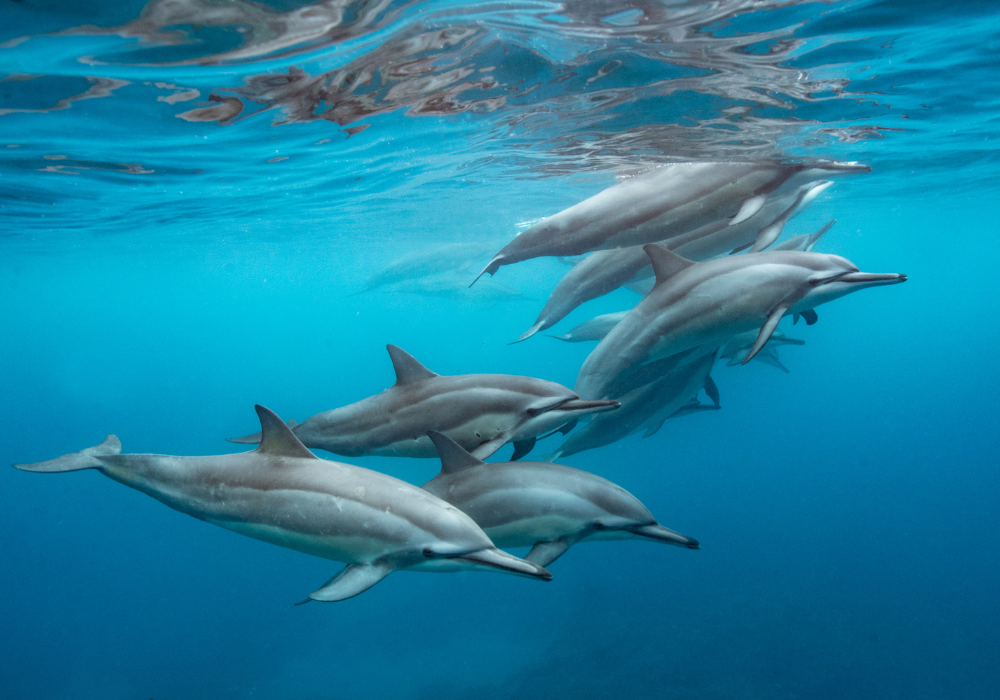
Several dolphin species are now being spotted far outside their historic ranges. Off northern Europe and parts of the U.S. Pacific Northwest, researchers have recorded common and bottlenose dolphins moving into cooler waters once dominated by porpoises and seals.
This redistribution may sound harmless, but it reflects deep ecological imbalance. As dolphins compete with local predators for food, they also face diseases and parasites that spread more easily in warming waters.
8. Earlier Migrations Are Creating Mismatches With Food Supply

Scientists tracking humpback and blue whales in the Pacific report that many populations are starting their migrations earlier each year. Yet their prey—such as krill blooms—often doesn’t peak until weeks later.
This “ecological mismatch” means whales can arrive at feeding grounds when food is still scarce, forcing them to expend more energy and reducing reproductive success. Over time, such disruptions could affect population health and recovery.
9. Ship Strikes and Entanglements Are Becoming More Common
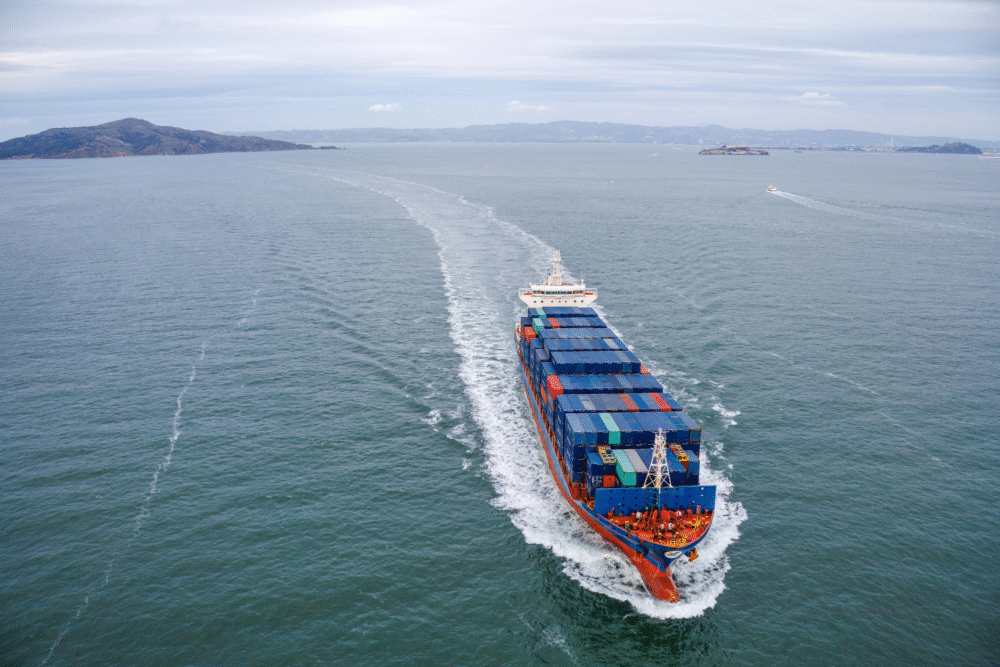
As whales and dolphins shift routes, they increasingly overlap with busy shipping lanes and fishing grounds. This has led to a rise in collisions and gear entanglements in regions where these incidents were once rare.
Conservation groups and maritime authorities are now racing to update navigation zones and seasonal restrictions. However, unpredictable migration timing makes it difficult to protect animals in the right places at the right times.
10. Sound Pollution Adds to the Stress

Climate change isn’t just altering where marine mammals travel—it’s also making the oceans louder. Increased shipping traffic, offshore development, and melting ice all contribute to higher noise levels underwater.
For whales and dolphins, which depend on sound for navigation and communication, this added noise creates confusion and stress. When paired with changing habitats, it can disorient entire pods and disrupt social behaviors critical for survival.
11. Some Species Are Adapting—For Now

Not all marine mammals are losing ground equally. Species that thrive in warmer or more flexible habitats—like spinner dolphins and some orcas—have shown early signs of adapting to new feeding zones.
But scientists warn that adaptation has limits. The speed and magnitude of current ocean changes are outpacing evolutionary responses. For species that rely on narrow temperature ranges or specific prey, long-term survival remains uncertain.
12. Scientists Say Global Action Is the Only Solution

Marine biologists emphasize that protecting whales and dolphins requires addressing the root cause of these disruptions: climate change. Reducing carbon emissions is the most direct way to slow ocean warming and stabilize marine food webs.
Efforts like expanded marine protected areas, stricter shipping regulations, and international cooperation can help buy time. But researchers agree that without rapid, global action to curb warming, even the ocean’s most resilient travelers may soon run out of safe passage.