
From pricier hot chocolate to shrinking reindeer herds, warming winters are changing holiday traditions in ways you might not expect.

The holidays have long been tied to cozy winter scenes: steaming mugs of cocoa, fresh Christmas trees, snowy landscapes and even wild reindeer roaming the far north. But climate change is quietly eroding many of these familiar traditions this year, and scientists say the impacts are becoming impossible to ignore. Warmer temperatures are disrupting the global supply of holiday staples, stressing iconic seasonal crops and putting some beloved symbols of winter at risk, reshaping what the season looks and feels like for millions of people.
1. Hot Chocolate Prices Are Heating Up
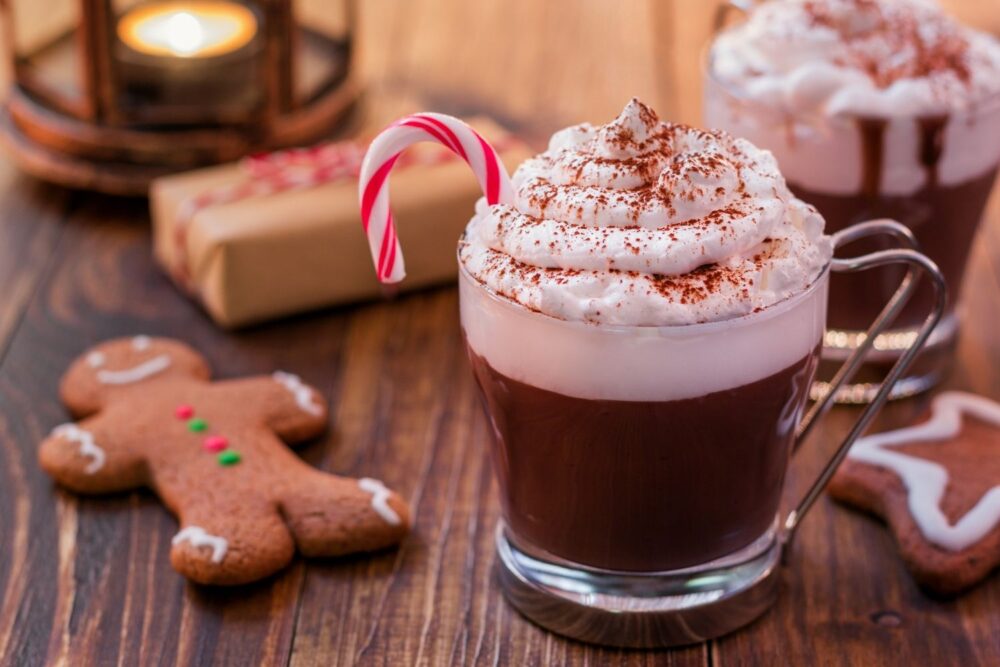
Climate-driven extremes in West Africa’s weather have hit cocoa crops hard, one of the main ingredients behind seasonal hot chocolate and many holiday desserts. Farmers wrestling with heat, drought and heavy rain have seen yields fall, which in turn pushed cocoa prices through the roof. That spike doesn’t just affect luxury chocolate; it shows up in everyday treats, from holiday-market truffles to cocoa powder for baking.
The volatility is a sign of how climate change is inserting itself into global food systems, altering prices and availability for products tied closely to holiday traditions. Even if prices ease later, growers and buyers now expect more unpredictability season to season.
2. Cocoa Isn’t the Only Seasonal Crop Under Stress
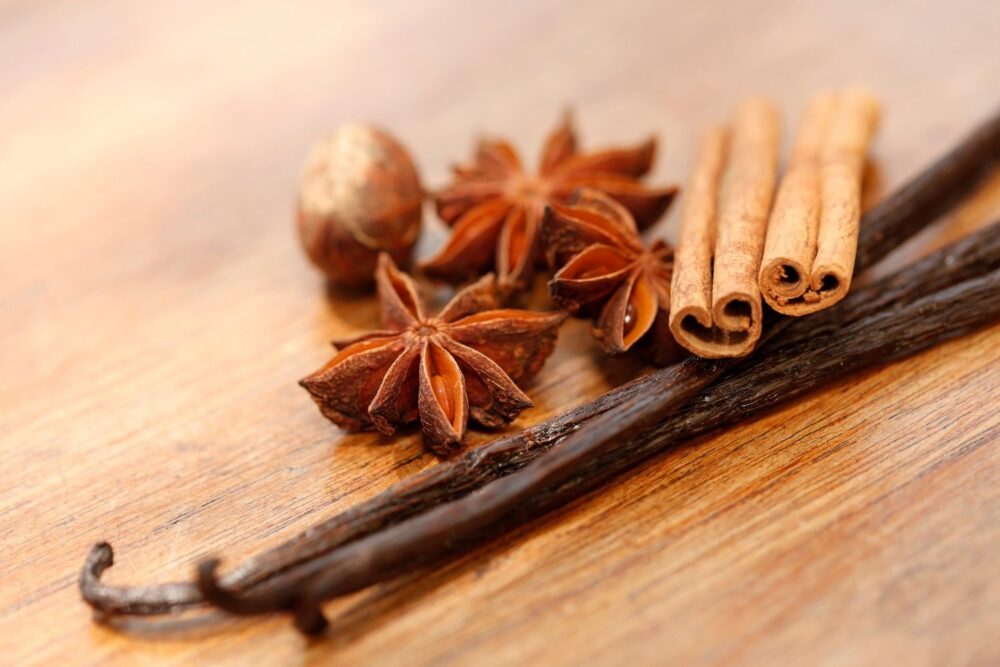
Climate impacts aren’t limited to chocolate. Sugarcane, cinnamon, vanilla and other ingredients that define holiday baking and drinks are all grown in tropical regions now seeing more erratic heat and rainfall. These conditions can shrink harvests and reduce quality, meaning classic treats like cinnamon cookies or vanilla yule logs could become more expensive or harder to find.
The stress on these crops reflects a broader trend: the foods we associate with festive gatherings are often sourced from limited growing regions that don’t handle climate shocks well. As weather patterns continue to shift, families may feel the ripple effects in their kitchens and at holiday tables.
3. Christmas Trees Are Feeling the Heat

Even Christmas trees, those centerpiece symbols of the season, are struggling with a warming climate. Warmer winters and longer growing seasons upend the natural rhythms that help trees thrive, making them more vulnerable to pests and disease. Growers in major U.S. producing regions have reported these climate-linked challenges, forcing some to rethink how and when they plant and harvest.
Scientists and tree breeders are now experimenting with more resilient varieties to adapt to changing conditions, but this transition takes time. For many families, what once was a near-guaranteed holiday tradition now comes with new uncertainties.
4. Reindeer and Caribou Populations Are Declining

The animals that inspired one of the most enduring holiday icons are also at risk. Reindeer — known as caribou in North America — are experiencing rapid habitat loss as Arctic and sub-Arctic regions warm faster than almost anywhere else on Earth. Studies suggest populations could decline by more than half by the end of the century if current trends continue.
Caribou and reindeer herds are vital parts of their ecosystems, and their losses would ripple beyond folklore into real effects on biodiversity and Indigenous communities who rely on them. The fate of reindeer reminds us that some holiday symbols are directly tied to fragile natural systems.
5. White Christmases Are Becoming Less Predictable

Walking in a “white Christmas” is becoming more of a rarity than a rule in many parts of the Northern Hemisphere. Rising average winter temperatures mean precipitation that once fell as snow now often comes as rain, shortening or eliminating seasonal snow cover. Climatologists trace this shift to long-term warming trends and changing weather patterns.
This trend affects everything from ski resorts’ holiday bookings to children’s expectations of snowmen and sleds on Christmas morning, transforming the imagery of the season into something less certain with each passing year.
6. Snowmen May Be Part of the Past in Some Regions
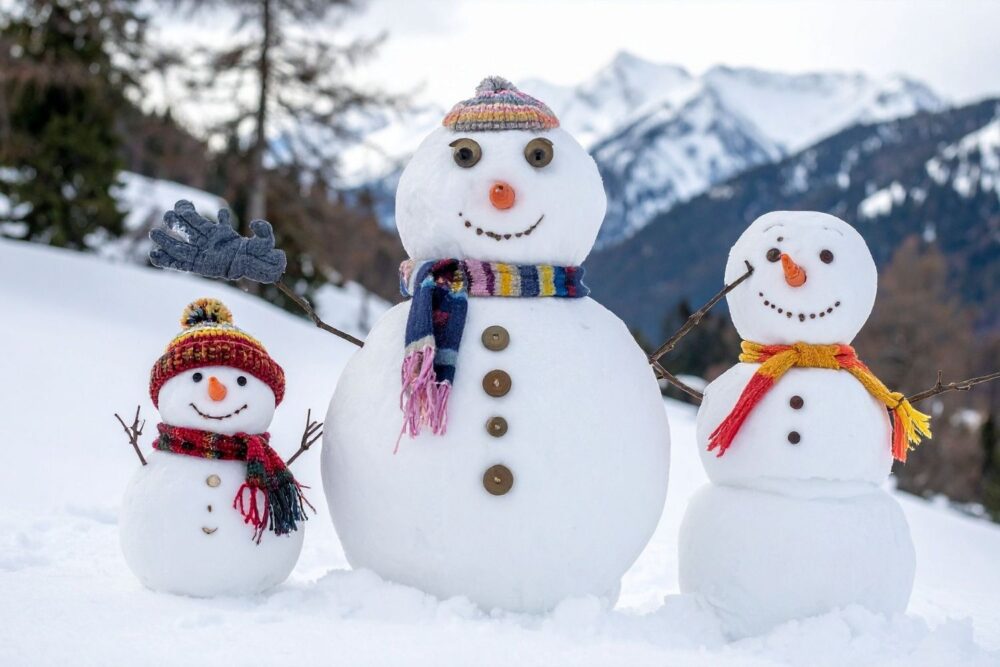
With fewer snowy days in early winter, the beloved pastime of building snowmen is fading in one place after another. That’s not just nostalgia; it’s a tangible shift in local winter weather patterns that scientists have documented across large swaths of the country. When winter temperatures stay warmer or snow melts quickly, the simple joys of snow play vanish.
Although these shifts aren’t uniform everywhere, communities that once saw reliable early snow are seeing seasons that feel shorter and less winter-like — changing how kids and families experience the holidays.
7. Holiday Shopping’s Carbon Footprint Looms Larger

The back-and-forth flow of gifts, from production to shipping and then returns, generates significant greenhouse gas emissions during the holiday season. These emissions contribute to the very warming that’s already reshaping traditions. With online shopping easier than ever, returns alone account for a substantial chunk of emissions tied to holiday commerce.
Experts increasingly urge people to rethink gift habits, such as opting for local products or experiences, as a way to reduce climate impacts tied directly to the season’s rhythms.
8. Heat and Rain Replace Cold and Frost in Many Places
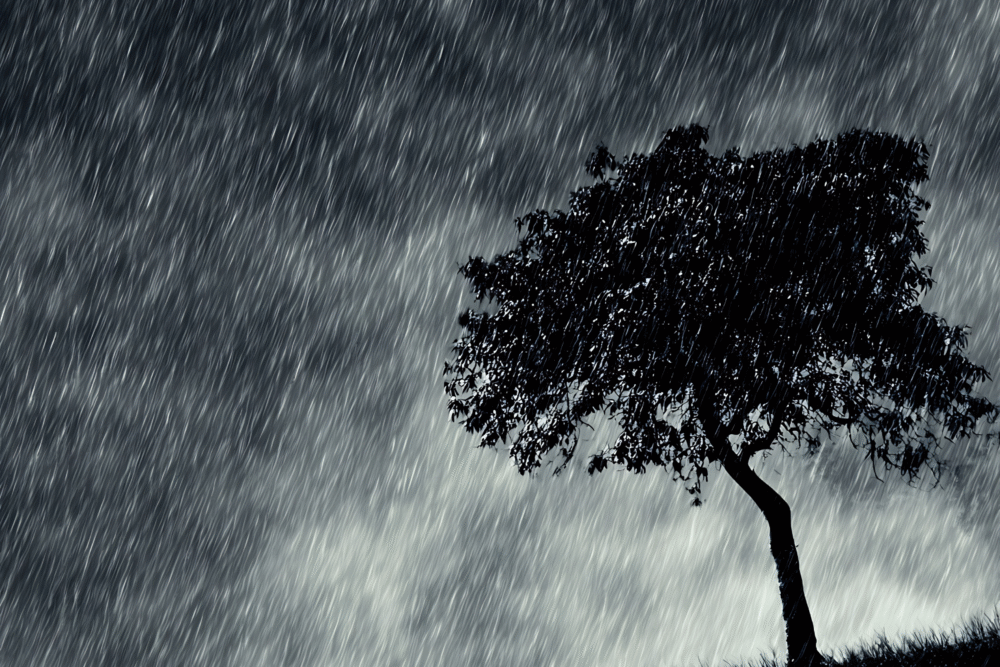
Many regions are already seeing winters that feel more like extended falls or early springs, with temperatures staying above freezing more often and rain replacing what used to be frost and snow.
These transitions don’t just change outdoor aesthetics — they alter wildlife behavior, plant dormancy cycles, and even how people decorate outdoors for the season. As warming continues, these climatic shifts are shifting people’s expectations about what winter will feel like, even during the heart of the holiday period.
9. Iconic Holiday Recipes May Shift as Ingredients Change

Holiday baking has always relied on ingredients grown in very specific climates, but those growing regions are becoming less predictable. Cocoa, cinnamon, nutmeg and other seasonal staples are experiencing shorter harvest windows or weather extremes that affect both flavor and supply. As farmers adapt to new conditions, the ingredients that define many traditional recipes may subtly change as well.
Over time, families may notice certain treats tasting a little different or becoming harder to make exactly as they remember. Recipes aren’t disappearing, but the flavors behind them may evolve as the climate continues to reshape global agriculture.
10. Farmers Are Facing Growing Seasons They Can No Longer Count On

Farmers who produce holiday-related crops are dealing with growing seasons that don’t behave the way they used to. Sudden heat waves, out-of-season rain and shifting frost dates make it harder to plan when to plant, harvest or even protect crops. These disruptions ripple outward, slowing supply chains that once delivered ingredients and seasonal products on a reliable schedule.
When growers can’t predict the weather, consumers often end up feeling it later through shortages or higher prices. What used to be a steady, predictable cycle is now a moving target shaped by the changing climate.
11. The Holidays Are Becoming a Subtle Climate Reality Check

Put together, all these changes reveal a bigger truth: climate warming is already altering the holiday season in ways most people never expected. Some traditions fade quietly, others adapt, and a few take on new forms as communities respond to shifting weather. Families may not notice the changes all at once, but the season slowly feels different from the winter memories many grew up with.
This evolving holiday landscape is a reminder that the effects of a warming planet aren’t confined to distant places or abstract predictions. They’re showing up in the celebrations we’ve long taken for granted.