
Scientists say melting glaciers are shifting Earth’s mass, subtly changing how fast the planet spins.

Earth’s rotation isn’t as steady as it seems — and climate change is partly to blame. New research shows that the rapid melting of glaciers is redistributing the planet’s mass, slightly altering its spin. As polar ice turns to water and flows toward the equator, Earth’s rotation slows by fractions of a millisecond each year. Though tiny, these changes can affect global timekeeping and satellite navigation, revealing how deeply climate change is reshaping our planet’s physical balance.
1. Researchers Confirm Climate Change Is Slowing Earth’s Spin
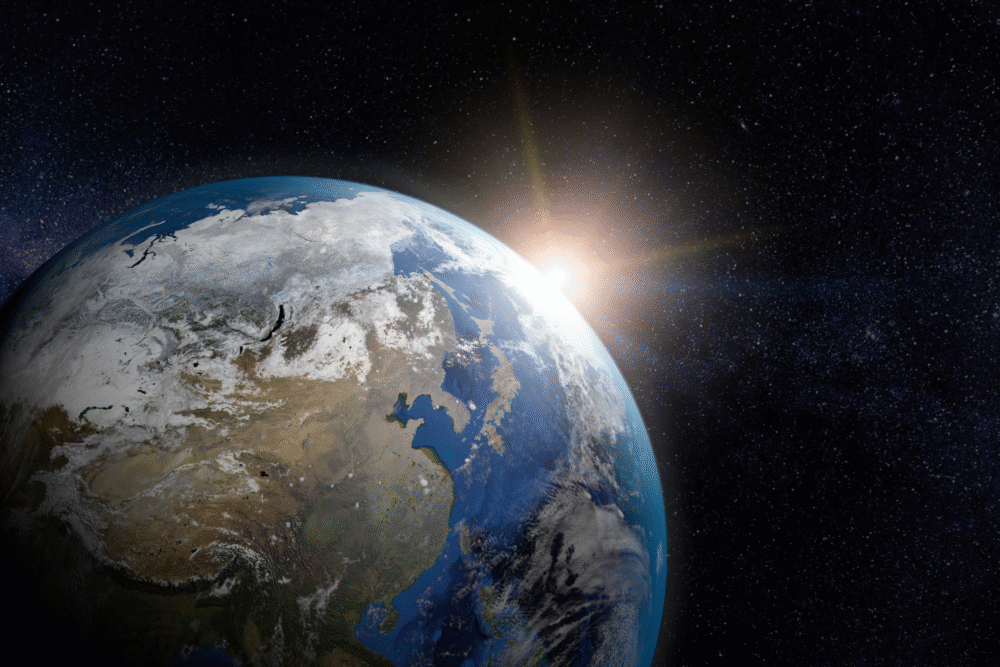
Researchers at ETH Zurich — led by Benedikt Soja — published two new studies in Nature Geoscience and PNAS showing that melting ice sheets and changing water distribution are altering Earth’s rotation and extending day length.
The studies use advanced data and modelling to link climate-driven mass shifts with changes in the planet’s moment of inertia. As ice and water move away from the poles, Earth’s spin slows — a subtle but measurable change linked directly to global warming.
2. Melting Glaciers Are Literally Changing the Way the Planet Spins
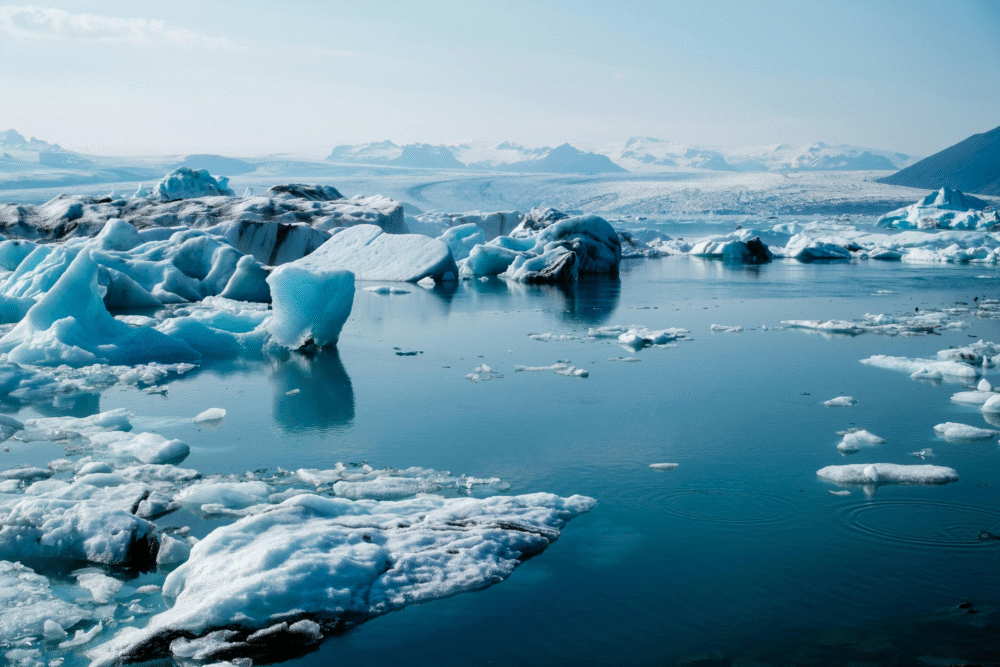
As glaciers melt in Greenland, Antarctica, and mountain ranges worldwide, the water doesn’t stay put — it flows toward the oceans and equator. This redistribution of mass acts like a natural brake, slowing Earth’s rotation by fractions of a millisecond.
Though imperceptible to humans, the effect is significant for scientists tracking time and space. It demonstrates how human-driven warming now reaches deep into the planet’s physical mechanics.
3. Earth’s Days Are Getting (Slightly) Longer

The length of a day isn’t a perfect 24 hours — and it’s gradually increasing. The shift is minuscule, only milliseconds over decades, but precise instruments like atomic clocks and satellite data can detect the change.
Climate change is a contributing factor, adding to other natural variations from ocean tides and core-mantle motion. Together, these influences make Earth’s rotation one of the most sensitive indicators of global change.
4. Scientists Compare the Effect to a Spinning Ice Skater

When a skater pulls in their arms, they spin faster; when they stretch out, they slow down. Earth behaves the same way. As melting ice and rising seas push mass away from the poles toward the equator, the planet’s “arms” effectively extend, causing rotation to slow.
It’s a striking visual analogy that helps explain how even seemingly small changes in mass distribution — like melting glaciers — can alter planetary motion.
5. The Shift Could Affect Timekeeping and GPS Systems

A slower or faster rotation affects how we measure time. Atomic clocks operate on a constant standard, while Earth’s rotation fluctuates slightly. When these fall out of sync, scientists must adjust Coordinated Universal Time by adding or removing a leap second.
If melting ice continues to alter rotation, it could force more frequent corrections — creating challenges for navigation, satellite communication, and even financial systems dependent on precise timing.
6. Earth’s Core May Be Changing Its Spin Too
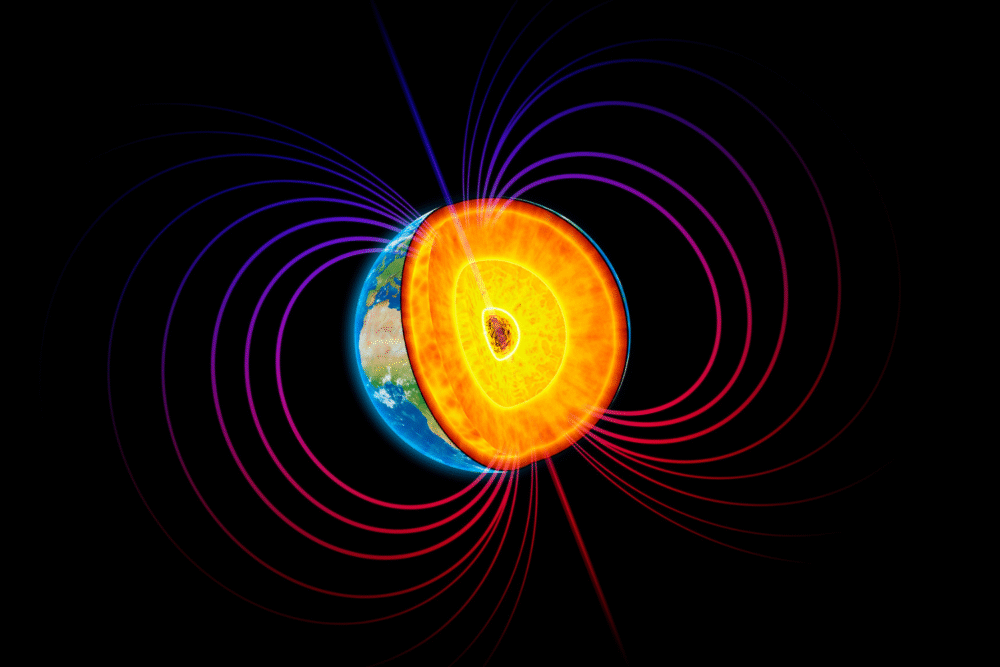
While surface mass changes are partly climate-driven, scientists are also observing shifts deep inside the planet. The liquid iron core appears to be rotating at a slightly different speed than the outer layers, creating additional fluctuations in Earth’s overall spin.
This dual influence — from both the core and surface — makes predicting future changes complex. But it underscores how interconnected the planet’s internal and external systems truly are.
7. The Planet’s Axis Is Shifting Because of Melting Ice

In addition to changing rotation speed, mass redistribution from melting glaciers has slightly altered Earth’s tilt — known as polar motion. Since 1990, the planet’s spin axis has drifted by several centimeters per year toward the east due to melting ice and groundwater depletion.
These subtle shifts don’t threaten daily life, but they reveal how climate change can influence the very orientation of our planet in space.
8. Climate Change Is Now Affecting Planetary Physics, Not Just Weather
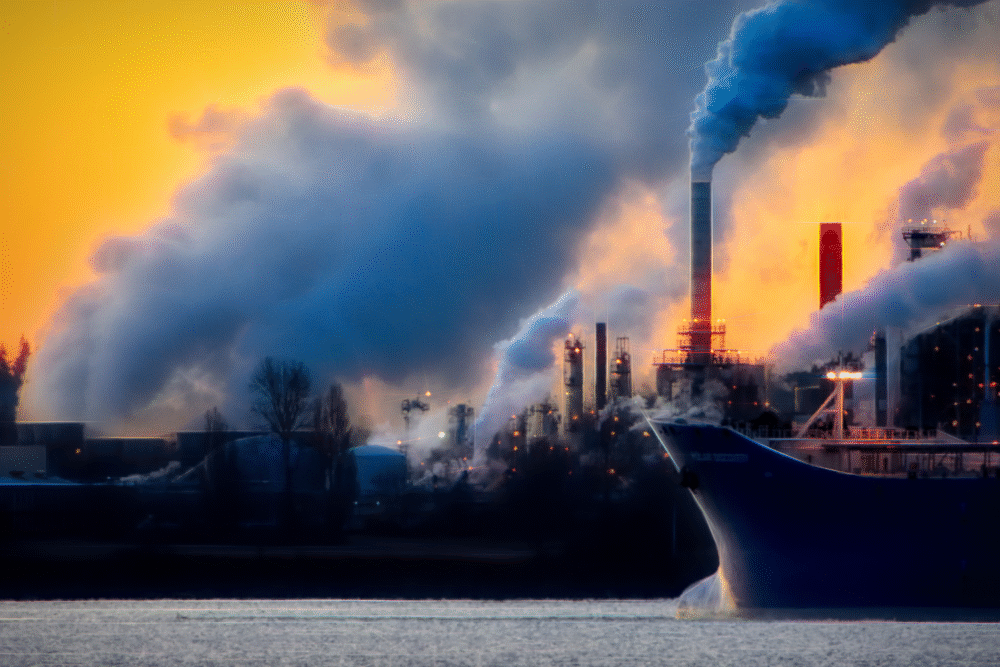
Until recently, the idea that human activity could influence Earth’s rotation sounded far-fetched. But modern measurements confirm it’s already happening. The warming climate isn’t just changing temperatures and sea levels — it’s altering how the entire planet moves.
Scientists say this proves that climate change operates on every scale imaginable, from microscopic ecosystems to the mechanics of Earth’s orbit and rotation.
9. Researchers Can Track the Effect Down to the Millisecond
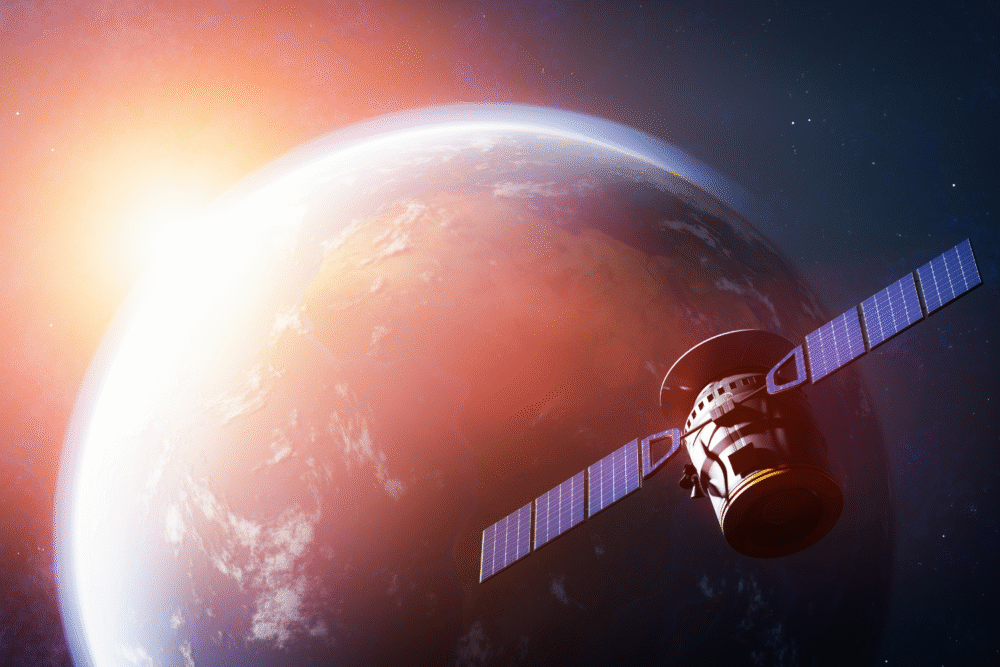
Thanks to satellite laser ranging, atomic clocks, and radar altimetry, scientists can now measure Earth’s rotational changes with astonishing precision. The data show that even a few millimeters of ice loss at the poles can ripple through the entire planet’s rotation.
This level of precision has turned Earth itself into a kind of natural instrument — one that records humanity’s impact in real time.
10. Tiny Changes Today Could Have Bigger Effects in the Future
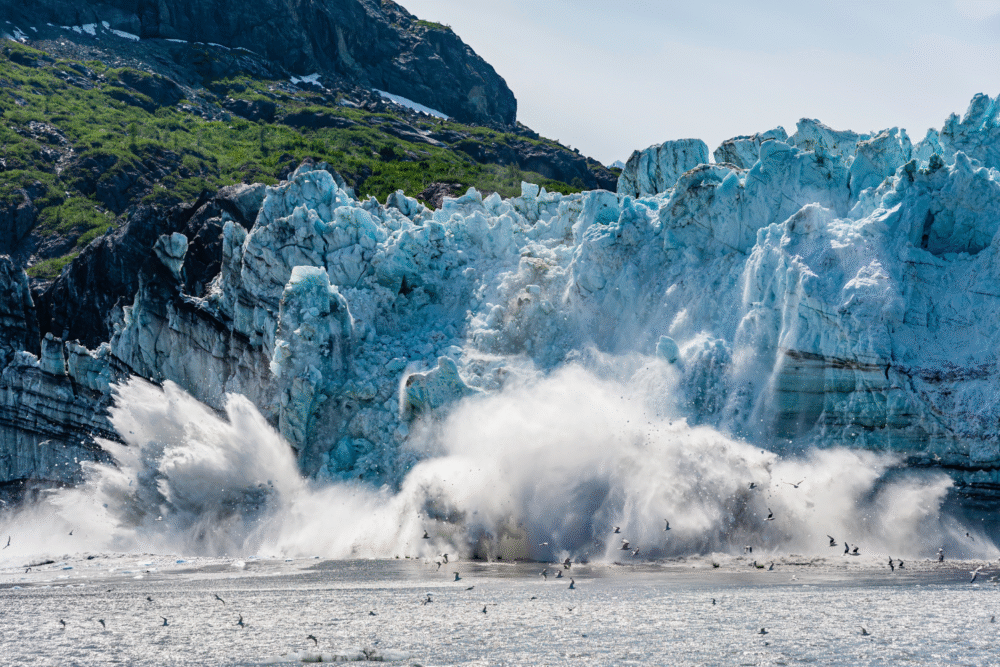
The current slowdown amounts to only fractions of a millisecond per decade, but the trend could accelerate as ice loss speeds up. Continued melting and groundwater depletion may further redistribute mass, magnifying the effect over centuries.
While the change won’t alter human life directly, it highlights how climate change doesn’t stop at the atmosphere — it reaches into Earth’s deepest systems, reshaping both the planet’s balance and our understanding of time itself.