
As powerful typhoons shift north, Alaska now faces extreme storms and flooding once unheard of in its history.

Alaska’s climate is moving fast—and now, storms once reserved for tropical regions are barreling into the Last Frontier. Scientists report that typhoons and intense rainfall are pushing storm systems farther north, triggering floods and erosion in places unprepared for such weather. Coastal towns and remote terrain that once withstood stable seasonal cycles are now grappling with infrastructure collapse and community upheaval. What’s happening in Alaska is a stark reminder that climate change isn’t just warming the world—it’s reshaping it in unpredictable, often devastating ways.
1. Coastal Villages Were Submerged by Record Flooding
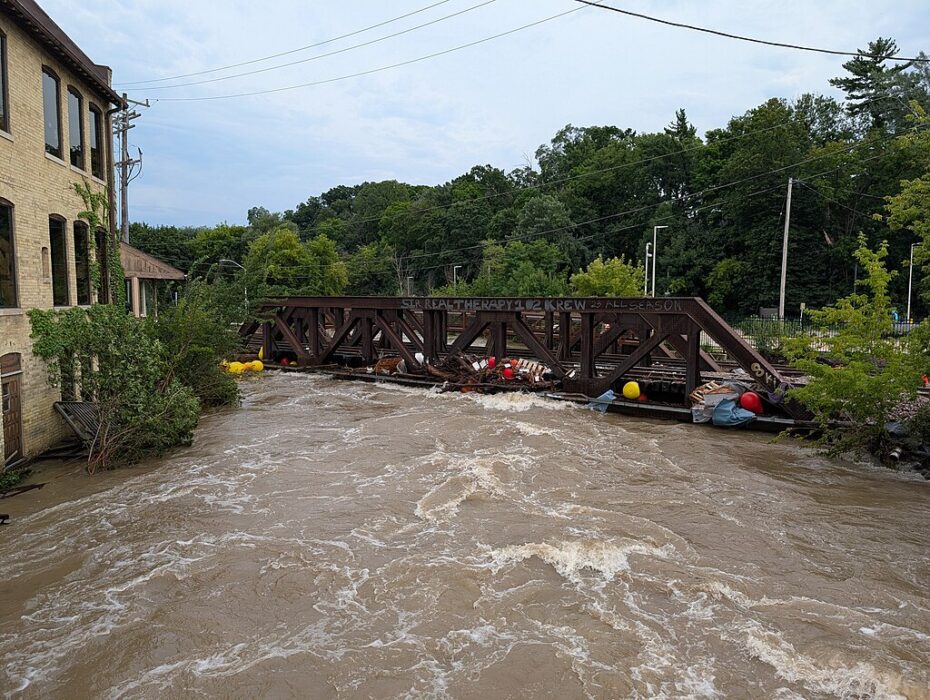
Western Alaska’s Yukon–Kuskokwim Delta saw water push well above typical high tides, with several communities experiencing record or near-record flooding. Storm surge overtopped riverbanks, inundated boardwalks, fuel sheds, and homes, and scattered floating debris through low-lying neighborhoods. Many houses, built on permafrost-sensitive ground, shifted or broke from pilings as currents undermined footings and saturated soils.
Residents moved to higher ground and sheltered in schools when rising water cut off roads and airstrips. The rapid onset overwhelmed drainage and left thick mud requiring cleanup. Subsistence caches, freezers, and equipment were soaked or lost, creating longer-term hardship after the immediate danger passed.
2. Hurricane-Force Winds Tore Through the Coast
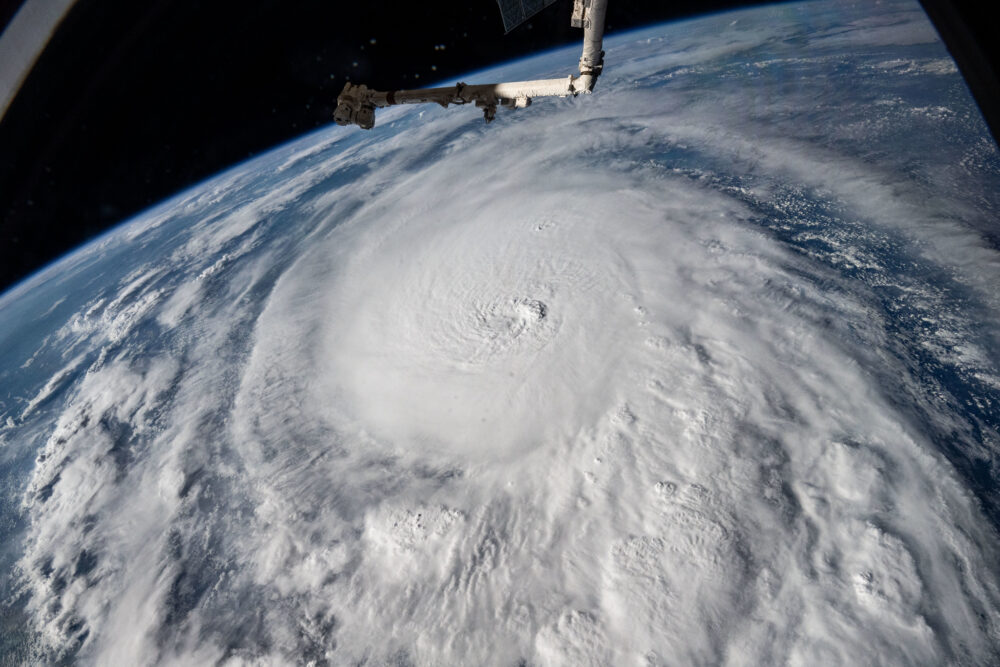
Hurricane-force gusts swept the coast as Halong’s remnants intensified pressure gradients over the Bering Sea. Winds strong enough to peel roofing and topple exterior walls blasted shoreline communities contending with high water. The combination of salt spray and airborne debris damaged siding, windows, and boats, complicating evacuations and emergency access.
Utility crews reported outages when transmission lines and poles fell across tidal flats and tundra. Airfields and docks suffered wind damage that halted flights and marine service. In places reliant on small aircraft and barges, the loss of these lifelines magnified the storm’s effects well beyond the peak winds themselves.
3. Lives Were Lost and Others Remain Missing

Authorities confirmed at least one death associated with the flooding, and searches continued for additional missing residents after waters receded. The rapid rise surprised households in single-story homes, where interior rooms filled quickly as surge pushed inland. Some people sought refuge in attics or on rooftops, signaling rescuers as aircraft and boats reached the communities.
Local leaders emphasized that casualty numbers can change as communications return and isolated cabins are checked. The loss underscores how exposure, cold water, and debris make coastal flooding especially dangerous in remote Alaska, where medical care and transport are hours away even in favorable weather.
4. Hundreds Were Displaced Across Multiple Communities

Flooding damaged or destroyed houses, forcing hundreds of people to leave their homes across multiple villages. Many families moved into schools, churches, and community halls, where volunteers organized food, dry clothing, and sleeping areas. Emergency managers worked with tribal councils to track needs and provide transportation for elders and people with medical conditions.
Because many communities already face housing shortages, temporary displacement compounds existing crowding. Mold, soaked insulation, and ruined heating systems will keep some structures uninhabitable for months. Officials warned that long recovery timelines may require relocation for the most at-risk households if repeat flooding threatens the same neighborhoods.
5. Rescue Teams Worked Around the Clock
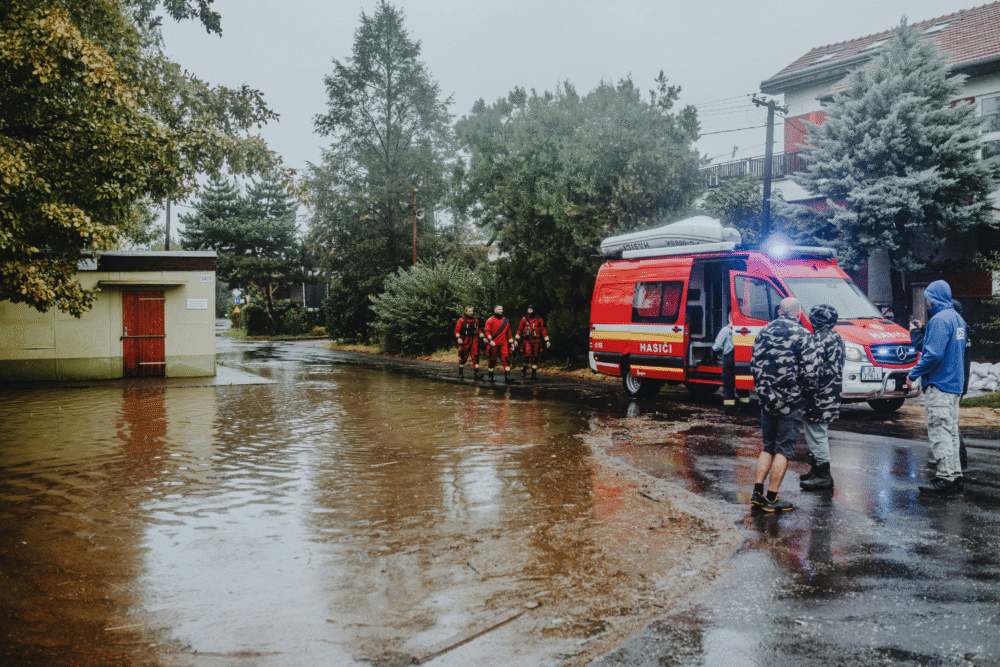
Search-and-rescue teams from state agencies, tribal partners, and federal responders mobilized as conditions allowed. Helicopter crews hoisted residents from flooded neighborhoods and delivered supplies where boats could not safely operate. Ground teams navigated washed-out roads and unstable boardwalks, coordinating with local leaders to prioritize evacuations for those in immediate danger.
Response planners stressed that remoteness and weather complicate every phase of operations, from staging aircraft to refueling and communications. Despite the constraints, coordinated efforts saved lives and stabilized the situation in the most isolated areas, demonstrating the value of pre-planned regional agreements and regular interagency exercises.
6. Critical Infrastructure Took a Major Hit
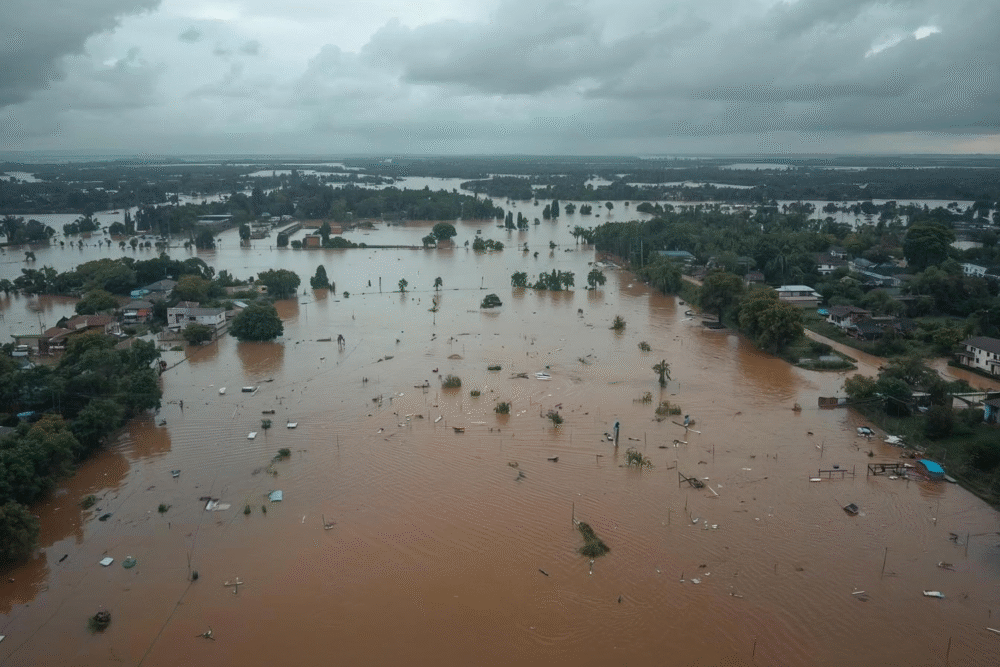
Transportation infrastructure sustained extensive damage across western Alaska. Runways were flooded, covered with debris, or undercut by water, interrupting the small-plane service many communities depend on for mail, medicine, and travel. Bridges and causeways suffered scour, while gravel roads and boardwalks were washed out or left unstable by saturated soils.
Ports and docks also took losses that disrupted barge deliveries, a key method for bulk fuel and building supplies. With access limited from both air and sea, emergency shipments were rerouted and prioritized, lengthening timelines for repairs and complicating efforts to move heavy equipment into the most affected settlements.
7. Power and Water Systems Failed During the Storm
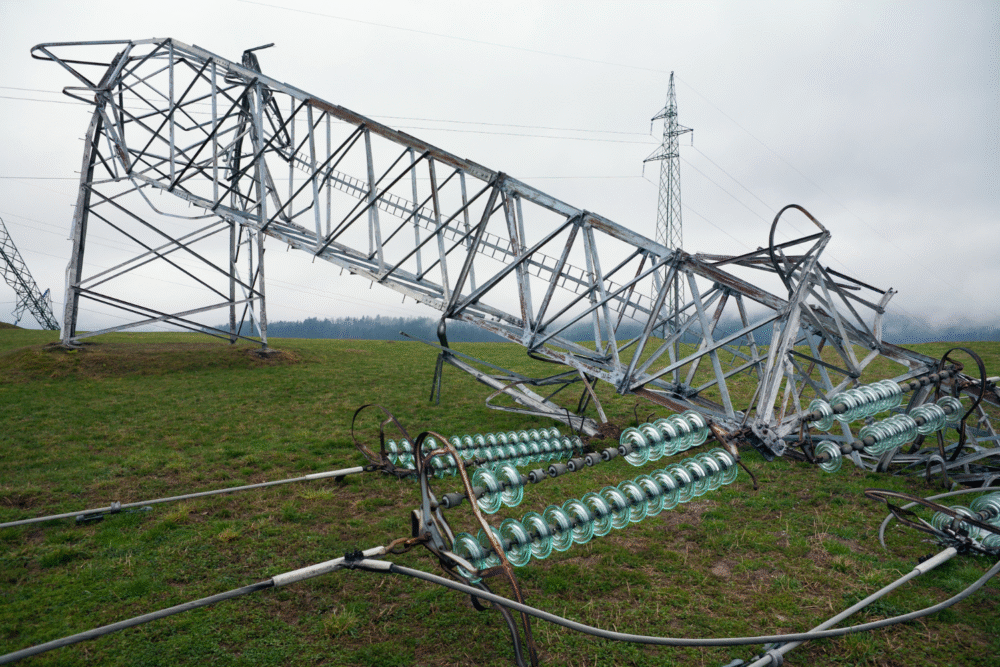
Outages cascaded through power, water, and heat systems as flooding entered utility buildings and toppled distribution lines. In some villages, generators failed or were shut down to prevent damage, leaving households without refrigeration or electric pumps just as cleanup began. Boil-water advisories were issued where wells and storage tanks were contaminated by brackish floodwater.
The loss of heat is especially dangerous as temperatures drop. Emergency managers prioritized fuel deliveries, portable generators, and water treatment supplies to restore essentials quickly. Even after service returns, lingering moisture and corrosion can shorten equipment life, raising costs for communities already facing high utility prices.
8. Scientists Say Climate Change Amplified the Storm
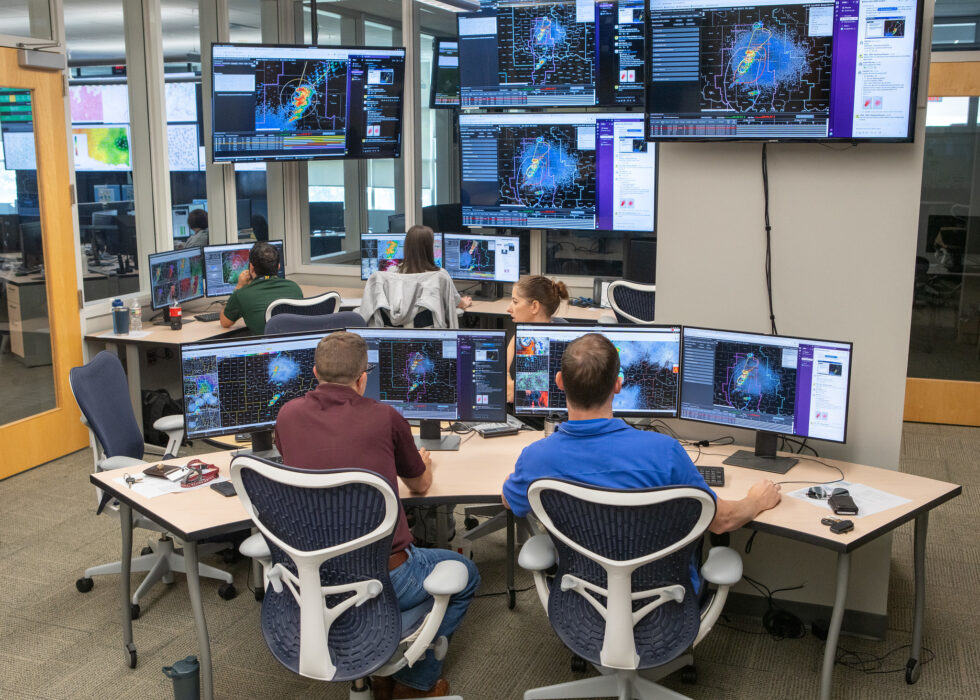
Scientists noted that unusually warm ocean waters and a moister atmosphere helped the storm maintain energy far north of typical tropical tracks. As the system transitioned, it still carried moisture and momentum, producing heavy rainfall, surge, and wind over Alaska’s west coast. This behavior aligns with research showing that warming seas can extend the reach and intensity of ex-tropical cyclones.
While any single event has multiple drivers, the broader context in Alaska is rapid warming and declining sea ice, which reduce barriers to storms. The result is a likelihood of damaging coastal events in places historically shielded from such extremes.
9. Long-Term Climate Pressures Made the Impact Worse
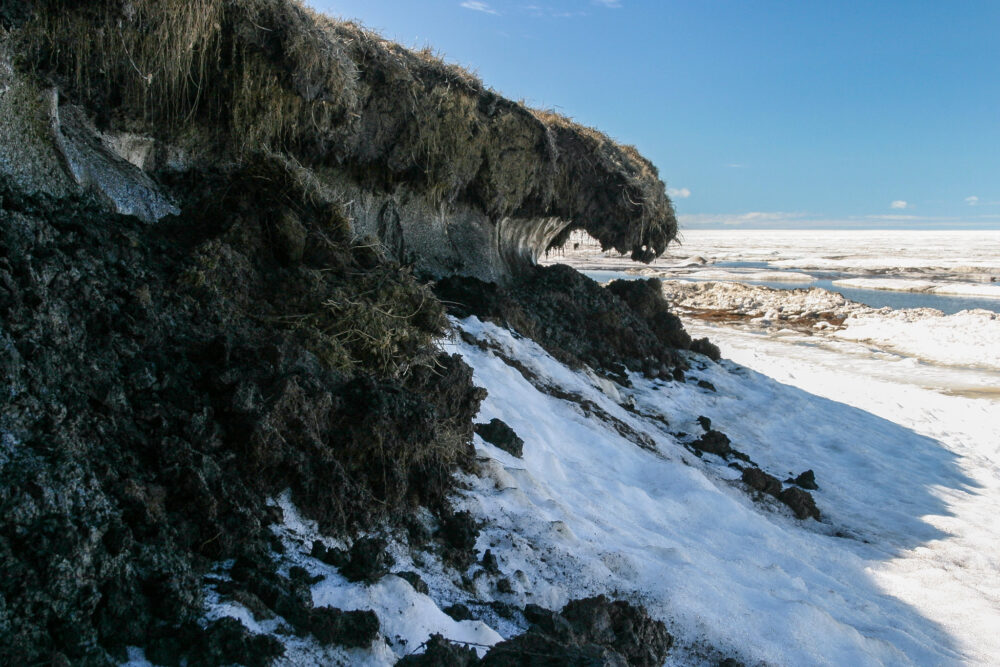
Even before this storm, western Alaska communities were dealing with permafrost thaw, shoreline erosion, and sea-level rise. Saturated soils lose strength as permafrost degrades, allowing waves and current to chew away at banks that once held firm. When surge arrives, land loss accelerates, and protective berms or barrier beaches often breach.
These chronic pressures magnify damage from any single event and complicate rebuilding. Foundation designs, water and sewer systems, and fuel storage must adapt to softer ground and increased flood risk. For some villages, managed retreat or relocation remains on the table after repeated disasters reduce safe places to rebuild.
10. Recovery Will Be Slow and Costly

Disaster declarations opened avenues for state and federal assistance, but moving materials and crews into roadless regions remains difficult. Recovery plans prioritize restoring airstrips, power, and potable water before winter tightens logistics further. With short daylight, freezing conditions, and limited equipment, even basic repairs can stretch far longer than in road-connected communities.
Financially, the costs of rebuilding in remote Alaska are high, and insurance coverage varies widely. Officials are working with tribal and local governments to document losses quickly so funding can flow. Long procurement timelines and barge schedules mean many permanent fixes will wait until the next construction season.
11. Alaska’s Future Now Includes Extreme Weather

Halong’s impact illustrates that Alaska is now within reach of hybrid systems capable of producing tropical-style hazards. As Arctic amplification reduces sea ice and alters storm tracks, the state will contend often with dangerous combinations of surge, rain, and wind. Historical design standards and emergency plans did not anticipate these compounded extremes.
Scientists and officials emphasize preparedness: better forecasting, resilient siting of fuel and utilities, elevated structures, and evacuation planning tailored to coastal villages. Incorporating traditional knowledge with modern risk mapping can improve outcomes as Alaska adapts to a climate already delivering events few expected to see in their lifetimes.