
Something unusual is happening beneath China’s vast fields of solar panels.
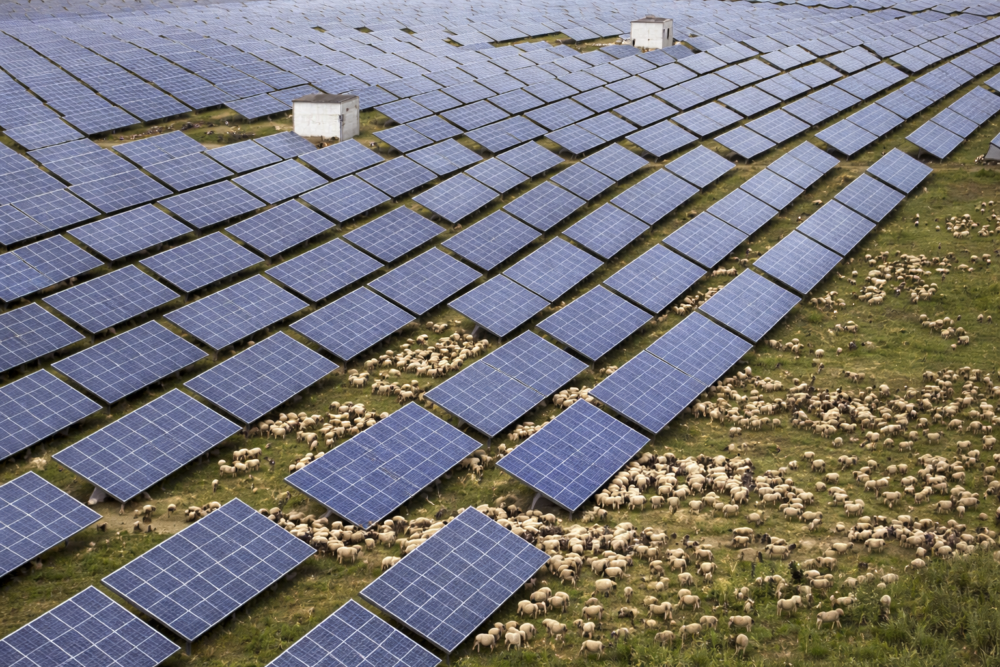
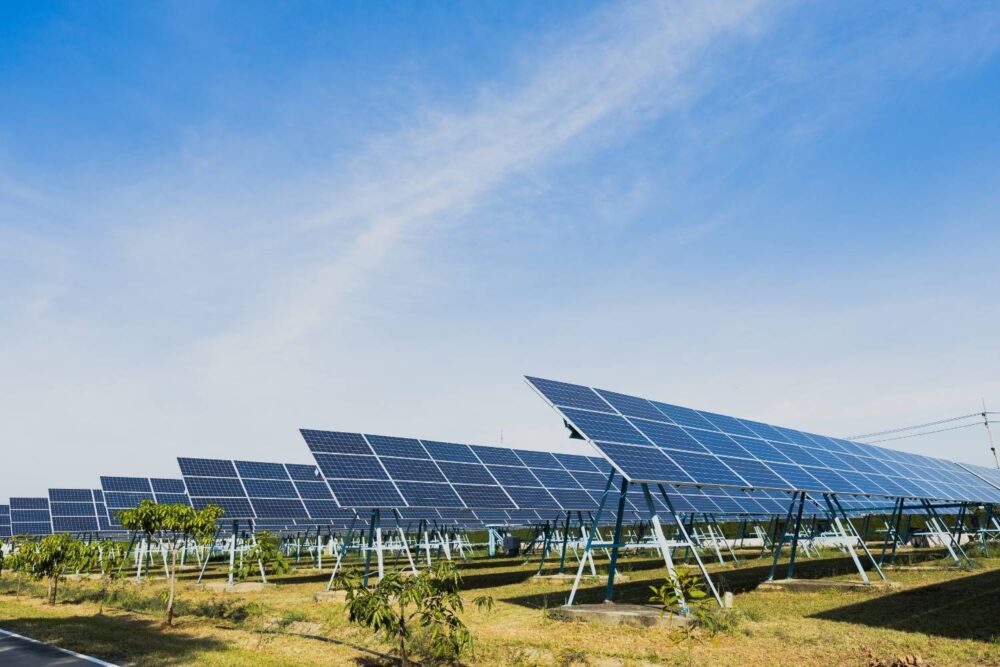
China’s largest solar farm stretches across the arid highlands of Qinghai Province, on the northeastern edge of the Tibetan Plateau. Built on land long considered too harsh for large-scale development, the vast installation was designed to generate clean electricity at an unprecedented scale and reduce reliance on coal.
But scientists studying the site have noticed something unexpected happening beneath the panels. The desert landscape below is changing, with subtle shifts in soil moisture, temperature, and plant growth that differ from nearby untreated areas.
What began as a massive energy project in one of China’s driest regions is now offering new insight into how renewable infrastructure can quietly reshape the environments where it is built.
1. A solar farm built on a massive scale
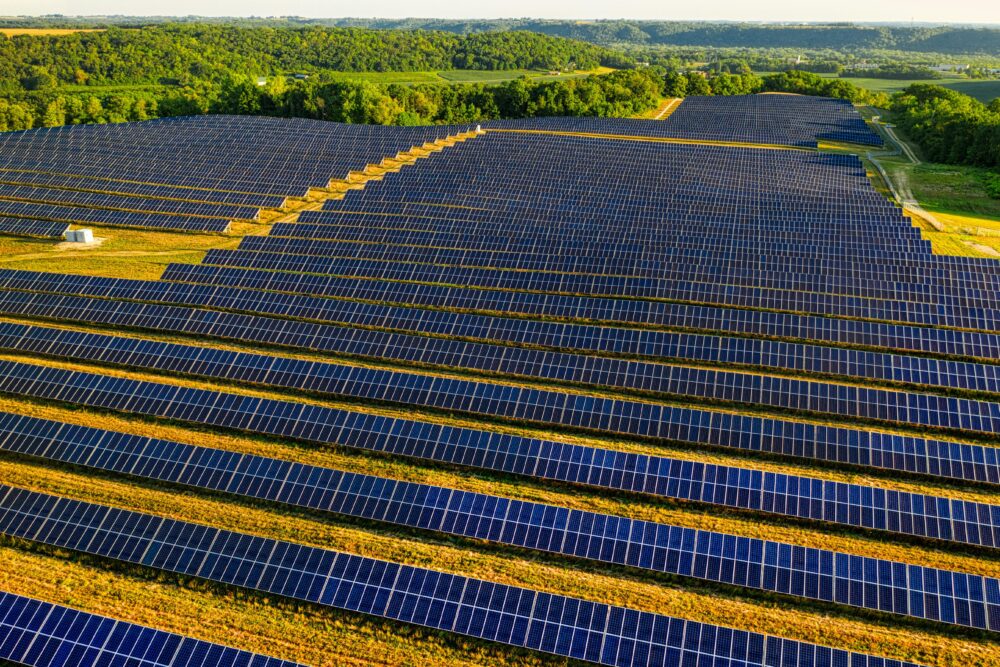
The solar complex spans hundreds of square miles and produces electricity measured in the tens of gigawatts, making it one of the largest solar installations on the planet. Its output is enough to power millions of homes and support large industrial regions.
Because of its sheer size, the project doesn’t just affect the energy grid. It physically alters how sunlight, wind, and heat interact with the land, creating conditions that differ from the surrounding desert.
2. Why deserts were chosen for projects like this
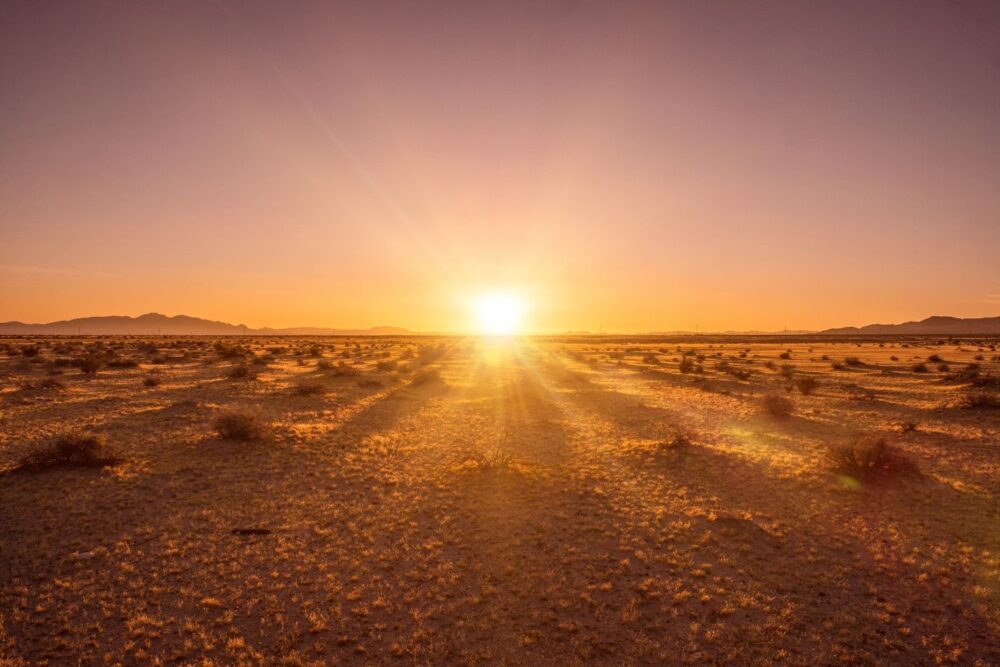
Desert regions offer abundant sunlight, wide open space, and relatively low population density. These factors make them attractive locations for large renewable energy projects.
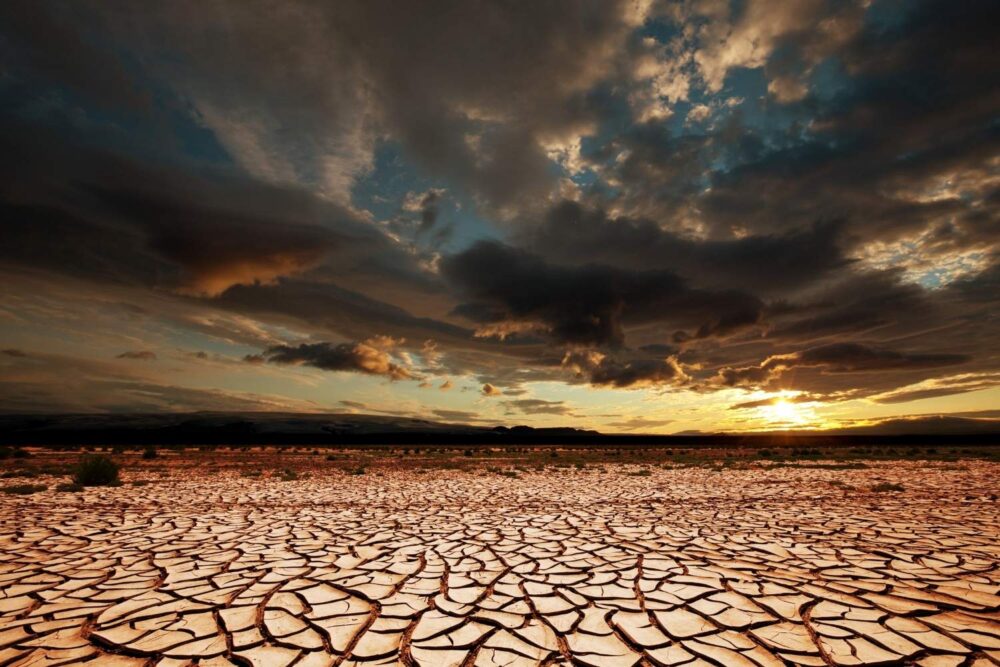
However, deserts are also sensitive environments. Small changes in shade, wind flow, or moisture can have outsized effects on soil stability and plant life, which is why researchers are paying close attention to what happens under the panels.
3. How solar panels change the ground below
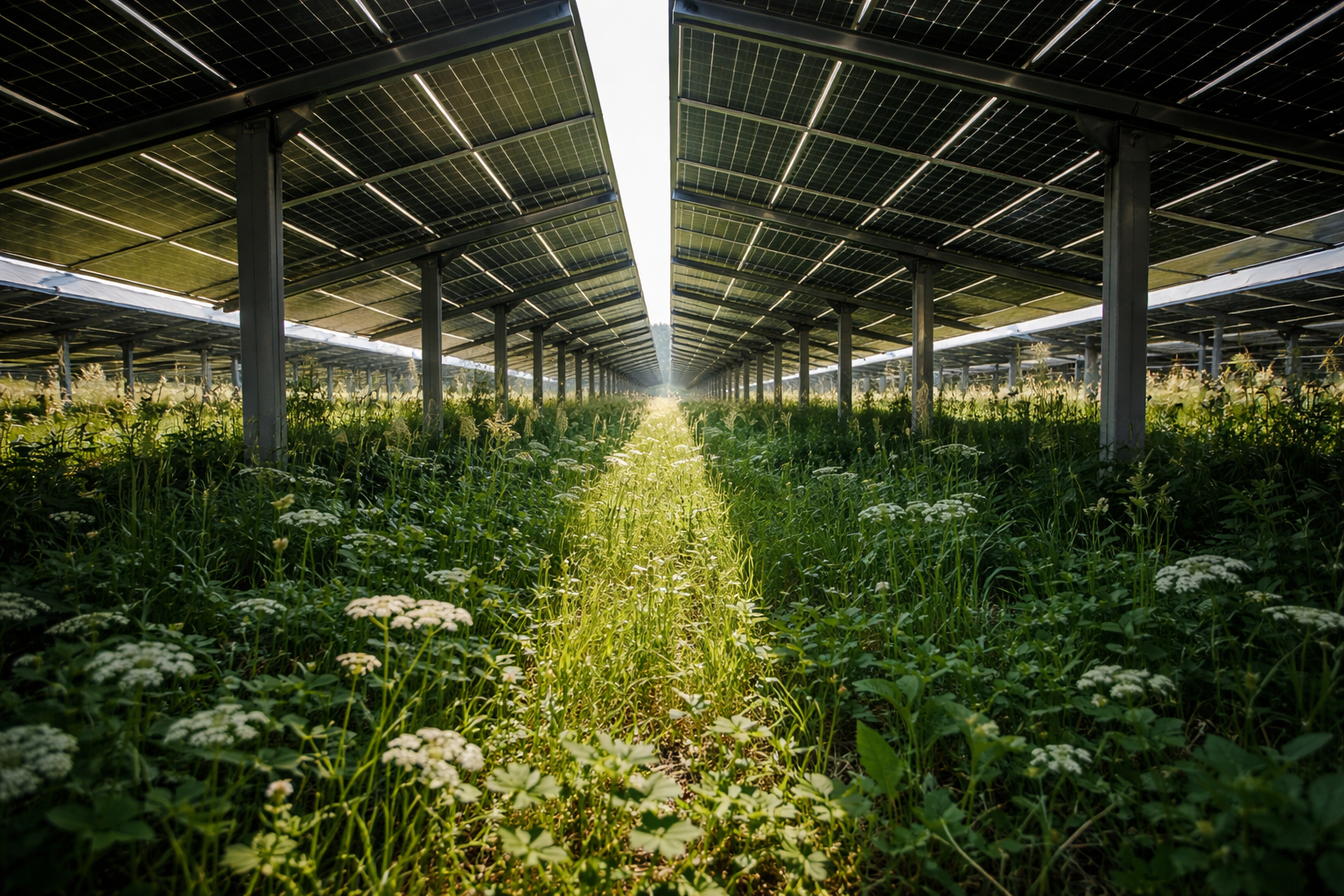
Rows of solar panels create shade and act as windbreaks. That reduces direct sunlight hitting the soil and slows evaporation, allowing moisture to remain in the ground longer than it normally would in exposed desert conditions.
Over time, this creates small microclimates beneath the panels. These pockets can be cooler and slightly wetter, offering opportunities for vegetation that would otherwise struggle to survive.
4. Signs of returning plant life

Satellite images and field observations have detected increased greenery in some areas within the solar farm. Hardy grasses and shrubs have begun growing where bare soil once dominated.
This vegetation helps stabilize the ground, reducing erosion and dust. Even modest plant growth can make a difference in regions prone to desertification and wind-driven soil loss.
5. Unexpected benefits for animals and land use
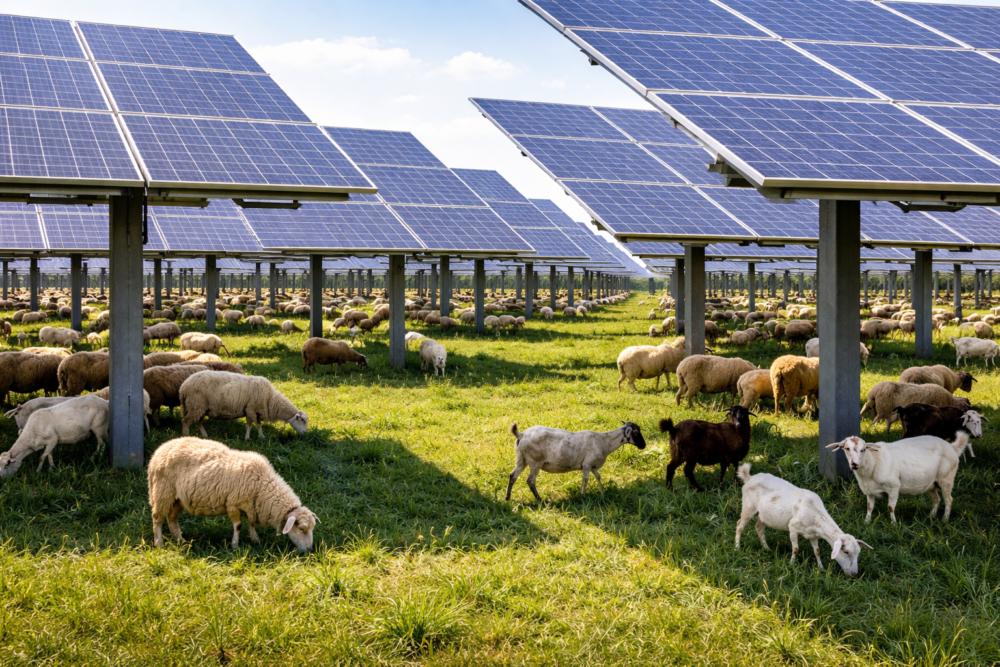
In some sections, livestock such as sheep graze beneath the panels, using the shaded areas for shelter. This dual use of land blends energy production with traditional agricultural practices.
The presence of animals also contributes organic matter to the soil, which can further support plant growth and improve soil structure over time.
6. Why scientists say the ecological effects matter
Researchers emphasize that the changes beneath the solar panels are not just cosmetic. In dry regions, small increases in soil moisture and reduced temperature extremes can significantly alter biological activity and nutrient cycling.
By shading the ground and slowing evaporation, the panels help retain water that would otherwise be lost quickly to the desert air. That retained moisture supports microbes and plant roots, which can gradually improve soil quality.
Scientists caution that these effects are still being studied. While early signs of greening are promising, long-term monitoring is needed to understand whether the changes persist, expand, or introduce new ecological trade-offs.
7. Solar farms and the fight against desertification
Large solar projects are increasingly being paired with land restoration goals. By reducing wind speed at ground level and anchoring soil with vegetation, solar installations may help slow the spread of desert conditions.
This approach suggests renewable energy infrastructure could play a role in stabilizing degraded land when carefully planned and managed.
8. Why results may differ in other regions
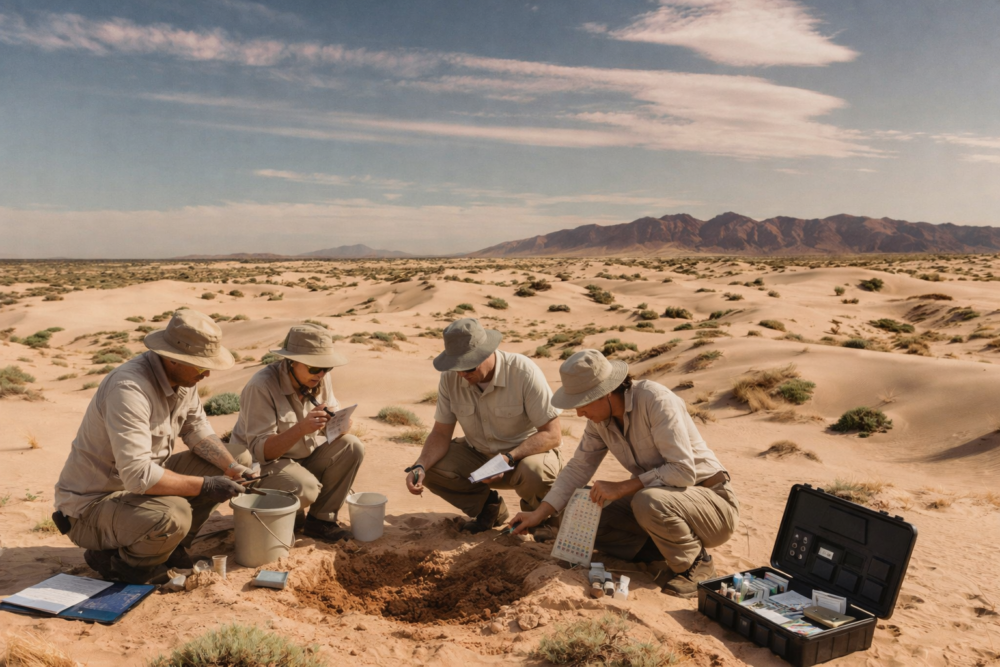
Not all deserts respond the same way. Soil composition, rainfall patterns, and local climate determine whether solar-induced microclimates support plant growth or remain largely unchanged.
That means results seen in one region cannot be automatically applied everywhere. Site-specific research remains essential.
9. Rethinking what solar projects can do

Traditionally, solar farms have been judged solely on how much electricity they produce. The emerging environmental effects add a new dimension to how these projects are evaluated.
If managed carefully, future installations could be designed to balance energy generation with land stewardship rather than treating the two as separate goals.
10. Weighing benefits against potential risks
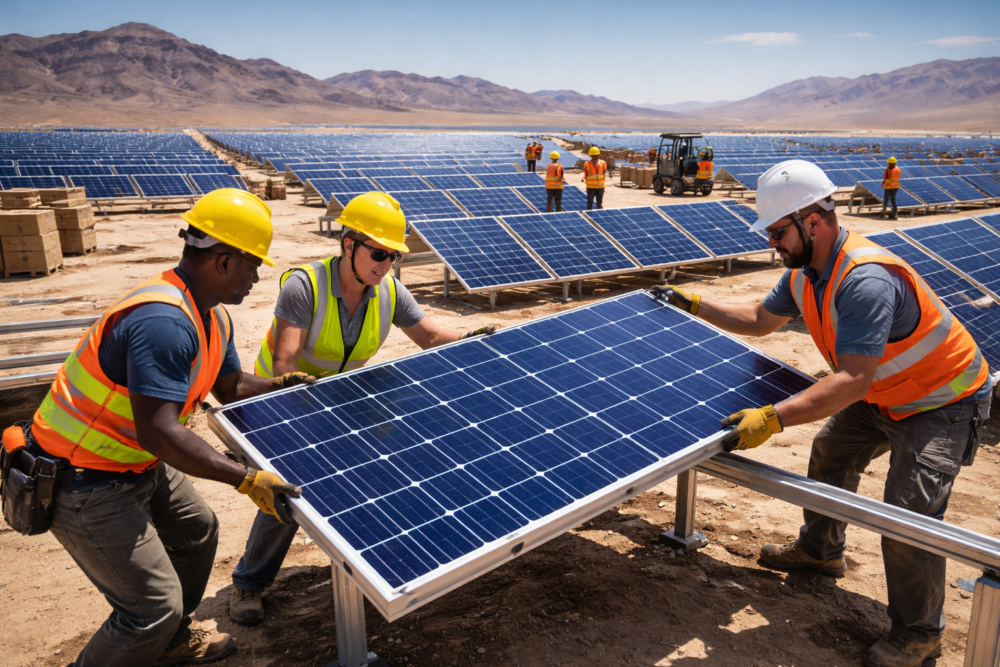
While early ecological changes appear positive, researchers stress the importance of caution. Large infrastructure projects always carry the risk of unintended consequences if poorly monitored.
Ongoing study helps ensure that benefits like reduced erosion or increased plant growth do not come at the expense of long-term ecosystem health.
11. What this means for the global energy transition
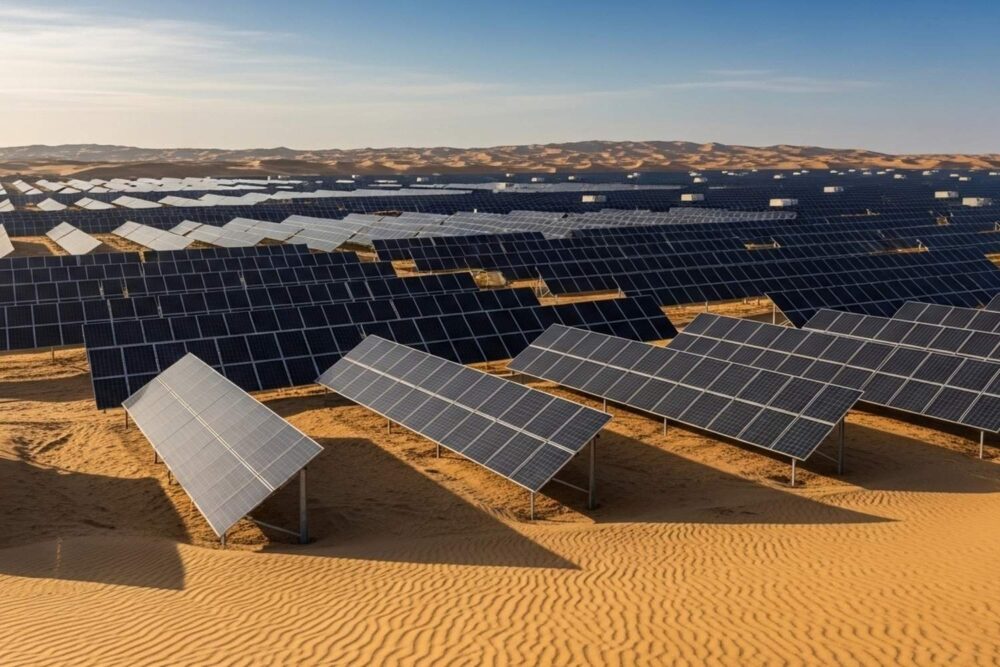
As countries race to expand renewable energy, China’s experience offers an unexpected case study. Solar farms can influence more than emissions and power supply.
The interaction between clean energy infrastructure and land health may become an important consideration worldwide, shaping how and where future renewable projects are built.