
Beijing advances new climate goals while U.S. debates continue to stall global progress.
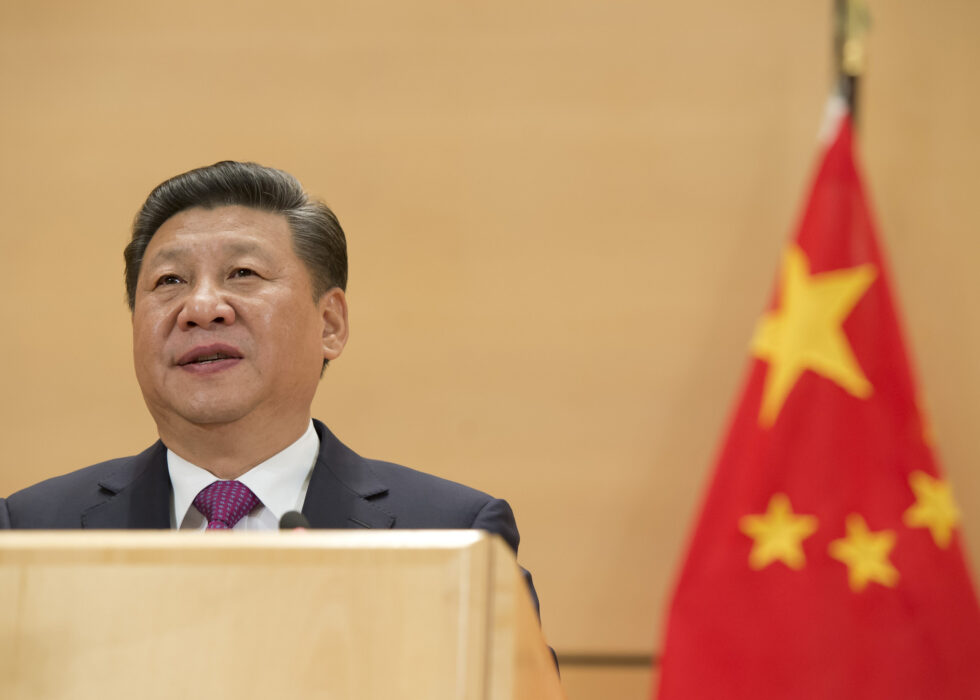
China has taken a major step in climate diplomacy with a new pledge to cut greenhouse gas emissions by 7 to 10 percent from peak levels by 2035. The country also announced plans to expand wind and solar power sixfold compared with 2020 levels and to boost non-fossil energy sources to more than 30 percent of its total energy mix. In his remarks, President Xi Jinping suggested that global leadership on climate action is shifting, drawing a contrast with rising skepticism and political resistance in the United States.
1. China Commits to Cutting Emissions by 2035
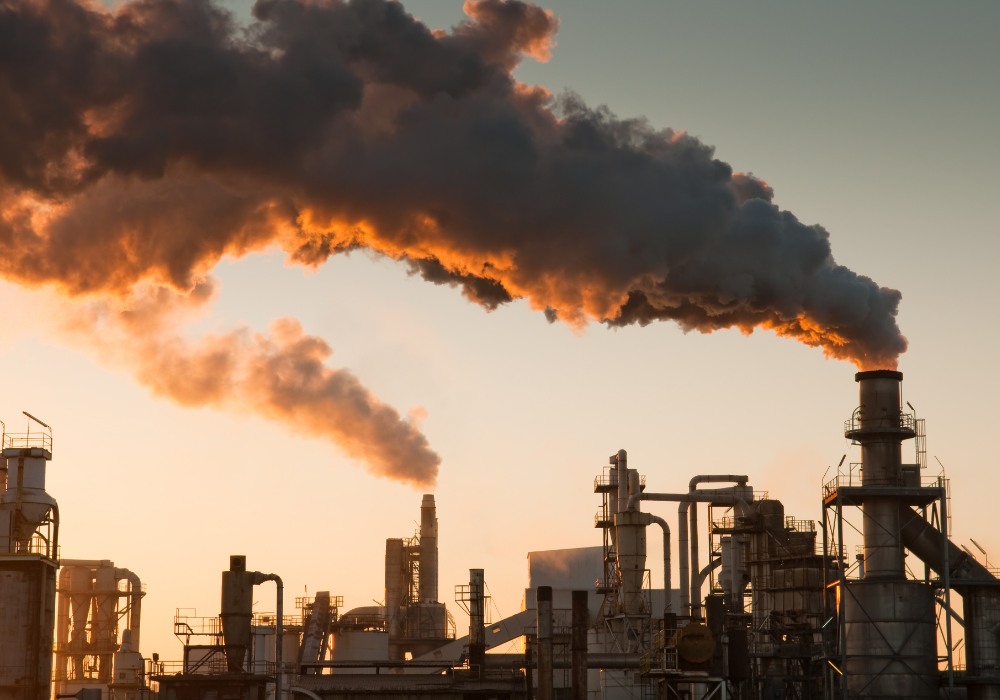
China announced it will reduce greenhouse gas emissions by 7 to 10 percent from its peak levels by 2035. This target gives the world’s largest emitter a defined timeline for lowering its climate footprint after years of steady growth.
The pledge represents China’s effort to balance continued economic development with its role in combating climate change. By setting a numerical goal, Beijing provides a measurable benchmark that international observers can track as the decade progresses.
2. Wind and Solar Will Expand Sixfold

Beijing committed to scaling up wind and solar capacity to six times the level installed in 2020. This expansion would create the world’s largest renewable energy system, far outpacing other major economies.
The investment not only reduces emissions but also positions China as the global leader in green technology manufacturing and deployment. From solar panels to wind turbines, Chinese firms already dominate supply chains, and this pledge ensures that dominance will grow stronger.
3. Non-Fossil Energy Will Exceed 30 Percent
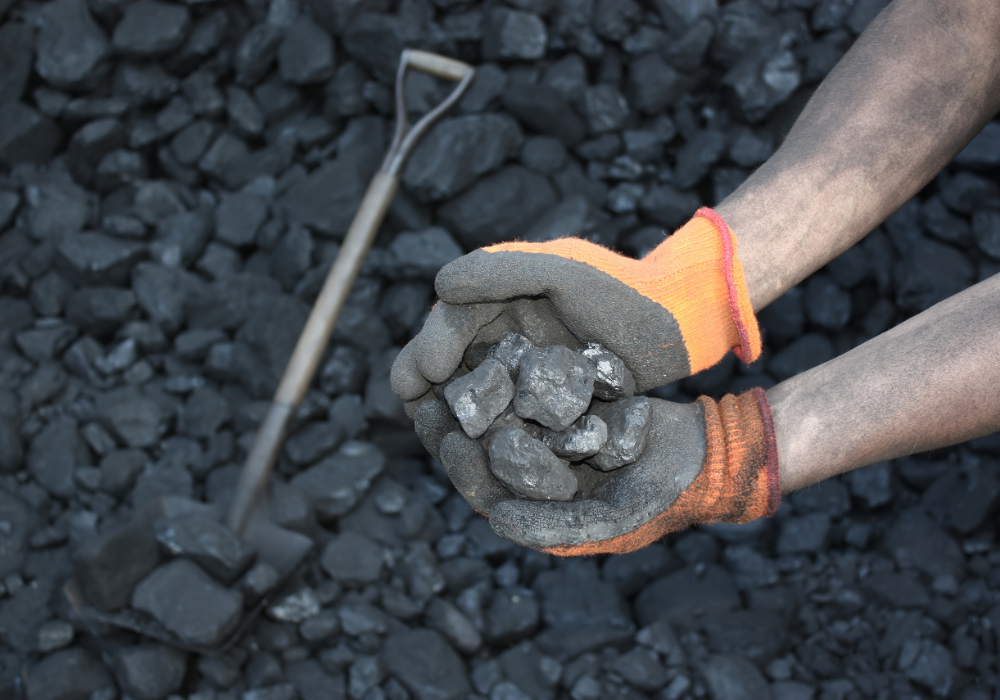
Another target in China’s plan is to push non-fossil energy sources above 30 percent of its overall energy mix by 2035. This includes hydropower, nuclear, solar, and wind power.v
Currently, coal remains the dominant source of electricity in China, supplying more than half of its energy. Shifting to cleaner alternatives will be a significant transition, but the pledge signals Beijing’s intent to move away from heavy reliance on fossil fuels.
4. Xi Jinping Frames Climate as Global Leadership
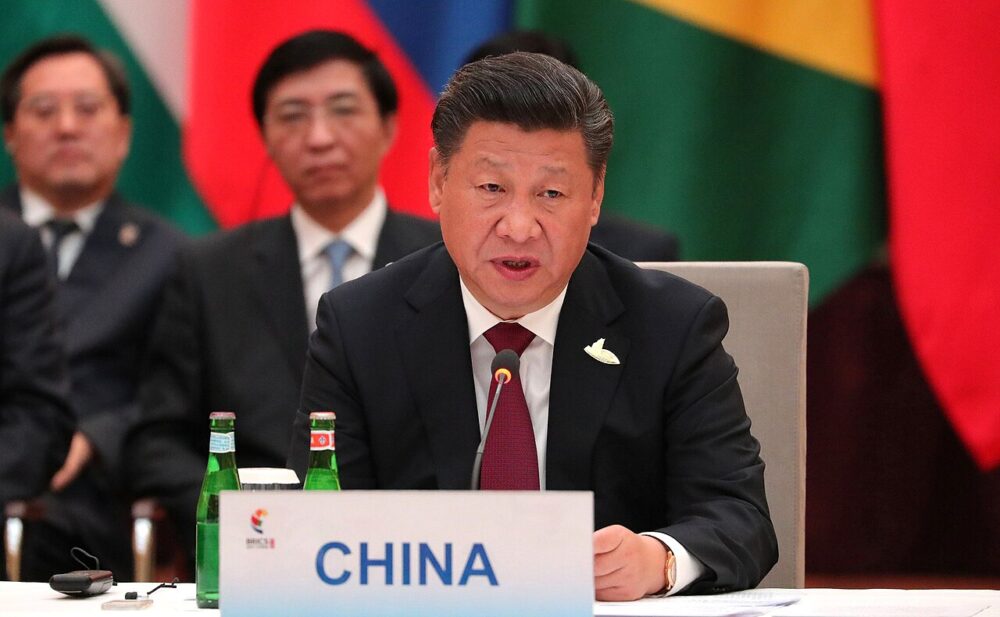
In his remarks, President Xi Jinping positioned climate action as a matter of global leadership. By announcing ambitious goals, China is signaling its intention to fill a vacuum left by the United States, where climate skepticism has been rising.
This positioning also serves domestic political purposes. By casting China as a forward-looking, responsible global actor, Xi strengthens his government’s credibility both at home and abroad.
5. U.S. Climate Skepticism Highlights a Divide

While China expands its climate commitments, political debates in the United States have slowed action. Climate denial and partisan divisions remain obstacles to passing sweeping policies in Washington.
This contrast gives Beijing an opportunity to present itself as more reliable in tackling global warming. Analysts suggest this dynamic could reshape international negotiations, where U.S. influence has traditionally dominated but now appears uncertain.
6. China Already Leads in Renewables
China is currently the largest producer of renewable energy in the world. It accounts for more than a third of global wind capacity and more than 70 percent of global solar manufacturing.
These new pledges build on existing dominance, ensuring China remains the primary driver of clean energy technology. While critics warn of overcapacity in the market, others see this as a long-term strategy to cement leadership in an industry critical to the future.
7. Challenges With Coal Remain
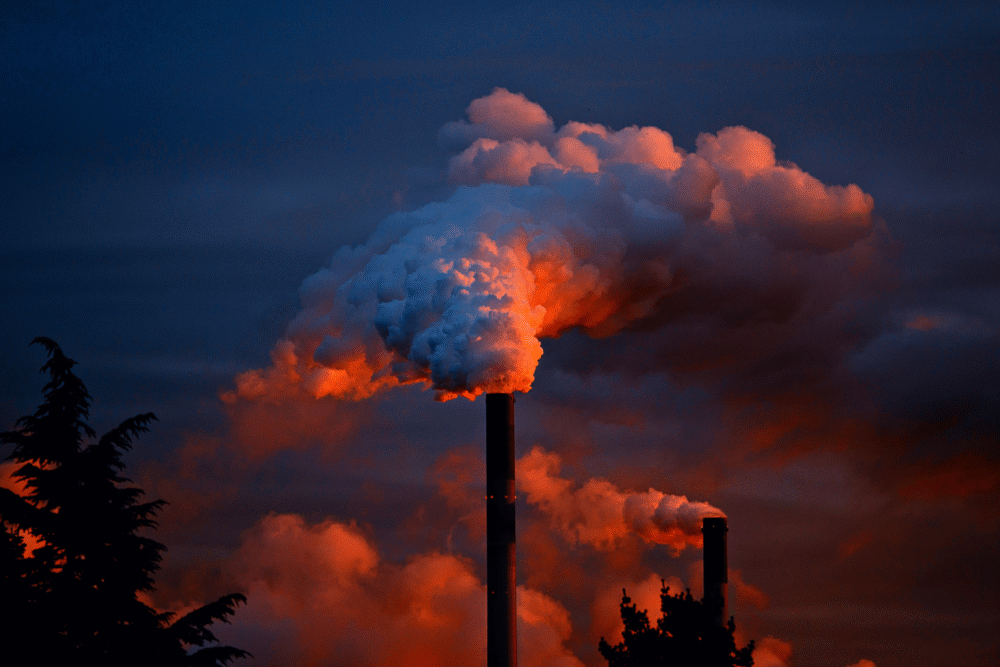
Despite its green pledges, China continues to approve and build new coal plants. Coal remains central to supporting rapid industrialization and preventing power shortages.
This reliance complicates Beijing’s climate commitments. While renewable projects are expanding quickly, balancing energy security with emission reductions will remain a key test of whether the new pledges can be achieved.
8. Global Pressure Helped Shape the Pledge

China’s announcement comes amid growing international calls for stronger climate action. The pledge aligns with UN appeals for countries to submit clearer targets ahead of the next climate summit.
By moving early, China sets the tone for developing economies and positions itself as a leader among nations that often hesitate to commit to reductions. This also gives Beijing leverage in future negotiations over finance and technology transfers.
9. Economic Strategy Is Part of the Plan
China’s green targets also serve its long-term economic interests. Investing in renewables creates jobs, supports manufacturing, and reduces dependence on imported fossil fuels.
These factors align climate goals with national development strategies. By building a stronger domestic clean energy sector, China can ensure its economy remains competitive while also cutting emissions.
10. Technology Innovation Will Be Key

Meeting the 2035 targets will depend heavily on continued advances in battery storage, smart grids, and carbon capture. China is already investing heavily in these fields, with government-backed programs driving rapid development.
The success or failure of these technologies will determine whether China can balance growing energy demand with lower emissions. Innovation is expected to be central to the transition, making China a testing ground for next-generation climate solutions.
11. The Pledge Shifts Global Climate Dynamics
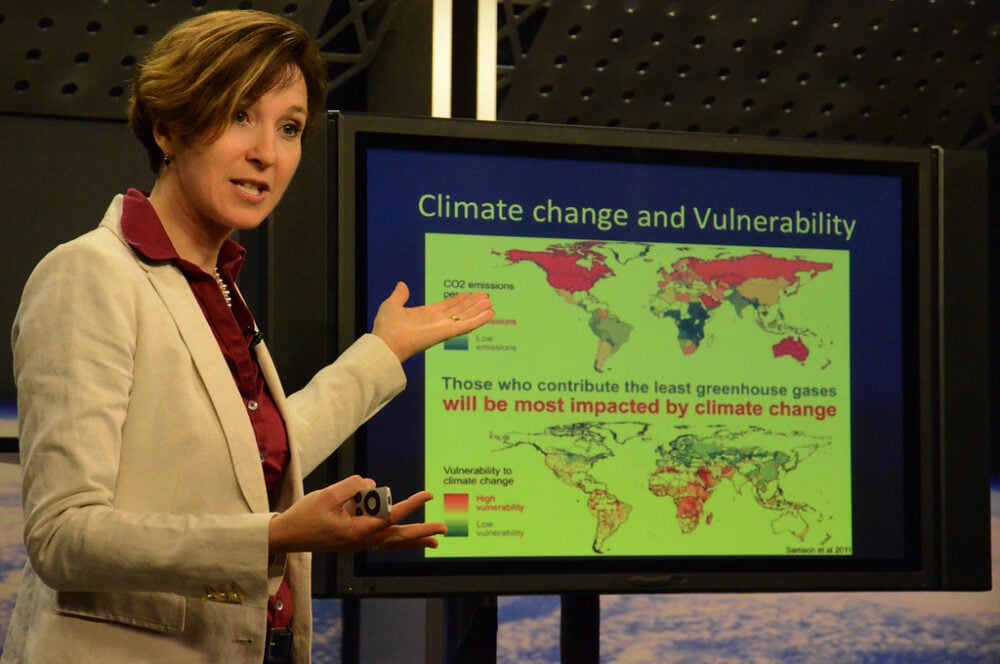
China’s announcement changes the tone of global climate diplomacy. With the U.S. facing political divisions, Beijing’s willingness to commit puts pressure on other nations to respond in kind.
Whether seen as genuine leadership or strategic positioning, China’s move underscores the urgency of climate action. It also highlights the geopolitical reality that the fight against global warming increasingly depends on how quickly China can transform its massive economy.