
While we stall on progress, China is out-investing, out-building, and out-smarting us.
While the U.S. clings to its legacy as a global superpower, China is charging full-speed ahead to dominate the technologies that will define the future. From electric vehicles and renewable energy to artificial intelligence and rare earth minerals, the Chinese government has poured massive investments into innovation—while America hesitates, debates, and deregulates.
This isn’t just a technological rivalry; it’s a battle for global influence, economic power, and environmental leadership. If we don’t start paying attention, we may find ourselves buying the future back from a country that’s already busy selling it to the rest of the world. Here’s how China’s winning.
1. China has turned electric vehicles into a national priority—and it’s paying off.

While the U.S. struggles to expand its EV charging network, China has blanketed its cities and highways with over 2 million charging stations. The government offers aggressive subsidies, tax breaks, and infrastructure support that have propelled companies like BYD and NIO into global competitors. Chinese consumers are embracing EVs faster than any other population, with EVs making up over 30% of all new car sales.
Meanwhile, American automakers lag behind, hampered by political infighting and limited federal incentives. China isn’t waiting—it’s building the foundation for a zero-emissions future while others debate feasibility.
2. China dominates the global supply of rare earth minerals essential for green tech.
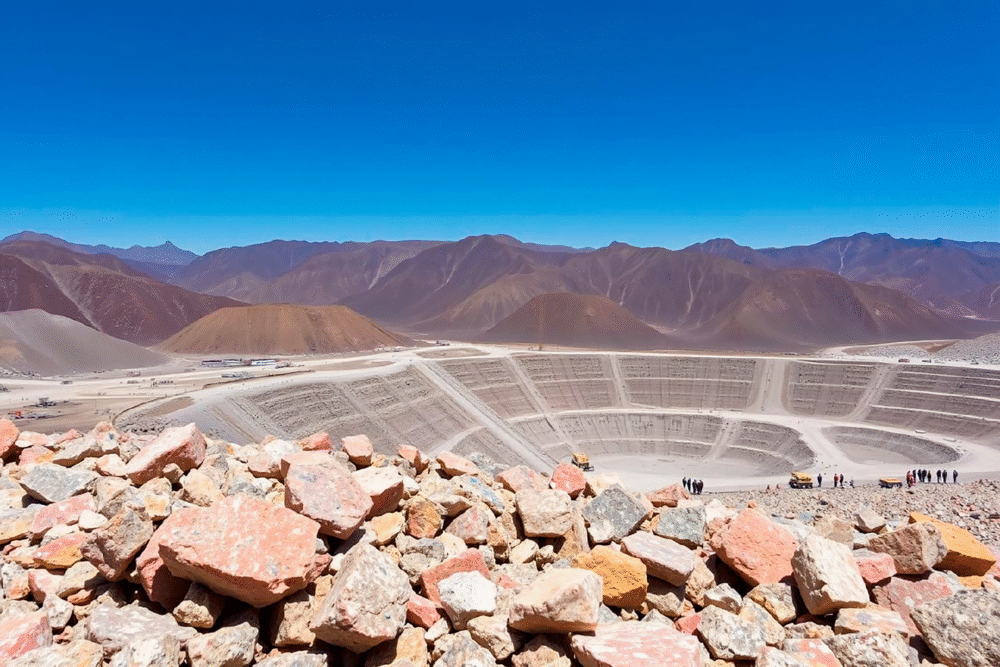
Rare earth elements are the unsung heroes of modern technology, powering everything from smartphones to wind turbines. China controls over 80% of the world’s rare earth processing, giving it a stranglehold on the materials needed for batteries, electronics, and clean energy. While the U.S. scrambles to reopen old mines and explore alternatives, China has already secured its supply chains and invested heavily in refining capabilities.
This control grants China not just economic power but geopolitical leverage, as it can restrict exports at will. In the race for sustainable tech, control over raw materials is a game-changer—and China knows it.
3. China is leading the world in solar panel production and deployment.

The solar energy boom isn’t just happening—it’s being manufactured in China. The country produces more than 70% of the world’s solar panels and dominates every stage of the supply chain, from polysilicon to finished modules. Chinese factories are churning out panels at record pace and record-low costs, thanks to massive government support and scale.
As other nations struggle with affordability and access, China has installed solar farms at a speed and scale unmatched globally. Their focus on renewables isn’t just environmental—it’s strategic. By cornering the solar market, China is shaping the economics of clean energy for decades to come.
4. China’s high-speed rail network makes America’s transportation look prehistoric.
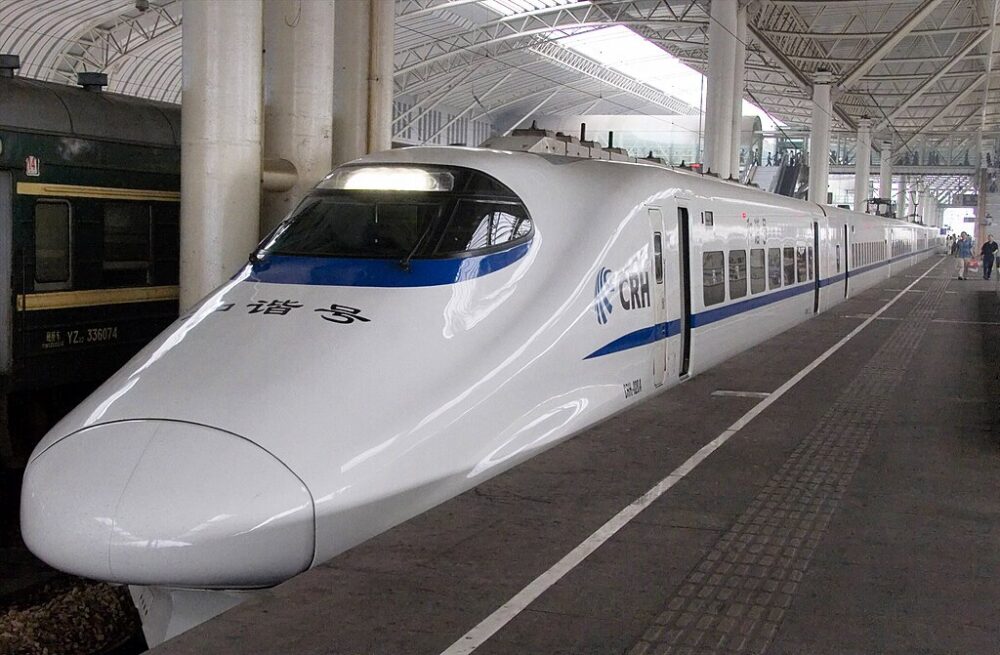
With over 28,000 miles of high-speed rail, China has built a sleek, efficient alternative to air and car travel. Trains that top 200 mph now connect major cities in hours, boosting productivity, slashing emissions, and reshaping domestic mobility. Meanwhile, the U.S. continues to debate projects like California’s high-speed rail, which remains plagued by delays and budget overruns. China’s bullet trains are affordable, reliable, and integrated with major urban hubs.
They’re not just moving people—they’re moving economies. By investing in futuristic transit, China is proving that innovation in infrastructure isn’t a dream. It’s already happening—just not in America.
5. China is investing heavily in AI while America argues over ethics and regulation.
Artificial intelligence is the battleground of the next global revolution, and China is pouring billions into becoming the frontrunner. From surveillance technology to generative models, Chinese companies and universities are rapidly scaling up AI capabilities. The government has outlined a national roadmap to lead the world in AI by 2030, supporting startups and research hubs. In contrast, U.S. development is slowed by fragmented policies, regulatory uncertainty, and political gridlock.
While ethical concerns are valid, China’s aggressive push is positioning it as the leader in machine learning, automation, and data control—technologies that will power everything from defense to healthcare.
6. China’s battery technology and manufacturing leave U.S. efforts in the dust.

Batteries are the heartbeat of the energy transition, and China owns the pulse. The nation dominates global battery production, especially in lithium-ion technology crucial for EVs and renewable storage. CATL and BYD—Chinese battery giants—are supplying not just domestic needs but also international markets. The U.S. relies heavily on imports and still struggles to scale its battery industry, facing challenges in both raw materials and manufacturing.
China, meanwhile, keeps refining battery chemistry and pushing energy density boundaries. Their technological edge means they’re not just building the batteries of today—they’re engineering the energy solutions of tomorrow.
7. China’s green cities are becoming models for future urban living.

From smart traffic systems to buildings powered entirely by renewables, Chinese cities are quickly becoming testbeds for sustainable urban development. Eco-cities like Tianjin and Shenzhen integrate green spaces, efficient mass transit, and low-emission buildings into their design. While American cities retrofit aging infrastructure, China is building sustainability into the blueprint from the ground up.
Government planning and public-private partnerships are driving bold experiments in clean living, many of which are now influencing international standards. These cities aren’t just cleaner—they’re smarter and more livable. China is proving that urban growth and environmental consciousness can go hand in hand.
8. China is outspending the U.S. in clean energy research and development.

When it comes to funding innovation, China isn’t pulling punches. It’s investing more annually in clean energy R&D than any other country, including the U.S. This financial commitment spans solar, wind, hydrogen, and carbon capture technologies.
Chinese universities and institutes are generating patents and breakthroughs at a staggering pace, while U.S. labs often face budget cuts and political hurdles. This research muscle translates into faster commercialization and global market advantages. If innovation is the engine of the future, then investment is the fuel—and China is pumping premium while the U.S. settles for fumes.
9. China’s industrial policies are laser-focused on dominating future tech.

Unlike the often reactive nature of U.S. policy, China’s government takes a long-term, strategic approach. Initiatives like “Made in China 2025” clearly outline the nation’s ambition to lead in emerging sectors like biotech, robotics, quantum computing, and clean energy.
This top-down alignment ensures coordination across government, industry, and academia. The U.S., by contrast, tends to rely on market forces and short-term political cycles, often resulting in fragmented priorities. China’s approach may be centralized, but it’s undeniably effective at mobilizing resources. While America dithers over direction, China follows a calculated path to future dominance.
10. China is rapidly securing global influence through energy and infrastructure deals.

Through its Belt and Road Initiative, China is exporting power—literally and figuratively—by financing energy and infrastructure projects in over 100 countries. From building power plants in Africa to high-speed rail in Southeast Asia, these deals expand China’s influence and create dependency on Chinese tech and financing. America’s foreign aid and investment programs pale in comparison, often bogged down by bureaucracy or political shifts.
China’s strategy isn’t just about development—it’s about shaping the future world order. By embedding itself in the infrastructure of emerging economies, China is ensuring its seat at the head of the global table.