
A new study finds chimpanzees can reflect on their own thoughts before acting, a hallmark of human intelligence.
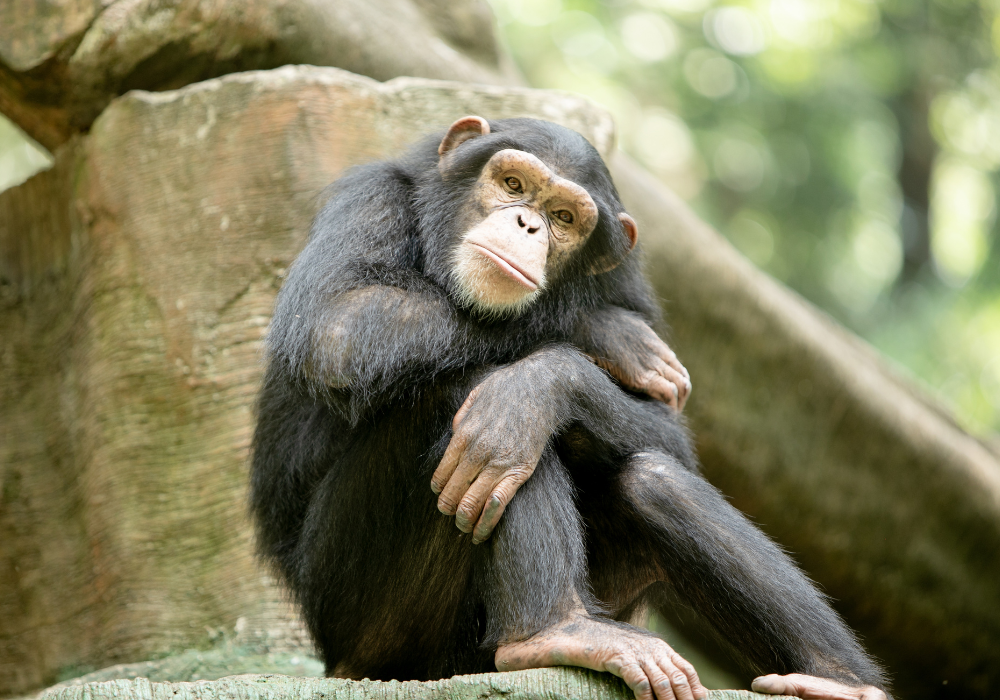
Chimpanzees may be even more self-aware than scientists once believed. In a new study published in Proceedings of the National Academy of Sciences, researchers found that chimps can “think about thinking” — a cognitive ability known as metacognition. When faced with uncertain choices, the animals paused to assess what they knew before deciding, showing signs of reflection and evidence-based reasoning. The discovery suggests that the roots of human-style planning and self-awareness run far deeper in our evolutionary history than previously thought.
1. Chimps Show Evidence of “Thinking About Thinking”

A new study published in Proceedings of the National Academy of Sciences suggests chimpanzees can engage in metacognition — the ability to evaluate their own knowledge before acting. This mental process, once thought to be uniquely human, allows individuals to recognize when they’re uncertain and to pause before making a decision.
Researchers observed that chimps didn’t simply react to stimuli. Instead, they appeared to assess what they knew and what they didn’t — a hallmark of higher reasoning.
2. The Study Tested Chimps’ Ability to Weigh Evidence
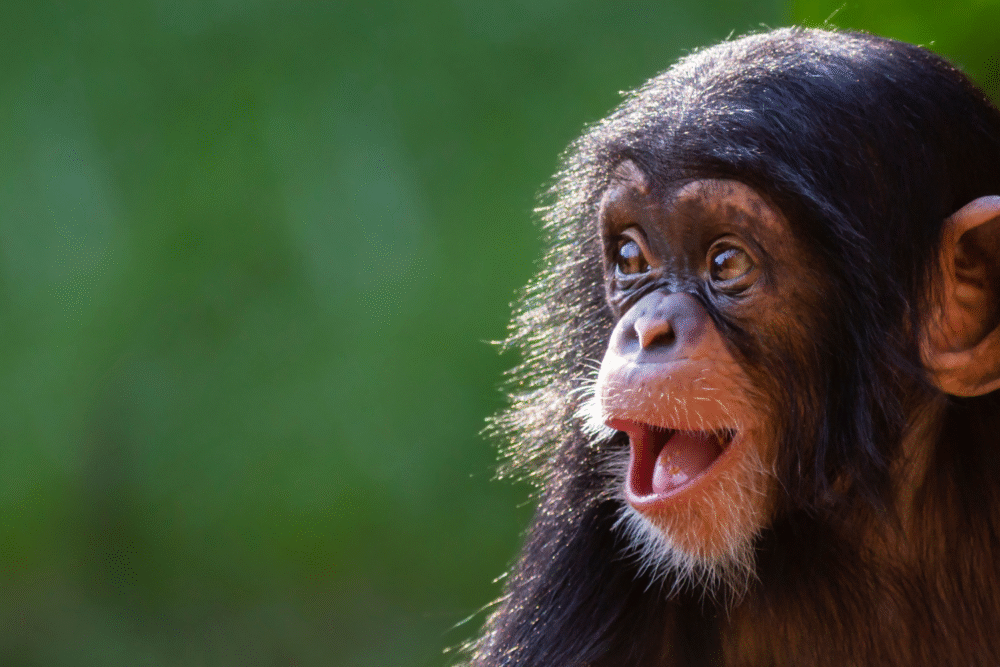
To test metacognition, scientists designed a task in which chimpanzees had to find hidden food based on limited clues. Sometimes the evidence was clear; other times it was ambiguous. The chimps could either make a quick choice or look for more information before deciding.
Their consistent choice to gather more clues when uncertain showed deliberate evaluation, not random guessing — a key sign of planning and reflective thought.
3. The Experiments Took Place at Kyoto University’s Primate Research Institute

The study was led by researchers at Kyoto University’s Primate Research Institute in Japan, one of the world’s leading centers for studying great ape cognition. The chimps involved had years of experience with touch-screen problem-solving and decision-making tasks.
This familiarity allowed scientists to focus on complex reasoning rather than training new skills, ensuring that observed behaviors reflected genuine cognitive awareness, not conditioned learning.
4. Chimps Deliberated Before Making Difficult Decisions
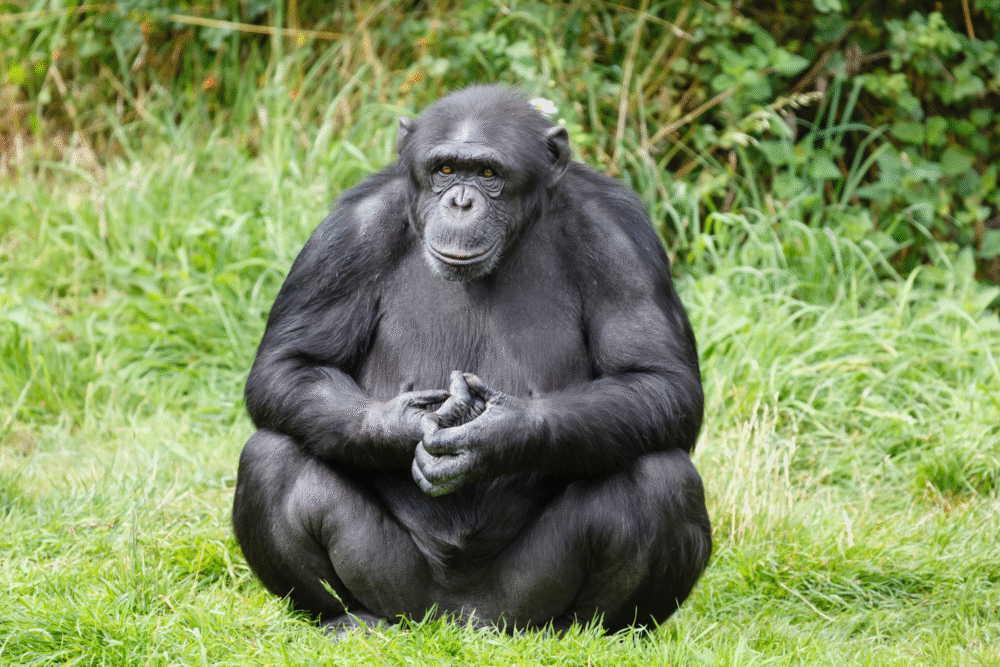
When given conflicting or incomplete information, the chimpanzees didn’t rush to act. Instead, they paused, studied the available evidence, and made more accurate choices after additional investigation.
This deliberate delay mirrors human strategies for problem-solving under uncertainty. According to the researchers, the behavior demonstrates that chimps are capable of controlling impulsive responses in favor of thoughtful, evidence-based reasoning.
5. Researchers Call It a Sign of Metacognition — Not Instinct
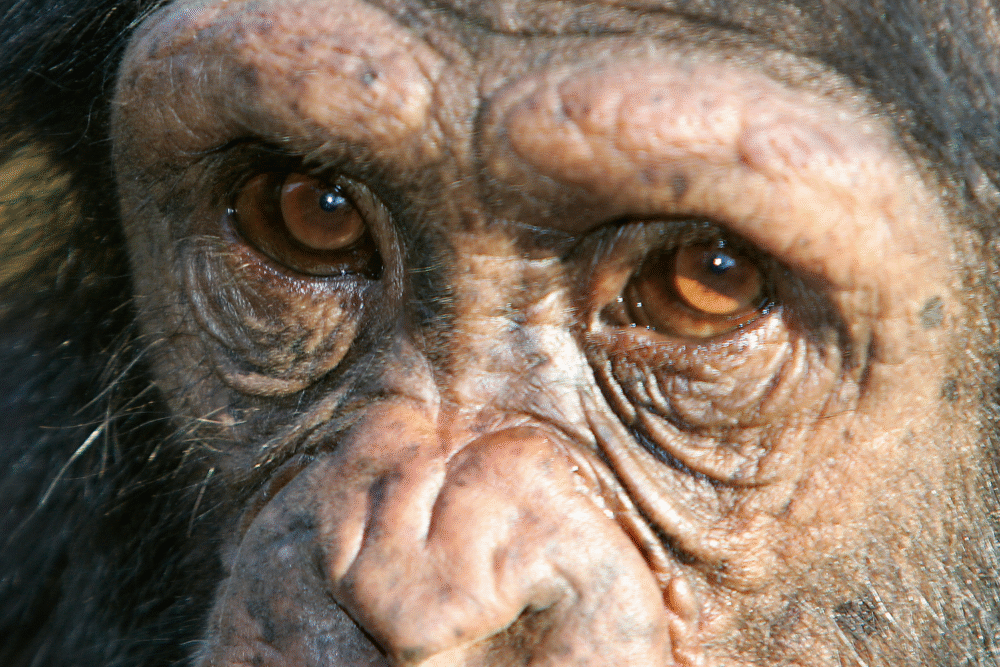
The scientists concluded that the chimps’ actions couldn’t be explained by simple trial-and-error learning. Their ability to monitor and adjust their choices depending on confidence levels pointed to true metacognitive processing.
In humans, this kind of self-monitoring underlies skills like studying effectively, avoiding risky choices, and planning ahead — suggesting that similar mental frameworks may have deep evolutionary roots.
6. The Findings Challenge Long-Held Views of Animal Intelligence
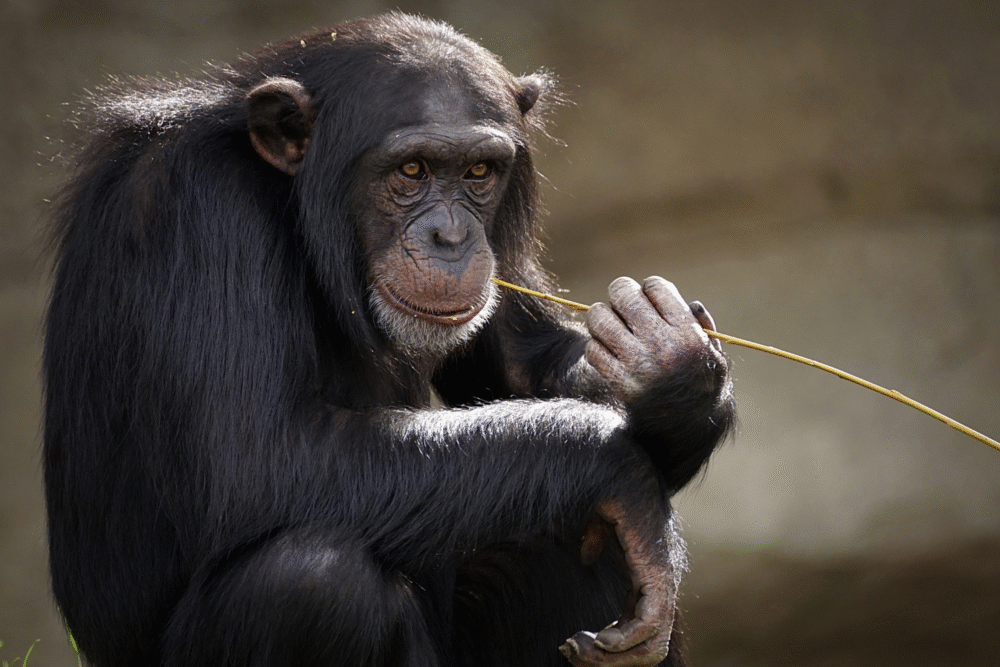
For decades, psychologists argued that animals lacked the mental capacity to reflect on their own knowledge. The new results add to growing evidence that several great ape species, including chimpanzees, can engage in forms of introspection once considered uniquely human.
This discovery forces scientists to rethink rigid boundaries between human and animal intelligence — and to recognize that reflective thinking may have evolved far earlier than previously assumed.
7. Chimps Adjusted Their Behavior Based on Confidence Levels
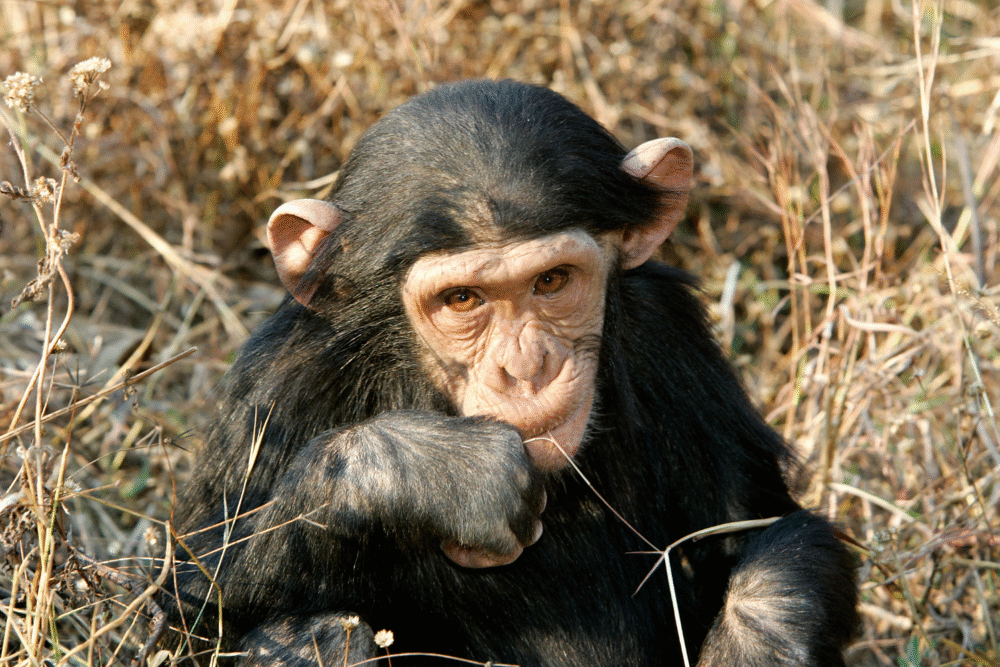
In repeated trials, researchers found that when chimps were confident about their answer, they acted quickly. But when uncertain, they delayed or sought more information. This pattern mirrors human decision-making in similar tests of self-assessment and memory.
Such flexibility indicates that chimps can gauge the reliability of their own thoughts — not just recall information, but evaluate how certain they are about it before taking action.
8. The Study Builds on Previous Research Into Ape Self-Awareness
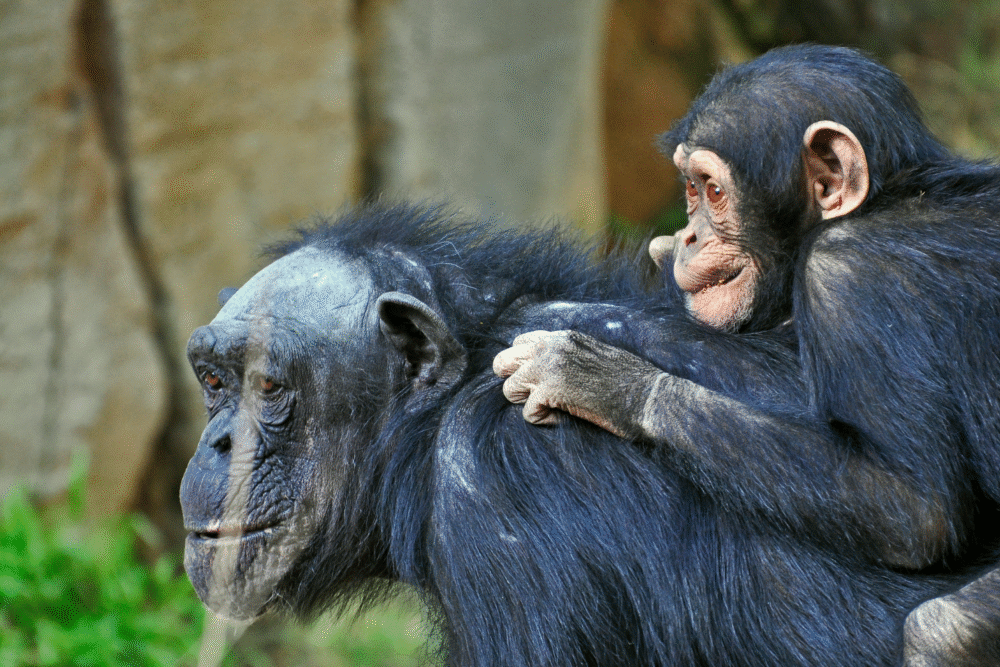
Earlier experiments showed that chimpanzees could recognize themselves in mirrors and remember past events, suggesting some level of self-awareness. The new study adds another layer by showing they can also reflect on their mental states in real time.
Together, these findings present a more complex picture of chimp cognition — one that includes not just awareness of the external world, but introspection and self-regulation.
9. Metacognition May Help Chimps Plan and Learn More Efficiently
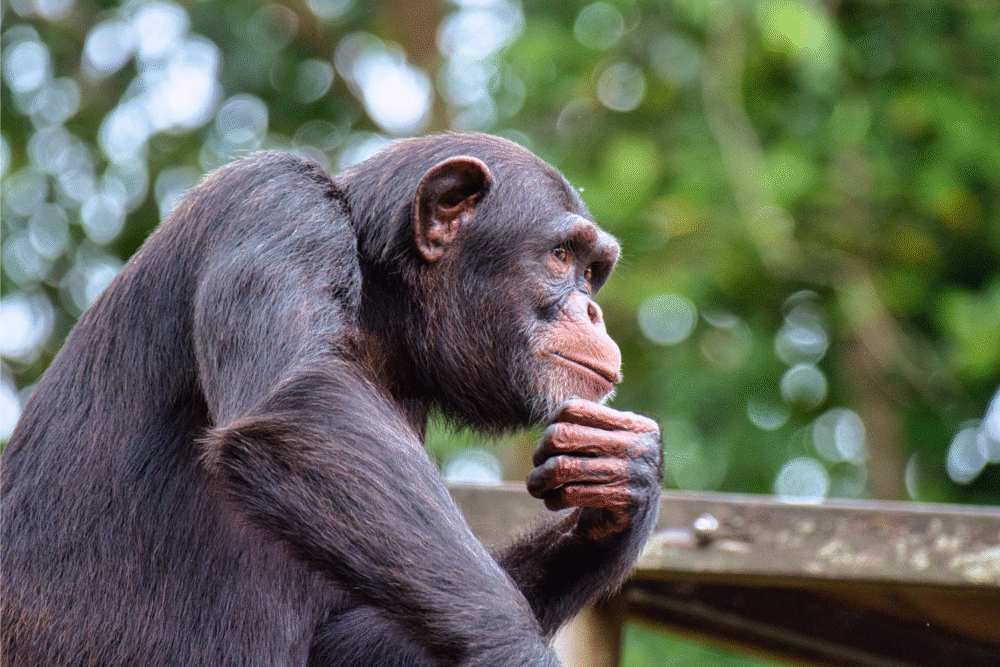
Researchers believe this mental skill provides chimpanzees with a practical survival advantage. Being able to evaluate uncertainty helps them make smarter foraging decisions, avoid danger, and learn from mistakes.
By recognizing when they need more information, chimps can adapt their behavior to new environments more effectively — a critical ability for species that rely on social learning and innovation.
10. The Discovery Narrows the Cognitive Gap Between Humans and Apes

While humans possess far more advanced reasoning skills, the chimps’ performance shows that elements of reflective thinking existed millions of years before Homo sapiens evolved. It supports the idea that human-style thought did not emerge suddenly but developed gradually from shared ancestral abilities.
This insight helps explain why great apes display such versatility in tool use, communication, and cooperation — behaviors rooted in strategic, self-aware cognition.
11. Scientists Say the Findings Redefine What It Means to Be “Smart”
The study’s authors argue that intelligence should not be measured only by language or abstract reasoning. The chimps’ behavior shows that reflective awareness — the ability to pause, evaluate, and decide — is a sophisticated form of intelligence in its own right.
By uncovering this trait in our closest relatives, the research not only deepens our understanding of chimpanzee minds but also invites humans to rethink the very nature of consciousness and decision-making.