
Beloved landscapes are burning—and the damage goes far beyond what the eye can see.

Wildfires have always been part of nature’s rhythm, but today’s climate-fueled blazes are growing hotter, faster, and far more destructive. America’s national parks—long seen as serene sanctuaries—are now ground zero for these extreme fires. Recently, both Grand Canyon National Park and Black Canyon of the Gunnison were forced to close due to nearby infernos, a stark reminder that no iconic landscape is immune.
From vanishing species to burned-out infrastructure, wildfires are leaving scars that won’t heal quickly—if ever. And as temperatures climb, the damage is only accelerating. These aren’t just temporary setbacks—they’re long-term transformations. If you love these parks, it’s time to face what’s happening.
1. Forest ecosystems are being permanently altered by repeated burns.

Many national parks are built around delicate forest ecosystems that evolved with occasional fires—but not at today’s frequency or intensity. Now, trees that once rebounded after a blaze are struggling to regrow, or failing entirely. High-intensity fires burn so hot they incinerate seeds, roots, and essential microbes in the soil.
In places like Yellowstone and Sequoia National Park, iconic species like lodgepole pine or giant sequoias are being wiped out or replaced by fire-resistant shrubs and grasses. What emerges after the flames is often an entirely different landscape—one that may not resemble the original ecosystem at all.
2. Wildlife is fleeing or disappearing as habitats go up in smoke.

When fire sweeps through a national park, it doesn’t just scorch trees—it destroys food sources, nesting grounds, and migration corridors. Small mammals, reptiles, and birds are often killed outright or pushed out of their habitats. Even larger species like elk, bears, and mountain lions may find their ranges fragmented or unreachable.
In the aftermath, animals may wander into unfamiliar or human-dominated areas, leading to increased roadkill and conflict. Recovery can take years, if not decades—and for some species already on the brink, the fires may deliver a fatal blow. America’s most iconic wildlife is now under constant threat.
3. Trails and visitor access points are closing more frequently—and for longer.

Visitors hoping to enjoy national parks are now facing a harsh reality: more trail closures, roadblocks, and complete park shutdowns. Fire activity near the Grand Canyon and Black Canyon of the Gunnison has forced officials to turn away tourists, sometimes during peak season. Burned-out trails become unsafe due to unstable soil, falling trees, or damaged bridges. And smoke-filled air makes hiking hazardous to health.
Recovery and rebuilding can take months or even years, meaning even after a fire is extinguished, access is limited. For outdoor lovers, the experience of visiting these parks is changing—often dramatically.
4. Historic landmarks and cultural heritage sites are at risk of total destruction.

National parks don’t just protect nature—they safeguard human history, too. But intense wildfires are now threatening irreplaceable cultural sites, from Native American petroglyphs to historic ranger stations. Fires near Mesa Verde and Bandelier have already come dangerously close to ancient ruins.
Structures built from wood or adobe are especially vulnerable, and often there’s little time to protect them. Even stone carvings and cliff dwellings can be damaged by extreme heat or falling debris. Once lost, these artifacts of human civilization can never be replaced. The flames aren’t just erasing trees—they’re erasing stories that stretch back thousands of years.
5. Park infrastructure is being overwhelmed by rising disaster costs.

As wildfires intensify, the cost of maintaining, protecting, and rebuilding park infrastructure is ballooning. Roads buckle from heat. Power lines go down. Campgrounds and visitor centers are damaged or destroyed. Firefighting itself is expensive, requiring helicopters, ground crews, and emergency evacuations. Many national parks operate on tight budgets, and these disasters are draining their resources.
Recovery from one fire might take years—only to be interrupted by another blaze. The cycle is exhausting staff and limiting long-term planning. Instead of improving trails or upgrading facilities, parks are forced into triage mode, doing the bare minimum just to keep the gates open.
6. Air quality in and around parks is becoming a serious health concern.

National parks were once celebrated for their crisp, clean air—but that’s changing fast. Smoke from massive wildfires lingers for days or weeks, filling the air with fine particulates that pose serious health risks. Even healthy visitors can suffer from headaches, eye irritation, or shortness of breath.
For children, seniors, or people with asthma, it can be downright dangerous. Park rangers increasingly hand out masks or post air quality alerts that discourage outdoor activity. Iconic views become shrouded in haze, and the “fresh mountain air” experience is lost. Clean air was once a given in these sacred spaces—now it’s a question mark.
7. Tourism-dependent gateway towns are losing income and stability.

Many small towns near national parks—like Springdale near Zion or West Yellowstone—rely almost entirely on tourism to survive. When fires force evacuations or long-term closures, the ripple effects are immediate. Hotels go empty. Restaurants close. Local workers lose wages.
Some towns face repeated disruptions, forcing business owners to reconsider whether it’s sustainable to stay. Even when parks reopen, the threat of fire or smoke can keep visitors away. The economic toll is harsh and growing. These communities, often overlooked in national discussions, are bearing the brunt of the climate crisis—and struggling to hang on.
8. Insurance costs are soaring or disappearing altogether.

As wildfires become more frequent and intense, insurance companies are rethinking their willingness to cover park infrastructure and surrounding communities. In fire-prone areas, premiums are skyrocketing—or being canceled altogether. This makes it harder for park authorities to protect buildings, for contractors to rebuild after damage, and for nearby residents to afford coverage.
Without insurance, even small fires can lead to massive financial loss. In the long run, this could force some facilities to close for good. The financial model for maintaining and protecting national parks is under pressure—and many places are one disaster away from permanent loss.
9. Iconic landscapes are losing their visual and ecological identity.

Think of Yosemite’s granite cliffs framed by lush forest—or Glacier National Park’s snowcapped peaks surrounded by alpine meadows. Now imagine those same scenes blackened by char or stripped of vegetation. Visitors increasingly find familiar vistas transformed by fire scars.
Beyond aesthetics, these changes disrupt ecosystems and affect everything from water flow to soil stability. A place once known for waterfalls may become a dust bowl. Recovery is slow and sometimes incomplete. Climate-driven wildfires are redefining what these parks look and feel like—and for many longtime visitors, the loss is heartbreaking. The scenery we once took for granted is vanishing.
10. The mission of national parks is shifting from preservation to survival.
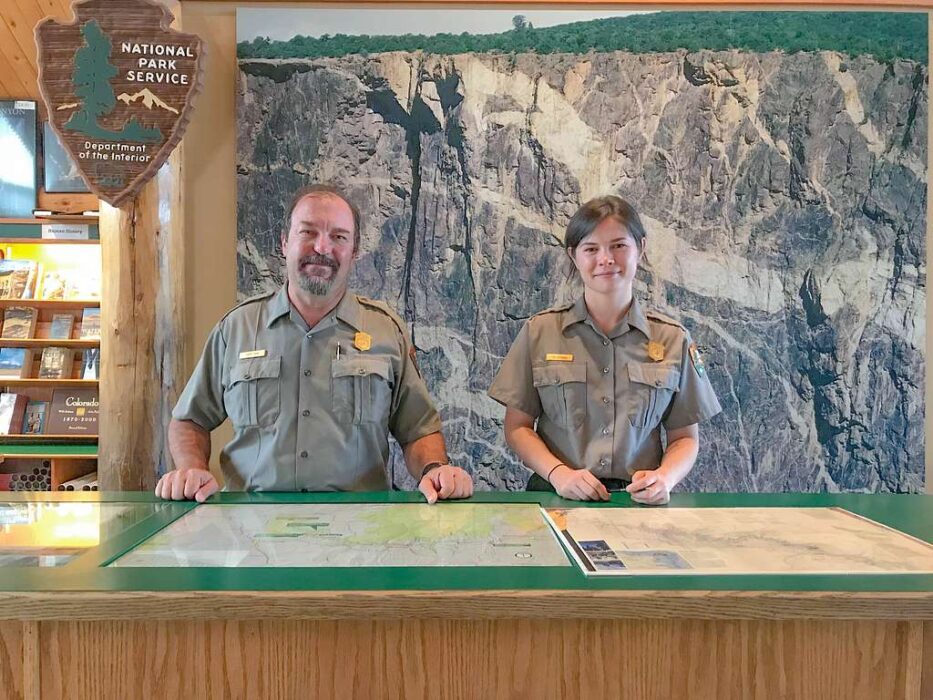
National parks were founded to protect America’s natural beauty “for the enjoyment of future generations.” But as wildfires intensify, that mission is being tested. Park staff are no longer just stewards of preservation—they’re emergency managers, climate planners, and crisis responders. Resources that once went to interpretation and education now go to fuel breaks and evacuation drills.
As climate threats escalate, the goal is increasingly about keeping parks functional and safe, not pristine and untouched. This shift signals something deeper: a recognition that preservation alone isn’t enough. If we want these parks to endure, survival must come first.