Ancient DNA Study Updates What We Thought About the “First Black Briton”

New genetic evidence offers a clearer picture of a Roman-era woman found in southern England.

©Image license via Planet Sage/Chat GPT

For years, the discovery of a Roman-era skeleton on England’s southern coast was widely cited as evidence of Britain’s earliest known Black resident. Based largely on skull shape and facial reconstruction techniques available at the time, researchers suggested the woman may have had African ancestry.

That interpretation became part of broader conversations about diversity in ancient Britain. But advances in ancient DNA technology are now allowing scientists to revisit such claims with far more precision.

A new genetic analysis of the remains, known as the Beachy Head Woman, suggests she was more closely related to local British populations living during the Roman period. The updated findings don’t erase diversity from Britain’s past, but they do show how science continues to refine historical understanding as tools improve.

Click through to discover where and how she was found.
Read more

What Ancient DNA Is Finally Revealing About Europe’s First Settlers

New genetic discoveries are painting a very different picture of the first people who lived in Europe.

©Image license via Planet Sage/Chat GPT

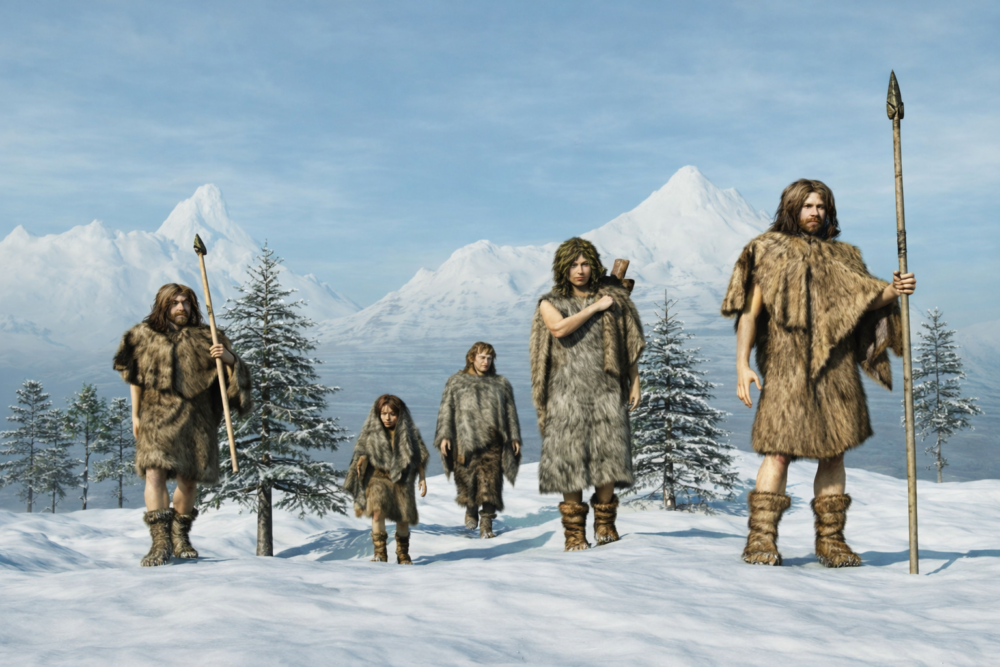
Ancient DNA has completely changed what we thought we knew about Europe’s earliest settlers. Instead of one group slowly spreading across the continent, scientists have learned there were several waves of people arriving at different times, each adding their own piece to Europe’s story. Research from major genome projects shows that early hunter-gatherers, migrating farmers, and later steppe herders all shaped today’s populations. These findings are nothing like what researchers believed just a few decades ago. And as more ancient DNA is decoded, the story of Europe’s first people keeps getting more surprising.

Read more

DNA Breakthrough Suggests Humans Started Talking Far Earlier Than Anyone Thought

A major genetic review suggests the capacity for language emerged far earlier in human history than previously believed.

©Image license via Planet Sage/Chat GPT

Pinpointing when humans first began to speak has always been difficult because language doesn’t leave fossils behind. But a new genomic analysis led by linguist Shigeru Miyagawa and colleagues offers one of the strongest clues yet. By examining genetic branching patterns in early human populations, the researchers argue that the biological capacity for language must have existed by around 135,000 years ago. If all modern human groups share core language features, the team says, then those abilities likely emerged before our ancestors began splitting into separate populations. Their findings are reshaping long-held ideas about when speech first appeared.

Read more

A Stunning Discovery Suggests Humans Mastered Fire 400,000 Earlier Than Believed

New evidence from England pushes back the timeline of deliberate fire-making by early humans by hundreds of thousands of years.

©Image license via Planet Sage/Chat GPT

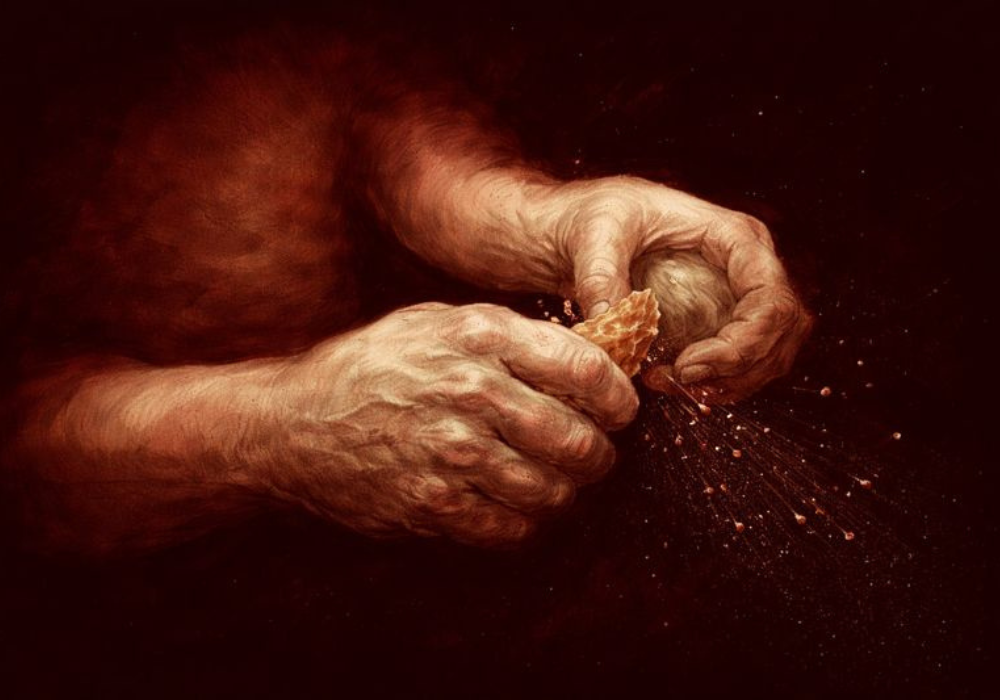
Humans mastered the ability to make fire far earlier than scientists once believed, according to a new study uncovering compelling evidence in eastern England. At a Paleolithic site near Barnham in Suffolk, researchers found heat-altered sediments, fire-cracked flint tools, and fragments of iron pyrite capable of producing sparks when struck. These clues indicate that early humans were deliberately creating and maintaining fire about 400,000 years ago, pushing back the previously accepted date by roughly 350,000 years.

Read more

Did Paleontologists Unlock the Mystery of How Dinosaurs Grew So Massive?

New research uncovers the biological and environmental secrets that fueled dinosaur gigantism.

©Image license via New Georgia Encyclopedia

For generations, researchers have tried to understand how dinosaurs achieved sizes far beyond anything living on land today. New scientific work using fossil growth rings, climate reconstructions, and high-resolution imaging is offering clearer insight. Paleontologists point to a powerful mix of biological traits and environmental advantages that helped certain dinosaurs reach extraordinary dimensions.

These discoveries show that dinosaurs didn’t simply scale up from modern reptiles. They operated under a unique evolutionary system shaped by climate, anatomy, and metabolism—one that enabled them to dominate Earth for more than 150 million years.

Read more

Where Did Indonesia’s Real-Life ‘Hobbits’ Go? New Study Reveals Major Clues

New climate evidence sheds light on what may have driven Homo floresiensis from their island home.

©Image license via Wikimedia Commons

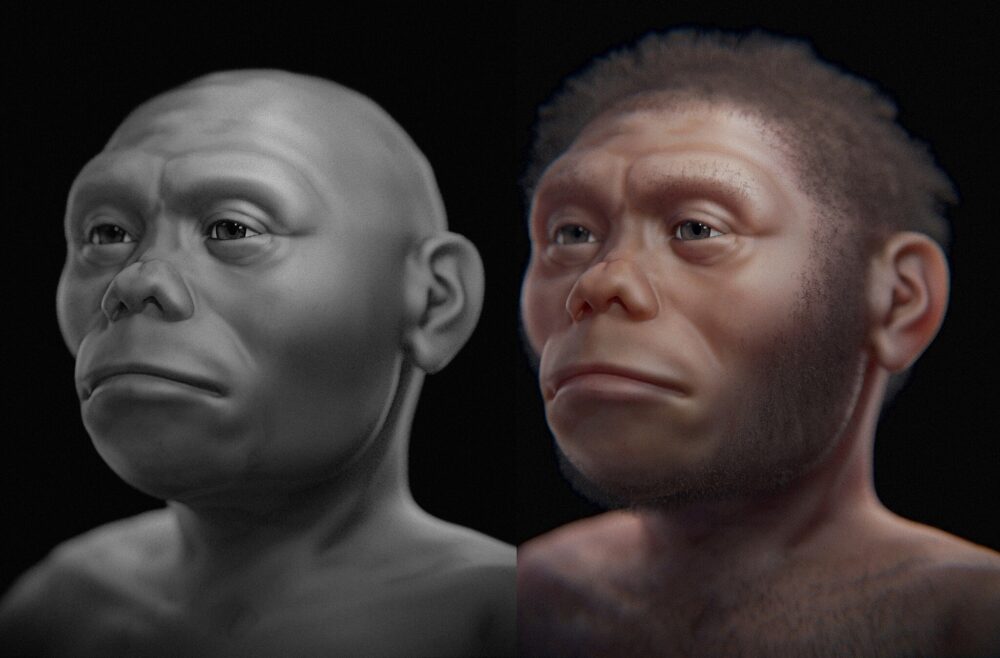
Scientists investigating the disappearance of Indonesia’s so-called “hobbits,” known formally as Homo floresiensis, say they may finally be closer to an answer. A new study examining ancient climate conditions on the island of Flores suggests environmental change played a major role in their fate. By analyzing sediment records, fossil evidence, and shifting water availability, researchers believe worsening droughts may have reshaped the landscape these small-bodied humans depended on. Rather than vanishing suddenly, the hobbits may have been forced to move or gradually died out as their resources disappeared.

Read more

Mystery Viking Burial Found With Scallop Shells Over the Woman’s Mouth — Experts Are Stunned

An unprecedented Viking-Age grave is challenging everything archaeologists thought they knew.

©Image license via Planet Sage/Chat GPT

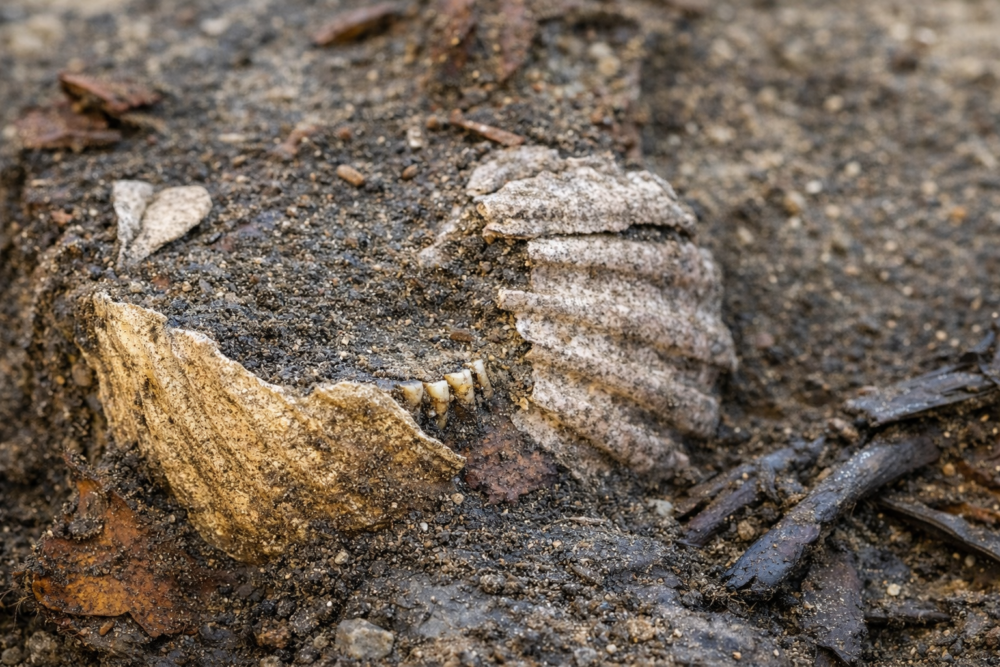
Archaeologists investigating a Viking-Age burial in Norway have uncovered a grave unlike any previously documented. The remains belonged to a woman buried with an unusual and highly symbolic arrangement of objects, including scallop shells placed near her mouth. Experts say the burial does not fit known Norse traditions and may point to beliefs or rituals that were previously unknown. The discovery is forcing researchers to rethink assumptions about Viking funerary practices, cultural influences, and the roles women may have held during the Viking Age.

Read more

Voting Rules Are Changing in Many States: What You Need to Check Before Election Day

Many states have updated voting rules, deadlines, and ID requirements, and voters are double-checking the changes now to avoid surprises.

©Image license via Canva

New voting rules are taking effect across many U.S. states, and some voters may notice meaningful changes the next time they cast a ballot. States have updated everything from voter ID requirements to mail-in ballot deadlines, early voting windows, and the use of ballot drop boxes. Because each state sets its own laws, the impacts vary widely across the country. Some states have expanded access, while others tightened certain procedures. The best way to avoid Election Day surprises is to check what changed in your state well before you vote.

Read more

The Surprising Everyday Foods That Have Been Banned from the White House

From allergies to etiquette rules, these unexpected food bans reveal how presidential preferences have shaped White House dining.

©Image license via Picryl

A surprising number of foods have been banned from the White House at different points in history. Some bans came from personal preferences of presidents and first families, while others were driven by etiquette rules, food safety concerns, or the tone officials wanted to set during important events. These decisions shaped everything from daily meals to high profile state dinners. Looking at which foods were prohibited offers an interesting glimpse into how politics, personality, and practicality have influenced dining inside America’s most famous residence.

Read more

Forget Paul Revere: Meet the 16-Year-Old Girl Who Warned an Army

A forgotten teenage heroine rode twice as far as Revere, risking everything to rally Patriot troops in a single stormy night.

©Image license via Open Clip Art

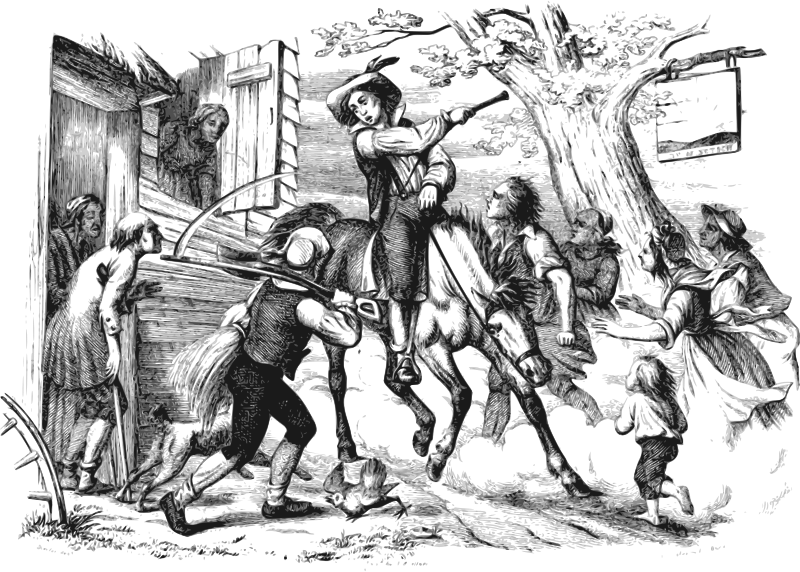
Most Americans know the legend of Paul Revere, but far fewer have heard the remarkable story of Sybil Ludington. At just 16, she rode through darkness, rain, and miles of rough countryside to warn scattered militia forces that British troops were advancing. Her midnight journey covered roughly twice the distance of Revere’s and helped mobilize hundreds of Patriot soldiers. Though her courage was celebrated locally for generations, Sybil’s name faded from national memory—yet her daring ride remains one of the Revolution’s most extraordinary feats.

Read more