These Ancient American Sites Are Forcing a Rethink of Early History

Ancient civilizations in the Americas were far older and more advanced than once believed.
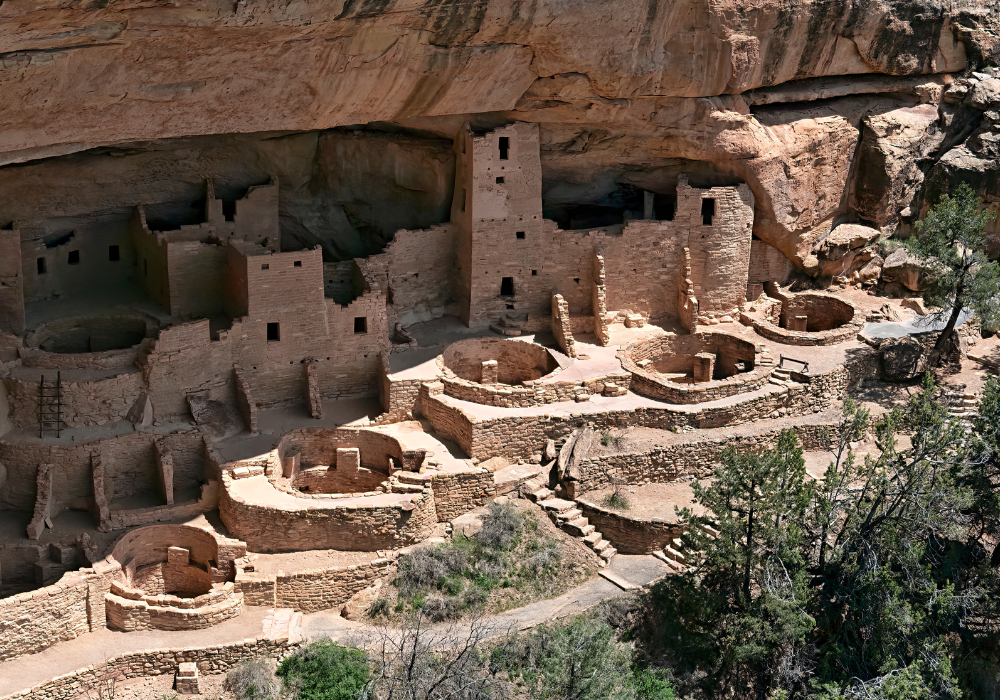
©Image license via Canva

Archaeologists are uncovering evidence that suggests early American civilizations were far older and more advanced than previously believed. Sophisticated tools, construction techniques, and artwork hint at organized societies that flourished long before conventional timelines suggest.

These discoveries are forcing scientists to reconsider long-accepted theories about when humans first arrived in the Americas and how their cultures evolved. Each new find adds to a growing picture of an ancient world far more complex than history books once described.

Read more

The World’s Oldest Restaurant Just Turned 300 and It’s Still Serving Dinner in Madrid

It’s been open since 1725, survived wars and pandemics, and still cooks meals the same way today.

©Image license via Wikimedia Commons

In a narrow street near Madrid’s Plaza Mayor, a restaurant has been quietly doing the same thing for three centuries: serving dinner to anyone who walks through its doors. Founded in 1725, Sobrino de Botín is officially recognized as the world’s oldest continuously operating restaurant.

It has outlasted empires, wars, political upheaval, and modern tourism booms without ever closing its kitchen for good. Its survival isn’t just about age, but about consistency.

The restaurant still cooks traditional dishes using methods that predate electricity, refrigeration, and even the concept of modern dining, offering a rare window into how everyday life once tasted.

Click through to learn what life was like when Sobrino de Botín first opened.

Read more

A 68-Million-Year-Old Egg Found in Antarctica Is Changing How Scientists See Prehistoric Life

The leathery fossil puzzled researchers for years — until its true nature began to emerge.

©Image license via Planet Sage/Chat GPT

In the late 2000s, Chilean researchers working on Seymour Island near Antarctica uncovered something that didn’t resemble any fossil they expected to find. The object was leathery, wrinkled, and oddly deflated, more like a collapsed football than a bone or shell.

Unsure what to make of it, scientists nicknamed the specimen “The Thing.” Measuring roughly 11 by 8 inches, it was large, soft, and puzzling enough that it sat largely unstudied for years.

Only later did detailed analysis reveal that this strange object was a fossilized egg dating back about 68 million years.

Click through to learn how its unusual structure and contents are now reshaping how scientists think about prehistoric reproduction, survival, and life in the final days of the dinosaur era.

Read more

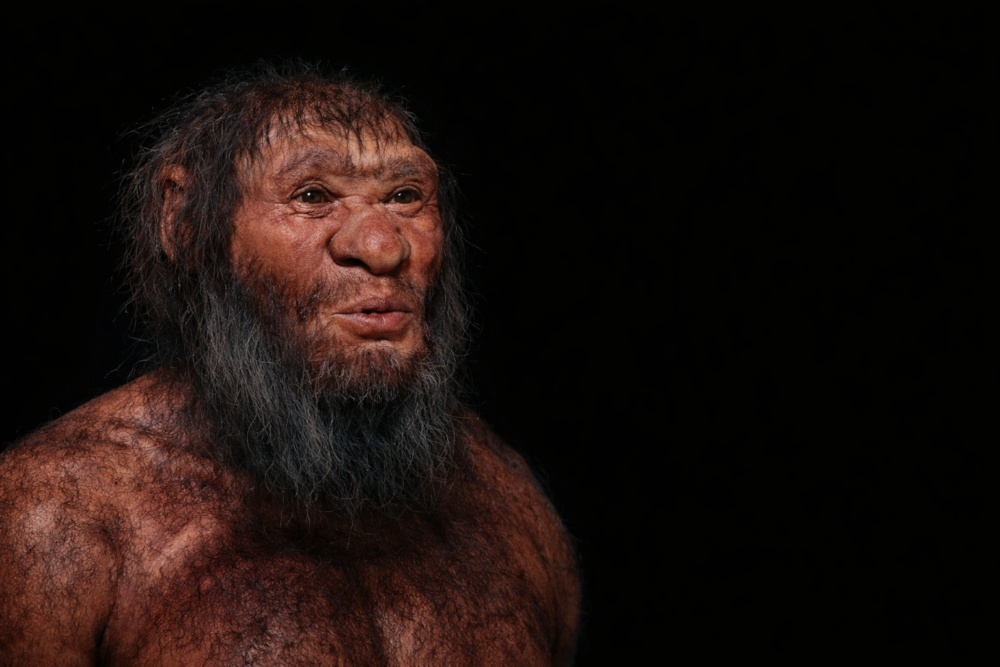
She Was Part Ape and Part Human and Her Bones Are Changing Our Origin Story

Her unusual anatomy suggests our earliest ancestors didn’t evolve in a straight line from ape to human.

©Image license via Planet Sage/Chat GPT

More than four million years ago, a female hominin moved through a world that blended trees and open ground, long before humans looked or behaved the way we do today.

Discovered in Ethiopia and known as Ardi, her skeleton offered scientists a rare chance to study one of the earliest known members of the human family. What they found challenged long-standing assumptions about how human evolution unfolded.

Rather than showing a clean shift from ape to human, Ardi’s anatomy revealed a complex mix of traits, suggesting that early ancestors experimented with multiple ways of moving and surviving before modern humans ever appeared.

Click through to learn more about what made Ardi a unique discovery.

Read more

What a Jury Summons Really Requires and What You Can Legally Decline

From pay and time off to exemptions, these details can affect how you respond.

©Image license via Pix4Free

Opening a jury summons can immediately raise questions most people were never taught to answer. Do you actually have to go? Will missing work cause problems? What happens if the timing makes service impossible?

Jury duty is a cornerstone of the U.S. legal system, but for many people, the process feels confusing and intimidating. Part of that confusion comes from how much jury procedures vary by location. Federal courts, state courts, and county courts all operate under slightly different rules, and what applies in one place may not apply in another.

Understanding how a jury summons works matters because ignoring one can carry consequences, while responding correctly can save time, protect your rights, and reduce stress.

Click through to learn what a jury summons really requires and what flexibility most courts allow.

Read more

Why the ‘Dragon Man’ Discovery Is Reshaping the Human Family Tree

New evidence suggests the skull belongs to a previously mysterious branch of ancient humans.

©Image license via Planet Sage/Chat GPT

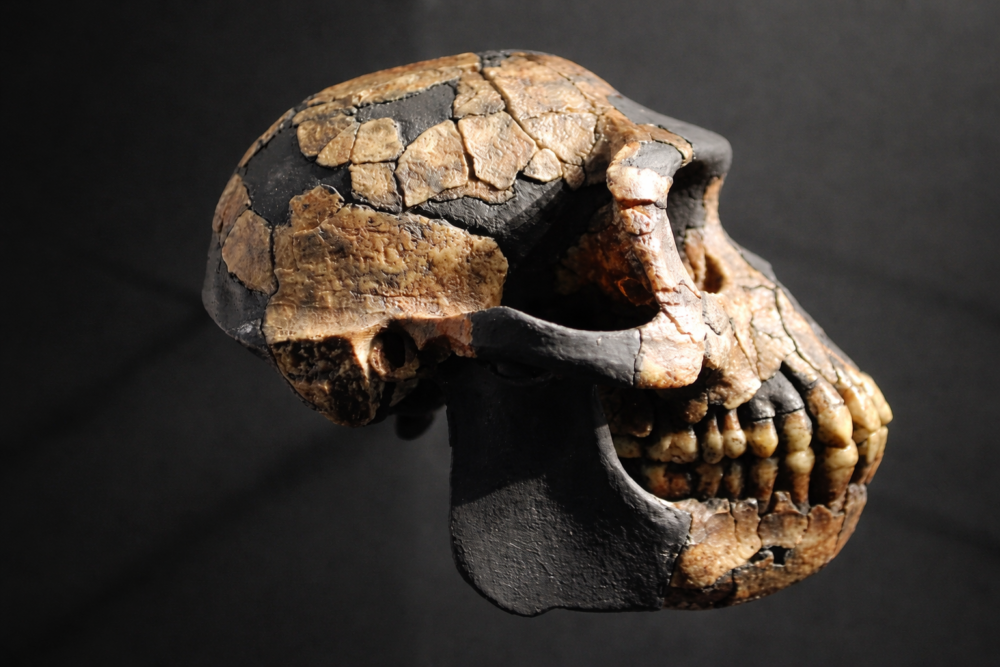
For decades, a nearly complete ancient human skull nicknamed “Dragon Man” sat at the center of a scientific mystery. Discovered in China and kept hidden for years, the fossil didn’t fit neatly into any known category of ancient humans.

Its size, facial structure, and heavy brow ridges set it apart, leading some researchers to suggest it represented an entirely new species. New evidence has now brought clarity. By analyzing ancient genetic material and preserved proteins extracted directly from the skull, scientists were able to compare it with known ancient human lineages.

The results show that Dragon Man belongs to the Denisovans, a shadowy group of ancient humans previously known mostly through DNA. This finding helps reshape the human family tree and fills in one of the biggest gaps in our understanding of human evolution in Asia.

Click through to learn how Dragon Man closes a gap in human evolution.

Read more

Humans Have a Unique Body Feature No Other Animal Has and Its Purpose Is Still a Mystery

It’s a defining human trait with no clear survival advantage and no agreed-upon explanation.

©Image license via Planet Sage/Chat GPT

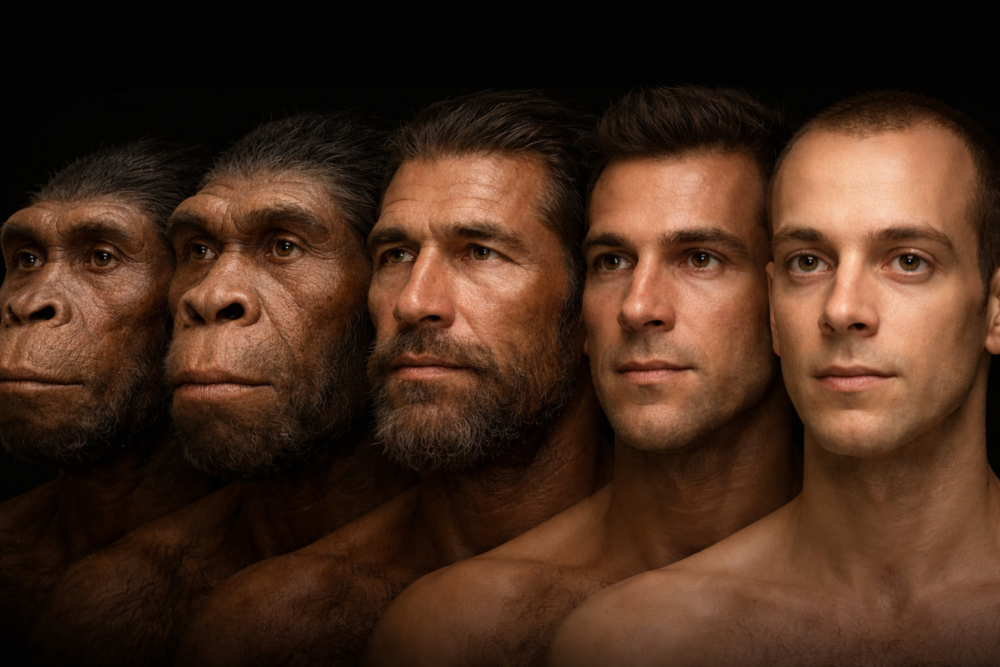
Take a close look at the human body and it feels familiar, even predictable. Two eyes, a nose, a mouth, limbs built for walking and grasping. At first glance, there’s nothing that seems radically different from what we see in other mammals. Yet hidden in plain sight is a feature so distinctive that it appears in no other living species.

Fossils show it arrived relatively late in our evolutionary story, and modern science still can’t agree on why it exists at all. This mystery matters because it quietly challenges how we think evolution works. We often assume every trait must serve a clear purpose, shaped by survival and reproduction. But this feature doesn’t fit neatly into that idea.

As researchers revisit old assumptions using better fossil evidence and modern imaging tools, it has become a reminder that evolution doesn’t always follow a clean or logical script.

Click through to learn the body part that sets humans apart.

Read more

What Looked Like Old Wires on a Norwegian Farm Turned Out to Be Viking Silver Buried for 1,100 Years

A routine dig revealed silver hidden since the Viking Age, preserved exactly where it was buried.

©Image license via World History Encyclopedia

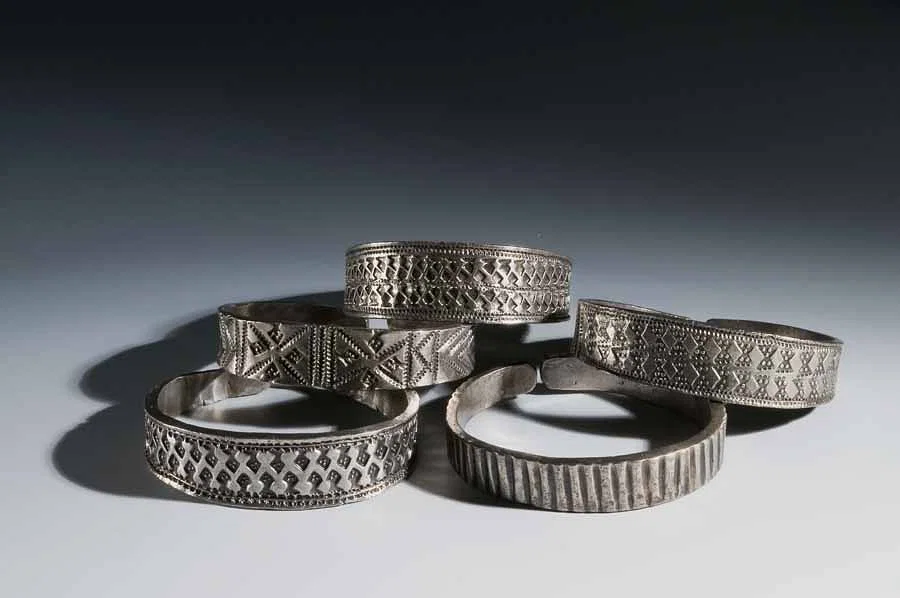
At first, the discovery didn’t look like anything unusual to the team from the University of Stavanger’s Archaeological Museum. During a routine survey ahead of farm construction in western Norway, archaeologists noticed thin, twisted lines in the soil that resembled ordinary metal debris.

Fields that have been worked for generations often contain scraps of wire or discarded material from different eras, and most of the time those finds are quickly ruled out as modern. But this time, the archaeologists took a closer look. That pause revealed something far more meaningful: a carefully hidden cache of Viking silver, buried more than a thousand years ago and never recovered.

What began as a standard field survey turned into a rare glimpse of everyday life in the Viking Age, showing how people protected their wealth, responded to uncertainty, and made decisions they believed were temporary.

Click through to see how an ordinary human moment preserved underground until now.

Read more

How People Really Celebrated Christmas in the Middle Ages

From church rituals to rowdy feasts, medieval Christmas looked very different than today.

©Image license via World History Encyclopedia

Christmas in the Middle Ages looked very different from the modern holiday most people recognize today. It was not centered on gift exchanges, decorated trees, or a single day of celebration. Instead, Christmas was part of a long religious season shaped by church teachings, local traditions, and the realities of medieval life, where survival through winter was never guaranteed.

For most people, Christmas blended solemn religious observance with moments of release, excess, and community bonding. How it was celebrated depended on geography, social class, and the century in question.

What survives in historical records shows a holiday that mixed faith, food, hierarchy, and occasional chaos, offering a rare break from the strict routines of medieval society.

Click through to step back in time to a Medieval Christmas celebration.

Read more

How a Squirrel Named Tommy Tucker Became a Wartime Celebrity

The surprising true story of a dressed-up squirrel who helped boost morale during WWII.

©Image license via Picryl

During World War II, Americans on the home front found comfort and motivation in all kinds of unexpected places. One of the most unusual was a gray squirrel named Tommy Tucker. Far from being just a novelty pet, Tommy became a national symbol of wartime morale, appearing in newspapers, posing for photos, and even helping promote war bond drives.

Dressed in custom-made outfits and accompanied by his owner, Tommy toured public events and captured the public’s imagination at a time when optimism was in short supply. His story reflects how deeply Americans leaned into shared symbols, humor, and warmth to cope with the pressures of war.

What began as a simple relationship between a man and a rescued squirrel turned into one of the strangest and most heartwarming chapters of the WWII home front.

Click through and learn more about Tommy Tucker’s antics.

Read more