Why Many Native Americans Say They Still Aren’t Seen as “Real” Americans

Indigenous voices share how stereotypes and history still shape everyday life in the U.S.
©Image license via Flickr/Howard County Library System

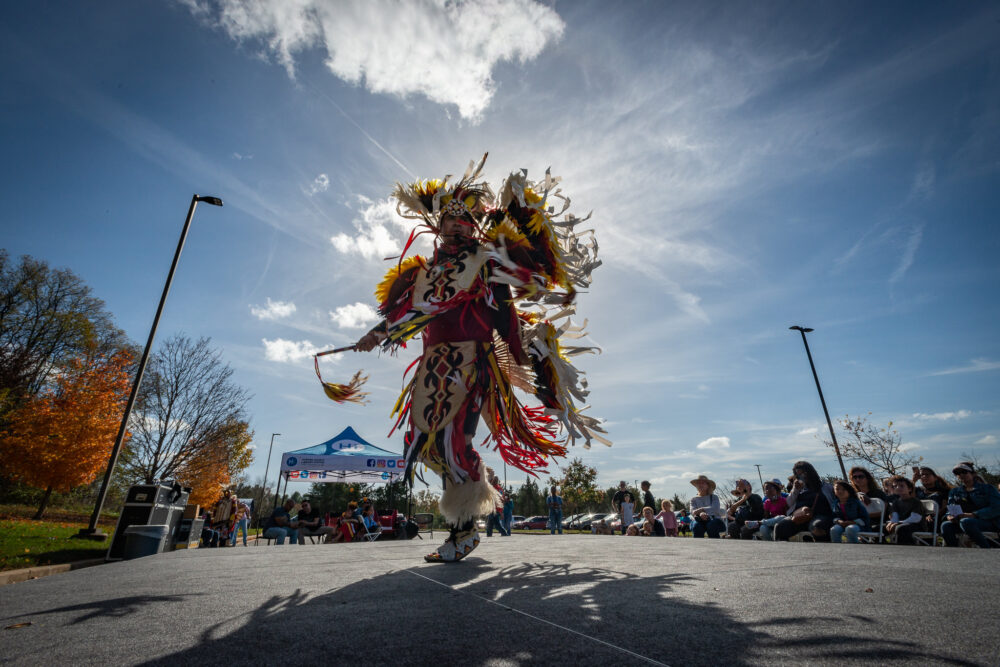
For many Native Americans, being questioned about whether they are “really” American is a familiar and frustrating experience.

Despite being the first inhabitants of this land, Indigenous people often find themselves treated as outsiders in their own country. From schools and media to everyday conversations, misconceptions about Native identity persist.

These experiences are not just about words or attitudes but reflect deeper historical and cultural misunderstandings that continue to affect how Native communities are seen and how they see themselves today.

Read more

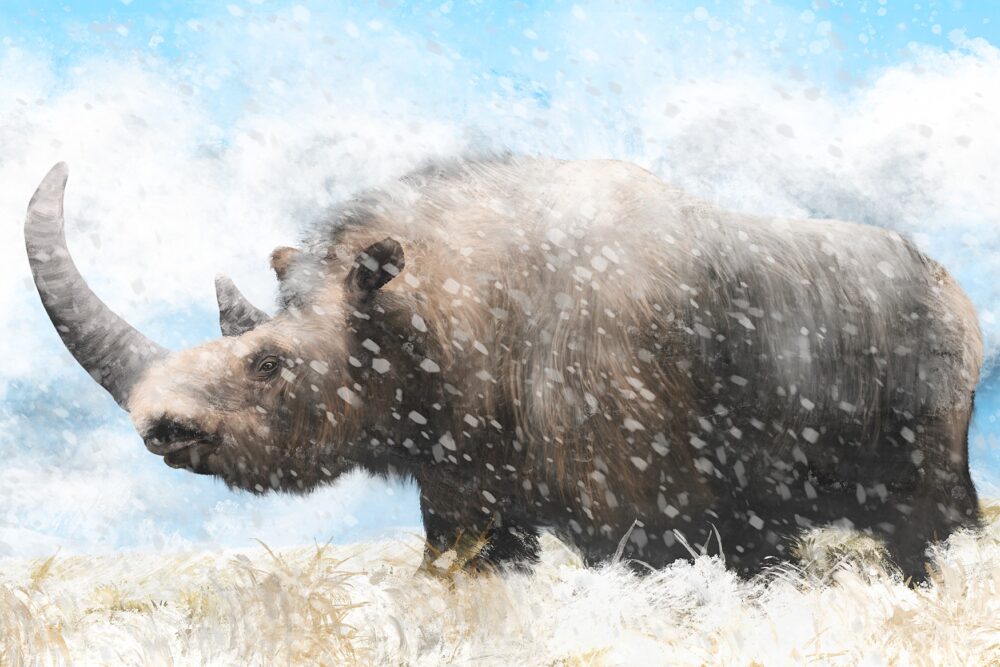
Scientists Reconstruct Entire Woolly Rhino Genome From Inside Ancient Wolf Pup’s Stomach

The unexpected Ice Age find is helping scientists unlock secrets about one of prehistory’s most mysterious giants.

©Image license via Wikimedia Commons/Mr Langlois10

In a first for ancient DNA research, scientists have successfully recovered and sequenced the entire genome of a woolly rhinoceros previously thought lost to extinction, by analyzing tissue found inside the stomach of a 14,400-year-old wolf pup preserved in Siberian permafrost.

Researchers conducted the work using undigested meat from the pup’s final meal to reconstruct the rhino’s genetic blueprint.

This breakthrough not only shows that high-quality DNA can be recovered from unexpected places, it also offers new clues about how these Ice Age giants disappeared from the fossil record.

Read more

These Are the 10 Greatest Guitarists According to Music History

How innovation, influence, and lasting impact defined guitar greatness.

©Image license via Wikimedia Commons

Ask ten music fans to name the greatest guitarist of all time and you’ll likely get ten different answers. That debate has been raging for decades—and it’s part of what makes guitar culture so endlessly fascinating.

This list isn’t about record sales or who plays the fastest solo. It’s about influence, originality, and the players whose ideas quietly reshaped how music is written, recorded, and played—often without listeners realizing it.

Some names will feel obvious, others might spark debate. But every guitarist here left a lasting mark that still echoes through modern music, whether through a signature riff, a groundbreaking sound, or a new way of thinking about the instrument.

Read more

‘Mammoth’ Bones Sat in a Museum for 70 Years — But Turned Out to Be Something Else Entirely

A decades-old museum mystery is finally solved by modern analysis.

©Image license via Canva

For 70 years, two fossil “mammoth” bones sat quietly in an Alaska museum, tagged from a 1951 expedition near Fairbanks and treated as a rare clue to the last woolly mammoths in North America.

Then scientists took a closer look, and the story flipped. Isotope chemistry hinted at a marine diet, not a land grazer, so researchers dug into the records and ran ancient DNA testing.

The result was stranger than anyone expected: the fossils belonged to two different whales. Now the headline isn’t “young mammoth” at all, but a new mystery about how whale bones ended up deep in Alaska’s interior, miles from the coast.

Read more

Archaeologists Find An Ancient Stone Wall Underwater That’s Rewriting History

The submerged structure off France’s coast is forcing scientists to rethink early human activity.

©Image license via Planet Sage/Chat GPT

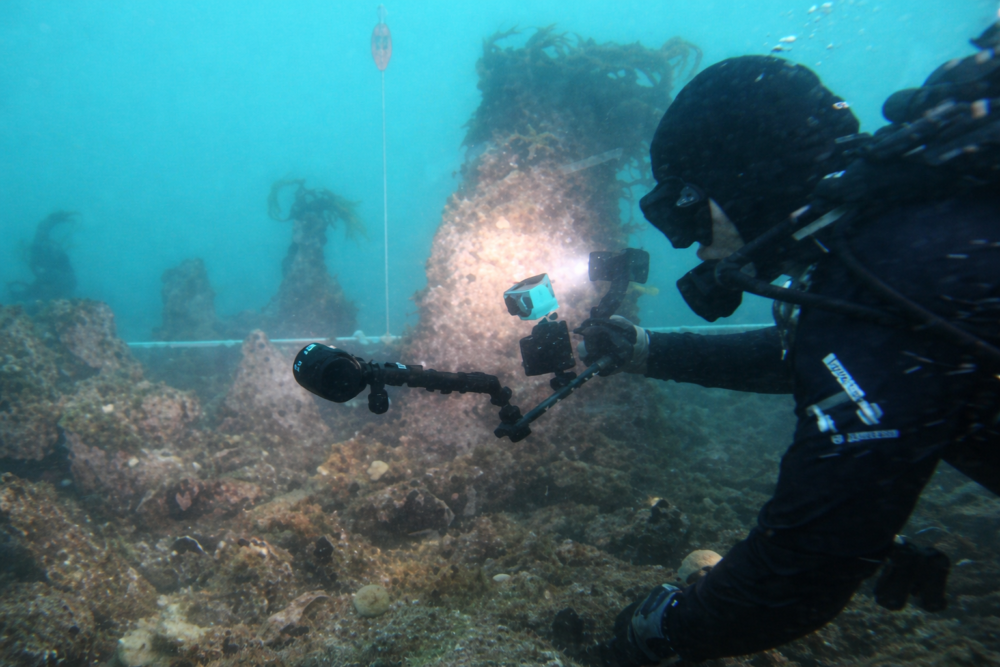
Off the Finistère coast of Brittany, divers surveying a submerged plateau near the Bay of Audierne ran into something that feels wrong in the best way: a straight, human-made stone wall hiding under the waves for thousands of years.

It lies roughly 9 meters down today, but it was assembled when sea levels were far lower and the shoreline sat much farther out, turning this spot into walkable ground.

Dating work places it around 5800–5300 BCE, older than many famous megaliths on land, and its scale has researchers arguing over whether it was protection, a trap, or something we have not named yet.

Read more

These Are The Things People Get Wrong About Canada All the Time

From weather to culture, these assumptions don’t hold up once you look closer.

©Image license via Canva

People online love turning Canada into a single vibe instead of an actual place. A few jokes about snow, politeness, and maple syrup get repeated until they start sounding like facts. But Canada isn’t one mood or lifestyle.

It’s a mix of cities, regions, languages, and cultures that don’t match the meme version. Some stereotypes are harmless, but others erase real differences, especially between provinces and big cities.

Once you look closer, a lot of the “common knowledge” falls apart, and the real country looks more interesting, more complicated, and sometimes more surprising than the stereotype.

Read more

A Hidden Chamber Sealed for 40,000 Years Just Revealed New Neanderthal Clues

What archaeologists found inside offers rare insight into the final days of Neanderthals.

©Image license via Flickr/Visit Gibraltar – Visitgibraltar.gi

Archaeologists have opened a cave chamber that had been sealed for around 40,000 years, revealing a space untouched since Neanderthals lived along Europe’s southern coast. The chamber lies within Vanguard Cave, part of the well-known Gorham’s Cave Complex on the edge of what is now the Mediterranean.

When Neanderthals used this site, the landscape looked very different. Sea levels were lower, the coastline extended farther out, and the caves formed part of a rich coastal environment that supported long-term human occupation.

The newly opened chamber offers something rare in archaeology: a nearly pristine snapshot of daily life near the end of the Neanderthals’ existence, preserved beneath layers of sand and sediment.

Read more

Major Countries Russia Has Invaded From the Soviet Era to Today

A clear timeline of where Russian forces crossed borders and how those conflicts unfolded.

©Image license via Wikimedia Commons

Russia’s use of military force beyond its borders did not begin with the modern Russian Federation. It stretches back to the Soviet era, shaped by shifting security doctrines, ideological control, and repeated efforts to manage neighboring states through force rather than diplomacy.

Some invasions were framed as defensive necessities, others as stabilizing actions or protection of allies. In reality, each involved troops crossing internationally recognized borders and imposing political outcomes through military power.

These events span decades and left lasting consequences for borders, governments, and civilian populations across multiple regions.

Read more

Scientists Say a 3-Million-Year-Old Skull Does Not Fit Any Known Human Ancestor

The fossil’s strange mix of features is forcing researchers to rethink early human evolution.

©Image license via Planet Sage/Chat GPT

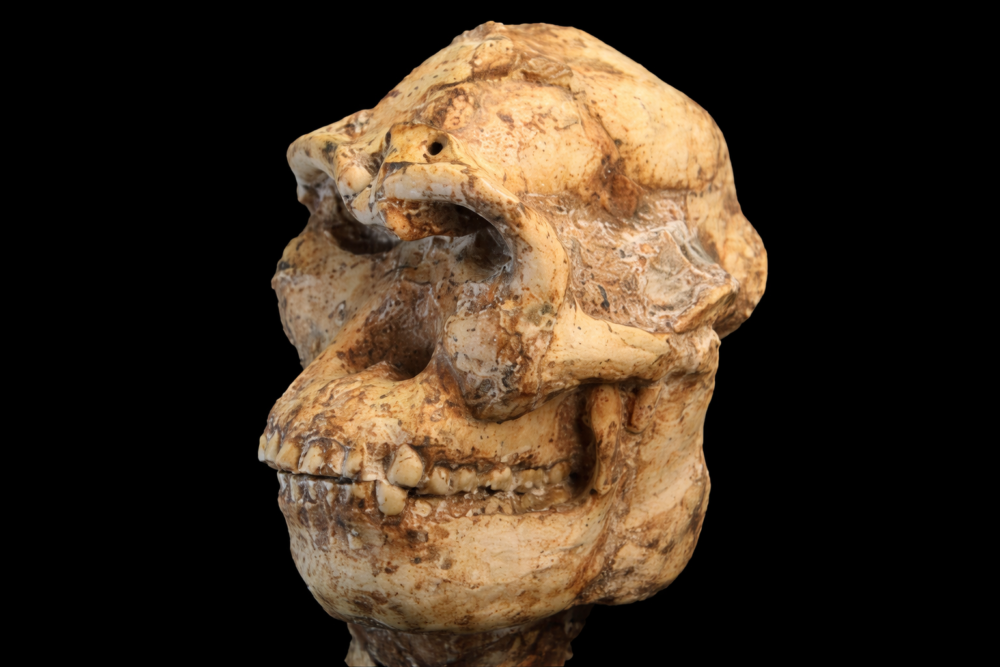
So you just saw a headline about a 3 million year old skull that does not fit the family tree, and now you are wondering what Australopithecus prometheus even is. Same. This name sits right in the middle of a long, very nerdy argument about who counts as a separate species.

A. prometheus was proposed from South African fossils found at Makapansgat, with a type specimen called MLD 1. Some researchers keep it as its own species, while others say it is basically Australopithecus africanus with a different label.

Either way, the debate matters because it changes how many human relatives lived at once, and how messy our origins really were.

Read more

AI Is Finally Unlocking 2,000-Year-Old Scrolls Once Thought Lost Forever

Advanced AI is revealing hidden text without unrolling or damaging the fragile scrolls.

©Image license via Planet Sage/Chat GPT

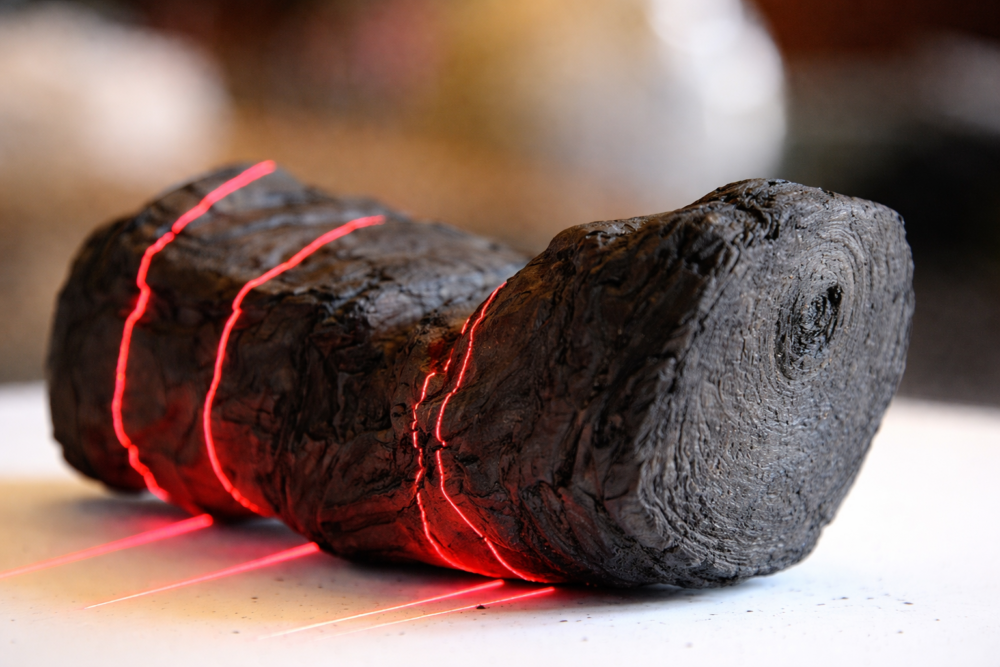
You have probably seen the headline: AI is reading scrolls that were turned into charcoal by Vesuvius. It sounds fake, but it is real, and it is happening piece by piece, not all at once.

These are the Herculaneum scrolls, buried in AD 79 and later found in a luxury villa packed with ancient books. For centuries, opening them meant destroying them, so the words stayed locked inside.

Now researchers can scan the scrolls in 3D and “unwrap” them on a computer, then use AI to spot ink that human eyes miss. The results are still partial, but the first readable lines prove a simple point: history can return without anyone touching the papyrus.

Read more