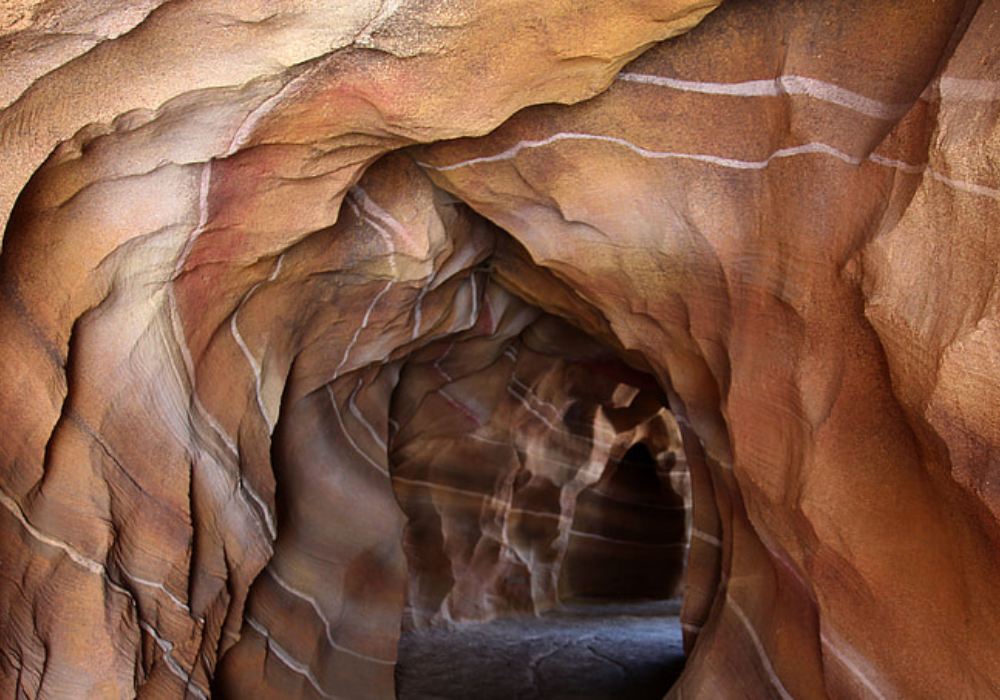
Deep Beneath Russia, Scientists Found a Structure So Precise They Can’t Explain How It Was Built

A newly reexamined underground shaft has left experts stunned — and questioning what ancient builders knew.
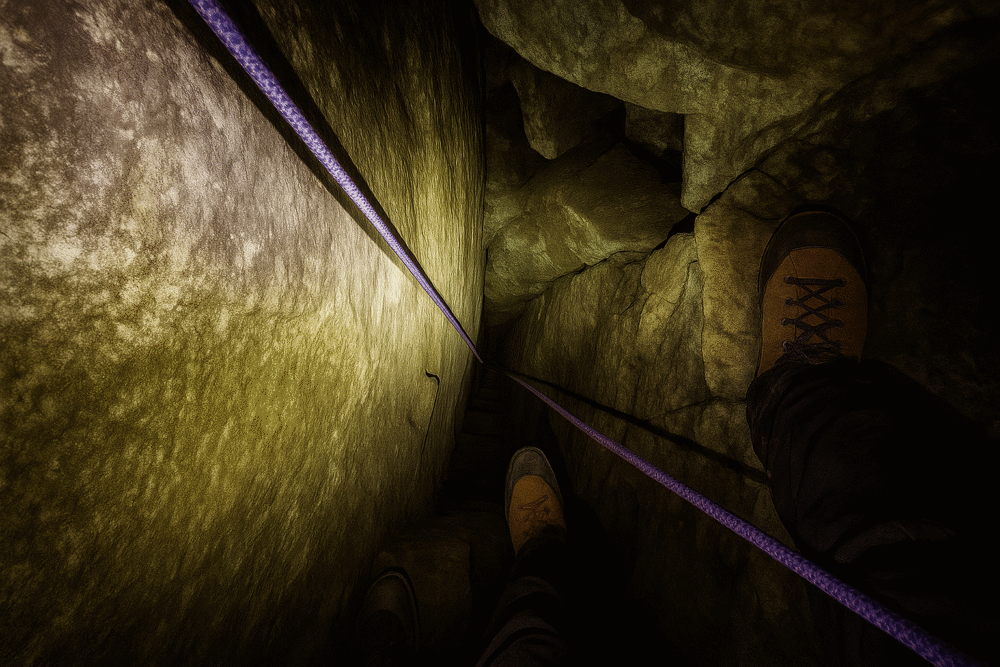
©Image license via Chat GPT

Hidden beneath the remote mountains of southern Russia lies the Khara-Hora Shaft — a perfectly cut vertical tunnel that seems to defy everything we know about ancient engineering. Carved deep into solid rock with geometric precision, the structure has no clear purpose, no tool marks, and no known origin. Archaeologists who’ve studied it say its construction would challenge even modern equipment. Some believe it may have been part of a forgotten civilization’s technology; others think it’s a natural anomaly. But so far, no one can explain who built it — or how.
Read more

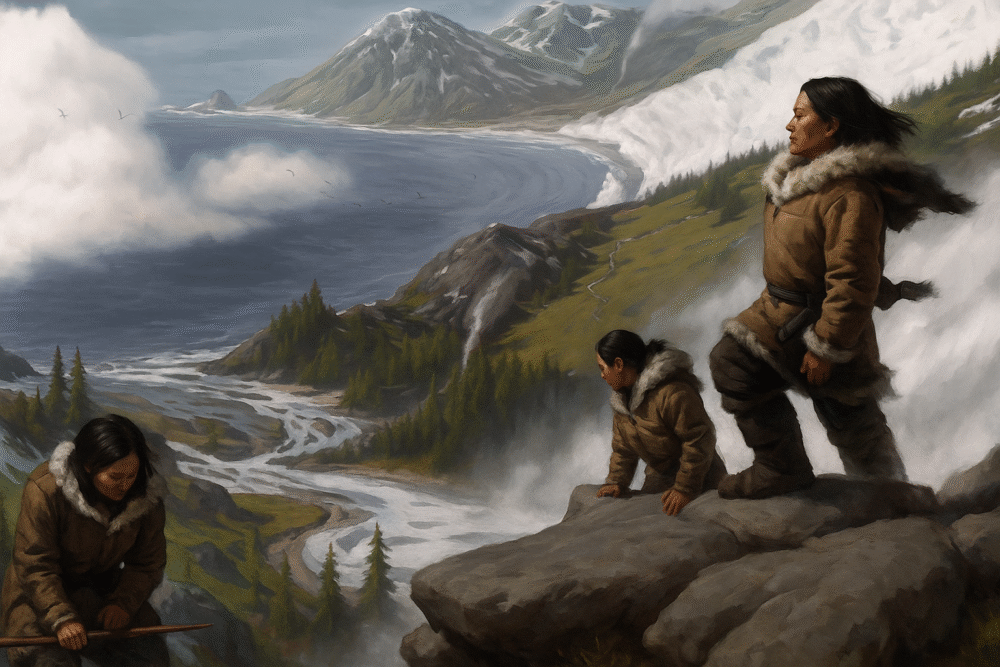
We Thought We Knew Where Native Americans Came From — New Study Says We’re Wrong

Groundbreaking DNA and archaeological evidence may rewrite the earliest chapter of the Americas’ human story.

©Image license via Chat GPT

For more than a century, scientists believed Native Americans descended from ancient Siberian populations who crossed a land bridge into Alaska around 15,000 years ago. But a new study published in the journal PaleoAmerica is shaking that foundation. By comparing ancient DNA with new archaeological finds, researchers now suggest that the first peoples of the Americas may have come from multiple migrations — and possibly different regions entirely. The discovery challenges one of anthropology’s most accepted origin stories and raises profound new questions about who the first Americans really were.

Read more

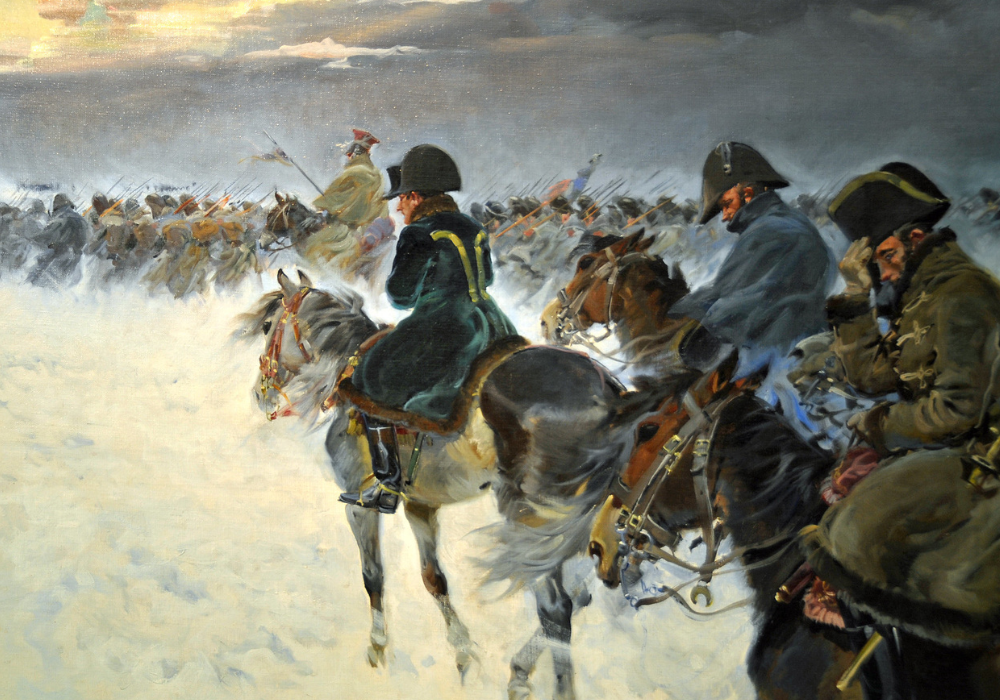
What Scientists Found in the Bones of Napoleon’s Soldiers Is Changing History

New research suggests the French emperor’s greatest defeat may have been caused by a microscopic enemy.

©Image license via Flickr

For more than two centuries, historians have blamed brutal winter cold for destroying Napoleon’s once-mighty army as it retreated from Russia in 1812. But new scientific evidence points to a hidden culprit. Researchers analyzing the remains of French soldiers found traces of ancient bacteria in their bones—microbes capable of causing deadly trench fever and typhus. These infections may have spread rapidly through exhausted, freezing troops, turning retreat into catastrophe. The discovery offers a chilling reminder that even history’s most powerful armies can fall to enemies far smaller than themselves.

Read more

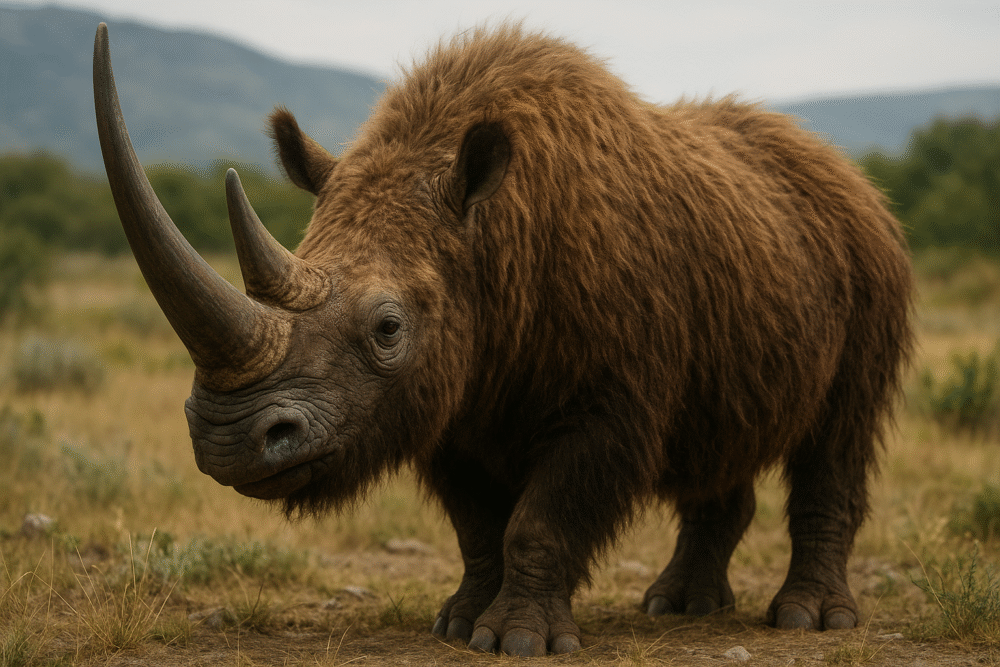
Researchers Unearth the Longest Woolly Rhino Horn — And It’s Changing Everything

A newly analyzed Ice Age horn is revealing surprising secrets about one of Earth’s most mysterious giants.

©Image license via Chat GPT

Deep in the Siberian permafrost, scientists have uncovered the longest woolly rhino horn ever found — a record-breaking relic from a vanished Ice Age world. Measuring nearly five feet in length, the massive horn offers rare clues about how these prehistoric giants lived, fought, and survived in frigid climates. Microscopic patterns preserved in its layers reveal details about the animal’s age, diet, and even the seasonal rhythms of its life. The discovery is rewriting what experts thought they knew about these extinct cousins of today’s rhinos — and how they adapted to the planet’s last great freeze.

Read more

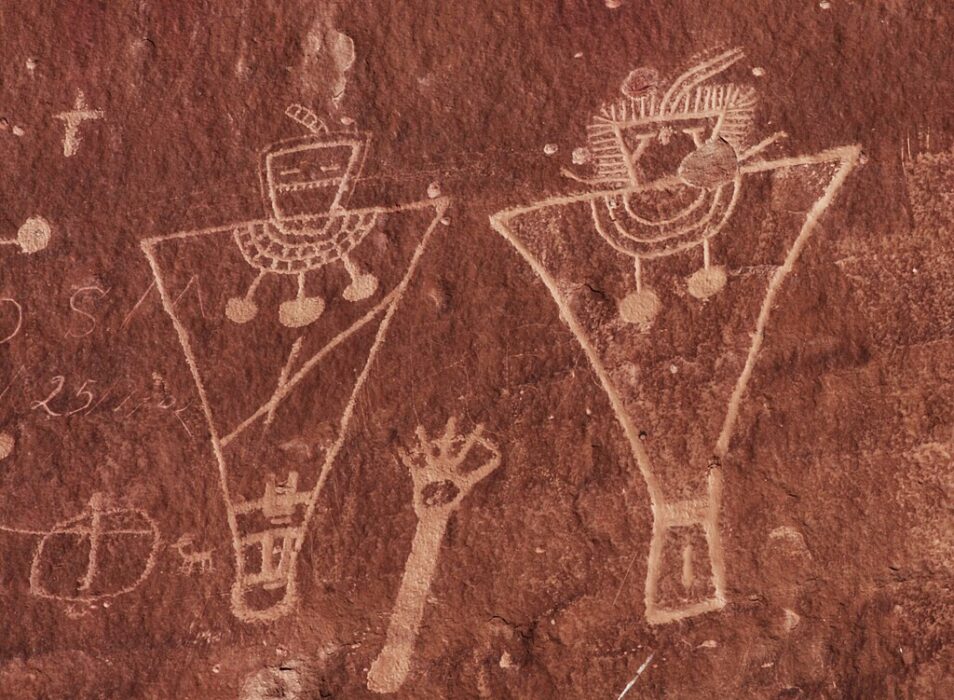
The Ancient American Pit-Dwelling Culture Archaeologists Still Can’t Fully Explain

Archaeologists are still trying to understand how a thriving desert culture emerged — and why it vanished.

©Image license via Wikimedia Commons

Long before European settlers reached the American West, a mysterious people thrived across Utah’s deserts and canyonlands. Known today as the Fremont culture, they built semi-underground pit houses, left behind haunting rock art, and lived between two worlds — hunting wild game while cultivating crops like corn and beans. Yet by around A.D. 1300, they were gone, their villages abandoned and their way of life erased. Archaeologists have unearthed thousands of clues but no definitive answers. Who were the Fremont, and what caused one of North America’s strangest prehistoric disappearances?

Read more

Did a Grand Canyon Ranger Uncover Something the Smithsonian Has Denied for Decades?

A new discovery in the Grand Canyon has revived one of America’s oldest and most puzzling historical mysteries.

©Image license via PickPik

A Grand Canyon park ranger claims to have uncovered evidence linked to a century-old Smithsonian controversy that has long fascinated historians and conspiracy theorists alike. The find allegedly connects to reports from the early 1900s describing hidden chambers filled with ancient artifacts — discoveries the Smithsonian has repeatedly denied. Now, new details are reigniting debate over whether the story was myth, misunderstanding, or something the museum never wanted the public to know.

Read more

The Strange Case of the Tiny T. rex Fossils May Finally Be Solved

New research suggests fossils once thought to be a new species may actually belong to young T. rexes.

©Image license via Canva

Paleontologists believe they’ve finally solved a decades-old mystery surrounding fossils once thought to represent a separate species of miniature Tyrannosaurus. New analysis of bone growth and density indicates that the so-called Nanotyrannus lancensis fossils likely came from juvenile Tyrannosaurus rex rather than a distinct species. The study, conducted by scientists at the University of Wisconsin–Madison and Oklahoma State University, used advanced imaging techniques to examine microscopic bone structures, revealing growth patterns consistent with adolescent T. rexes still maturing.

Read more

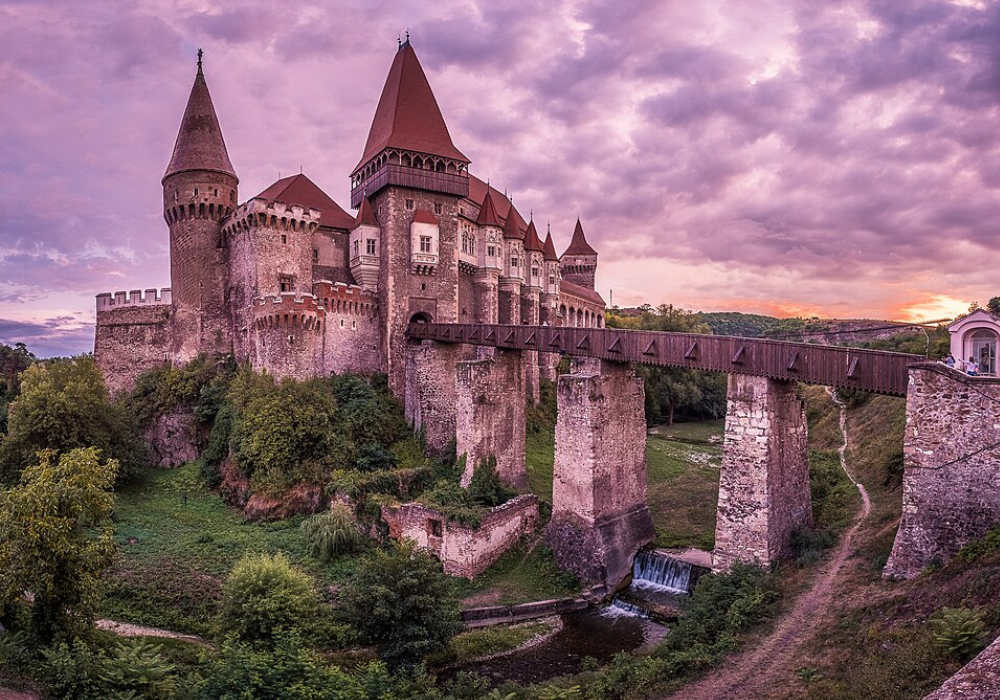
History’s Most Cursed Castles—and the Terrifying Stories That Surround Them

From haunted battlements to cursed bloodlines, these castles hold the darkest secrets of the past.

©Image license via Wikimedia Commons

Across Europe and beyond, towering fortresses once built for protection have become symbols of dread. Centuries of betrayal, torture, and tragedy have left their mark on these ancient walls—along with eerie legends that refuse to fade. From castles said to be cursed by vengeful nobles to those haunted by the restless dead, each holds a story steeped in superstition and history. These are the world’s most cursed castles—and the terrifying tales that still echo through their halls.

Read more

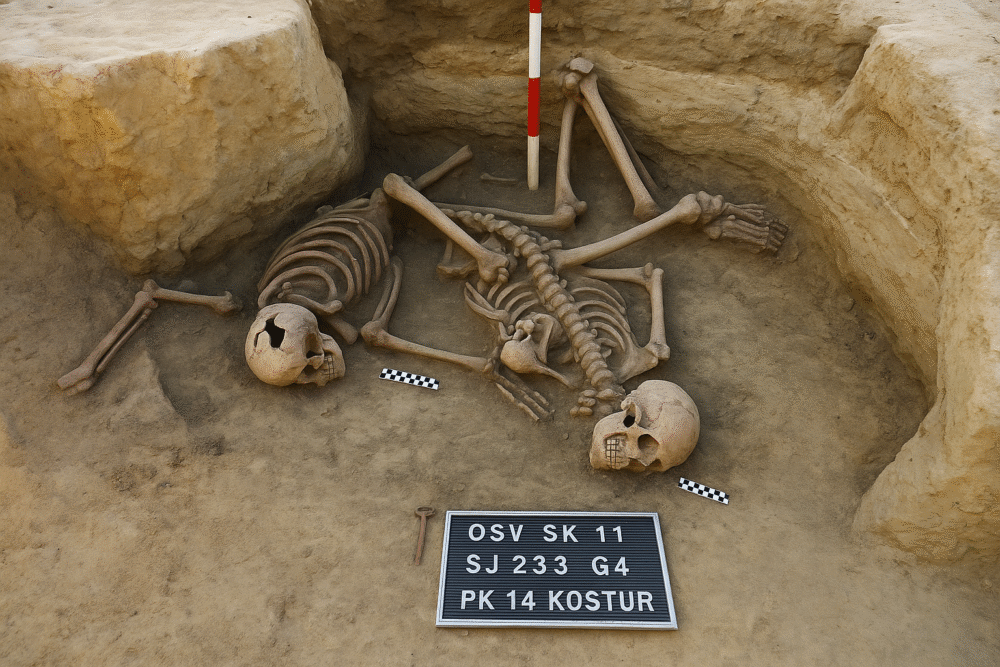
Skeletons at the Bottom of a Croatian Well May Belong to Rome’s Lost Soldiers

Archaeologists uncovered human remains in an ancient Croatian well that may mark a forgotten Roman battle.

©Image license via Chat GPT

Archaeologists in Croatia have discovered a well filled with human skeletons that may belong to Roman soldiers killed during a long-lost battle nearly 2,000 years ago. The remains, found near the village of Vinkovci, include men who appear to have died violently, likely during a sudden conflict or ambush. Researchers believe the site dates to the turbulent third century CE, when the Roman Empire was struggling to maintain control of its provinces amid internal wars and invasions.

Read more

Scientists Revisit a Disturbing Theory: Did Toxic Lead Contribute to the Serial Killer Era?

New research revisits how toxic lead exposure may have been a hidden factor in America’s serial-killer era.

©Image license via Wikimedia Commons / State Archives of Florida, Florida Memory, Public Domain

In her new book Murderland: Crime and Bloodlust in the Time of Serial Killers, author Caroline Fraser examines how exposure to the neurotoxin lead might have played a role in the rise of American serial killers in the 1970s. She links high levels of lead from smelters, petrol, and other industrial sources in places like the Pacific Northwest to later waves of violence and murder. While the connection remains theoretical, Fraser argues that the environmental history of lead offers a compelling framework for understanding the peak of violent crime.

Read more