New Evidence From Göbekli Tepe Is Changing How Archaeologists View Early Civilization

New dating, carvings, and site analysis suggested organized societies may have emerged far earlier than once believed.

©Image license via Pexels

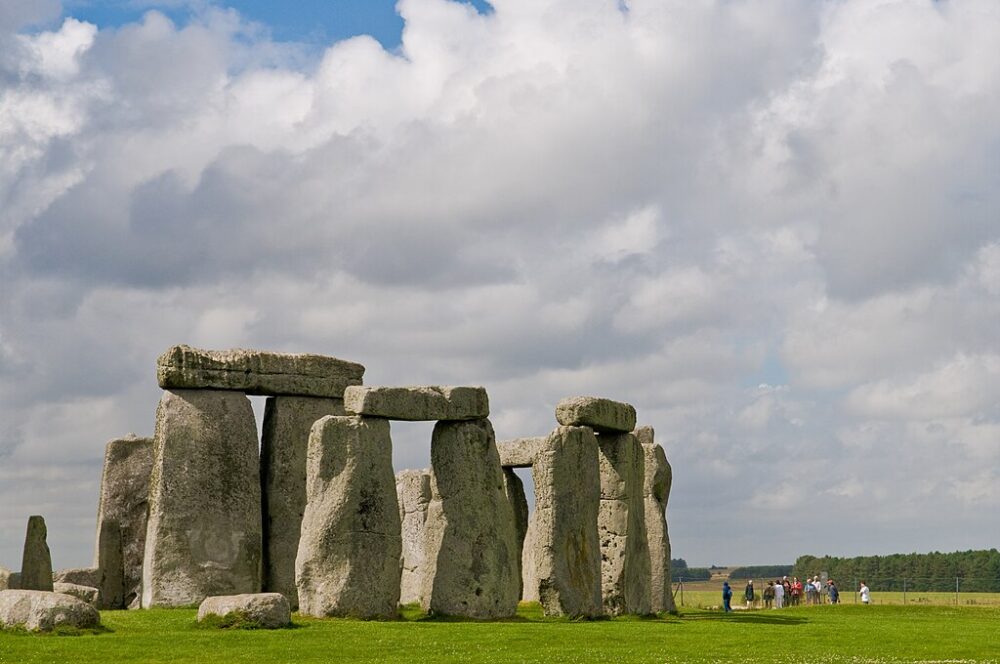
For decades, archaeologists believed large monuments were built only after humans settled into farming communities. Göbekli Tepe disrupted that assumption almost from the moment it was excavated.

Located in southeastern Turkey, the site predates Stonehenge by thousands of years and was constructed by people long thought to be simple hunter-gatherers.

As new evidence emerged from ongoing research, archaeologists were forced to reconsider when complex social organization, ritual behavior, and large-scale construction truly began in human history.

Read more

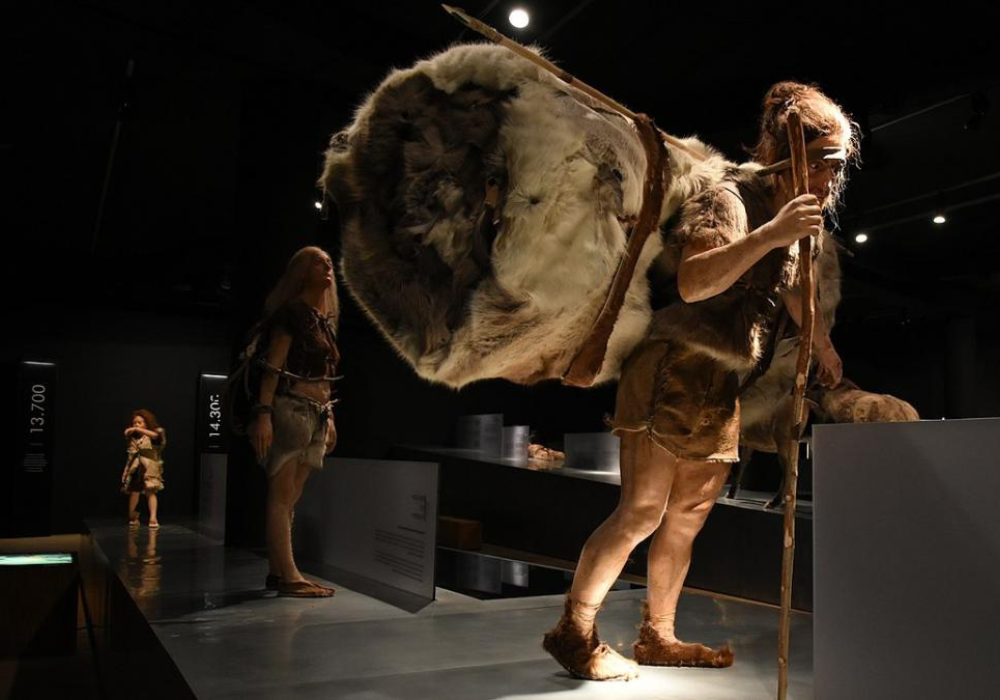
Did a Reexamined Ancient Skull Force Scientists to Rethink Human Evolution?

New analysis of a controversial fossil raised fresh questions about how complex early human evolution really was.

©Image license via Planet Sage/Chat GPT

Human evolution is often taught as a neat, branching tree, but new discoveries continue to complicate that picture. In recent years, scientists have revisited ancient skulls and skeletal remains that don’t fit comfortably into established timelines or categories.

One reexamined fossil in particular sparked renewed debate among paleoanthropologists, raising questions about how many human relatives once lived alongside each other—and how they behaved.

Rather than offering a simple rewrite of history, the evidence suggests human evolution may have been far more tangled, overlapping, and surprising than once believed.

Read more

Unexplained Underground Anomalies Beneath Egypt’s Pyramids Are Fueling New Debate

Radar data has revealed puzzling signals below the Giza complex, but experts disagree on what they mean.

©Image license via Canva

For more than a century, Egypt’s pyramids have been studied, measured, and scanned in extraordinary detail. Yet new radar data and subsurface imaging are once again raising questions about what may lie beneath the Giza plateau.

Some researchers point to unusual underground signals that could indicate unknown features below the pyramids, while others urge caution, saying the evidence is being overstated.

The result is a growing debate that blends cutting-edge technology, ancient architecture, and long-standing scientific disagreement.

Read more

Homo erectus Was the First Human Lineage to Leave Africa — Here’s What We Know

Fossils reveal how this early human species spread across Asia long before modern humans appeared.

©Image license via Wikimedia Commons

Long before Homo sapiens spread across the globe, another human species made history by leaving Africa first. That species was Homo erectus, an early human relative that appeared nearly two million years ago and survived for more than a million years.

Fossil evidence shows Homo erectus traveled vast distances, adapting to new climates, landscapes, and challenges along the way. By studying bones, tools, and ancient sites, scientists have pieced together how this species became humanity’s first great migrant.

Read more

10 Forgotten ’90s Tech Toys Now Used as Side Hustles

These vintage gadgets from the 1990s are earning a second life as creative side hustles

©Image license via Planet Sage/Chat GPT

Old tech toys from the 1990s aren’t just relics of childhood—they’re proving surprisingly useful for side hustles today. From clunky handheld games to once-popular music players, these gadgets are finding new value among collectors, creators, and resellers. Whether you’re flipping them online, using them for projects, or tapping their visual charm, a little nostalgia can go a long way toward boosting your income with retro flair.

Read more

The Story of the Garbage Picker Who Saved Dozens of Abandoned Babies

Why cries in the trash led one woman to quietly change dozens of lives forever.

©Image license via Planet Sage/Chat GPT

Every city has stories hiding in places most people never look. This one begins among garbage piles, long before anyone knew a quiet woman was carrying something far heavier than trash. It’s the kind of story that rarely makes headlines.

Day after day, she followed the same route, noticing things others ignored. Small details, strange sounds, moments that felt wrong—but easy to walk past if you wanted to. Most people never stopped long enough to notice.

What happened next wasn’t a single dramatic act, but a series of choices made in silence. This story reveals how ordinary routines can lead to extraordinary consequences.

Read more

Most Americans Trace Their Roots Back to These 12 Countries

Census data shows where family origins in the U.S. most often lead.

©Image license via Canva

Ask a room full of Americans where their people are from and you’ll get everything from “I’m mostly Irish” to “My grandma swears we’re part Cherokee” to “Honestly, I have no idea.” The U.S. has always been a mashup, and that’s not just a feel-good phrase. It’s literally reflected in surnames, food traditions, and the way certain cities feel like mini versions of other countries.

Most Americans trace roots back to a surprisingly consistent set of countries, even if the details vary wildly by region.

Read more

Why Many Native Americans Say They Still Aren’t Seen as “Real” Americans

Indigenous voices share how stereotypes and history still shape everyday life in the U.S.

©Image license via Flickr/Howard County Library System

For many Native Americans, being questioned about whether they are “really” American is a familiar and frustrating experience.

Despite being the first inhabitants of this land, Indigenous people often find themselves treated as outsiders in their own country. From schools and media to everyday conversations, misconceptions about Native identity persist.

These experiences are not just about words or attitudes but reflect deeper historical and cultural misunderstandings that continue to affect how Native communities are seen and how they see themselves today.

Read more

Scientists Reconstruct Entire Woolly Rhino Genome From Inside Ancient Wolf Pup’s Stomach

The unexpected Ice Age find is helping scientists unlock secrets about one of prehistory’s most mysterious giants.

©Image license via Wikimedia Commons/Mr Langlois10

In a first for ancient DNA research, scientists have successfully recovered and sequenced the entire genome of a woolly rhinoceros previously thought lost to extinction, by analyzing tissue found inside the stomach of a 14,400-year-old wolf pup preserved in Siberian permafrost.

Researchers conducted the work using undigested meat from the pup’s final meal to reconstruct the rhino’s genetic blueprint.

This breakthrough not only shows that high-quality DNA can be recovered from unexpected places, it also offers new clues about how these Ice Age giants disappeared from the fossil record.

Read more

These Are the 10 Greatest Guitarists According to Music History

How innovation, influence, and lasting impact defined guitar greatness.

©Image license via Wikimedia Commons

Ask ten music fans to name the greatest guitarist of all time and you’ll likely get ten different answers. That debate has been raging for decades—and it’s part of what makes guitar culture so endlessly fascinating.

This list isn’t about record sales or who plays the fastest solo. It’s about influence, originality, and the players whose ideas quietly reshaped how music is written, recorded, and played—often without listeners realizing it.

Some names will feel obvious, others might spark debate. But every guitarist here left a lasting mark that still echoes through modern music, whether through a signature riff, a groundbreaking sound, or a new way of thinking about the instrument.

Read more