Prehistoric Predators So Terrifying, You’ll Be Glad They’re Extinct

If these monsters still roamed the Earth, we wouldn’t stand a chance.

©Image license via Canva

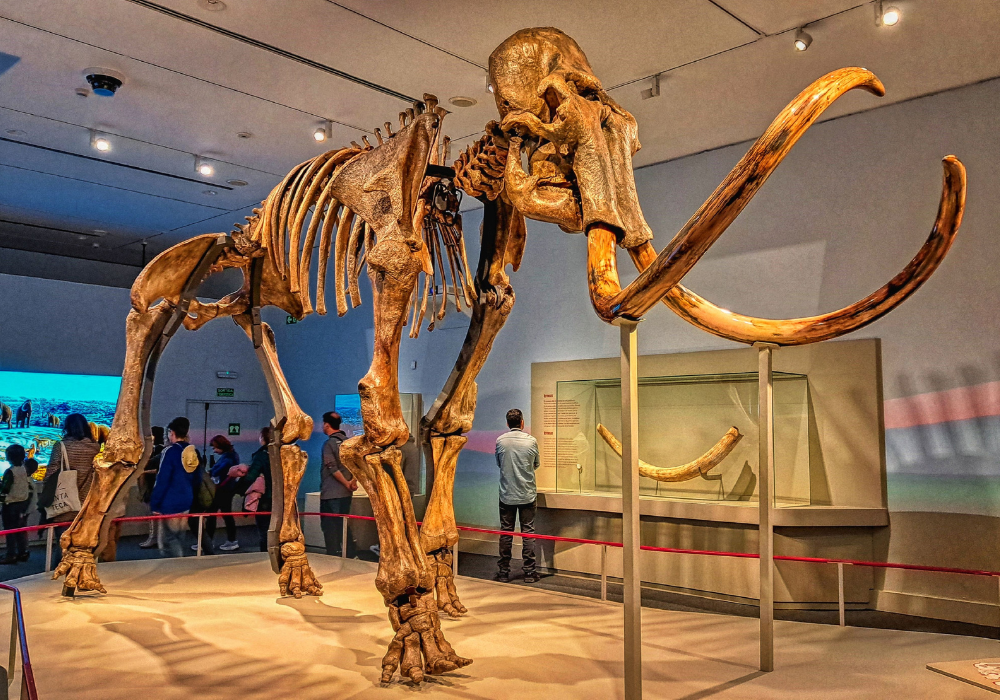
Imagine living in a world where stepping outside meant taking your chances with creatures bigger, faster, and meaner than anything alive today. Prehistoric Earth wasn’t just dangerous—it was a full-on nightmare factory. Everywhere you turned, there were predators designed by millions of years of evolution to hunt, kill, and dominate. Survival wasn’t about being strong or smart; it was about not ending up on the menu. We think sharks, lions, and crocodiles are scary now, but they don’t even scratch the surface compared to what once roamed this planet.

Some of these ancient beasts had teeth longer than your forearm, armor thick enough to shrug off attacks, and instincts so sharp that even a split-second mistake meant certain death. It’s almost unbelievable how intense life used to be. Honestly, it’s a miracle anything survived long enough for humans to even show up. One thing’s for sure—you’ll be glad these monsters are long gone.

Read more

13 Ways Climate Change Is Pushing Animals Into New, Risky Territory

When ecosystems shift, survival becomes a dangerous guessing game.

©Image license via Canva

Animals don’t get weather alerts. They can’t check the forecast or make backup plans. When temperatures rise, forests burn, or oceans warm, they do the only thing they can: move. But that movement—once a seasonal rhythm—is turning into a frantic scramble for survival. Species are shifting their ranges in real time, chasing food, water, or livable conditions, even if it means crossing highways, creeping into cities, or ending up in territory they’ve never encountered before.

It’s not just about migration—it’s about disorientation. Entire food webs are unraveling. Predators and prey are colliding in unfamiliar places. Disease is spreading in ways it didn’t used to. And humans? We’re right in the middle of it. Climate change isn’t just altering weather—it’s rearranging where animals live, hunt, and breed. What we’re witnessing is a planet in flux, and the wild creatures we share it with are being forced to improvise.

Read more

Are You Killing Bees and Butterflies with These 12 Common Yard Features?

That “perfect” lawn might be silently wiping out local wildlife.

©Image license via Canva

Pollinators don’t need much—just the right plants, clean water, and a safe place to land. But modern landscaping has quietly turned many yards into death traps. The pesticides, the tidy monoculture lawns, the decorative mulch—what looks clean and controlled to humans often reads as sterile or hostile to bees, butterflies, and other beneficial insects.

Even well-intentioned choices can backfire. Popular garden products, ornamental plants, and maintenance habits may be driving pollinators away—or killing them outright. And since most of this damage happens slowly and invisibly, it’s easy to miss the connection. But if your yard feels oddly quiet or your flowers aren’t getting visits like they used to, it’s worth taking a closer look. These are some of the most common backyard features that disrupt or destroy pollinator habitats—and how small changes can make your outdoor space part of the solution instead of the problem.

Read more

The Planet’s Hidden Climate Victims—12 Creatures You Didn’t Know Were at Risk

You’ve never heard of them, but they’re paying the ultimate price.

©Image license via Canva

When people talk about climate change, the usual suspects come up—polar bears, sea turtles, coral reefs. But the reality is way bigger, and way more heartbreaking. There are countless animals quietly slipping toward extinction, and most of us have never even heard their names. No headlines. No documentaries. Just disappearing. These are the creatures living on the edges of ecosystems, relying on very specific climates, and getting hit hardest by rising temperatures, vanishing habitats, and chaotic weather patterns.

And here’s the thing: every time one of these species goes, it sends a ripple through the entire system. These aren’t just cute or quirky animals—they’re pollinators, seed spreaders, and key players in the web of life. They matter, even if they’ve never trended online. If you think you’ve seen the worst of climate collapse, think again. Some of the most urgent losses are happening out of sight.

Read more

Bees Are Warning Us About the Future—12 Survival Lessons from the Hive

Their fight to survive offers a blueprint for resilience.

©Image license via Canva

Bees have been sending distress signals for years. Colony collapse, habitat loss, and toxic pesticides have pushed them to the brink, but even as their numbers fall, they keep working tirelessly to hold their fragile world together. It’s easy to think their crisis is separate from ours, tucked away in fields and forests. But pay closer attention, and you’ll see they’re not just fighting for themselves—they’re a living warning about what happens when ecosystems unravel.

Bees are small, but the lessons they offer are huge. They show what community care looks like under pressure, how cooperation keeps life going when resources run thin, and why adaptation matters more than perfection. As we navigate a planet growing more unpredictable by the day, their survival tactics feel less like natural wonders and more like urgent instructions. These 12 lessons from the hive might be exactly what we need to carry forward.

Read more

Your Grandchildren May Never Witness Wild Animals Roam Free—12 Forces Destroying Their Habitats

The countdown to extinction is speeding up.

©Image license via Canva

The quiet is spreading faster than anyone expected. Places once alive with birdsong, hoofbeats, and rustling undergrowth are falling silent, emptied out by forces that never sleep. It’s not a far-off threat waiting for future generations—it’s already happening. Habitat loss is carving away at wild spaces daily, shrinking the living world into smaller, more desperate corners. And no matter how many nature documentaries soften the blow, the reality is far starker than it looks on screen.

What’s happening isn’t random. It’s systematic, fast, and driven by decisions made in boardrooms and ballot boxes. Forests aren’t disappearing by accident. Grasslands aren’t vanishing on their own. These places are being devoured, cleared, and fragmented by human ambition, leaving wildlife with nowhere to go. If we’re not careful, future generations will inherit a world where wild animals exist only in books and fading memory, their homes long since erased.

Read more

11 Invasive Species That Could Cripple America’s Ecosystems Faster Than We’re Prepared For

They’re not just pests—they’re a full-scale ecological takeover.

©Image license via Canva

They don’t look like much at first. A pretty plant. A bug with strange coloring. A bird that’s not from around here. But some of the most harmless-looking species are quietly doing massive damage behind the scenes—and most people have no idea. Invasive species aren’t just annoying. They’re ecosystem wreckers. They crowd out native plants and animals, mess with food chains, spread diseases, and cost billions to control.

Once they take hold, they don’t let go. They spread fast, adapt easily, and throw nature completely off balance. And as climate change warms up habitats and global trade keeps moving things around, these invaders are finding more ways to dig in. This isn’t about a few weird weeds or bugs—it’s about species so disruptive, they can collapse entire environments. And we’re running out of time to get ahead of them.

Read more

These 12 Wild Animals Are on the Move Because Climate Change Has Kicked Them Out

Habitat loss is pushing wildlife into unfamiliar, often dangerous territory.

©Image license via Canva

Climate change doesn’t just melt ice caps and fuel storms—it displaces life. As habitats shift, shrink, or vanish altogether, wild animals are being forced to move. For some, that means climbing higher, swimming farther, or walking straight into human territory. For others, it means extinction creeping closer with every season.

This list isn’t about abstract warming trends. It’s about what happens when rising temperatures push species past their tipping points. These animals aren’t “adapting”—they’re reacting to loss, running out of space, and showing up in places they’ve never been before. Their movement is a warning sign. Because when animals are forced to flee, it’s not long before we feel the fallout too.

Read more

Extinct? Not Quite — These 15 Animals and Ecosystems Are Crashing Back In

Just when the planet counted them out, they came roaring back.

©Image license via iStock

Extinction sounds permanent. Once a species disappears, the assumption is that it’s gone for good. But nature doesn’t always follow the script. Around the world, animals once declared lost—or so close to vanishing they were practically ghost stories—are making wild, unexpected returns. Some were rediscovered after hiding for decades. Others clawed their way back with a little help and a lot of luck.

These aren’t fairy tale endings. Many of the populations are fragile, and some could still collapse again. But they offer proof that recovery is possible. That not every environmental crisis ends in silence. That even in the middle of a biodiversity emergency, the story isn’t always over. These resurgences feel personal, almost defiant. Because when species come back from the edge, they don’t just challenge extinction—they challenge the idea that it’s too late.

Read more

The Collapse of Wildlife: 13 Species That Could Be Completely Extinct by 2040

If nothing changes, these animals could be museum displays by 2040.

©Image license via Canva

We are living through a mass extinction, and most people don’t even realize it. Species that once thrived in the millions are now reduced to a handful of individuals, clinging to survival in shrinking pockets of habitat. The crisis is quiet, but it’s global—and it’s accelerating.

From mountaintops to coral reefs, animals are vanishing because of deforestation, pollution, climate change, and poaching. Their ecosystems are collapsing. Some are already functionally extinct, while others could slip away in the next decade unless something changes—fast.

This isn’t theoretical. These are real creatures—intelligent, iconic, and incredibly vulnerable. You’ve seen them in storybooks, nature documentaries, or maybe even the wild. But for many, time is running out. Most of these species are disappearing right in front of us, without fanfare or headlines. They’re slipping away quietly, while the world scrolls past—distracted, busy, and unaware of what we’re losing.

Read more