How Coral Microbiomes Could Help Reefs Survive Climate Change

New research shows coral’s microscopic partners could boost reef resilience against rising ocean temperatures.

©Image license via Canva

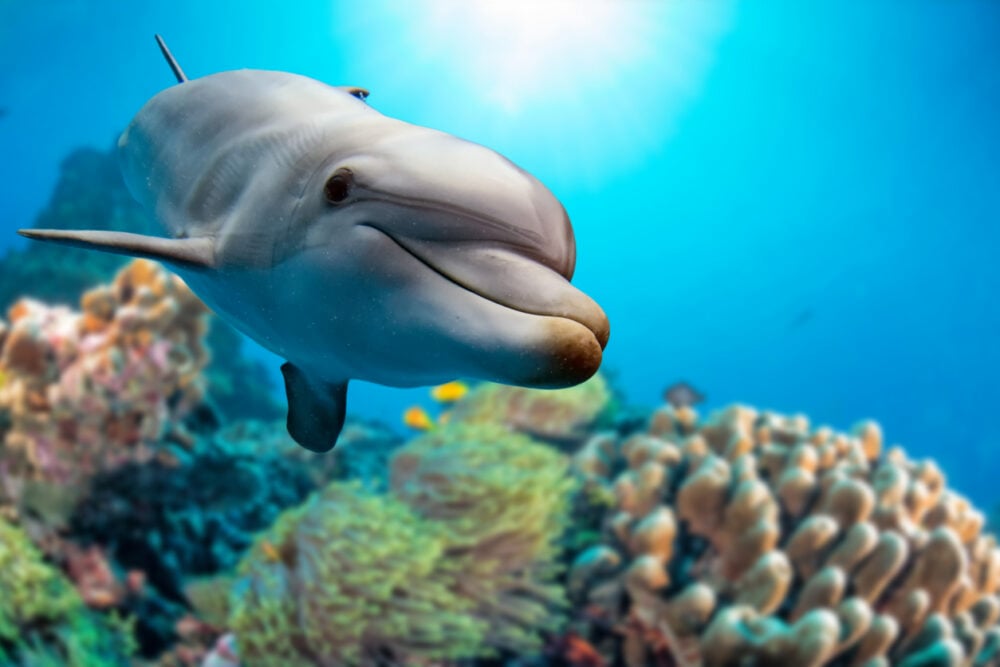
Coral reefs may have a secret weapon against climate change—and it’s so small you can’t see it with the naked eye. New research from the Smithsonian Tropical Research Institute found that the microscopic organisms living inside corals, known as microbiomes, could help them survive in hotter oceans.

Scientists compared corals from two regions of Panama: one with regular bursts of cooler, nutrient-rich water and one with steady, warmer seas. The heat-hardened corals fared far better in lab tests, and researchers believe their microbiomes played a big role—offering fresh hope for reefs in a warming world.

Read more

History’s Deadliest Extinctions Are Playing Out Again in Real Time

Scientists warn today’s biodiversity crisis mirrors past mass die-offs that once reshaped life on Earth.

©Image license via Canva

Earth has experienced five devastating mass extinctions that wiped out most life on the planet, but the sixth one isn’t coming from outer space or volcanic eruptions – it’s being caused by humans. Wildlife populations have plummeted by 73% since 1970, and we’re losing species at rates 1,000 to 10,000 times faster than natural background extinction rates.

Nearly one million species are currently at risk of extinction in what scientists are calling the most severe biodiversity crisis in human history.

Read more

12 Eerie Cities Where Animals Now Rule the Streets

From wild boars in Berlin to monkeys in Bangkok, these urban takeovers are reshaping city life.

©Image license via Pexels

Picture having to dodge wild boars on your morning jog or waiting for monkeys to cross the street before you can drive to work. This isn’t a nature documentary—it’s real life in cities where animals have boldly claimed urban territory.

Climate change and urban sprawl have forced wildlife to adapt, and some have adapted so well they’re practically running the show. From Berlin’s 10,000 wild boars to Bangkok’s motorcycle-riding monkeys, these animal takeovers are creating an eerie new reality where humans feel like visitors in their own cities.

Read more

12 Incredible Ways Wildlife Are Transforming Trash Into Treasure

From birds to sea creatures, discover 12 remarkable ways wildlife adapt by turning human waste into tools, homes, and survival aids.

©Image license via Wikipedia Commons

Some animals aren’t just surviving in a world full of human trash—they’re adapting in surprisingly clever ways. From birds weaving plastic into their nests to crabs finding shelter in bottle caps, wildlife around the globe is turning our waste into unexpected tools for daily life.

According to conservation researchers, these behaviors can be both resourceful and risky, blending ingenuity with environmental challenge. Each example is a reminder that nature is constantly evolving to meet new realities—sometimes in ways we never imagined.

Read more

The 11 Human Activities Pushing Species to Extinction Faster Than Ever

From habitat destruction to pollution, experts reveal how everyday actions are creating Earth’s worst extinction crisis.

©Image license via Canva

We’re living through what scientists call the sixth mass extinction, and this time humans are the asteroid. Species are disappearing at rates between 100 to 10,000 times faster than they would naturally, which means we’re witnessing the fastest extinction crisis in Earth’s history. Unlike past mass extinctions caused by cosmic catastrophes, this one is happening because of things we do every single day.

The scary part is that most people have no idea their normal activities are contributing to a crisis that could reshape life on Earth forever. From the coffee you drink to the way you get to work, human activities are pushing thousands of species toward extinction faster than they can adapt or recover.

Read more

Fireflies Are in Danger — Climate Change Is to Blame

Scientists document dramatic decline in firefly species as climate change alters breeding cycles and destroys habitats.

©Image license via Canva

Those magical summer evenings filled with twinkling lights dancing across yards and fields are becoming increasingly rare. Firefly populations worldwide have declined by an alarming 60% over the past two decades, with scientists pointing directly to climate change as the primary culprit. Rising temperatures, shifting precipitation patterns, and extreme weather events are disrupting the delicate life cycles these insects have followed for millions of years.

From childhood wonder to crucial ecosystem functions, the loss of fireflies represents far more than just dimmer summer nights. Their decline serves as an early warning signal for broader environmental changes that could reshape the natural world as we know it.

Read more

How Whales Have Become Earth’s Climate Heroes: 10 Surprising Facts

These marine mammals capture massive amounts of carbon and cool ocean temperatures in ways scientists are just discovering.

©Image license via Canva

When you think about fighting climate change, whales probably don’t come to mind. Solar panels, wind turbines, electric cars — sure. But massive marine mammals swimming around the ocean? It turns out that whales are some of the most powerful climate warriors on the planet, and we’re only just beginning to understand how crucial they are to keeping our world cool.

Marine biologist Dr. Roman Joe at the University of Vermont has spent years studying what he calls “whale carbon services,” and his research reveals that these ocean giants are doing more to fight climate change than most countries. And they’ve been doing it for millions of years, completely for free.

Read more

12 Humane Ways to Get Rid of Pests Without Hurting Them

You can protect your home and your conscience with these cruelty-free solutions.

©Image license via Canva

You don’t have to choose between a pest-free home and a clean conscience. Whether it’s mice in the walls, ants in the kitchen, or squirrels in the attic, there are plenty of ways to deal with pests that don’t involve glue traps or toxic sprays.

More people are waking up to the reality that many common pest control methods are not only cruel—they can be harmful to pets, kids, and the environment. Humane pest control is about working smarter, not harsher. It’s about setting boundaries instead of landmines, and most of these solutions are easier than you think.

Read more

13 Breathtaking Butterfly Species at Risk Due to Climate Crisis

Explore the Stunning Diversity of Butterfly Species Facing Extinction as Climate Change Accelerates Global Threats

©Image license via Canva

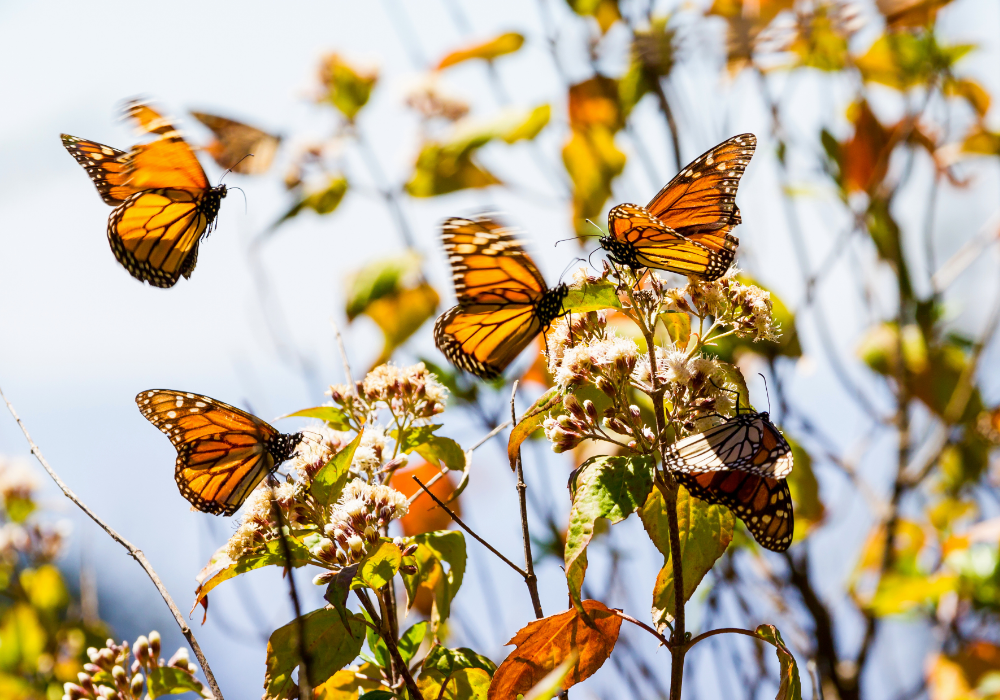
Butterflies are more than just beautiful—they’re essential pollinators and indicators of ecosystem health. But climate change is pushing many species to the brink. Shifting temperatures, severe weather, and disappearing habitats are placing overwhelming stress on butterflies across the globe. Scientists say these dramatic declines aren’t just sad—they’re urgent warnings.

When butterfly populations drop, it signals that broader biodiversity is unraveling. From mountaintops to coastlines, these delicate insects are struggling to adapt to a fast-changing world. The climate crisis isn’t coming for them—it’s already here. And these 13 breathtaking butterfly species may be some of its earliest casualties.

Read more

Wetlands Are Vanishing—Here Are 11 Reasons the World Should Be Alarmed

From rising seas to reckless development, wetland loss is accelerating—and the consequences for biodiversity and climate resilience are staggering.

©Image license via Canva

Wetlands have long been misunderstood—once dismissed as swamps, bogs, or mosquito-filled wastelands. But they’re among the planet’s most important ecosystems, acting as buffers against floods, filters for clean water, and sanctuaries for wildlife. Now, they’re disappearing at an alarming rate. Human development, pollution, and climate change are destroying wetlands faster than they can recover, and global efforts to protect them are falling apart.

As sea levels rise and extreme weather worsens, losing wetlands puts communities, biodiversity, and climate stability at serious risk. This isn’t just an environmental issue—it’s a crisis that threatens life on Earth in deeply interconnected ways.

Read more