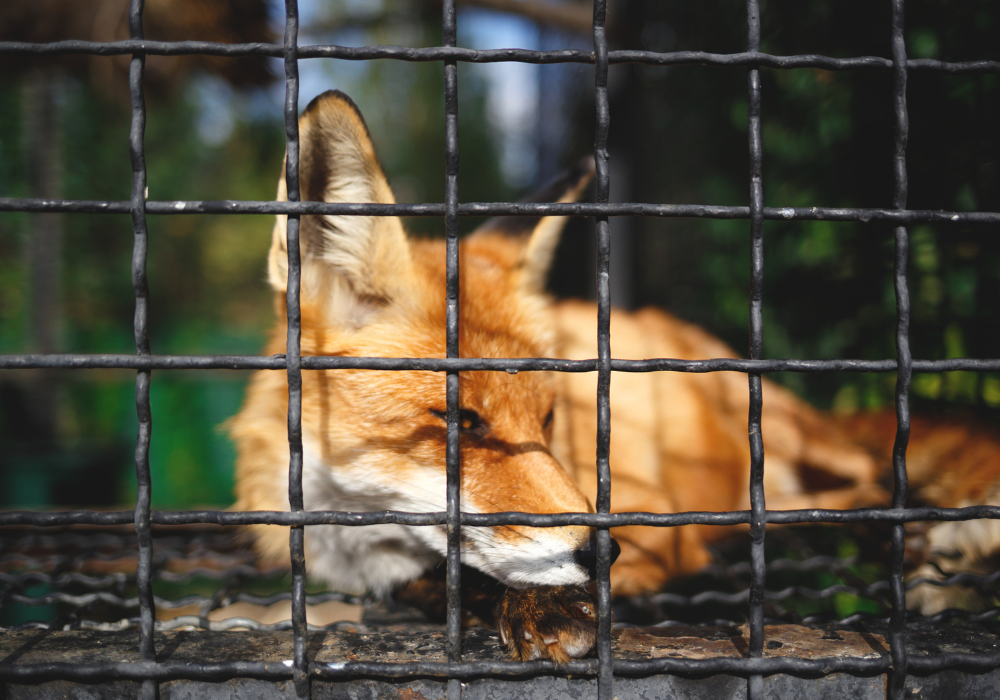
The Uncomfortable Truths About Zoos Few Visitors Think About

What happens behind the scenes often challenges how people think about zoos.

©Image license via Canva

More tigers live in cages across the U.S. than exist in the wild, a startling fact that reveals the hidden cost of captivity. While zoos often brand themselves as conservation champions, less than 10% of animals in their care are endangered species. And a 2017 YouGov survey found one in four adults are now more opposed to zoos than a decade earlier. Behind the glossy exhibits lie unsettling truths about what captivity really means.

Read more

The Last Chances That Could Save Wildlife From Permanent Loss

These rewilding projects are giving endangered animals a lifeline and a home.

©Image license via Canva

Rewilding is no longer just an ambitious conservation concept—it’s a global movement reshaping how we think about wildlife. Across continents, scientists, activists, and communities are working to reintroduce animals once driven out by hunting, development, or habitat destruction. These projects don’t just aim to restore species—they strive to rebuild entire ecosystems by letting nature reclaim its balance.

From apex predators to wild grazers, the return of these animals is reviving biodiversity, repairing landscapes, and giving us a glimpse of what the wild once was—and could be again.

Read more

How to Safely Help a Turtle Crossing the Road

Helping a turtle cross the road safely starts with staying calm and knowing what to do

©Image license via Canva

When turtles wander across roadways, a well-meaning rescue can sometimes cause more harm than good. Knowing how to step in safely protects both the animal and you. From the way you approach to how you lift and where you place them next, each step matters. With a few simple precautions, you can confidently assist a turtle without disrupting its journey, injuring it, or putting yourself at risk on the road.

Read more

Dogs Can Smell Cancer in Other Dogs, and Scientists Are Paying Attention

Why researchers say scent could reveal cancer long before symptoms.

©Image license via Canva

A deadly canine cancer can hide in plain sight until a sudden collapse sends families racing to the ER. That’s why researchers are excited about a new idea that sounds almost unbelievable: trained dogs may be able to smell the disease in a simple blood sample.

In recent work, detection dogs learned to pick out hemangiosarcoma, an aggressive cancer of blood-vessel cells, by recognizing the unique cocktail of volatile organic compounds it leaves behind.

It’s not a ready-to-buy test yet, but the findings point toward earlier warning systems that could one day flag high-risk dogs before symptoms appear and give vets a precious head start.

Read more

Why Critics Claim the National Park Service Is Changing U.S. History

Critics say revised exhibits and signage could reshape collective memory on sensitive historical issues

©Image license via Canva

The National Park Service plays a key role in how Americans encounter and interpret the nation’s past, from monuments and museums to battlefield tours and historical reenactments. But some scholars, visitors, and public historians argue that recent updates to exhibits and narratives might oversimplify or shift focus away from difficult truths. These changes have sparked debate over whose stories are told, how they’re framed, and what that means for public understanding of U.S. history.

Read more

Why Your Dog Knows It’s You, Even in a Photograph

What researchers discovered about dogs and faces surprised even them.

©Image license via Planet Sage/ChatGPT

You’ve probably shown your dog a photo and wondered if they understand it. Most of us assume dogs rely on smell, so a flat image should not mean much. Yet many dogs react as if they are seeing someone familiar.

Researchers have put that idea to the test using controlled photo choices and even brain scans. Again and again, dogs show they can use vision to pick out human faces, including the faces they know best.

What is most surprising is what they do not need. Motion, scent, or a real person in the room are not required. That does not mean every dog recognizes photos easily, but it does show that smell alone does not explain everything.

Read more

The Simple Bird Feeder Change That Attracts the Species You Want

Why the birds you want may already be nearby but not stopping.

©Image license via Canva

Setting up a bird feeder seems simple. Hang it, fill it with seed, and wait. But many people quickly notice the same birds showing up again and again, while the species they hoped to see never appear.

The reason usually isn’t luck. Birds pay close attention to placement, food type, cover, and timing. Small details send clear signals about whether a feeder is safe, useful, or worth the effort.

Slide by slide, this guide explains how birds decide where to feed and how a few intentional choices can turn a quiet feeder into one that attracts the species you actually want.

Read more

Scientists Are Using AI to Listen for Meaning in Animal Sounds

What researchers are detecting in animal calls is more structured than expected.

©Image license via Canva

For as long as humans have studied animals, their sounds were treated as instinctive noise. Whales clicked, dolphins whistled, birds sang, and scientists measured volume, frequency, and range without assuming much meaning behind it.

That assumption is starting to crack. With decades of recordings and new artificial intelligence tools, researchers are noticing patterns that look less random and more intentional than once believed.

This story follows how scientists moved from simply recording animal sounds to asking a bigger question. What if some animals are communicating in structured ways we have never had the tools to recognize until now?

Read more

These 7 Invasive Fish Are Destroying Habitats—And They’re Spreading Fast

Once introduced, these invaders outcompete local species and throw entire food webs off balance.

©Image license via Canva

You might not think twice about the fish swimming beneath the surface—but some of them are wreaking serious havoc. Invasive fish species are quietly destroying native ecosystems, outcompeting local wildlife, and spreading faster than most people realize.

From aggressive predators to prolific breeders, these aquatic intruders are changing the face of our rivers, lakes, and even oceans. Whether they were released from home aquariums or introduced through global trade, they’re not just blending in—they’re taking over.

Many of these species are nearly impossible to control once they get established. And the longer we ignore the problem, the worse it gets for native plants, animals, and entire food chains. Here are seven invasive fish that are doing the most damage—and why their spread should be on everyone’s radar.

Read more

What to Do If You Encounter a Skunk in Your Yard

Approach calmly, secure your space, and know when to call in expert help

©Image license via Canva

Spotting a skunk in your yard can be unsettling—but how you respond matters. Skunks are mostly shy, nighttime wanderers, and they’re rarely looking for a fight. If you rush outside, yell, or let a dog charge at it, you’re much more likely to trigger the one thing everyone wants to avoid.

The smarter move is to stay calm, give it space, and watch its body language. A skunk that’s stomping, hissing, or lifting its tail is basically giving a warning to back off. From there, focus on what drew it in—easy food, shelter, or a quiet hiding spot—and remove those temptations. A few simple, humane deterrents can encourage it to leave without turning your yard into a disaster zone. With the right approach, you can keep your family and pets safe while nudging the skunk to move along on its own.

Read more