Most Travelers Skip These 12 Reusable Essentials—and Regret It Later

These small swaps make trips easier, cleaner, and way more eco-friendly.
©Image license via Canva

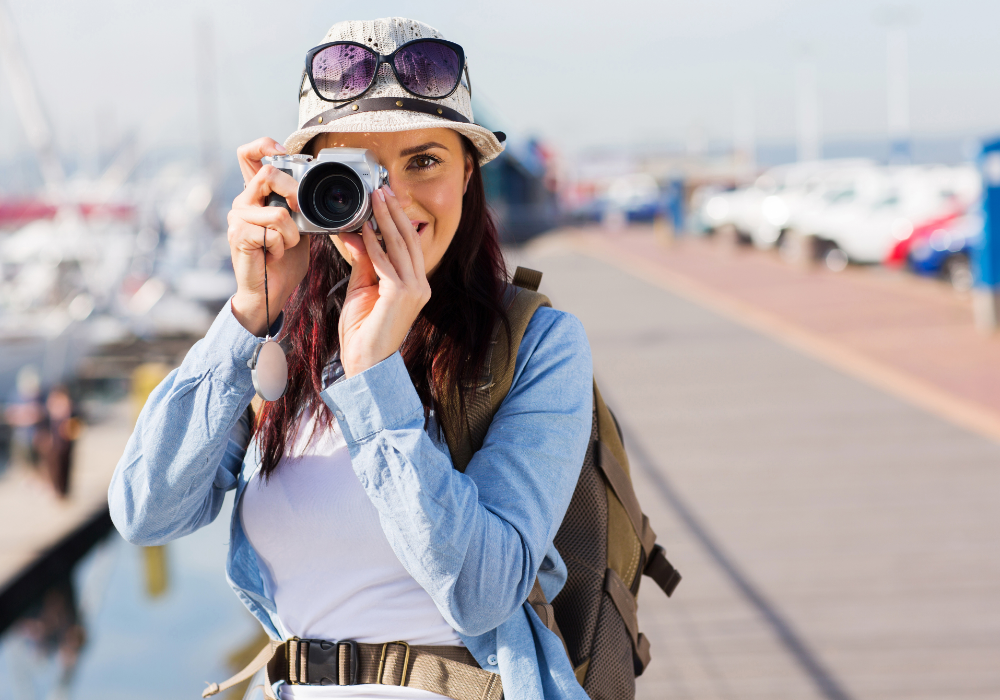
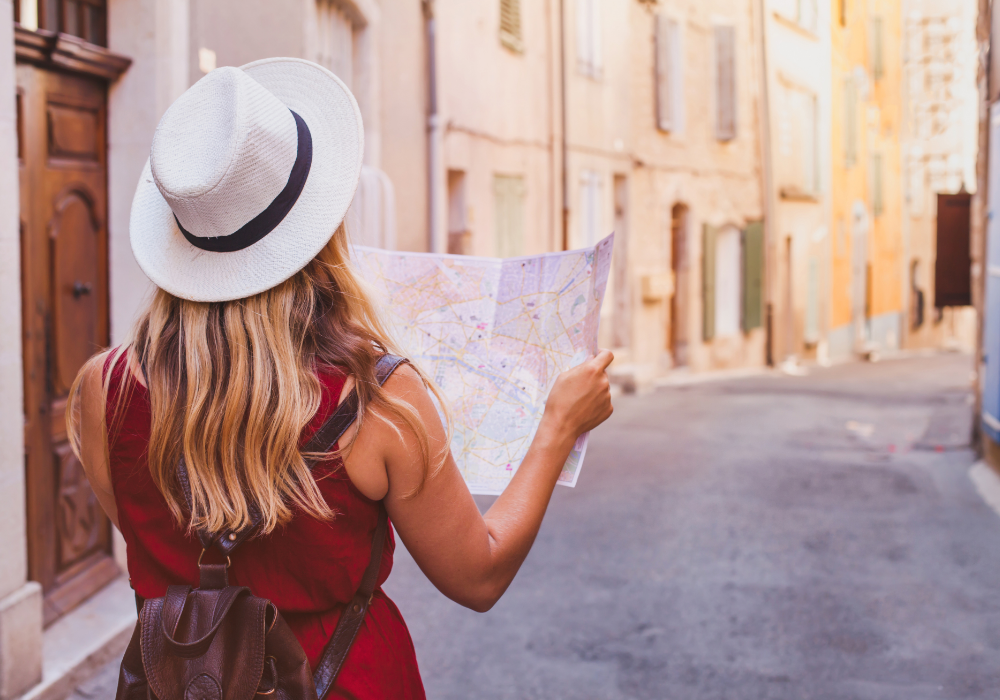
We all love a satisfying packing list—passport, comfy shoes, and a few guilty-pleasure snacks for the plane. But in the flurry of trip excitement, most travelers forget the humble heroes that actually make travel easier, cheaper, and surprisingly more fun. Reusable essentials are the items that save you from buying overpriced water, juggling flimsy plastic bags, or facing weird hotel toiletries that leave you feeling like a science experiment.

They don’t just cut waste; they cut stress. These swaps help you glide through unexpected detours and awkward moments like an unbothered travel wizard. Once you start packing these essentials, you’ll wonder how you ever navigated airports and markets without them. With these items on hand, you don’t just travel—you level up into someone who looks effortlessly prepared for every surprise the road throws your way.
Read more

The Oceans Won’t Recover from These 11 Tourist Mistakes

Your dream vacation could be leaving behind a permanent scar on marine life.

©Image license via iStock

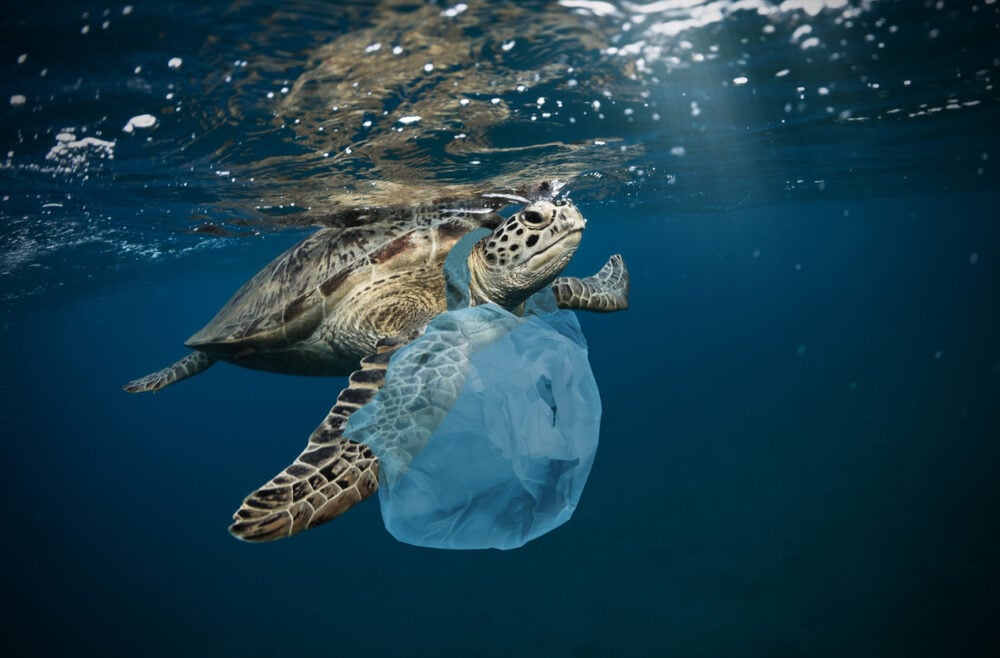
The damage isn’t always dramatic. No oil spill, no shipwreck. Just sunscreen in the water, a snapped coral branch, a trail of plastic crumbs across a beach. But these small choices pile up. Tourism now plays a major role in ocean degradation—damaging reefs, polluting coastlines, and disrupting marine ecosystems that were already under stress.

Many travelers don’t realize the harm they’re doing. The cruise felt harmless, the dolphin swim felt magical, the seafood dinner felt fresh and local. But the ripple effects are long-lasting. Coral takes decades to regrow. Microplastics don’t just vanish. The oceans are already absorbing the fallout of climate change; they can’t keep absorbing careless tourism too. These mistakes may be common, but their consequences are not reversible.

Read more

These 12 Destinations Are Stunning—But Tourists Are Wearing Them Down

The most beautiful destinations on earth are being pushed closer to collapse.

©Image license via Canva

Everyone wants to see the world’s most breathtaking places before they change forever. The problem? They’re changing because everyone wants to see them. Instagram-worthy views, viral travel lists, and cheap airfare have turned once-pristine destinations into overcrowded, over-trafficked hotspots. What used to be rare experiences have become nonstop lines of tourists jockeying for the perfect photo while fragile ecosystems buckle under the pressure.

It’s easy to forget that these places weren’t designed to handle millions of people year after year. Trails erode, wildlife flees, locals get priced out, and entire ecosystems start to break down. The damage isn’t always dramatic or immediate, but it adds up fast. These 12 destinations are still stunning, but every extra footprint pushes them a little closer to the breaking point—and unless something changes, they won’t stay beautiful much longer.

Read more

Your Vacation Photos Come at a Cost—12 Tourist Habits Locals Are Begging You to Stop

You’re not being “harmless”—you’re making their home harder to live in.

©Image license via Canva

Visiting somewhere beautiful doesn’t make you the main character. It just makes you a guest—and too many people forget that the second they step off the plane. The shops, the streets, the scenic spots you saw on Instagram? They’re not just vacation backdrops. They’re where people live, work, raise kids, and try to find peace in places that are being overrun.

The worst part is, most travelers don’t even realize they’re doing damage. It’s not just the obnoxious influencers blocking walkways or the drunk tourists yelling at midnight. It’s the tiny things that pile up—littering, driving up rents, crowding sacred spaces, treating locals like scenery. It’s easy to think your impact is small when you’re only there for a week. But the ripple effects stretch far beyond your itinerary. Locals are asking for change. The question is whether tourists will listen.

Read more

You’re Not Traveling Light—These 10 Habits Leave a Heavier Footprint Than You Think

Every selfie, flight, and souvenir leaves more behind than memories.

©Image license via Canva

Vacation is supposed to be a break—from stress, from routine, from responsibility. You save, you plan, you post, and for a few days, life feels like a curated dream. But behind the beach pics and passport stamps is a different kind of souvenir: environmental damage that sticks around long after you’ve unpacked. It’s not about blaming travelers—it’s about realizing how the travel industry sells us “escape” while quietly trashing the places we go to escape to.

Most of us don’t think twice about hotel buffets, long-haul flights, or those cute market trinkets. They’re part of the experience, right? But small habits add up to a massive impact when millions of people do them at once. Travel can still be joyful—it just needs to be more conscious. So before your next getaway, here are the things that might be weighing down your trip more than your suitcase.

Read more

How to Travel Without Trashing the Planet—13 Rules Smart Tourists Follow

If your wanderlust has a conscience, follow these golden rules.

©Image license via iStock

You probably don’t think of your passport as a pollution pass, but every trip you take leaves a trail. It’s not just the flight emissions or the plastic water bottles—it’s the choices you make every step of the way. The good news? You’ve got way more power than you think to shift the impact. The travel industry is a giant, but it bends to demand. And when enough travelers say, “We want better,” better starts happening. The catch is, most people don’t know where to start. You book the trip, pack the bags, and suddenly it feels like being eco-friendly is a luxury, not a baseline.

But you don’t need to be perfect. You just need to be aware. That’s the real game-changer. If you’ve ever come home from a trip thinking, “That was amazing, but I feel a little gross about the footprint I left,” you’re not alone. There’s a smarter way to explore—and it doesn’t kill the vibe.

Read more

12 Ways Travel Influencers Sell You a “Sustainable” Life That Doesn’t Exist

What looks eco-friendly online often leaves a massive carbon footprint behind.

©Image license via Canva

It’s sunrise on a quiet beach. A linen dress. A metal straw. A caption about slowing down, staying grounded, traveling with intention. The aesthetic says sustainability. But what’s not in frame? The international flights. The fast fashion hauls. The digital nomad visa funded by a brand that mass-produces plastic packaging. Influencer sustainability often looks like serenity—but it runs on consumption.

That doesn’t mean everyone with a passport and a following is faking it. But there’s a growing disconnect between what’s posted and what’s real. A carbon-heavy lifestyle gets filtered through soft light and recycled slogans. And for followers trying to live more consciously, it sends a confusing message: that a sustainable life is jet-set, minimalist, and always photogenic. It’s a lifestyle built on curated images, but behind the lens, it often runs on the same overconsumption that sustainability tries to avoid.

Read more

12 Ways the Climate Conversation Is Influencing Your Everyday Decisions

The war on climate change is quietly rewriting the rules of modern life.

©Image license via Canva

It used to feel like caring about the environment was just common sense—recycle, don’t litter, maybe drive a little less. Now, it feels like something else entirely. Climate change is real, no doubt about it. But the way it’s being talked about—and legislated—is starting to raise eyebrows. Rules are getting tighter, options are shrinking, and everyday choices are suddenly framed as moral decisions. It’s not just about saving the planet anymore; it’s about control, guilt, and fear.

You can believe in science and still question how far this is going. It’s okay to want clean air and water without feeling like you’re being herded into a lifestyle you didn’t choose. Somewhere along the line, the conversation stopped being balanced. Now it feels like speaking up about the downsides makes you the villain. But if it’s really about protecting the future, shouldn’t honest discussion still be allowed?

Read more

Your Summer Plans Might Be in Danger—12 Places Heatwaves Are Already Changing Travel

Tourists are fainting, flights are grounding, and the forecast keeps getting worse.

©Image license via Canva

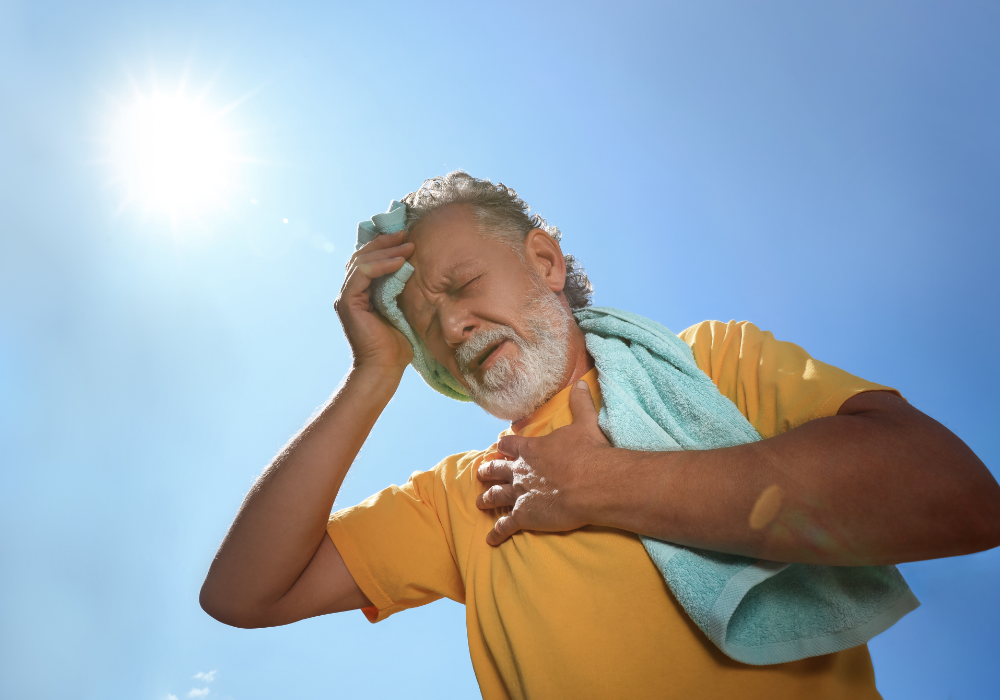
Summer vacations aren’t what they used to be. Sure, the tickets are booked and the bags are packed—but the weather’s getting wilder, and a lot of your favorite destinations are starting to feel more like danger zones than dream getaways. We’re not just talking about a hot day at the beach. We’re talking about record-breaking heatwaves, scorched runways, closed attractions, and air quality warnings that force you indoors.

This isn’t future talk—it’s happening right now. Cities are cancelling festivals, tourists are being treated for heat exhaustion, and some places are warning visitors to stay away entirely during peak hours. Climate change isn’t just shifting the seasons—it’s starting to mess with how and where we travel. These 12 destinations are already showing the cracks, and if you’re planning a trip this year, you’ll want to know what you’re walking into before you arrive.

Read more

Your Vacation Costs More Than You Think—12 Impacts of Travel You’re Not Supposed to Think About

What looks like leisure often leaves locals picking up the pieces.

©Image license via Canva

Tourism is sold as a kind of reward—something you’ve earned after working hard or getting away from it all. And for many, travel does offer joy, rest, and perspective. But that version of the story rarely includes what’s happening on the other side of the check-in desk. While one group unwinds, another cleans up. While one group explores, another is displaced. The truth is, the travel industry runs on imbalance—and it depends on most people not thinking too hard about where their money goes or who it affects.

This doesn’t mean you shouldn’t travel. But it does mean the systems surrounding tourism deserve more scrutiny. From housing shortages to environmental degradation, the ripple effects of travel are far more complex than the price of a plane ticket. These twelve impacts reveal how even a single vacation can change a place—and why locals are often the ones left paying the price.

Read more