The State Department Warns These Are the Most Dangerous Countries for U.S. Travelers

Based on official travel advisories, these destinations carry the highest risk levels for Americans right now.

©Image license via Canva

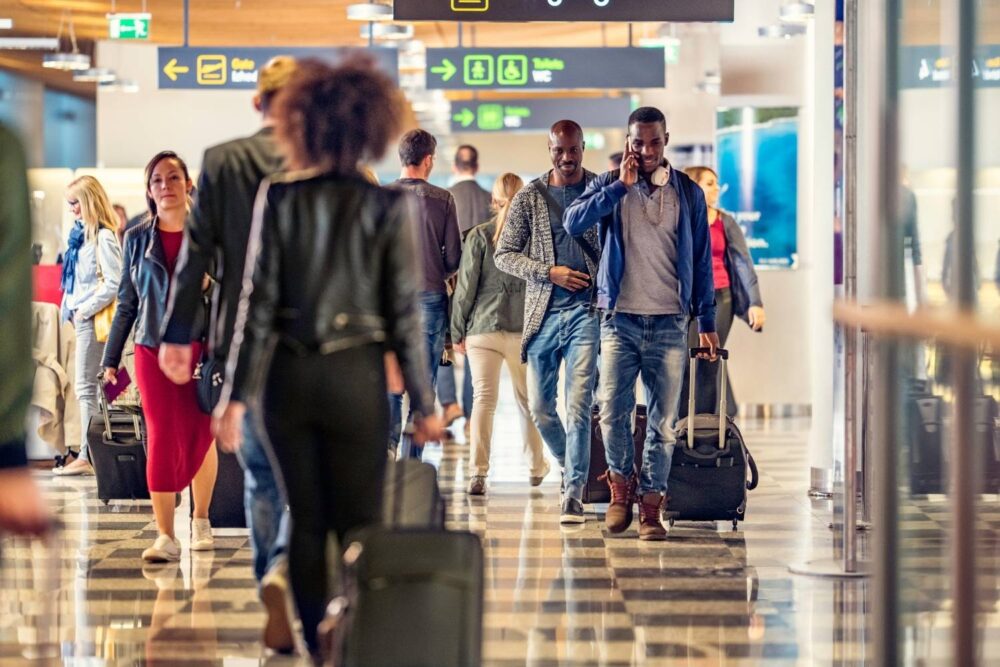
Before booking an international trip, safety is just as important as price or convenience. The U.S. State Department regularly evaluates conditions worldwide, issuing travel advisories based on crime, terrorism, civil unrest, health systems, and government stability.

Some countries are placed under the highest warning levels, meaning Americans are advised not to travel due to extreme and unpredictable risks. These assessments can change, but they offer a clear snapshot of where danger remains elevated.

Here are 12 countries currently considered the most dangerous for U.S. travelers, and the reasons they remain under the strongest warnings.

Read more

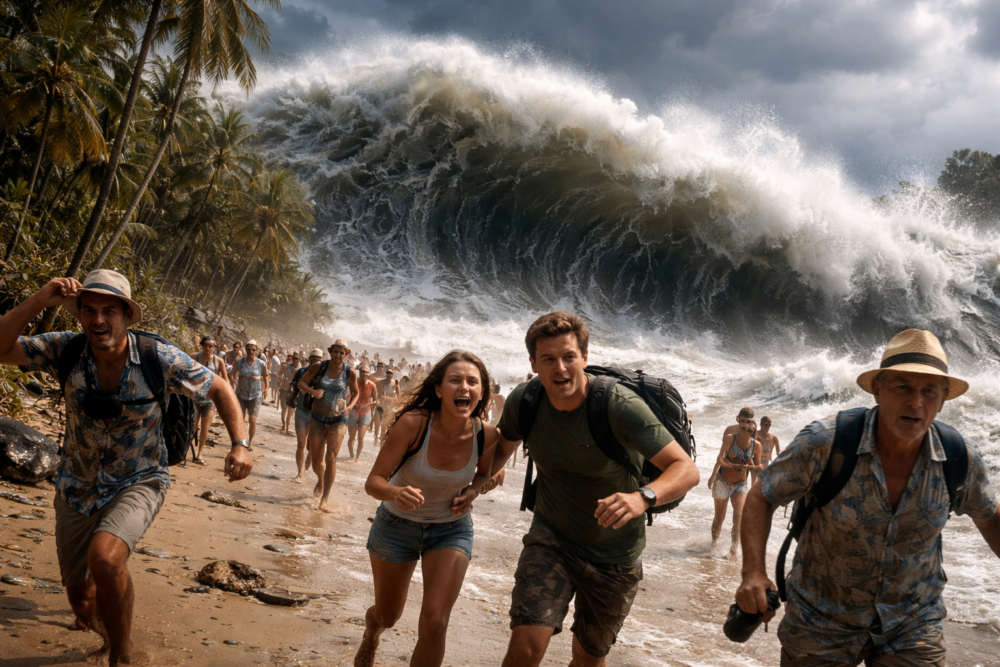
What to Do First When a Natural Disaster Strikes During Your Travels

Acting quickly and calmly can make all the difference when disaster disrupts your travel plans.

©Image license via Planet Sage/ChatGPT

A natural disaster striking mid-trip is every traveler’s nightmare, but knowing what to do first can help you stay safer and more in control. From locating emergency services to following official instructions, each decision made in the early moments matters. Good preparation, such as creating a communication plan or storing copies of vital documents, also pays off. The key is to stay grounded, gather information quickly, and respond with purpose—not panic.

Read more

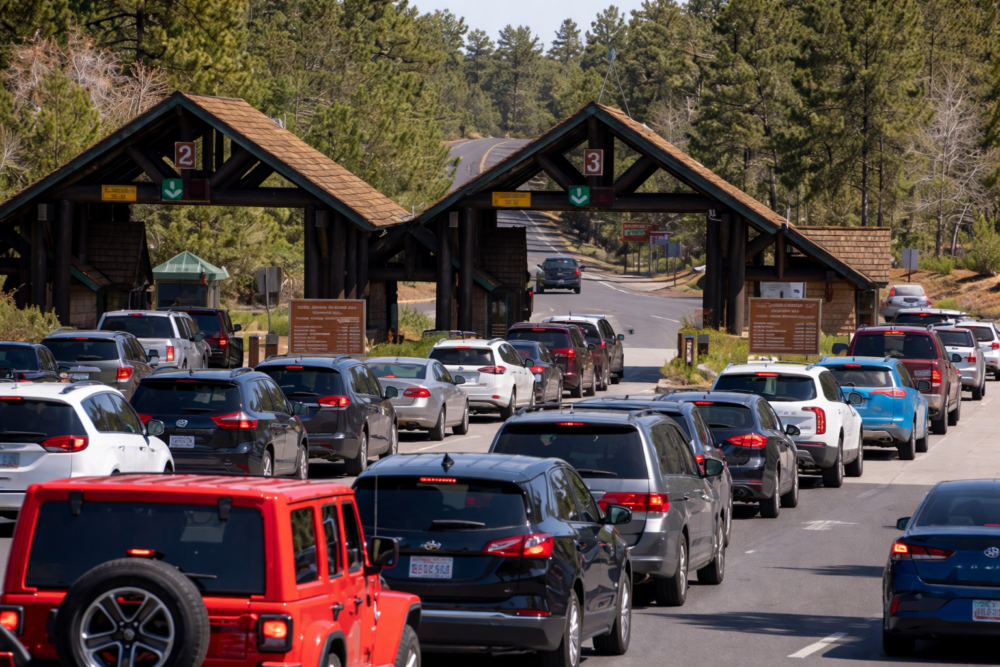
How Overcrowding Reshapes the National Park Experience

Overcrowding shifts from inconvenience to disruption, changing how we experience and access nature’s landmarks

©Image license via Canva

As visitor numbers rise in national parks, the experience of natural wonder increasingly collides with human congestion. Packed parking lots, crowded trails, and restricted access are becoming the norm rather than the exception. The very qualities that define these spaces—solitude, scenery, and stillness—can feel compromised. Understanding how overcrowding reshapes visits helps travelers navigate changing conditions, while encouraging choices that protect both enjoyment and environmental integrity for future explorers.

Read more

The Surprising Reason Country Music Is Booming in Brazil

What’s fueling this crossover has less to do with Nashville than you might think.

©Image license via Planet Sage/Chat GPT

At first glance, country music and Brazil might seem worlds apart. One is rooted in rural America, the other in a country known globally for samba, bossa nova, and funk. Yet over the past few decades, a familiar twang has quietly taken hold.

What began as local, rural storytelling evolved into one of Brazil’s most dominant music forces. Today, massive crowds sing along to songs that echo heartbreak, faith, work, and pride.

Slide by slide, this story explains how country music found common ground in Brazil, who helped popularize it, and why it continues to resonate so deeply.

Read more

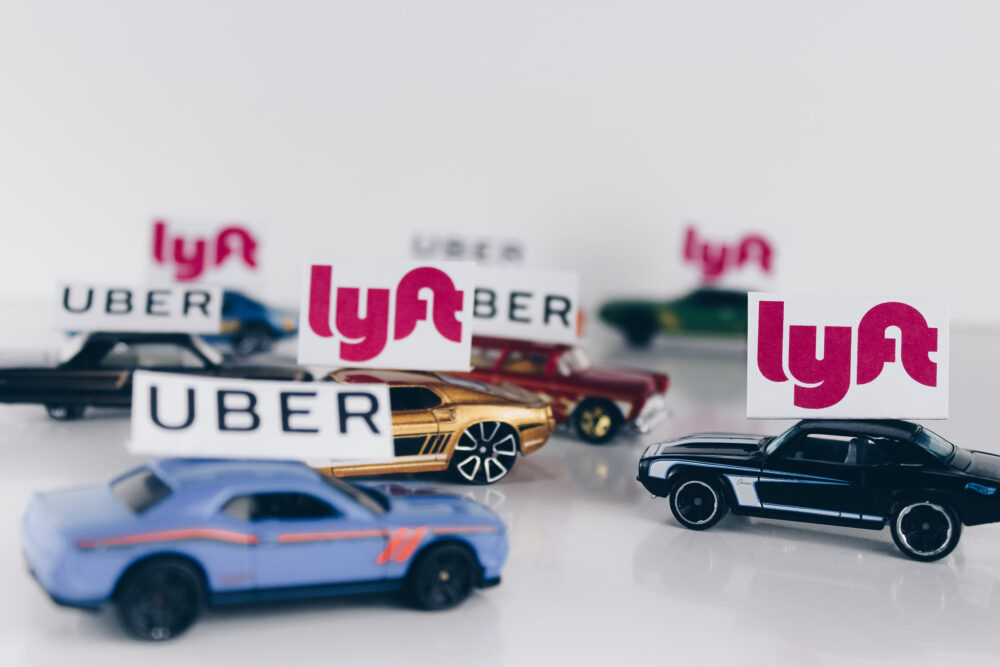
Why Some Cities Are Restricting Uber and Lyft and What It Means for Riders

City rules targeting Uber and Lyft are reshaping how people access affordable transportation options

©Image license via Flickr/Stock Catalog

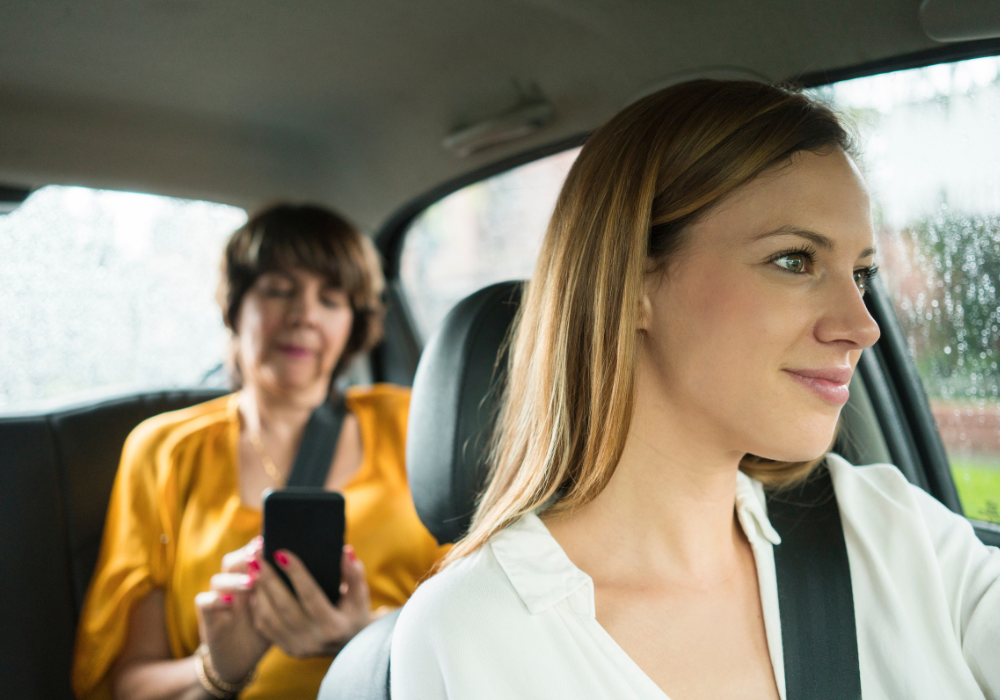
Rideshare services like Uber and Lyft have transformed urban transportation, but not without raising complex policy questions. In response, many cities are introducing new regulations to manage traffic, protect workers, and prioritize public transit. These changes can limit vehicle numbers, adjust fare structures, or restrict pickup zones, directly affecting how—and whether—riders can use these apps. Understanding why these rules exist helps consumers navigate shifting local regulations with fewer surprises and better choices.

Read more

A New Question at National Park Gates Is Making Some Visitors Turn Around and Leave

What park officials are asking and why it’s catching travelers off guard.

©Image license via Planet Sage/Chat GPT

Driving all the way to a national park usually feels like the easy part. But in early 2026, some visitors reached the entrance booth and heard a new question that stopped the trip cold: Are you a U.S. resident?

That question is tied to a new pricing rule that adds a $100 surcharge for non-U.S. visitors at 11 of the most visited parks, and higher costs for nonresident annual passes. Rangers say it’s creating confusion, longer lines, and tough conversations.

Here’s what’s happening at the gate, why people are turning around, and how to avoid getting caught off guard on your next park visit this winter.

Read more

Will Robotaxis Kill Uber and Lyft or Supercharge Them?

The self-driving future could either replace drivers or turn ride-hailing into something much bigger.

©Image license via Canva

Robotaxis once felt like distant sci-fi, something always promised but never quite arriving. Now they are operating in real cities, carrying real passengers, and forcing ride-hailing companies to confront a future they helped predict but do not fully control.

For Uber and Lyft, autonomy represents both relief and risk. Self-driving cars could remove their biggest expense while also threatening the driver-based model that made them dominant in the first place.

Whether robotaxis shrink these companies or help them scale depends on who owns the cars, who controls the apps, and how cities choose to regulate what comes next.

Read more

Countries That Have Canceled Visa-Free Entry for U.S. Travelers

What recent policy changes mean for Americans planning trips abroad.

©Image license via Canva

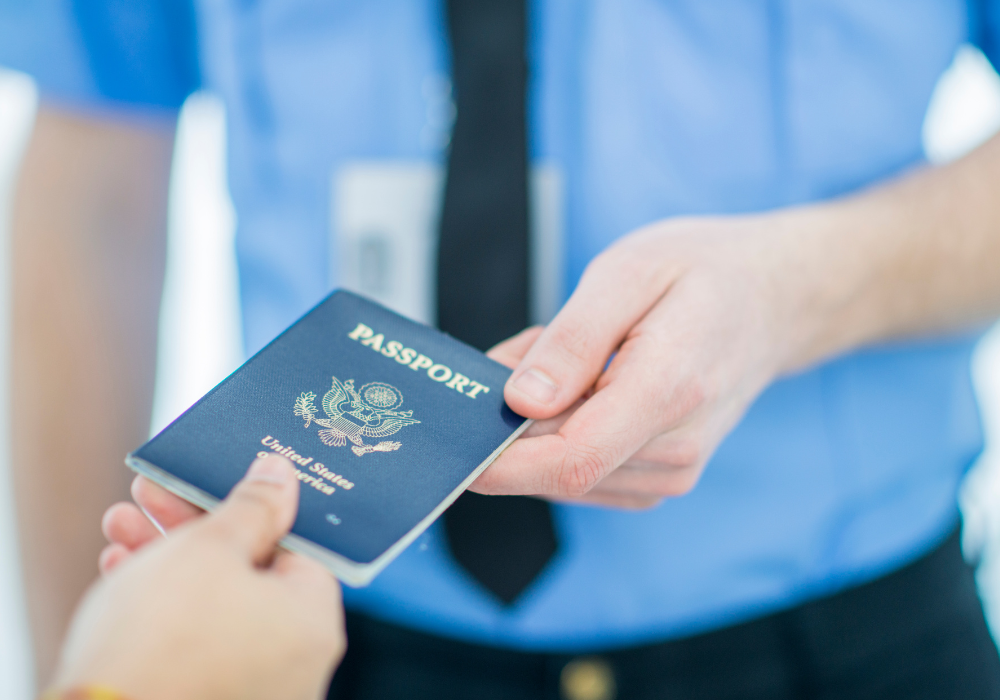
Americans are used to thinking, “If my passport is valid, I’m good.” But travel rules are getting fussier: some countries are ending visa-free entry for U.S. visitors, others are adding e-visas, and a few now require pre-travel authorization even for short stays.

Two clear examples are Brazil, which reinstated visitor visas for U.S. citizens starting April 10, 2025, and Namibia, which began requiring U.S. tourists to obtain a visa before entry as of April 1, 2025.

Meanwhile, the European Commission says ETIAS is expected in late 2026. If you travel on a U.S. passport, here’s how to spot real changes, avoid scams, and plan ahead.

Read more

If Your Tire Blows Out on the Highway, Do This Immediately

Why staying calm and avoiding one instinctive move can help you regain control.

©Image license via Flickr

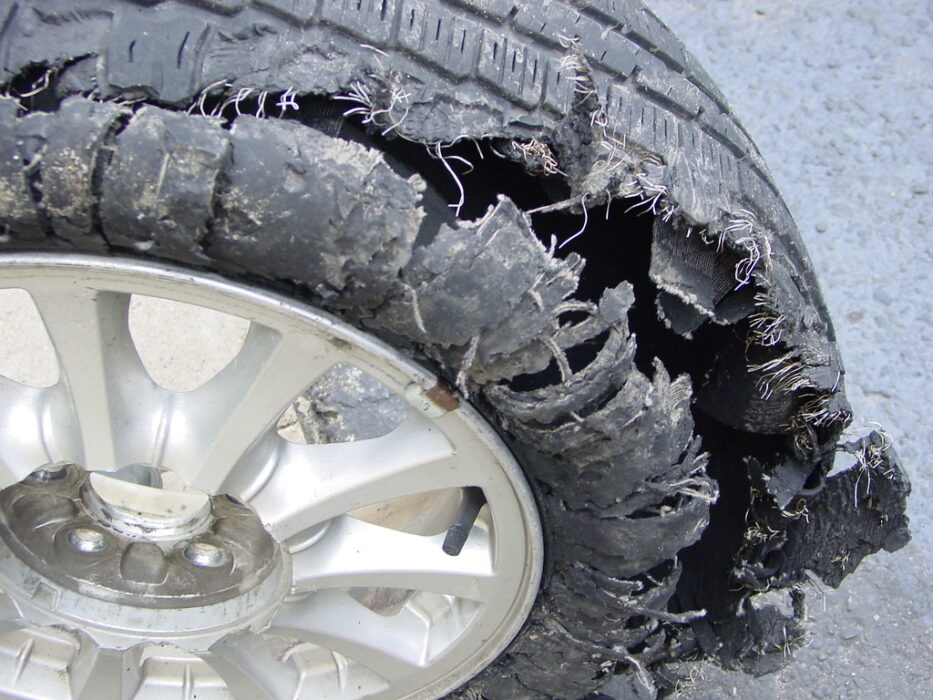
A tire blowout at highway speed is the kind of moment that makes your stomach drop. The bang is loud, the car can yank sideways, and your brain wants to hit the brakes or jerk the wheel. That split-second reaction is what turns many blowouts into crashes.

Safety groups like AAA stress the same basics: hold steady, don’t slam the brakes, and slow down smoothly before you move over. The goal isn’t to stop fast—it’s to stay predictable until you can get to a safe spot. Do the calm thing first, and everything else gets easier.

If you’ve pictured the steps ahead of time, you’re far more likely to stay calm and keep control.

Read more

Airline Seats Didn’t Used to Be This Small. Here’s What Changed

The change didn’t happen by accident — and it wasn’t driven by comfort.

©Image license via Planet Sage/Chat GPT

Airplane seats didn’t suddenly become uncomfortable overnight. The cramped feeling many passengers notice today is the result of decades of quiet changes driven by economics, competition, and regulatory gaps.

What started as a way to lower ticket prices slowly reshaped how planes are designed and how space is allocated inside them. Most travelers experienced these shifts gradually, without realizing how much room had been lost over time.

Understanding why airline seats are so small now helps explain how modern flying became less about comfort and more about efficiency, and why reversing the trend has proven so difficult.

Read more