These 11 Snacks Feel Like Junk—But They’re Surprisingly Good for the Planet

Your favorite gas station snacks might be greener than your grocery haul.

©Image license via iStock

We tend to assume that sustainable eating has to look a certain way—farmers’ market veggies, unpackaged grains, maybe some homemade oat milk in a reused jar. But sometimes, the foods we write off as “junk” are actually pulling their environmental weight. Packaged snacks might not scream eco-conscious, but some are lower-impact than their healthy-looking counterparts. Especially when you factor in things like water use, emissions, and food waste.

Sustainability isn’t just about how something looks on a label. It’s about how it was grown, processed, and shipped. And surprisingly, some of the most accessible, affordable snack foods can come with a much smaller footprint than the kale chips and coconut yogurts crowding the wellness aisle. If you’ve ever felt guilty about reaching for a bag of pretzels instead of a raw vegan bar, it might be time to rethink the rules. These snack staples prove that sustainability can be found in unexpected places.

Read more

12 Signs Your ‘Sustainable’ Purchases Are Still Hurting the Planet

Greenwashing is making you feel good while the damage keeps piling up.

©Image license via Canva

Everyone wants to feel like they’re making better choices these days. Slap a “sustainable” or “eco-friendly” sticker on something, and it’s easy to think you’re doing your part to save the planet. But here’s the hard truth: a lot of what’s being sold as sustainable is still fueling the same old environmental problems. It just has prettier packaging and a guilt-free vibe that makes you feel better while you swipe your card.

The companies know exactly what they’re doing. They’re banking on the fact that you’ll see the word “green” or “ethical” and stop asking questions. But buying something “better” is not the same as buying responsibly—and sometimes, it’s just another excuse to sell you more. Once you learn to spot the signs, you’ll see that real sustainability isn’t about how products are marketed. It’s about how thoughtfully you actually consume.

Read more

You’re Not Saving Money Buying in Bulk—Here Are 12 Reasons Why

That giant box won’t save you money if you never use it.

©Image license via Canva

Buying in bulk sounds like a financial win. More for less, right? You walk into a warehouse store, grab the oversized packs, and leave feeling like you just outsmarted inflation. But the truth is, bulk buying can quietly wreck your budget. It encourages overconsumption, leads to food waste, and often tricks you into spending more than you planned. That jumbo box of granola bars might be cheaper per unit—but if it expires before you finish it, you’re just throwing money away.

The appeal is real, especially when you’re trying to cut costs. But smart shopping isn’t about sheer volume—it’s about intention. Bulk stores rely on the illusion of value to drive up spending. And while some items are worth it, a lot aren’t. If your pantry’s full but your wallet’s empty, the math probably isn’t mathing.

Read more

13 Low-Effort Home Habits That Could Help Slow Climate Change

Saving the planet starts at home—and it’s simpler than you think.

©Image license via Canva

You don’t need to move to the woods, install solar panels, or live in a tiny house to make a real difference. A lot of climate solutions start way closer to home—literally, inside your house. The truth is, our daily routines add up. From what we eat to how we clean to where our energy goes, small choices made consistently can seriously shrink your environmental footprint without making your life harder (or more expensive).

And no, this isn’t about guilt or perfection. It’s about awareness and momentum. The more habits you shift, the more control you take back. You can still enjoy your hot showers, your Amazon orders, your cup of coffee—but with a little extra intention, those same moments can have way less impact. It’s not about doing everything perfectly. It’s about doing what you can, where you are, with what you already have.

Read more

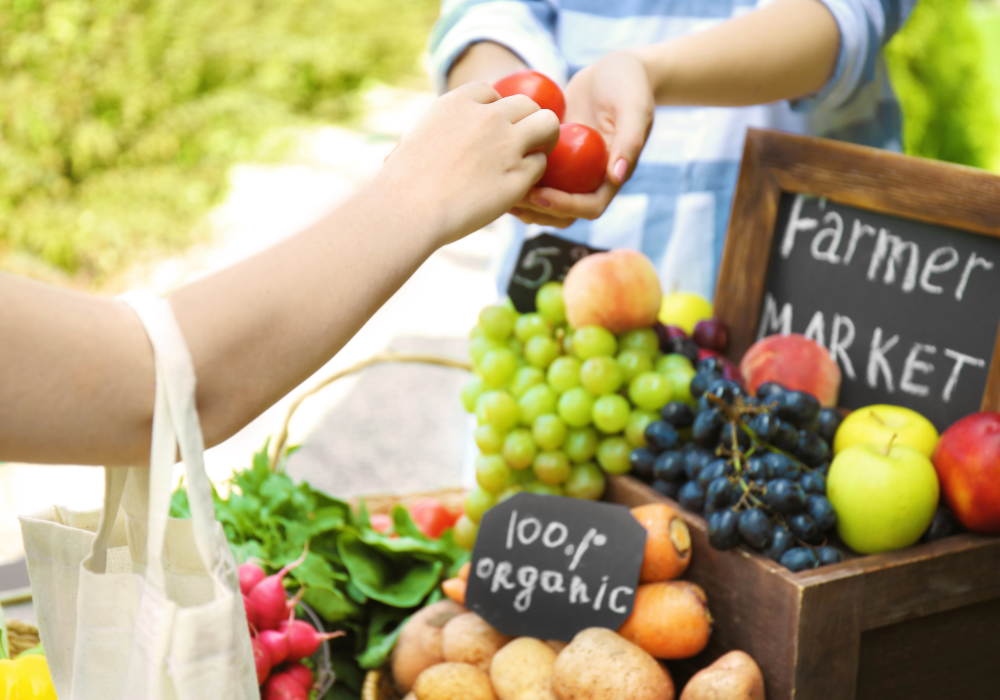
You’re Spending Extra on Organic—But These 10 Organic Facts Could Change Your Mind

It’s not as simple as “organic good, conventional bad,” and the details matter more than you think.

©Image license via Canva

For a long time, “organic” felt like the gold standard—healthier, greener, more ethical. If it had that label, it had to be better, right? But dig a little deeper and the picture gets a lot murkier. While organic farming avoids synthetic pesticides and fertilizers, that doesn’t automatically make it the most sustainable option. In some cases, organic methods require more land, use more water, or even produce more greenhouse gas emissions per crop.

And let’s not forget the supply chain. Many organic foods are flown in from across the world, wrapped in plastic, or produced under murky labor practices. None of that shows up on the sticker. This isn’t about calling organic a scam—it’s about realizing it’s not a free pass. Sustainability depends on the full picture: how food is grown, where it comes from, and how much we waste. Labels help—but they don’t tell the whole story.

Read more

The Myth of Ethical Eating—11 Reasons No Choice Is Perfect

Every bite you take comes with a cost someone else has to pay.

©Image license via Canva

You’ve probably tried to eat “better” at some point—local, organic, vegan, cruelty-free, fair trade. It feels good, right? Like you’re finally making choices that align with your values. But here’s the uncomfortable truth: there’s no such thing as a perfect plate. Behind every label, every swap, every so-called conscious decision is a mess of contradictions, trade-offs, and unseen consequences. That almond milk? Water-intensive. Those avocados? Often tied to cartel violence. The local beef? Still contributing to emissions.

It’s not about giving up or feeling guilty every time you eat—it’s about getting real. The food system is global, complex, and deeply flawed. No matter what you choose, someone or something is paying a price. So instead of chasing purity, maybe it’s time to question the system itself. Because the truth is, “ethical eating” isn’t a destination—it’s a constant, messy negotiation.

Read more

10 Hidden Forces That Make Sustainable Living Harder Than It Should Be

The struggle isn’t in your effort—it’s baked into the system.

©Image license via Canva

Trying to live sustainably feels like running up a down escalator. You’re making changes, cutting waste, and doing your part, but somehow it still feels exhausting. That’s not a failure on your end—it’s the system working exactly as designed. Convenience culture, corporate greed, and infrastructure gaps quietly push against every eco-friendly choice you try to make.

Even when your intentions are solid, you’re forced to navigate confusing labels, limited access, and greenwashed products that don’t live up to the hype. It’s frustrating because it shouldn’t be this hard. Small, sustainable choices are treated like special exceptions instead of basic standards. The more you see these forces at work, the easier it becomes to step around them—or push back altogether. This isn’t about blaming yourself for the struggle. It’s about naming what’s really making sustainability feel so much harder than it needs to be.

Read more

You’re Paying Extra for Nothing—12 Times Packaging Drives the Price Up

The prettier it looks, the more they know they can charge you.

©Image license via Canva

Packaging doesn’t just hold the product—it sells it. Slick boxes, matte finishes, custom seals, layered wraps. These things don’t improve quality, but they do justify a higher price tag. Companies know it. Shoppers feel it. But most of the time, we accept it because it feels normal. That extra polish gives the illusion of luxury, safety, or sustainability—even when there’s nothing new inside.

It’s not just about aesthetics, either. Packaging plays on emotion, status, even guilt. Is it organic? Eco-friendly? “Curated”? Once the label sounds elevated, so does the price. And that means we’re often spending more for the packaging than the actual product. When companies know we’ll pay for image over substance, they lean into it hard. These are the spots where flashy packaging quietly inflates the cost—without giving you anything extra in return.

Read more

14 Sustainable Swaps for Grocery Shopping You’ll Actually Stick With

Better choices at the store don’t have to mean extra hassle.

©Image license via Canva

Sustainable grocery shopping has a reputation for being complicated, expensive, and honestly, a little exhausting. There’s pressure to overhaul your entire routine, memorize endless packaging symbols, and spend twice as much for “eco-friendly” labels that aren’t always clear. No wonder it feels easier to give up before you even start. But the truth is, small changes make a real difference—and they’re a lot easier to stick with than you think.

This isn’t about perfection. It’s about everyday choices that lower your footprint without making grocery runs a headache. Simple swaps, from packaging to produce picks, can quickly become second nature. Over time, they add up to meaningful impact without draining your energy or your budget. These are the swaps you’ll actually want to keep around, because they fit real life—not just a wish list of good intentions.

Read more

Not All Climate Solutions Are Complicated—Here Are 10 That Are Shockingly Simple

The path forward isn’t as complicated as we’ve been led to believe.

©Image license via Canva

When it comes to climate solutions, the noise can get overwhelming fast. Headlines scream about collapsing ecosystems and broken policies, leaving many people feeling like action is out of reach. It’s easy to assume only massive, technical fixes can make a difference, while everyday choices barely register. But that’s not the full story. Some solutions are surprisingly within reach—and they’re simpler than you’ve been led to believe.

This isn’t about false hope or oversimplification. Big systems need big changes, but these small, clear steps matter too. They chip away at the problem, build momentum, and give people a way to participate in the solutions instead of feeling powerless. If you’ve ever felt like you’re too small to make a dent, these 10 simple climate solutions will change your mind. No advanced degree required—just a willingness to act, right where you are.

Read more