12 DIY Renewable Energy Projects You Can Build at Home

You don’t need to be an engineer to build these genius renewable energy solutions.
Man examining DIY project. ©Image license via Canva

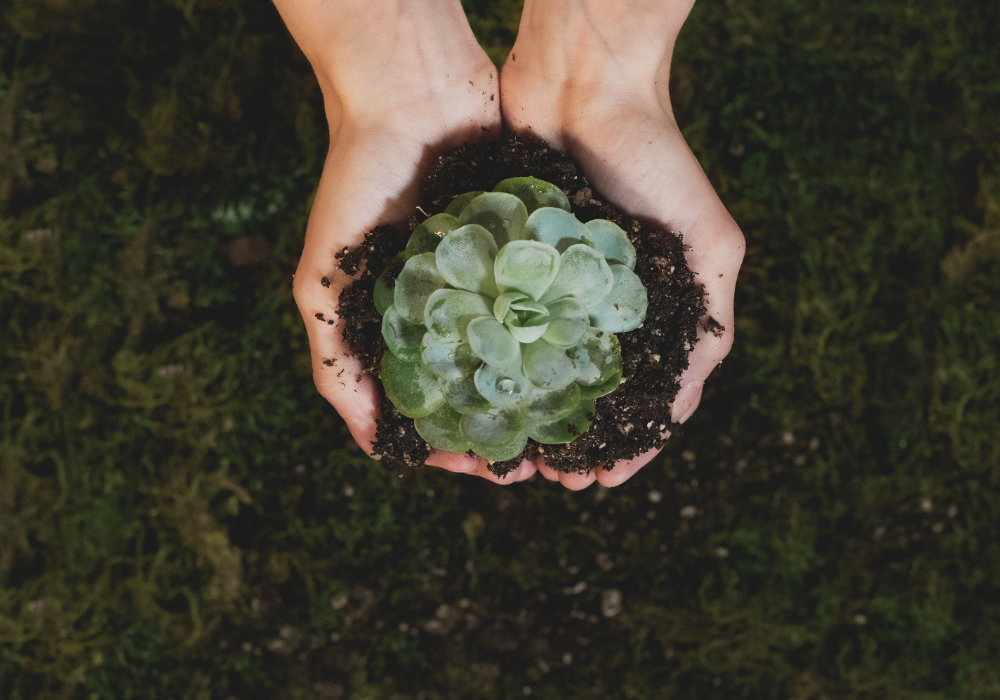
You don’t need a huge budget, a degree in engineering, or a team of contractors to start generating your own clean energy. In fact, you can turn your backyard, garage, or even your windowsill into a mini renewable power station with just a few smart DIY moves. Solar, wind, hydro—you name it, there’s probably a version you can build yourself with basic tools and a little patience.

And no, this isn’t about living off the grid in a cabin (unless you’re into that). It’s about reducing your utility bills, learning something cool, and having more control over where your energy comes from.

Plus, these projects are surprisingly fun—especially when you get the family involved. So if you’re ready to turn sunlight, wind, or even kitchen scraps into power, these DIY renewable energy ideas are the perfect place to start.


Read more

Why I Gave Up Recycling (And Maybe You Should Too)

Turns out, tossing everything in the blue bin might be doing more harm than good.

©Image license via Canva

I used to rinse every yogurt cup, break down every box, and sort plastics like it was my part-time job. Recycling felt like the least I could do to help the planet. But the more I learned, the less sense it made. So much of what we toss in the bin never actually gets recycled—it ends up in landfills, incinerators, or shipped across the world.

The system is broken, confusing, and often more about making us feel good than making a difference. Giving it up felt weird at first, but it’s been eye-opening. If you’ve ever wondered whether your efforts are worth it, you’re not alone. What you’ll discover might just change the way you think about “going green.”

Read more

10 Chores That Got More Expensive Without Getting Any Easier

Modern life promised convenience—these chores prove it’s still a lie.

©Image license via Canva

Remember when we thought the future would mean robot maids, instant dinners, and magical self-cleaning everything? Instead, we got pricier products, subscription services, and “smart” gadgets that claim to make life easier—yet somehow, your to-do list has only grown longer. Chores were never fun, but at least they didn’t cost a small fortune just to keep things semi-decent. Now, every sweep, scrub, and fold feels like a mini financial crisis and still leaves you sweaty and annoyed.

Despite all the fancy marketing, you’re still scrubbing toilets on Saturday and cursing your laundry pile on Sunday. If it feels like you’re paying more than ever to do the same old exhausting tasks, you’re definitely not alone. Here’s a look at 10 everyday chores that have somehow managed to get more expensive without getting even a tiny bit easier. Welcome to the “convenient” future.

Read more

You Don’t Need to Be Perfect—Just Avoid These 10 Daily Sustainability Mistakes

Small changes matter more than obsessing over zero waste perfection.

©Image license via Canva

Sustainable living shouldn’t feel like an endless list of rules designed to make you feel guilty. Forget the all-or-nothing mindset—small, smart changes are what actually make a difference. Trying to be perfect is a fast track to burnout and frustration, and no one needs more of that. The real impact comes from tackling those sneaky, everyday habits that quietly harm the planet way more than you think.

You don’t need to churn your own butter or turn your backyard into a microfarm to do your part. Start by fixing a few simple mistakes, and you’ll be surprised at how much lighter, cheaper, and more satisfying your life feels. Tiny tweaks can add up to massive results, and you might even inspire the people around you without even trying. It’s all about progress, not perfection, and that’s a goal anyone can get behind.

Read more

You’re Not Too Old for Change—These 11 Low-Effort Swaps Make a Big Impact

Sustainability doesn’t have an age limit and it doesn’t need to feel overwhelming.

©Image license via Canva

Change can look like a young person’s game—endless mason jars, sleek metal straws, and TikTok “trash jars” that show a year’s waste in a single jar. But here’s the truth: you don’t need to become a zero-waste superhero overnight to make a real impact. Small, practical swaps aren’t about perfection. They’re about progress—and they’re for everyone, no matter your age or how set you feel in your ways.

Even tiny shifts ripple out in ways you might not expect. You don’t have to compost every scrap or bike across the country to prove you care. These swaps are low-effort, realistic, and don’t demand you sacrifice comfort. If you’ve been telling yourself it’s “too late” to get started, consider this your nudge. Your habits matter more than you think, and these 11 changes show it’s never too late to make a big difference with surprisingly little effort.

Read more

You Think These 11 “Clean” Items Are Safe—but They’re Actually Loaded with Microplastics

They look spotless, but they’re quietly adding plastic to your life with every use.

©Image license via Canva

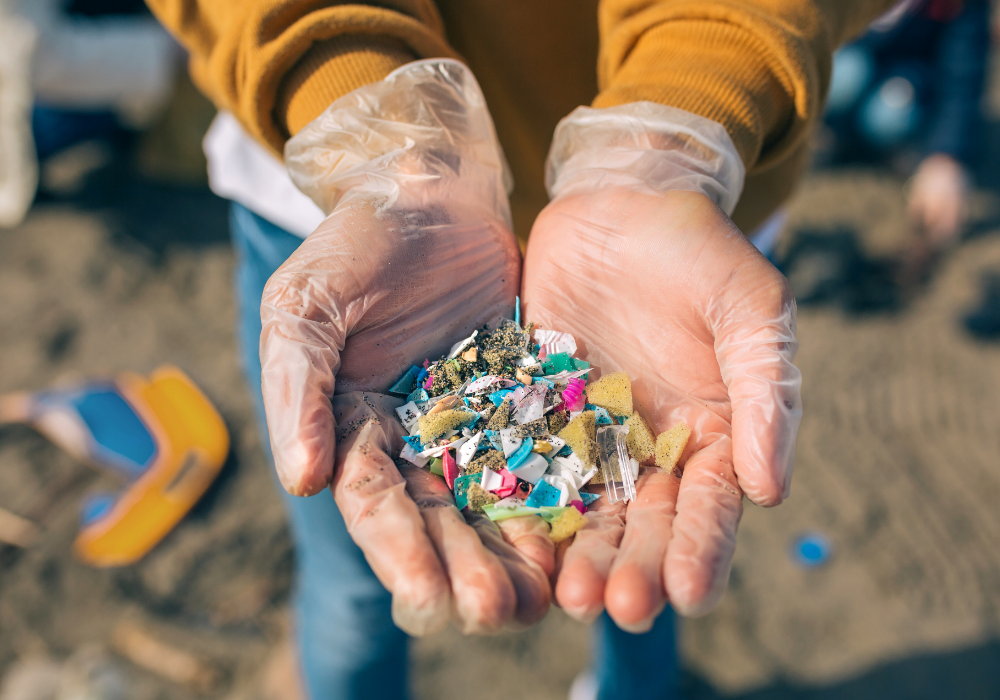
When you think of something “clean,” you probably imagine sparkling counters, fresh laundry, or a squeaky shower floor. But here’s the twist: many of those so-called pristine things are secretly leaving microplastic residue everywhere—on your skin, in your lungs, and even in your food. Microplastics aren’t just floating in the ocean; they’re woven into our daily lives in ways most people never even consider.

You don’t have to be a scientist to realize this is a problem. Tiny plastic particles break off from everyday “clean” products and enter your body without an invitation. Once you see how many hidden sources are around you, it’s hard to unsee. Knowing is half the battle. You can start making small swaps that reduce exposure without flipping your whole life upside down.

Read more

The Battery Is Charged, But These 11 Devices Keep Pulling Power Anyway

Even when they’re “off,” these gadgets quietly keep the meter spinning.

©Image license via Canva

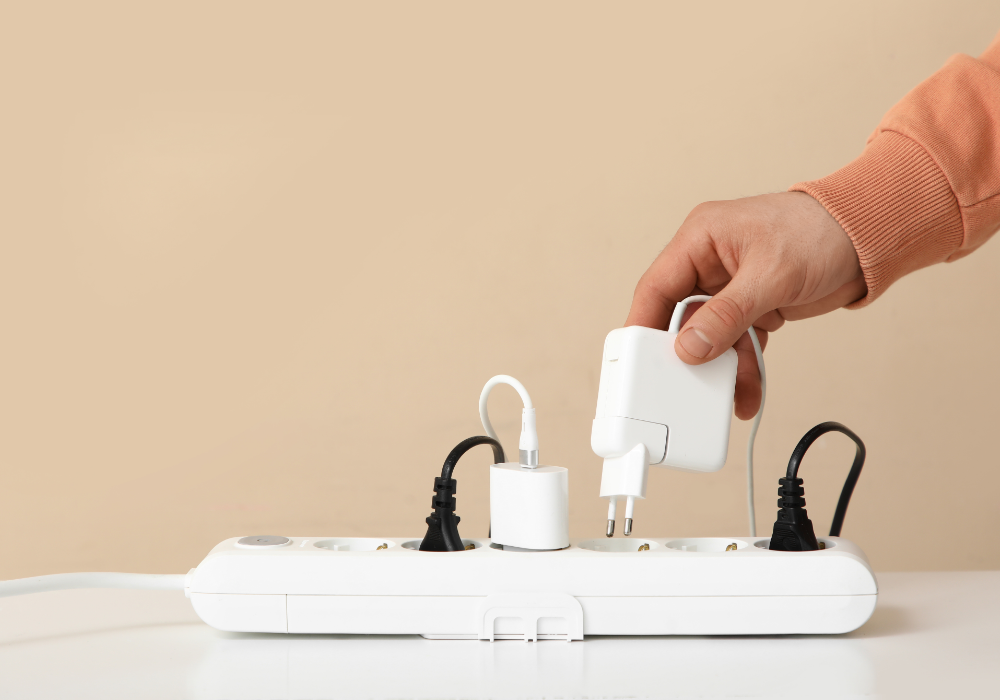
You unplugged your phone, switched off the TV, and figured you were done saving energy for the day. But surprise—many of your gadgets are still quietly slurping electricity behind your back. This sneaky energy drain is called “phantom load” or “vampire energy,” and it can account for up to 10% of your home’s total electricity use without you even realizing it.

These devices stay “half awake” to power displays, run clocks, or stay ready for instant start-up. Individually, the pull seems tiny, but stack them together and you’re paying real money for power you never actually use. Even that phone charger you thought was harmless might be quietly adding dollars to your bill every single month. Once you know what to look for, it’s surprisingly easy to stop the waste. Small habit changes today can lead to serious savings and a lighter environmental impact tomorrow.

Read more

Batteries, Blades, and Bottles—12 Tools That Should Last Longer Than They Do

Companies don’t profit when your stuff lasts, so they make sure it doesn’t.

©Image license via Canva

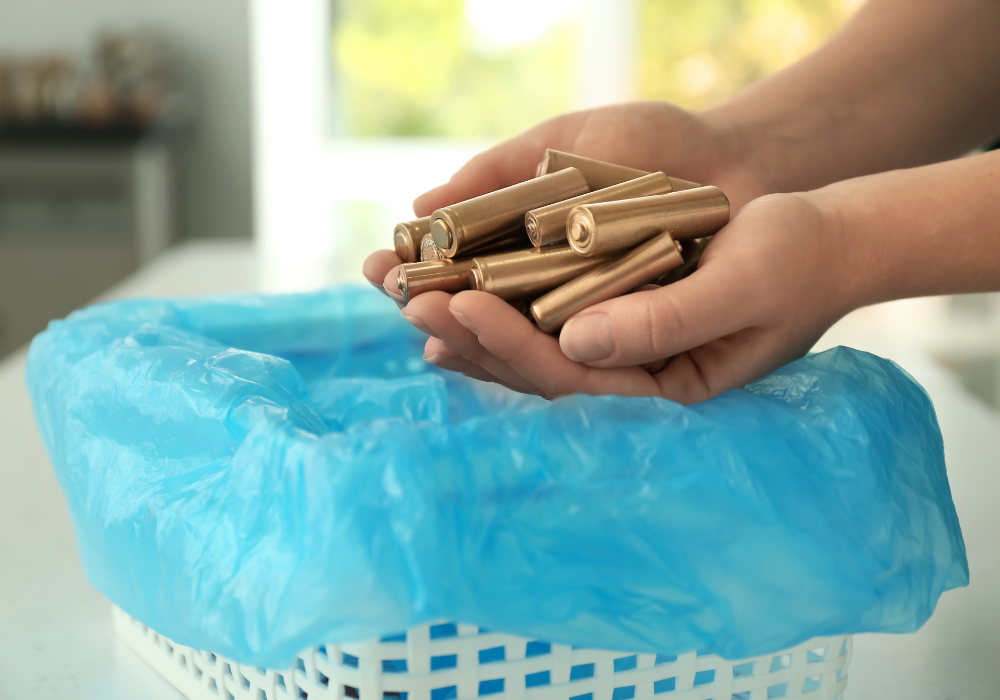
It’s easy to blame yourself when tools break: “I dropped it,” “I must’ve overused it,” “Maybe I didn’t store it right.” But often, the problem isn’t you—it’s the way these products are intentionally designed to fail. Planned obsolescence keeps the replacement cycle spinning, ensuring companies get repeat sales while your wallet takes the hit.

These aren’t complicated gadgets with fragile parts. We’re talking about everyday tools—things that should last for years but rarely do. Manufacturers cut corners, use cheaper materials, and build just enough durability to get past the return window. Meanwhile, marketing convinces everyone that buying the latest model is normal. Real durability doesn’t sell as many units, so companies quietly engineer tools to wear out faster than they should. The sooner things break, the sooner you’re back in the store.

Read more

12 Pet Products That Seem Harmless But Create Massive Waste

Companies cash in on your love for pets while the planet pays the price.

©Image license via Canva

It feels good to spoil pets. A new squeaky toy, a cozy bed, maybe a cute outfit for the holidays—it’s part of how people show love to their furry companions. But behind all those small, seemingly harmless purchases is a hidden environmental cost that adds up fast. The pet industry thrives on constant consumption, churning out cheap, disposable products designed to wear out quickly and keep you buying more.

From plastic-packed treats to single-use grooming supplies, many of these items quietly contribute to growing landfills, plastic pollution, and unnecessary resource depletion. Most pet owners aren’t thinking about waste when buying a new chew toy or treat bag—but manufacturers certainly aren’t helping. As long as there’s profit in pushing constant upgrades, the cycle continues. The problem isn’t loving pets—it’s how that love is being exploited to drive endless consumption.

Read more

12 Everyday Ways Traditional Cultures Stay Sustainable Without Even Trying

These time-tested habits put modern sustainability to shame.

©Image license via Canva

We act like sustainable living is some new, cutting-edge thing—solar panels, bamboo everything, and TikToks about reusing oat milk jars. But long before eco-friendly was a buzzword, traditional cultures around the world were living in deep, practical harmony with the planet. Not for likes. Not for branding. Just because it made sense. They used what they had, wasted very little, and stayed rooted in systems that actually worked—for both people and the environment.

What’s wild is how modern life treats these habits like revolutionary ideas, when in reality, they’re old truths we walked away from. We traded simplicity for convenience, and now we’re drowning in stuff and scrambling to reverse the damage. But we don’t have to reinvent the wheel. The wisdom is still out there—in villages, tribes, and rural communities that never stopped living with care. It’s not about going backward. It’s about remembering what we forgot.

Read more