12 Yard Hazards That Could Burn Your Home to the Ground

From stacked firewood to dry leaves, small choices in your yard can create big dangers when flames spread.

©Image license via Canva

Wildfires don’t just threaten forests—they can put your home at risk, too. The truth is, many everyday things sitting in your yard can act like fuel when flames get close. From certain plants to piles of debris, what seems harmless can actually make a fire spread faster. Knowing what to look out for is the first step. With a little yard work and smarter landscaping, you can cut wildfire risk and give your home a much better chance of staying safe.


Read more

10 Simple Ways to Shop Online Without Harming the Planet

From shipping choices to packaging swaps, small changes in how you shop online can make a big climate difference.

©Image license via Canva

Your online shopping addiction is quietly fueling an environmental disaster, but it doesn’t have to stay that way. Every click, purchase, and delivery contributes to carbon emissions, packaging waste, and resource depletion that’s accelerating climate change at breakneck speed.

The convenience of having everything delivered to your doorstep comes with a hidden cost that the planet can’t afford to keep paying. The good news is that small changes in how you shop online can dramatically reduce your environmental impact without sacrificing convenience or breaking your budget.

Read more

13 Home Changes That Cut Carbon Emissions and Lower Your Bills

These simple household adjustments reduce energy consumption, waste, and monthly utility costs while helping fight climate change.

©Image license via Canva

Making your home more eco-friendly doesn’t require expensive renovations or major lifestyle changes. Simple adjustments to how you use energy, water, and everyday products can significantly reduce your carbon footprint while putting money back in your pocket.

These practical changes typically pay for themselves within months through lower utility bills, making them smart financial moves that also help the planet. From switching light bulbs to adjusting your thermostat, these proven strategies can cut your home’s carbon emissions by 20-30% while saving hundreds of dollars annually on energy costs.

Read more

What Happens When an Entire Community Grows Everything They Eat

How one village ditched grocery stores, reduced food costs by 80%, and created a sustainable farming revolution.

©Image license via Canva

Imagine never worrying about rising grocery prices, empty shelves, or whether your food is fresh and healthy. In a small village nestled in the mountains of northern Spain, this isn’t a fantasy—it’s daily life. The 300 residents of Marinaleda have created something extraordinary: a completely self-sufficient food system where every meal comes from their own soil.

Through innovative community farming, cooperative gardens, and neighbor-to-neighbor sharing, they’ve eliminated food insecurity while building stronger social bonds. Their remarkable transformation offers a glimpse into how communities everywhere might reimagine their relationship with food.

Read more

These 11 Household Items Can Be Reused in Genius Ways—You’re Just Not Doing It Yet

You’ve been wasting money by not reusing these common household items.

©Image license via Shutterstock

You’re probably throwing away stuff that could actually be saving you time, money, and a whole lot of hassle. Seriously—some of the most boring, everyday items in your house have shockingly clever uses you’ve never even considered. It’s not about turning into a hoarder or crafting a spaceship out of paper towel rolls. It’s about seeing potential where you used to see junk.

Once you realize how versatile some of these items really are, you’ll start looking at your trash can a little differently. You don’t need to buy fancy gadgets or new organizing tools—chances are, the solution is already sitting in a drawer. Ready to find out what you’ve been wasting without even knowing it? You might just be amazed.

Read more

10 Surprising Ways People 3,000 Years Ago Were More Sustainable Than We Are Today

Their low-tech, low-impact lifestyles could teach us more than all our modern green gadgets.

©Image license via Flickr

When we think of sustainability, we often picture futuristic solutions—solar panels, electric vehicles, smart homes. But thousands of years ago, long before carbon footprints and climate conferences, ancient civilizations were quietly mastering the art of living in harmony with nature.

Without modern tech or climate data, they built homes that stayed cool without air conditioning, farmed without synthetic chemicals, and reused nearly everything. They didn’t do it to be trendy—they did it to survive. And it worked.

As we scramble today to undo centuries of environmental damage, their wisdom feels more relevant than ever. These surprising habits from people who lived 3,000 years ago show us that living sustainably isn’t new—it’s something humanity once knew how to do instinctively.

Read more

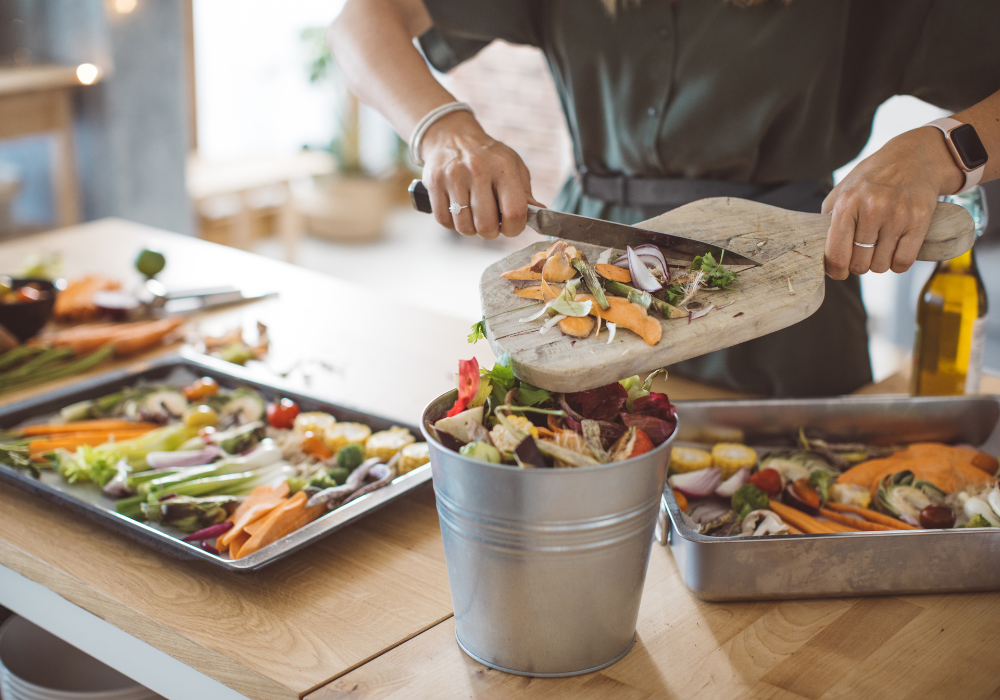
These 12 Genius Kitchen Hacks Will Help You Use Every Last Bite of Your Meals

Say goodbye to spoiled produce and forgotten leftovers with these smart kitchen tips.

©Image license via Canva

If you’ve ever tossed wilted herbs, crusty leftovers, or forgotten produce into the trash, you’re not alone. But that waste adds up—Americans throw away over 30% of the food they buy. The good news? A few clever kitchen habits can rescue your scraps, stretch your groceries, and slash your trash output.

These aren’t complicated, chef-level techniques either—they’re simple, practical hacks that anyone can start using today. From saving flavor-packed veggie ends to rethinking how you store perishables, you’ll be surprised how many overlooked bits can become delicious meals. Your wallet will thank you, your fridge will stay cleaner, and the planet will benefit too.

Read more

9 Ways to Keep Your Home Cool Without Cranking Up the Air‑Conditioner

Your electric bill doesn’t have to skyrocket just to beat the summer heat.

©Image license via Canva

Record-shattering heat waves have gripped much of the U.S. this summer, with temperatures topping 100°F and dangerous heat dome conditions affecting over 100 million people. Moody nights above 75°F offer no respite, straining both bodies and power grids. With energy bills projected to soar—averaging nearly $784 this season—air conditioning isn’t just expensive, it’s often unsustainable.

But staying cool doesn’t require blasting AC all day. By combining low-tech methods—from smart ventilation to heat-blocking barriers—you can dramatically reduce indoor temperatures, cut costs, and find relief during extreme heat. These nine smart strategies use airflow, shading, body cooling, and efficient household habits so you can stay comfortable without overworking your system or wallet.

Read more

10 Artists Turning Trash Into Stunning Works of Environmental Art

Meet the visionaries using garbage to spark conversation and reimagine sustainability.

©Image license via Flickr

As the planet grapples with a growing waste crisis, a bold movement in the art world is turning discarded debris into creative protest. From ocean plastic and industrial scrap to e-waste and food packaging, artists are reclaiming what society throws away and transforming it into arresting works that challenge how we see the environment—and ourselves. These creators aren’t just making art; they’re raising awareness about consumption, pollution, and the consequences of throwaway culture.

Their works straddle the line between beauty and discomfort, forcing viewers to reckon with the materials we mindlessly discard. This fusion of environmentalism and artistry is reshaping both the gallery and the conversation, proving that even the ugliest remnants of human waste can become powerful, transformative symbols in the hands of visionaries who refuse to look away.

Read more

Unlearn These 11 Kitchen Habits If You Want to Eat Sustainably

Even eco-conscious foodies are guilty of these everyday kitchen mistakes.

Woman eating healthy foods. ©Image license via Canva

You might think you’re doing your part—buying organic, skipping meat now and then, maybe even composting. But sustainable eating doesn’t stop at what you buy. It sneaks into how you cook, store, prep, and clean up in the kitchen.

And chances are, you’ve picked up some habits over the years that clash with your eco-friendly goals without you even realizing it. Don’t beat yourself up—most of us learned to cook long before sustainability was part of the conversation.

But if you’re serious about shrinking your food waste, cutting energy use, and making better choices for the planet, it’s time to unlearn a few things. The good news? You don’t have to overhaul your life. These small kitchen shifts add up fast—and your meals won’t suffer in the process. In fact, they might even get better.

Read more