How to Be Ready for Anything Without Becoming a Doomsday Prepper

You don’t have to go full survivalist to be prepared for life’s unexpected challenges.

©Image license via Canva

Being prepared doesn’t mean digging a bunker in the backyard or stockpiling enough canned beans to last a decade. Life is unpredictable—power outages, extreme weather, car trouble, financial setbacks, or even a simple grocery store shortage can throw things off balance. The good news? You don’t need to go into full-on survivalist mode to be ready. A few smart, practical steps can keep you covered without turning your home into an apocalypse warehouse.

Preparedness isn’t about paranoia—it’s about confidence. Knowing you have the right supplies, skills, and plans in place allows you to handle emergencies without stress. A backup power source, a stocked pantry, or basic first aid knowledge can turn a potential disaster into a minor inconvenience.

You don’t need camouflage gear and underground bunkers to be ready for life’s surprises. These 12 realistic, everyday strategies will help you prepare for anything—without looking like you just stepped out of a doomsday prepper reality show.

Read more

Why These 11 Popular Purchases Get Called “Trash With a Price Tag”

Companies keep selling them because shoppers can’t stop falling for the hype.

©Image license via Canva

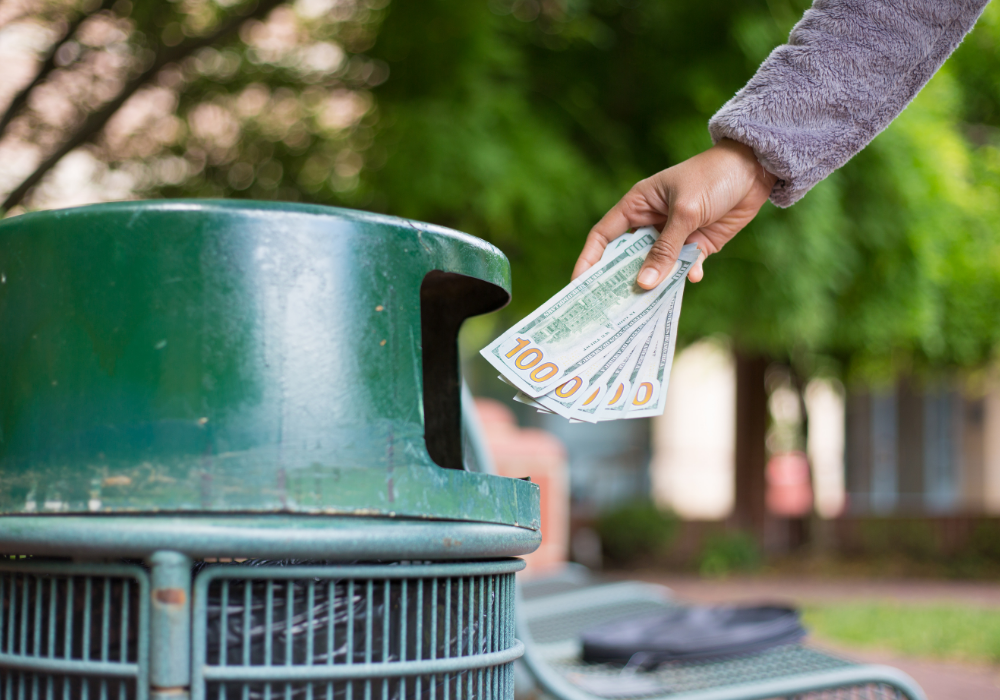
Some purchases just make sense—groceries, soap, maybe that one pair of jeans that fits like a dream. But then there’s the other stuff. The “why did I buy this?” stuff. The overpriced gadgets, trendy impulse buys, and plastic-filled nonsense that looks useful for five minutes… until it breaks, gets lost, or sits in a drawer collecting dust. These products are everywhere, designed to feel essential but built to fall apart—physically or financially.

It’s not just about wasting money. It’s about getting played. Clever packaging, influencer hype, and that sweet illusion of convenience all team up to push junk into carts. And once it’s bought, it usually ends up in the trash—sometimes literally, sometimes just spiritually. The cycle keeps going because it’s profitable. But it doesn’t have to. Some of the worst offenders are hiding in plain sight, and dropping them could be the easiest upgrade to everyday life.

Read more

These Everyday Habits Are More Wasteful Than Most People Realize

Simple behaviors most people overlook may be contributing more to waste than expected.

©Image license via Canva

Most people don’t think of themselves as wasteful. You recycle, bring your own bag to the store, and maybe even avoid single-use plastics. But waste doesn’t just come from obvious things like plastic straws or fast fashion—it hides in everyday habits that seem harmless but add up over time.

From energy use to food waste, these small, unnoticed behaviors contribute to environmental damage in ways most people never realize. The good news? Once you know where waste is sneaking into your life, it’s easy to cut back without making huge sacrifices. Here are 11 ways you might be wasting more than you think—and simple fixes that make a real difference.

Read more

These Items are the Most Difficult for Waste Management to Recycle

Tired of guessing what goes where? This guide takes the confusion out of eco-friendly disposal.

©Image license via Canva

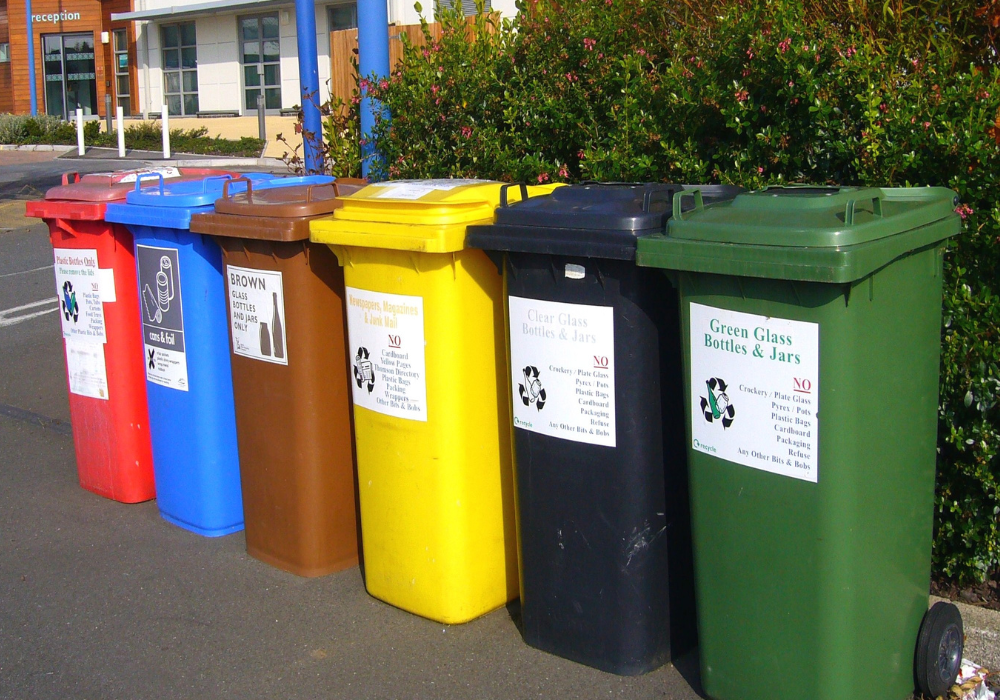
Tossing something in the recycling bin feels like a win—but not all items belong there, even if they seem recyclable. Some of the most common household goods—like paint cans, old electronics, and even juice boxes—are actually major recycling headaches.

When disposed of improperly, they can contaminate recyclables, break sorting machines, or release harmful chemicals into the environment. But that doesn’t mean they’re hopeless cases.

Read more

Why Past Generations Lived in Ways That Were Often More Sustainable

How frugality and necessity shaped lower-impact daily living.

©Image license via Canva

Long before single-use everything took over, people lived in ways that naturally aligned with what we now call sustainability. They weren’t trying to be eco-friendly—they just made do with what they had, wasted as little as possible, and stretched every resource out of necessity.

The habits that once seemed ordinary now feel radical in today’s throwaway culture. Fixing things instead of tossing them, growing food close to home, and reusing materials in creative ways weren’t environmental statements—they were just common sense. But as climate concerns grow, these old-school practices are making a comeback.

Looking back at how past generations lived gives us a clear, no-nonsense blueprint for reducing waste and living more sustainably—without waiting on new technology or complicated solutions.

Click through to learn how past generations lived sustainably by necessity.

Read more

You’re Throwing These Everyday Items Away — But They Can Be Used Again and Again

You’re tossing out things that could save money—and the planet.

©Image license via Canva

Single-use culture doesn’t just cost the Earth—it chips away at your budget, too. Most people throw away items that still have life in them, not out of laziness, but because we’ve been taught convenience matters more than durability. But hidden in that trash pile are things that could’ve been reused, repurposed, or refilled with barely any effort.

This isn’t about becoming perfectly zero-waste overnight. It’s about noticing the waste stream at its source—and shifting a few habits to break the cycle. The less you toss, the less you buy. And the less you buy, the less you contribute to the endless churn of resource extraction, packaging, and pollution. These ten throwaways have far more potential than we give them credit for. And in a world drowning in disposables, reusing is one of the most powerful quiet protests you can make.

Read more

Firefighters Warn Never Plug This Into a Power Strip: It’s a Major Fire Risk

Firefighters say one simple power strip mistake is causing thousands of preventable home fires.

©Image license via Canva

Firefighters say many house fires start with one simple mistake: plugging the wrong device into a power strip. While power strips are convenient, they aren’t designed to handle high-wattage appliances or devices that draw continuous heat. Overloading them can cause melting, sparks, or full electrical fires within minutes. Fire departments across the U.S. warn that certain electronics—especially heat-producing ones—should always be plugged directly into a wall outlet. Knowing what to avoid can help prevent one of the most common home fire hazards.

Read more

They’ve Been Called Crazy for Years—But Were the Doomsday Preppers Right All Along?

©Image license via Canva

For decades, doomsday preppers were viewed as fringe survivalists—people stockpiling food, building bunkers, and expecting catastrophe. But the past few years have changed that perception. Between the pandemic, extreme weather, cyberattacks, and rising geopolitical instability, preparedness no longer seems outlandish. According to FEMA, more than 60% of Americans now keep at least some emergency supplies on hand, a number that continues to rise. Whether driven by caution or practicality, modern prepping reflects a growing realization that global systems—from power grids to food chains—are more fragile than most people once believed.

Read more

Recycled Glass Could Be the Surprising Answer to Vanishing Beaches

A simple recycling solution could help restore beaches threatened by rising seas and stronger storms.

©Image license via Canva

Coastal erosion poses significant threats to ecosystems and communities worldwide, prompting the search for sustainable solutions. Recycled glass emerges as a promising material, combining durability and environmental benefits to help stabilize shorelines. By repurposing waste glass, this approach reduces landfill burden and conserves natural resources while supporting marine habitats. Experts from NOAA and the USGS recognize recycled glass as a practical component in innovative erosion control methods.

Read more

12 Things Missing From Your Car That Could Leave You Stranded

A sudden storm or breakdown can turn dangerous fast—experts say these essentials could make all the difference.

©Image license via Canva

Being caught in a weather emergency while driving can be stressful and dangerous without the right supplies. Equipping a car with essential emergency items improves safety and comfort during unexpected situations. Experts from the FTC, NHTSA, CPSC, and FEMA recommend carrying a well-rounded kit that includes tools for visibility, warmth, communication, and basic repairs. Proper preparation ensures drivers can respond effectively to various weather-related challenges on the road.

Read more