Why the Future of Human Evolution Is Far More Unpredictable Than You Think

New research shows why predicting the future of humanity is far more complicated than it seems.
©Image license via Canva

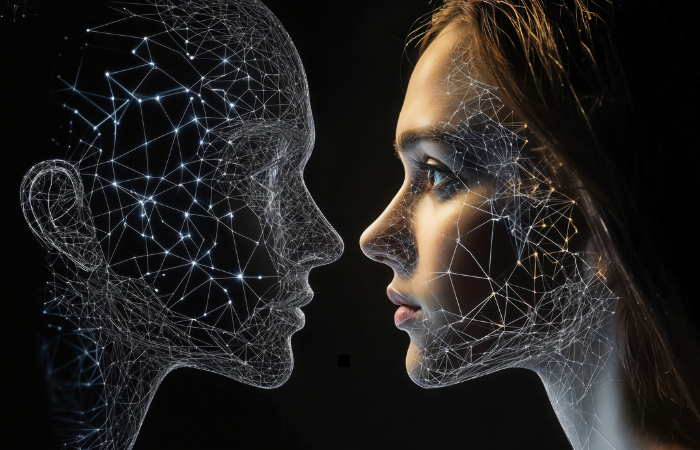
Scientists agree that humans are still evolving, but predicting what comes next has become nearly impossible. Modern life has created a mix of powerful forces that shape our future in unpredictable ways, from global travel and technology to shifting environments and medical advances. Researchers say these overlapping factors make it harder than ever to forecast how our species will change. Instead of a clear path forward, human evolution now appears to be a moving target influenced by countless variables.

Read more

Experts Warn the Internet Could Collapse Soon and Millions Aren’t Prepared

Rising risks to global networks have specialists warning the public to prepare for large-scale disruptions.

©Image license via Canva

Experts say growing threats to undersea cables, rising cyberattacks, and the fragility of global internet infrastructure could lead to an outage far larger than anything people are used to. They warn that most individuals and businesses have no real backup plan if major networks fail. Because banking, communication, work systems, and emergency services depend heavily on constant connectivity, even a temporary disruption could have widespread consequences. Officials say preparing now is essential, even though most people assume the internet will always stay online.

Read more

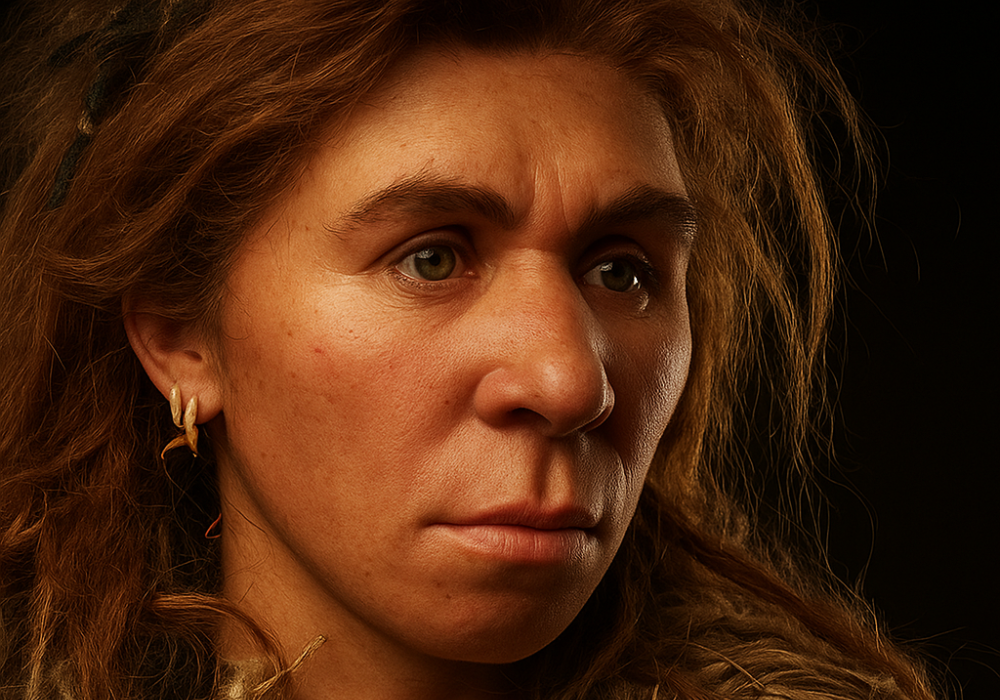
A Newly Decoded Neanderthal Genome Reveals a Lost, Isolated Lineage

A newly sequenced genome reveals a completely isolated Neanderthal population that never mixed with humans or other groups.

©Image license via Flickr/Ryan Somma

Researchers working on the study “Long Genetic and Social Isolation in Neanderthals Before and During Their Extinction,” published in Cell Genomics, have sequenced the genome of a 42,000-year-old Neanderthal whose DNA shows no evidence of interbreeding with modern humans or even with other Neanderthal groups. The individual appears to have belonged to a small, isolated population. The findings offer rare insight into how fragmented Neanderthal communities were near the end of their existence and what that isolation may reveal about their decline.

Read more

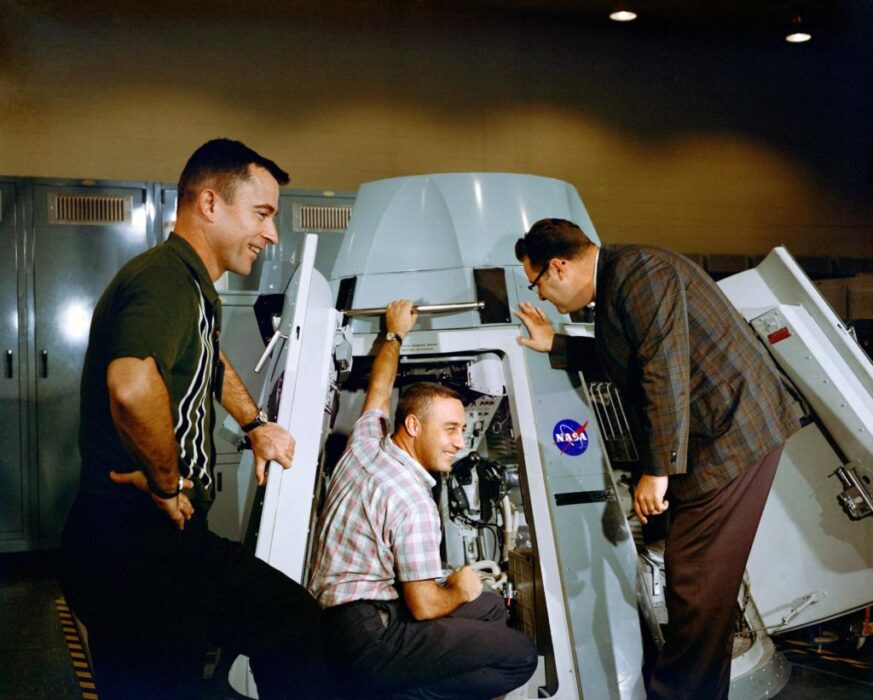
Becoming an Astronaut in the 1960s Was Brutal — Here’s What They Endured

NASA’s earliest astronaut hopefuls faced extreme tests, medical experiments, and psychological trials few people today know about.

©Image license via Picryl

During the height of the Space Race, becoming an astronaut was far more grueling than the glamorous Mercury and Apollo missions made it seem. NASA required candidates to survive punishing physical tests, invasive medical procedures, and psychological evaluations designed to push the limits of human endurance. Many of these trials came from military aviation research and early space-medicine studies, which were still experimental in the late 1950s and 1960s. These intense requirements helped shape the astronauts who carried the United States into orbit and eventually to the Moon.

Read more

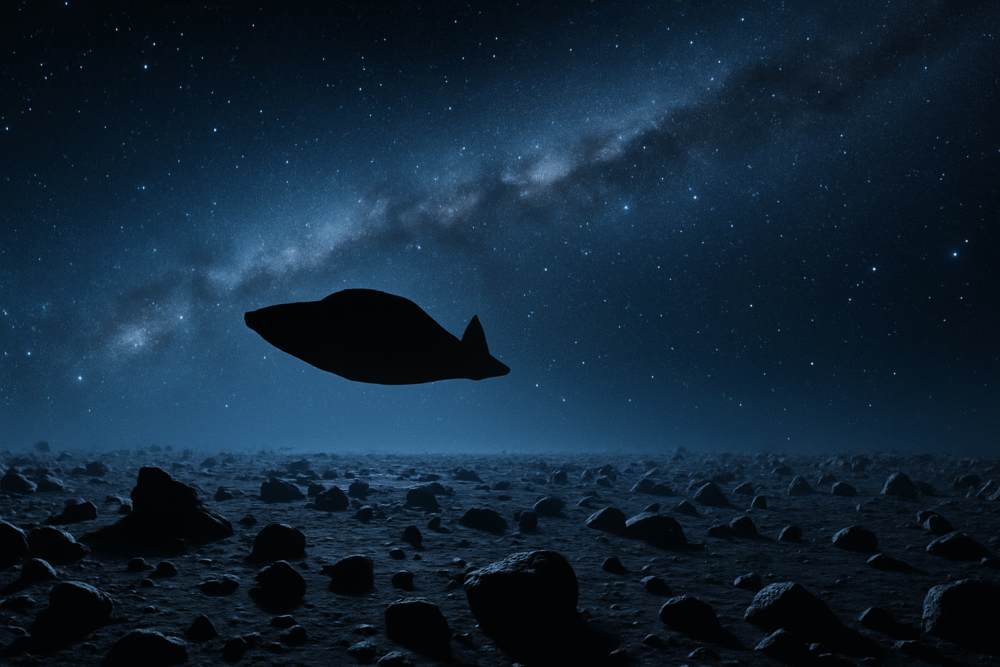
Alien Probes Could Already Be Lurking in Our Solar System — New Study Suggests

Scientists say we may be overlooking hidden alien technology—and they’re proposing where we should search next.

©Image license via Chat GPT

A new scientific paper argues that if extraterrestrial civilizations exist, they may already have sent probes into our solar system—possibly millions of years ago. The study, published in International Journal of Astrobiology, suggests that small, ancient, or inactive probes could be hiding in places we rarely examine, such as the asteroid belt, Lagrange points, or even on the Moon. While there’s no evidence that alien technology is here, researchers say it’s time to start checking these overlooked regions more carefully.

Read more

Researchers May Have Finally Found the Chemical Spark That Kick-Started Life on Earth

A newly identified reaction may reveal how Earth’s earliest molecules joined together long before cells existed.

©Image license via Chat GPT

A breakthrough experiment has given scientists their clearest glimpse yet into how life might have begun on Earth. Researchers have identified a simple chemical reaction—one that occurs naturally in water—that can link amino acids to RNA, two of life’s essential building blocks. The finding suggests early Earth may not have needed complex enzymes or cellular machinery for life to take its first steps. Instead, basic chemistry alone may have sparked the transition from nonliving molecules to the planet’s earliest biological systems.

Read more

Economists Are Warning: The Global Financial System Is Reaching a Breaking Point

From mounting global debt to unstable markets, experts say the world’s financial foundations may be weaker than most people realize.

©Image license via Chat GPT

Economists around the world are growing increasingly uneasy about the state of the global economy. With record-high national debts, rising interest rates, and widening inequality, they warn that the system supporting modern prosperity is showing signs of serious strain. Global supply chains remain fragile, and inflationary pressures continue to test central banks’ limits. While no single factor guarantees collapse, experts caution that today’s interconnected financial web may be one major shock away from an economic reckoning.

Read more

Scientists Say Humans Might Soon Travel Back in Time — and It’s Sooner Than You Think

A futurist suggests humanity may gain years back—effectively moving backwards in time—within just four years.

©Image license via Canva

Prominent futurist Ray Kurzweil claims that by 2029 humans could reach what he calls “longevity escape velocity,” meaning life expectancy increases at a rate faster than aging itself. In this scenario, for every year lived, more than a year could be added—a twist on the idea of going “backwards in time.” While grounded in medical and technological speculation, experts caution this remains a bold projection, with major challenges like global access and disease still standing in the way.

Read more

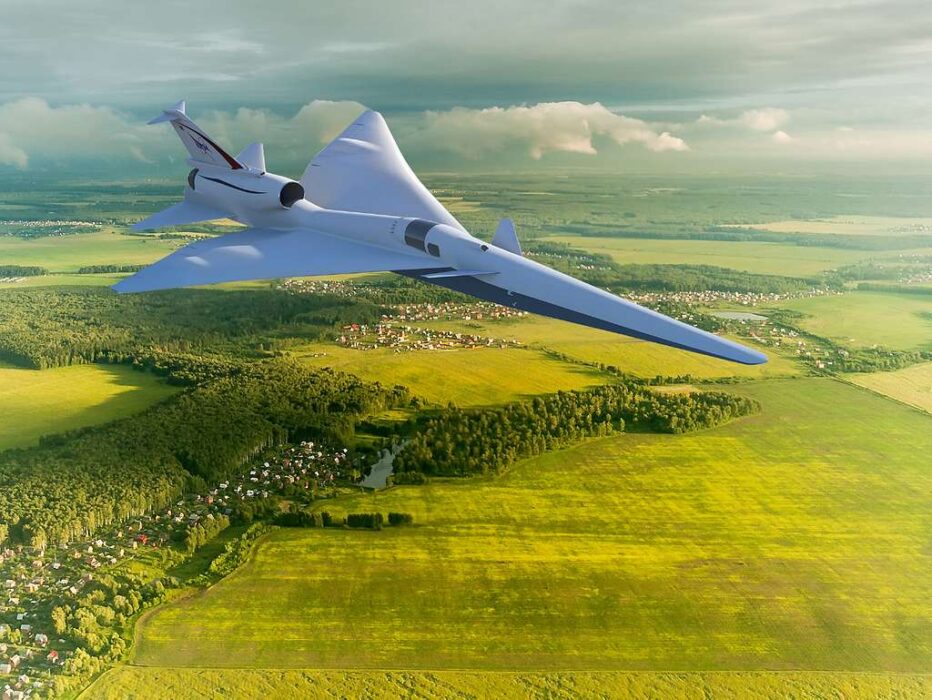
NASA’s Quiet Supersonic Jet Just Took Flight—And It Could Change Air Travel Forever

NASA’s experimental X-59 jet just made history, paving the way for a new era of faster, quieter air travel.

©Image license via Picryl

For the first time, NASA’s groundbreaking X-59 supersonic jet has taken to the skies—quietly rewriting aviation history. The sleek, needle-nosed aircraft is designed to travel faster than sound while dramatically reducing the thunderous “boom” that once made supersonic flight impractical over land. Engineers say this first flight marks a turning point for commercial aviation, one that could make cross-country or transatlantic travel twice as fast as today’s airliners—and nearly as quiet as a typical passenger jet.

Read more

New DNA Study Reveals All Humans Descend from Two Forgotten Populations

Scientists say every living person carries genetic traces from two mysterious ancient groups that shaped humanity itself.

©Image license via Chat GPT

A groundbreaking DNA study from the University of Cambridge has rewritten what we know about human origins. By analyzing genetic material from hundreds of ancient and modern genomes, researchers discovered that everyone alive today descends from just two ancestral populations that once coexisted more than a million years ago. The findings reveal a long-hidden fusion of early human lineages—one in Africa, one beyond—and how their reunion ultimately created us all.

Read more