13 Firm, Calm Replies to Someone Who Tries to Bully You Into Silence

When someone tries to shut you down, these responses keep your power intact.

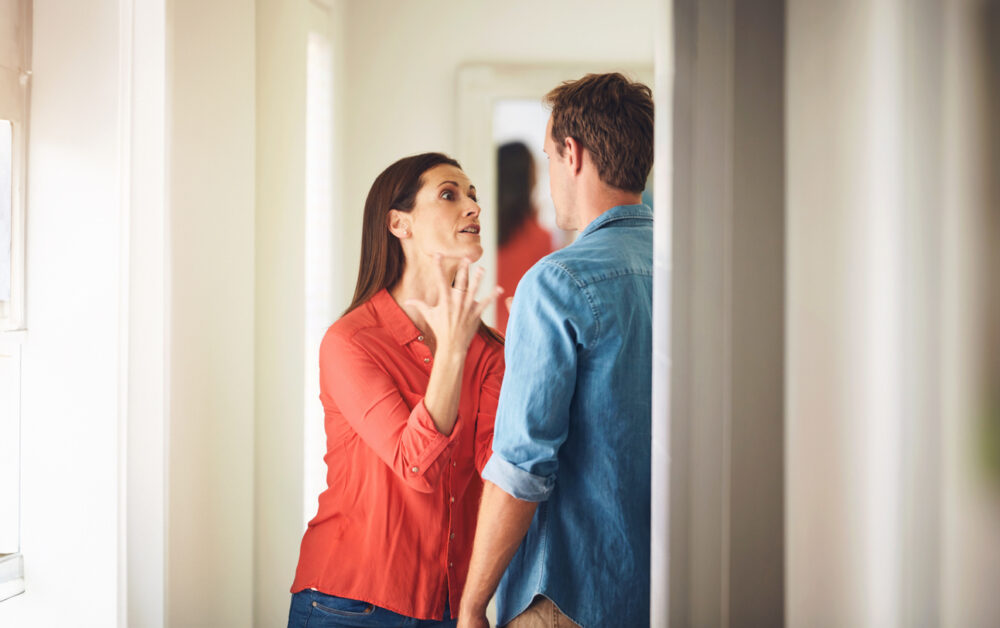
Man arguing with woman. ©Image license via Canva

When someone tries to bully you into silence, it can feel like your voice is being erased right in front of you. Whether it’s a passive-aggressive dig, a loud dismissal, or subtle intimidation, the goal is the same—control. But you don’t have to play along. You can push back without stooping to their level.

Using calm, confident language can disarm a bully and make it clear that you won’t be silenced. These phrases aren’t about sparking confrontation—they’re about reclaiming your space in the conversation and standing firm in your truth. Let these 13 lines be your verbal armor.

Read more

What to Do If a Neighbor’s Dog Relieves Itself on Your Property

Address recurring pet waste issues calmly using clear steps, from polite talk to local rules

©Image license via Canva

When a neighbor’s dog repeatedly relieves itself on your property, it’s more than just a nuisance. It can strain neighborly relations, damage landscaping, and create health concerns. Handling it well means balancing clarity with courtesy. Whether the visits are accidental or habitual, knowing when to document, when to speak up, and when to involve local authorities can help resolve the issue while keeping things civil on your street.

Read more

The Tiny Pet Peeves That Quietly Wear Down Relationships Over Time

What’s really ruining romance isn’t drama; it’s dishes in the sink.

©Image license via iStock

You don’t need a huge betrayal or some explosive blowout to wreck a relationship. Sometimes, all it takes is the tiniest, dumbest thing. One eye roll too many. A forgotten “thank you.” That annoying throat clear they do every single morning.

You brush it off at first, thinking it’s no big deal. But those little irritations pile up like dust bunnies under a bed—quietly, relentlessly, until they become a mountain of resentment you can’t ignore.

You often don’t even see it coming. Everything seems “fine” until one day it’s not, and you’re sitting there wondering how a happy, loving relationship turned into silent dinners and passive-aggressive jabs. It’s not the storms that sink the ship; it’s the slow, steady leak no one bothered to fix.

Click through to learn the petty, everyday stuff no one wants to admit actually matters.

Read more

The Real Reasons 1 in 4 Gen Z Adults Are Choosing to Live With Their Parents

Rising rent, job instability, and shifting views of independence are reshaping young adulthood.

©Image license via Planet Sage/Chat GPT

Across the United States, a growing number of young adults are living with their parents longer than previous generations did. Recent Census data shows that about one in four Gen Z adults now live at home, a share that has increased steadily in the years following the pandemic.

This shift is visible in everyday life, quietly changing expectations around independence, adulthood, and financial stability of many families. This trend isn’t driven by a single factor, and it isn’t simply about young people delaying adulthood. Rising housing costs, uneven job security, student debt, and changing cultural norms have all played a role.

For many Gen Z adults, moving back home or staying longer feels like a rational response to real economic pressures rather than a personal failure. Understanding why this is happening helps explain how the path to adulthood itself is evolving.

Click through to learn the whole story about why Gen Z kids are moving back home.

Read more

I Asked AI How Gen Z and Boomers Could Better Understand Each Other: Here’s What It Said

What the technology highlighted about values, communication, and shared frustrations.

©Image license via Planet Sage/Chat GPT

I’m a Boomer mom with Millennial and Gen Z kids, which means I live inside this generational gap every day. I see how easily conversations can derail, even when everyone involved has good intentions. What feels like common sense to one generation can sound dismissive or out of touch to another.

Over time, I’ve realized that many of these misunderstandings aren’t about values as much as they are about language, timing, and lived experience. So I decided to ask AI a simple question: how could Gen Z and Boomers better understand each other? Not to settle an argument, but to step back and look at the patterns we’re often too close to see.

The answers weren’t about who’s right or wrong. They focused on why we talk past each other, where frustration builds, and how small shifts in perspective could make conversations feel less exhausting and more human.

Click through for some AI wisdom on why it comes down to one mindset shift.

Read more

Why Gen Z and Millennials Are Saying No to Kids and Why It Matters, A Lot

The choice not to have kids isn’t just personal—it’s a cultural earthquake.

©Image license via Canva

Think it’s just a trend that young people aren’t having kids? It’s way bigger than that—it’s a full-blown generational shift that could upend everything from the economy to elder care. Gen Z and Millennials are saying “no thanks” to the traditional life script, and it’s not just about money (though that’s a huge piece of the puzzle). They’re rethinking what it means to build a meaningful life—and kids aren’t always part of that picture.

This isn’t some passing phase. Birth rates are plummeting, and the ripple effects are going to hit hard in ways most people haven’t even considered. If you think this only impacts parents, think again. A world with fewer babies affects all of us—sooner than you might expect.

Read more

Parents Say Gen Z Is Struggling With Basic Life Skills More Than Any Generation Before

Moms and dads say everyday tasks once taken for granted are becoming harder for today’s teens and young adults.

©Image license via Canva

Many parents say Gen Z is having a tougher time mastering everyday life skills than earlier generations, even though they excel in technology and digital problem-solving. Tasks that once felt routine—like communicating clearly, managing responsibilities, or navigating real-world situations—now seem harder for many young adults. Experts point to changing cultural norms, evolving school priorities, and the rise of digital convenience as major factors behind this shift. As daily life becomes increasingly automated, parents wonder whether essential hands-on skills are fading faster than expected.

Read more

Everyday Habits That Make You Seem Rude—Even If You Don’t Mean To

Even polite people make these social missteps that come across the wrong way.

©Image license via Canva

Most people don’t set out to be rude—but modern life makes it easy to come across that way. Subtle habits like interrupting, checking your phone mid-conversation, or using a dismissive tone can unintentionally offend others. Psychologists say these everyday behaviors often stem from distraction, stress, or simple habit—not bad intentions. Still, they can quietly damage relationships or reputations. Here are some of the most common ways people seem rude without realizing it—and practical fixes that instantly make a better impression.

Read more

11 Old-Fashioned Etiquette Rules That Still Impress Everyone You Meet

These classic manners may seem outdated—but experts say they can still make all the difference today.

©Image license via Canva

In a fast-paced, digital world, old-fashioned manners can feel like relics of another time. But many of those “outdated” rules of etiquette still hold surprising power. From handwritten thank-you notes to genuine listening, the habits once taught in finishing schools now stand out precisely because they’re rare. Psychologists and business experts alike say these gestures build trust, boost credibility, and leave lasting impressions. Here are the classic etiquette rules that may seem old—but still quietly open doors today.

Read more

The Science of the Dark Empath: How Charm, Empathy, and Manipulation Collide

Experts say dark empaths understand others’ feelings—but may use them to their advantage.

©Image license via Canva

The term dark empath has exploded across social media, but psychologists say it reflects real science, not just pop psychology. A 2020 study in Personality and Individual Differences identified a unique group of people who combine empathy with traits from the “dark triad”: narcissism, Machiavellianism, and psychopathy. These individuals understand others’ emotions deeply—but often use that insight for control rather than compassion. It’s a paradoxical mix that makes dark empaths unusually persuasive, magnetic, and sometimes emotionally dangerous.

Read more