Three Days of Shaking Beneath Mount Rainier Has Scientists Looking Closer at the Volcano

A persistent cluster of small quakes has prompted closer monitoring of the Pacific Northwest volcano.
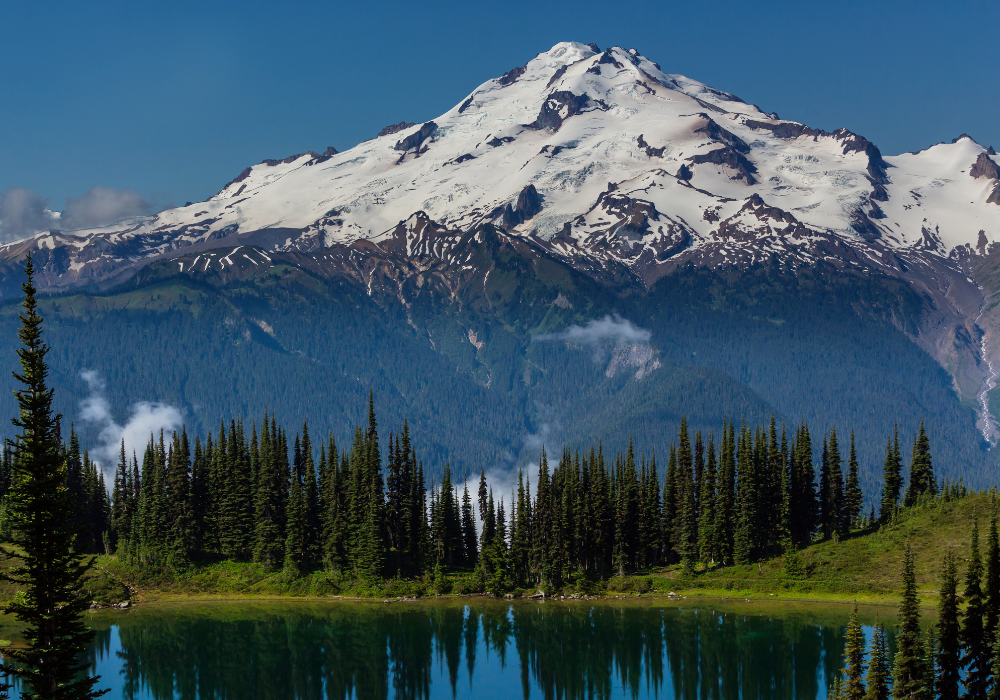
©Image license via Canva

Mount Rainier, one of the most closely monitored volcanoes in the United States, has recorded an unusual burst of earthquakes over a 72-hour period. While most quake swarms in the Cascades do not lead to an eruption, scientists take any change beneath Rainier seriously because of its size, glacier cover, and proximity to millions of people. The recent shaking has prompted experts to analyze patterns, check gas emissions, and review ground-deformation data for signs of deeper movement.
Read more

A Massive Asteroid Crater Hidden in China Has Finally Been Confirmed

New evidence shows a huge impact site was hiding in plain sight beneath the forests of southern China.

©Image license via Planet Sage/Chat GPT

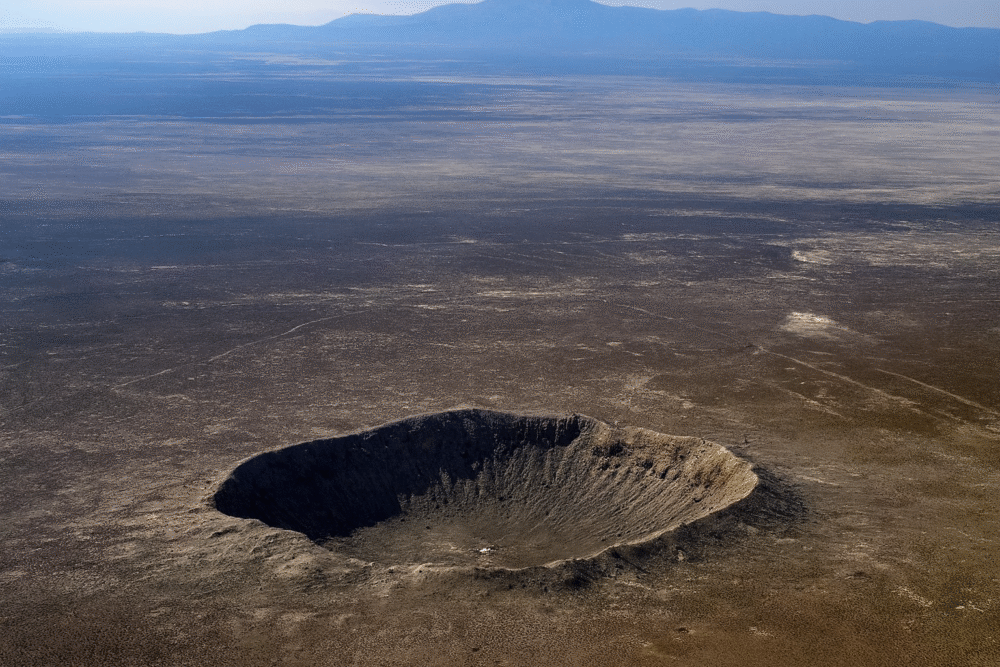
The discovery of the Jinlin Crater reveals that a massive asteroid strike occurred far more recently than scientists expected. The crater, nearly a kilometer wide, lay unnoticed beneath forested hills until researchers identified unmistakable signs of an extraterrestrial impact. Its confirmation reshapes what scientists know about Earth’s recent collision history and highlights how large impact sites can remain hidden for thousands of years. The finding also raises questions about how many more recent craters may still be undiscovered in difficult-to-survey regions around the world.

Read more

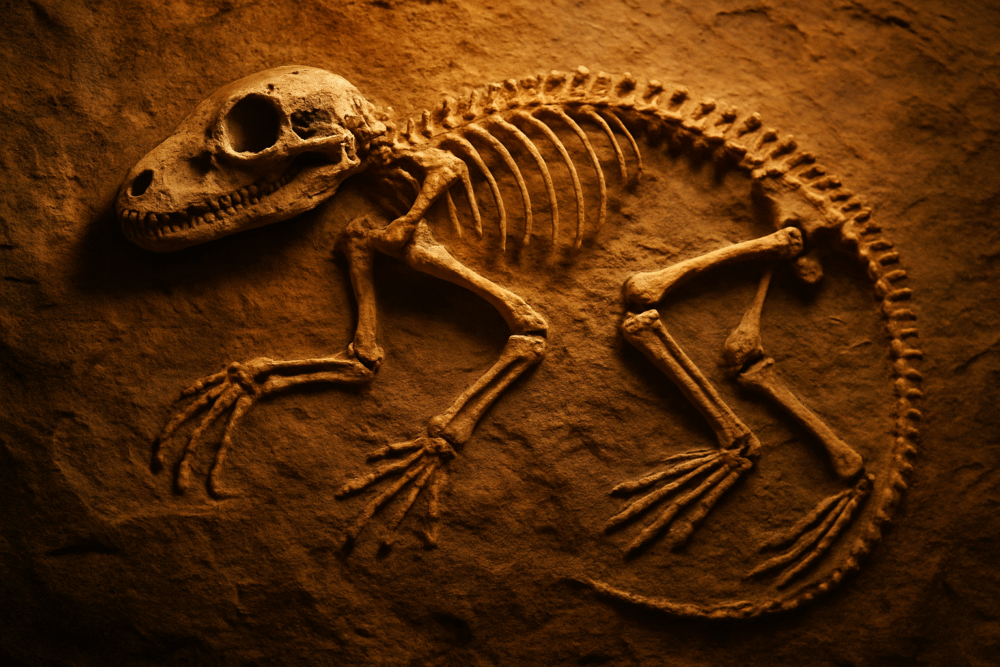
Scientists Point to Three Key Evidence Types That Make Evolution Undeniable

Three powerful clues reveal how scientists know evolution really happened.

©Image license via Planet Sage/Chat GPT

If you have ever wondered how scientists know evolution actually happened, the answer is simpler and more surprising than most people think. Researchers have gathered several powerful lines of evidence that all point to the same conclusion, and each one offers a different window into how life has changed over millions of years. When these findings are put together, they tell a clear and compelling story about how species came to be—and why the science behind evolution is so convincing.

Read more

Global Birth Rates Are Falling Fast, and the World Isn’t Ready

Global fertility is dropping faster than expected, creating challenges most countries are not prepared to face.

©Image license via Canva

Birth rates are dropping in nearly every region of the world, and experts warn that the consequences could reshape global economies and societies for decades. Many adults want children but face financial pressures, unstable housing, and rising living costs that make starting or expanding a family difficult. The decline is now so widespread that more than half of all countries may face population stagnation or contraction by mid-century.

Read more

A Volcano Dormant for 700,000 Years Just Showed Signs of Life

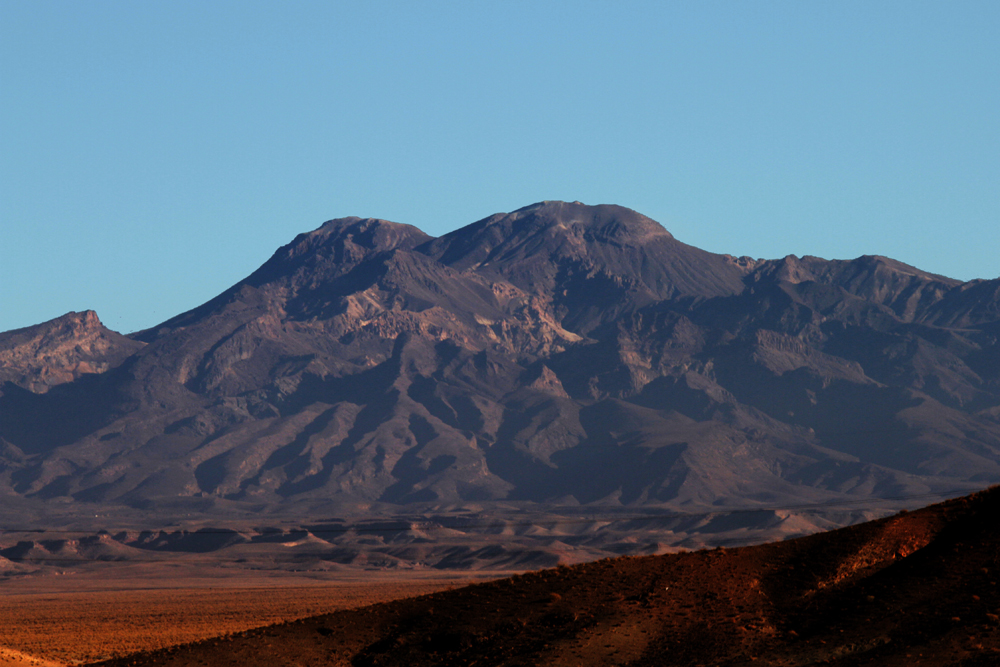
New satellite data suggests the long-silent Taftan volcano may be reawakening beneath southeastern Iran.

©Image license via Wikimedia Commons

Taftan volcano in southeastern Iran has been quiet for hundreds of thousands of years, but new satellite measurements suggest that may be changing. Researchers detected a rapid uplift of nearly 3.5 inches in less than a year, a shift that signals rising magma or underground pressure beneath the mountain. While there is no confirmation of an impending eruption, the sudden movement after such an extraordinary period of inactivity has drawn scientific attention. Experts say the ground deformation indicates the volcano is entering a new phase that warrants close monitoring.

Read more

A Tectonic Rift Scientists Thought Had Stopped Widening Is Still Pulling Apart

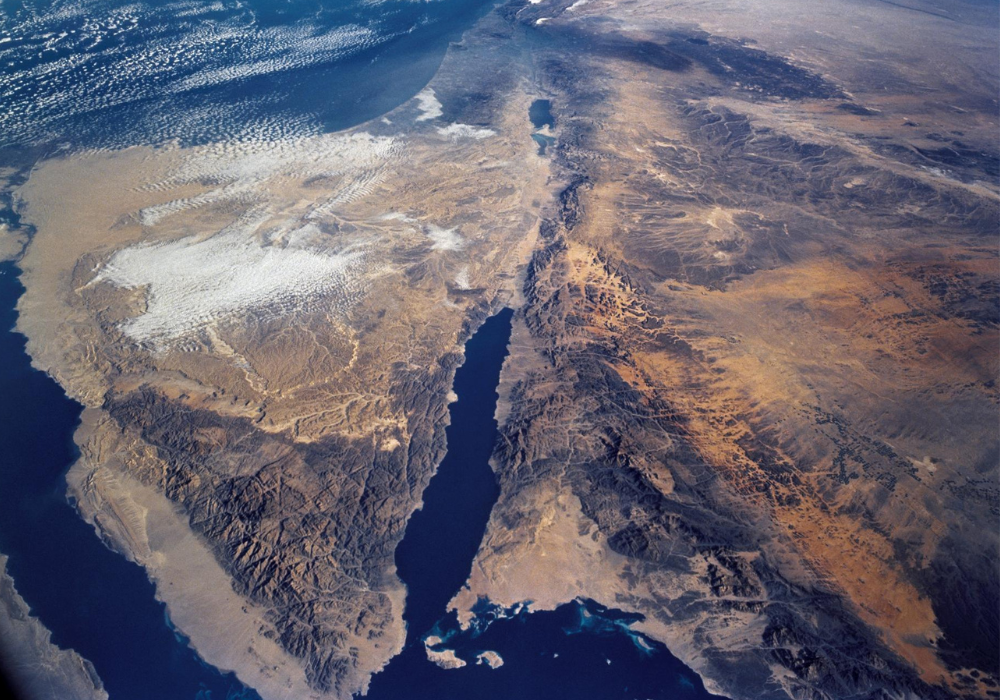
New research shows a long-assumed inactive rift between Africa and Asia is still moving after millions of years.

©Image license via NASA

Scientists studying the Gulf of Suez have discovered that the rift separating Africa and Asia is still slowly pulling apart, millions of years after researchers believed the spreading had stopped. Using modern satellite data and precise geological surveying, the new study found that the region continues to widen at measurable rates. This unexpected motion suggests the rift never fully went dormant. The finding could reshape how geologists understand regional tectonics and long-term seismic risks in northeastern Africa and the Middle East.

Read more

Antarctica Just Revealed 6 Million-Year-Old Ice — And Ancient Air Trapped Inside

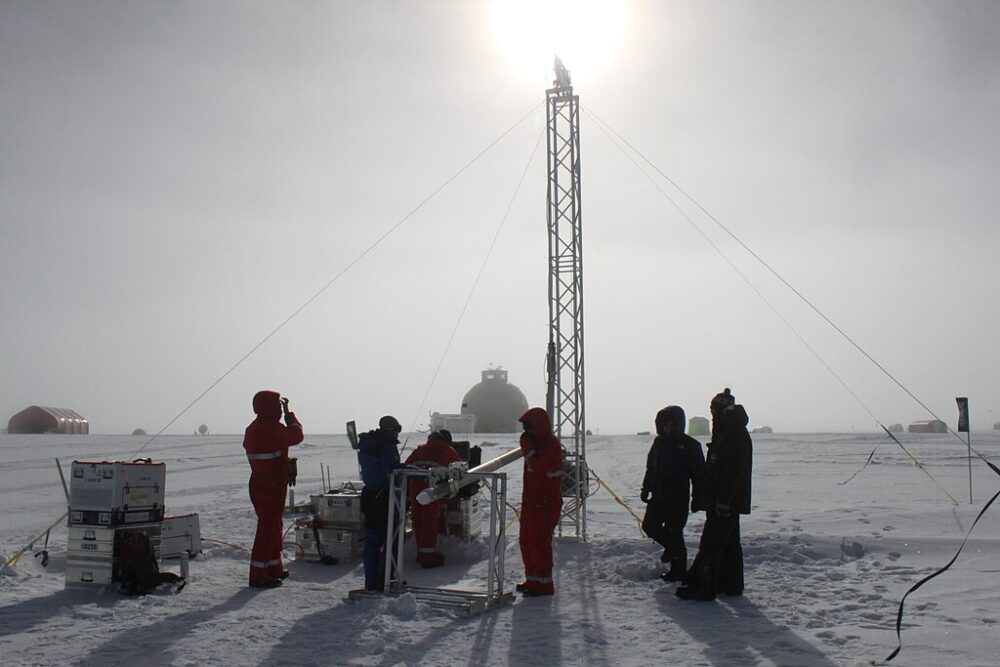
Scientists uncover the oldest ice ever found in Antarctica, preserving air from millions of years ago.

©Image license via Wikimedia Commons

Researchers working in Antarctica have discovered ice that formed roughly 6 million years ago, making it the oldest known ice ever recovered. The groundbreaking find contains tiny bubbles of ancient air, offering a rare glimpse into Earth’s atmosphere during a dramatically warmer period in the planet’s history. By studying the chemical makeup of these trapped gases, scientists hope to reconstruct past climate conditions with unprecedented detail. The discovery could transform understanding of how climate systems responded to warm phases long before humans existed.

Read more

China’s 2-Watt Laser From Orbit Just Achieved Data Speeds Far Beyond Starlink

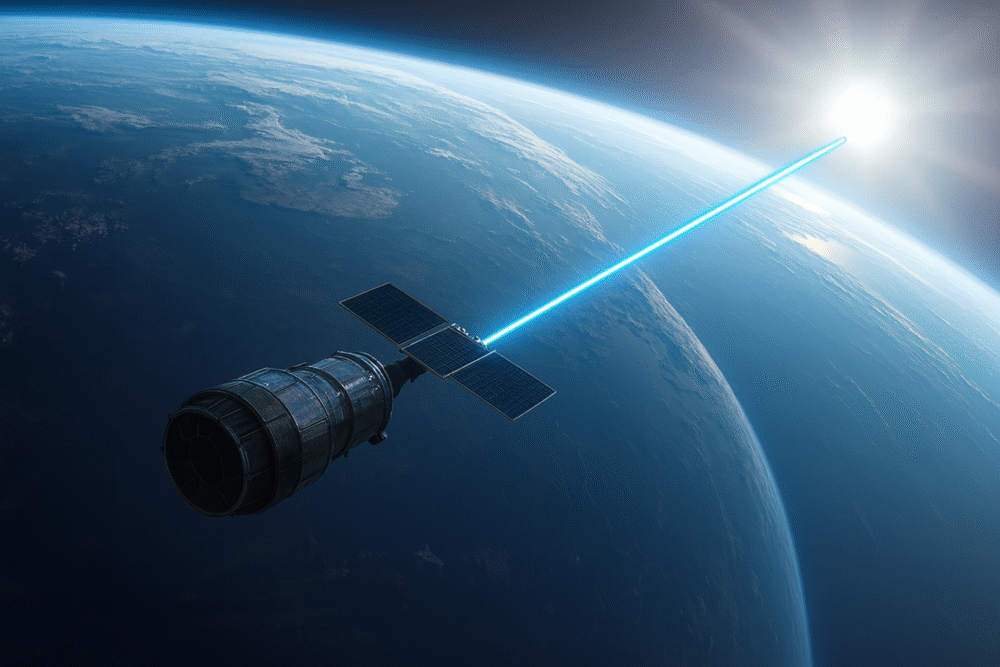
A geostationary satellite beamed data at 1 Gbps using a tiny laser, surpassing typical Starlink speeds.

©Image license via Chat GPT

Chinese scientists have demonstrated a major leap in satellite communications by transmitting data from a geostationary satellite using a 2-watt laser—achieving speeds of 1 gigabit per second. That rate is significantly faster than typical Starlink downlink speeds and marks one of the most efficient long-distance laser transmissions ever recorded. The test relied on advanced optics to stabilize the beam across 36,000 kilometers of space. Experts say the breakthrough could reshape future internet infrastructure and intensify global competition in orbital communications.

Read more

Earth’s Orbit Is Shifting Again—And Scientists Say an Ice Age Will Eventually Follow

Long-term changes in Earth’s tilt and orbit are aligning with patterns that preceded past ice ages.

©Image license via PickPik

Scientists studying Earth’s orbital cycles say the planet is slowly entering a new phase of its long-term Milankovitch cycles—natural variations in tilt, wobble, and orbit that have triggered past ice ages. Current data show Earth’s axial tilt is gradually decreasing, a shift that historically reduces summer sunlight in the far north and can support the growth of ice sheets over tens of thousands of years. Experts stress this process is extremely slow, and human-driven warming currently outweighs any natural cooling trend.

Read more

The James Webb Telescope Is Peering Into Alien Atmospheres and the Results Are Astonishing

The James Webb Telescope is uncovering atmospheric chemicals, cloud patterns, and thermal secrets on distant exoplanets.

©Image license via Raw Pixel/James Webb Telescope

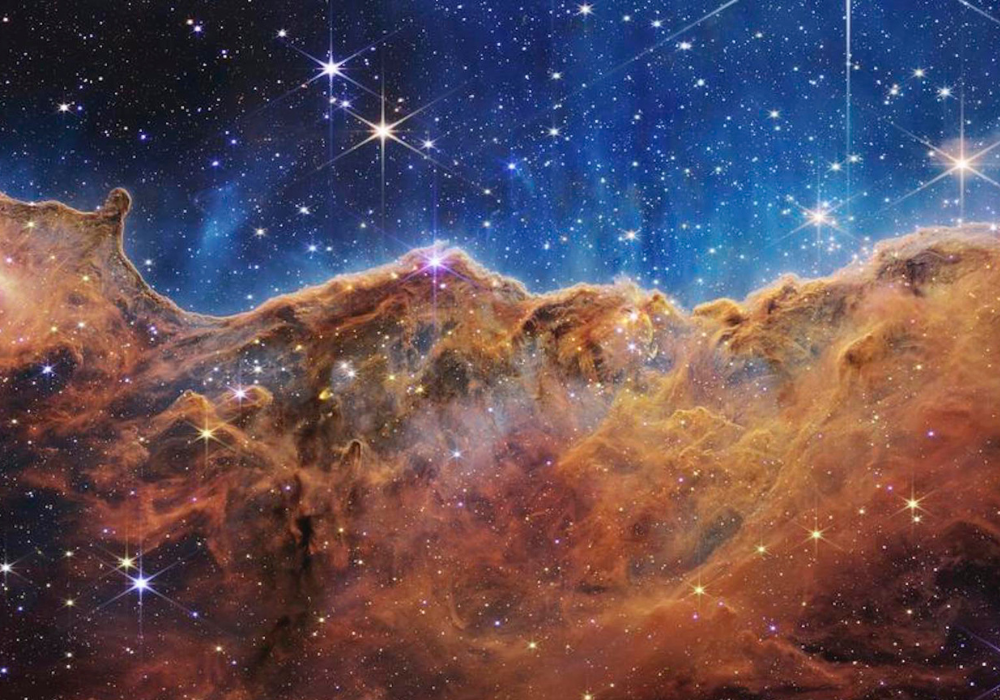
The James Webb Space Telescope is transforming our understanding of distant planets by revealing details scientists could only dream of a decade ago. Using its powerful infrared instruments, JWST can detect atmospheric chemicals, measure heat flowing across alien worlds, and even identify cloud layers hundreds of light-years away. These observations are rewriting assumptions about how planets form, evolve, and behave. As researchers analyze more data, they say Webb’s discoveries are only beginning—and each new glimpse into these strange worlds raises even more questions.

Read more