41,000 Years Ago, Earth’s Magnetic Field Failed — And the Planet Barely Held On

The planet’s invisible shield vanished—and life on Earth was suddenly exposed to deadly radiation.
©Image license via Canva

Earth’s magnetic field isn’t just a curious scientific phenomenon—it’s a protective force field that shields us from deadly solar and cosmic radiation. But around 41,000 years ago, during what scientists call the Laschamps Excursion, that shield collapsed. For about 800 years, Earth’s magnetic field weakened to just 5% of its current strength, then flipped poles entirely before returning to normal.

During that collapse, our planet faced exposure levels that could have triggered biological and environmental upheaval. Ancient cave art, extinctions, and climate disruptions all line up with this window of magnetic chaos. If it happened once, could it happen again?
Read more

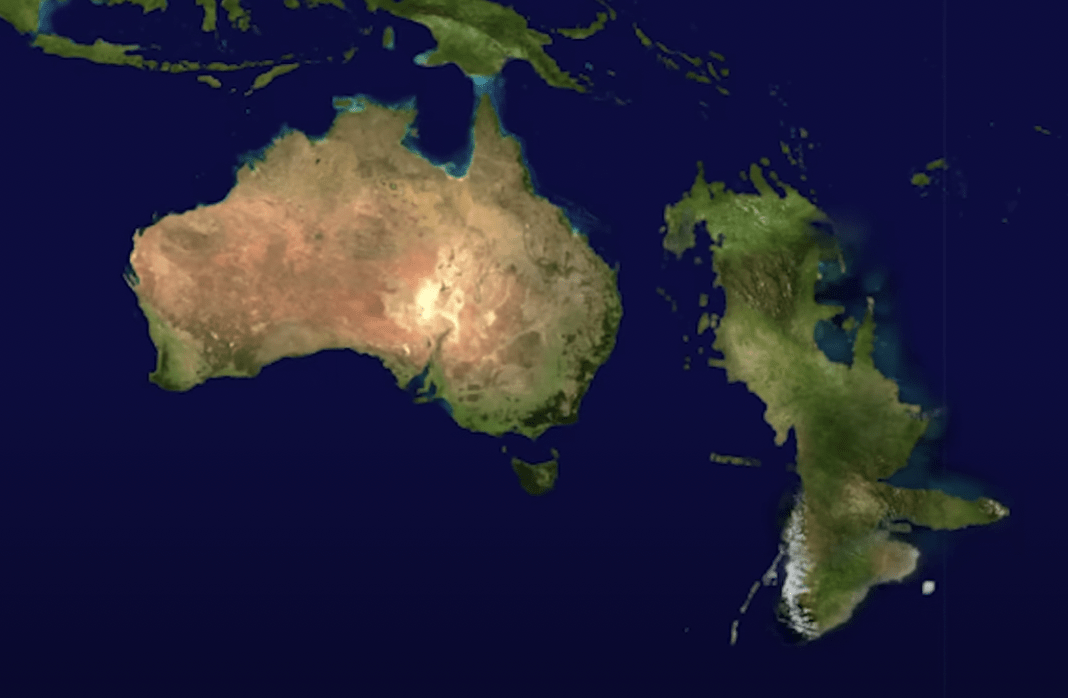
Earth Has an 8th Continent, and It’s Hidden Under the Sea

Scientists have finally mapped Zealandia, revealing a massive sunken continent few people know exists.

©Image license via Surfer.com

Most people grow up learning that Earth has seven continents—but scientists say there’s actually an eighth, and it’s almost entirely underwater. Zealandia, a massive submerged landmass the size of India, has finally been mapped in detail after years of research. Only about 5–7 percent of it sticks above the ocean today, forming New Zealand and a few nearby islands. The rest lies hidden beneath thousands of feet of water. The new map gives scientists their clearest look yet at this lost continent—and what it reveals is changing how we understand Earth’s geology.

Read more

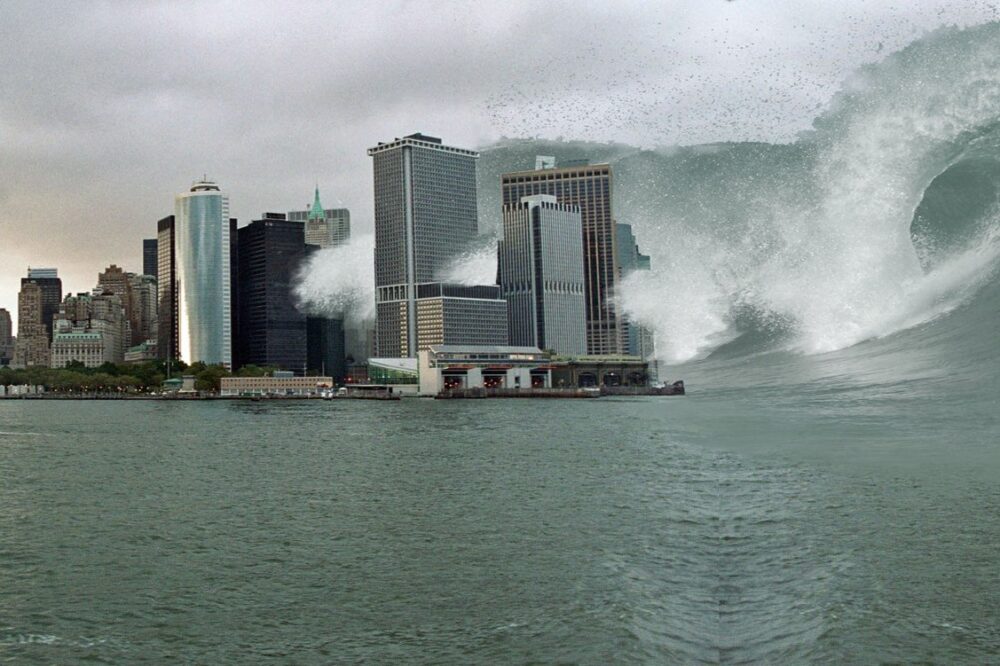
When the Poles Melt, These Cities Will Be the First to Drown

Rising seas could reshape entire coastlines—and experts say some cities are already on borrowed time.

©Image license via Flickr/Brendan Riley

If Earth’s ice sheets and glaciers melted completely—a scenario scientists say would take centuries or longer—the world’s coastlines would be transformed. Sea levels could rise more than 200 feet, swallowing entire cities and reshaping continents. Even partial melt from Antarctica or Greenland would dramatically increase flooding in low-lying areas, putting millions of people at risk. While total melt is unlikely in our lifetime, experts say many coastal cities are already vulnerable to rising seas driven by today’s warming climate. Here are the places that would be hit first.

Read more

A Dormant Climate Giant Is Showing New Signs of Life — And It Has Experts Worried

After decades of dormancy, this climate force may be tipping toward chaos.

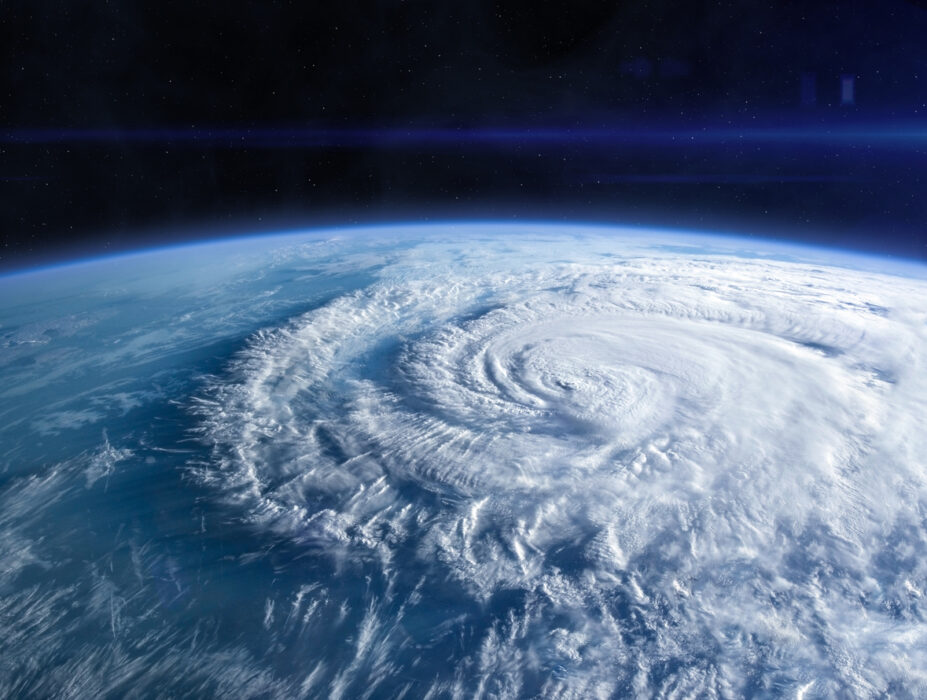
Outer space, massive hurricane eye, Earth’s blue curve below, deep black backdrop, editorial travel photo, no people.
©Image license via Canva

Scientists are increasingly focused on the Atlantic Multidecadal Oscillation (AMO)—a natural climate cycle that toggles North Atlantic sea temperatures between warm and cool phases every few decades. Recent studies show a warm phase may begin soon, and although it’s about 1 degree F of ocean temperature variation, its global repercussions could be profound.

As geophysicist Nour‑Eddine Omrani of the University of Bergen cautions, “The next multidecadal warming will start from a higher level and lead to unprecedented warming and associated extremes.” The AMO’s re‑awakening will likely magnify climate impacts already underway, and understanding its influence could make the difference between being overwhelmed—or prepared—for what’s coming.

Read more

If Humanity Suddenly Vanished, This Is How Long Our World Would Last

From empty cities to collapsing systems, the chain reaction begins far sooner than you’d expect.

©Image license via Canva

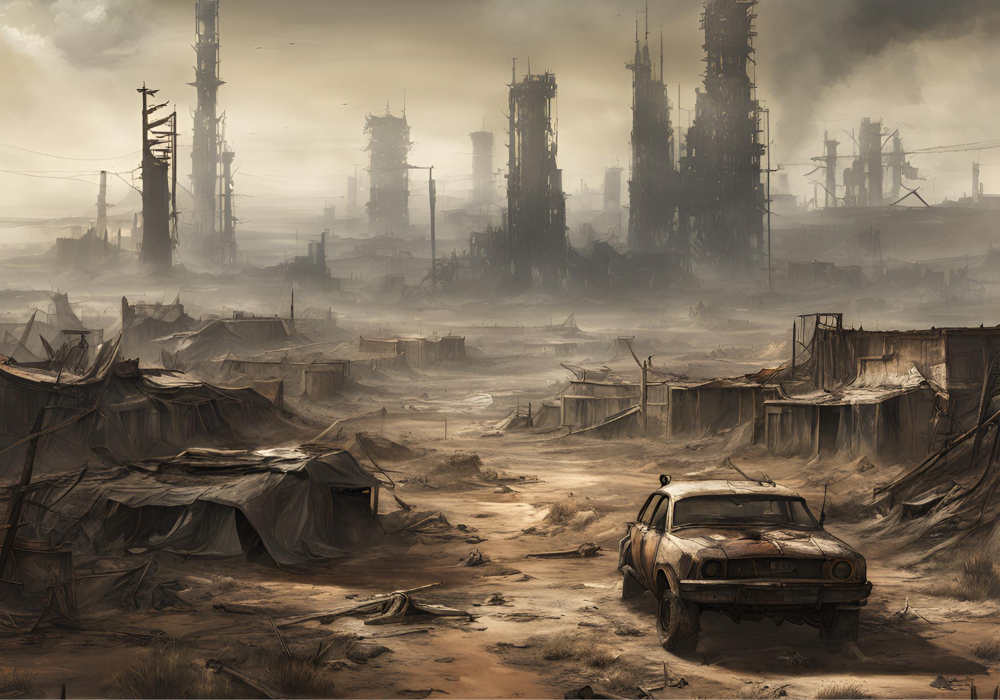
If humanity suddenly vanished, the world wouldn’t collapse all at once—but the unraveling would begin almost immediately. Scientists who study infrastructure, ecology, and climate say the planet would follow a surprisingly predictable timeline. Lights would go out within hours. Streets would flood within days. Wildlife would reclaim cities in weeks. And iconic human structures would crumble far faster than most people expect. Understanding what happens next doesn’t just reveal how fragile our systems are—it shows how much constant work it takes to keep the modern world running.

Read more

The Growing Risk of New Viruses Emerging From Thawing Arctic Ice

As the Arctic warms, long-buried pathogens could resurface in ways we’re not prepared for.

©Image license via Planet Sage/Chat GPT

As the Arctic warms at a rapid pace, scientists are becoming increasingly concerned about what’s hidden beneath the thawing ice. Permafrost—frozen ground that can preserve microbes for thousands of years—is melting faster than expected. Researchers have already identified ancient viruses and bacteria that can remain viable after long periods underground, raising questions about what else could resurface. While experts say the risk to humans is currently low, the possibility of new—or very old—pathogens emerging as the Arctic warms is becoming an active area of scientific study.

Read more

Scientists Think They’ve Figured Out How and When the Universe Will End

New research suggests the universe may one day collapse in a dramatic cosmic reversal.

©Image license via Planet Sage/Chat GPT

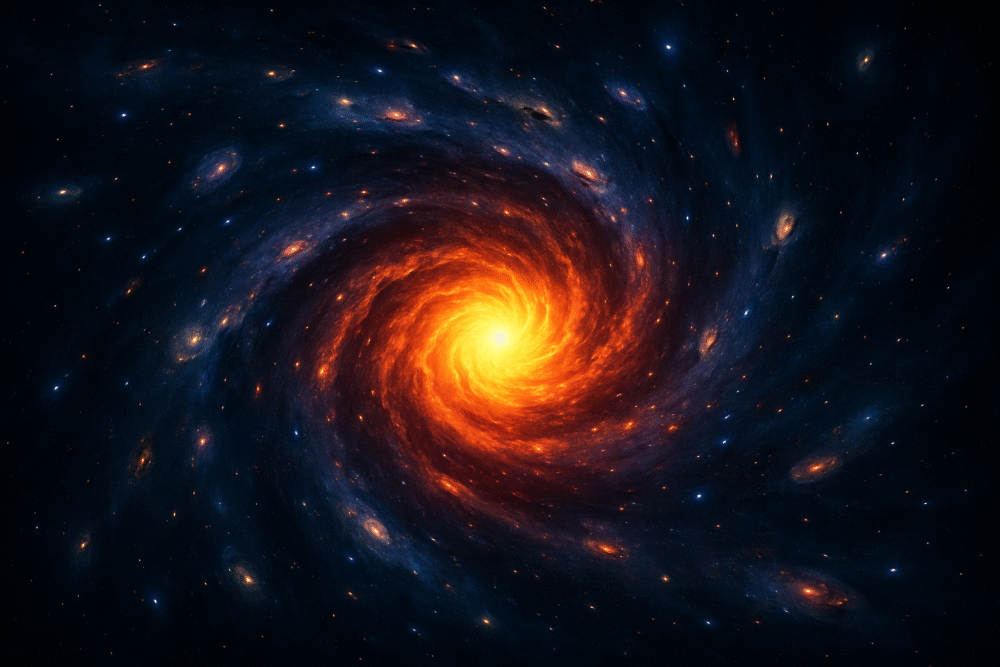
Scientists studying the fate of the cosmos have proposed a surprising possibility: the universe may not expand forever after all. New calculations suggest dark energy—the mysterious force pushing galaxies apart—could one day weaken, eventually reversing its effect. If that happens, expansion would slow, stop, and then run backward, leading to a catastrophic collapse billions of years in the future. Though the idea remains theoretical, it challenges long-held assumptions about the universe’s distant timeline and raises major questions about how everything we know might ultimately end.

Read more

A Mysterious Rogue Object Once Warped Our Solar System — And It Could Return

Astronomers propose a massive cosmic interloper disrupted planetary orbits billions of years ago.

©Image license via Canva

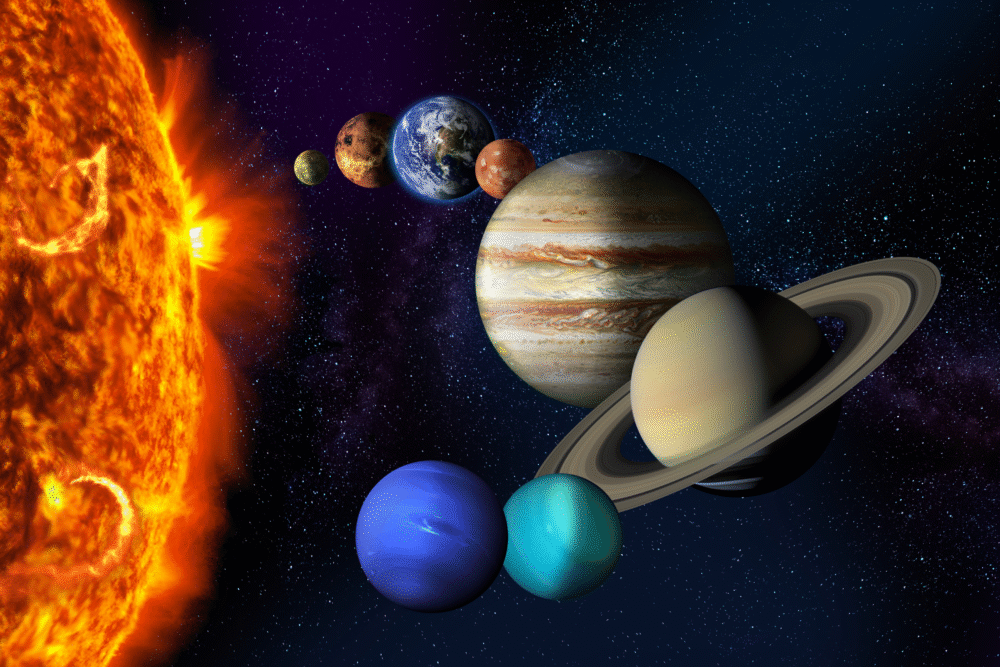
A new scientific hypothesis suggests that billions of years ago, our Solar System may have been disrupted by a massive wandering object—possibly a rogue planet or small brown dwarf—that briefly passed through it. This gravitational encounter could explain why the planets don’t orbit in perfect circles and why the entire system appears slightly tilted. Researchers used extensive computer simulations to test the idea, revealing that even a quick flyby could permanently alter planetary paths. While still theoretical, the model offers a compelling new explanation for the Solar System’s unusual structure.

Read more

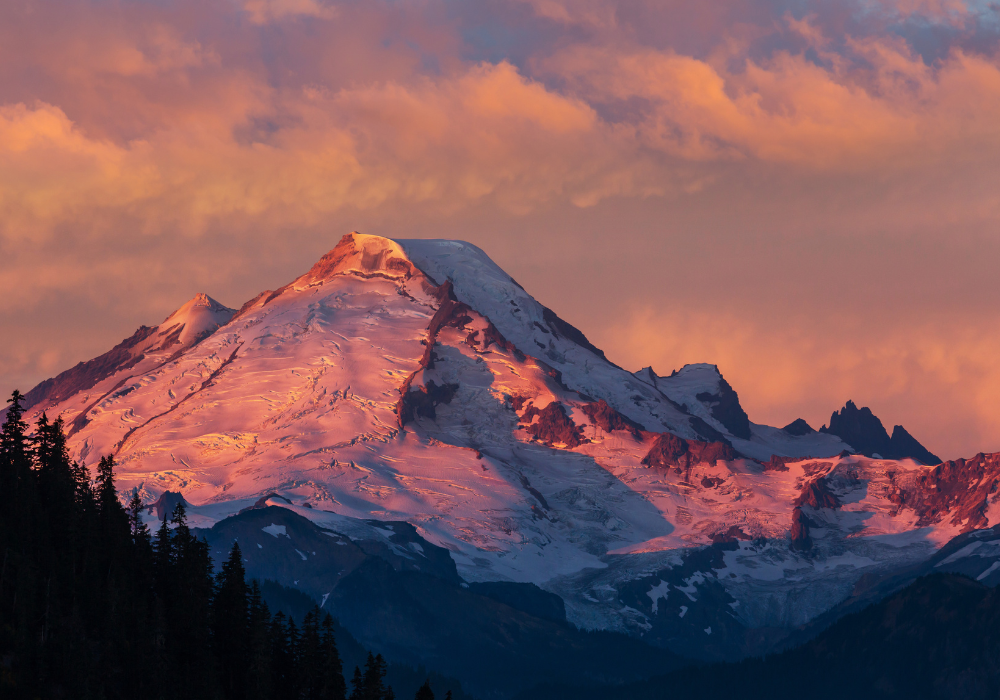
Mount Rainier Is Shrinking — And Scientists Say the Summit Will Never Look the Same

New measurements show Mount Rainier’s peak has dropped dramatically as its ice melts.

©Image license via Canva

Scientists have confirmed that Mount Rainier is shrinking as rising temperatures melt the massive ice dome that once capped its summit. A new study shows the peak has lowered significantly in recent years, revealing bare rock where thick ice and snow once sat year-round. The findings highlight how quickly climate change is reshaping one of America’s most iconic mountains. Researchers say this shift is permanent, and the summit will continue to transform as glaciers retreat. The changes are already altering climbing routes, landscapes, and long-term stability around the peak.

Read more

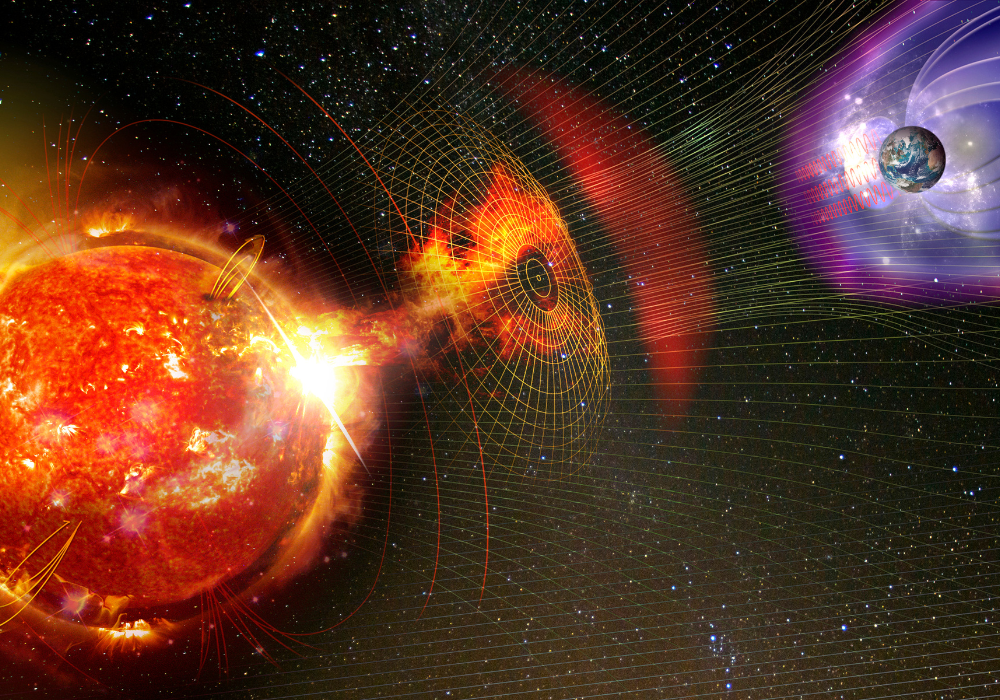
The Sun Is Acting Weird — What That Means for Satellites, Power Grids, and Us

The Sun Is Acting Weird — What That Means for Satellites, Power Grids, and Us

©Image license via Canva

Scientists tracking the Sun say it’s becoming increasingly active as it heads toward the peak of its current solar cycle. This means more solar flares, more eruptions, and a greater chance of energetic particles reaching Earth. While this activity isn’t unusual, it can affect satellites, GPS signals, communications, and even parts of the power grid. Researchers are closely monitoring the Sun’s changing behavior to predict what might happen during upcoming peaks. Understanding the Sun’s patterns helps prepare for the technology impacts that sometimes come with its natural cycles.

Read more