Voyager Spacecraft Reveal a Mysterious, Scorching Zone at the Solar System’s Boundary

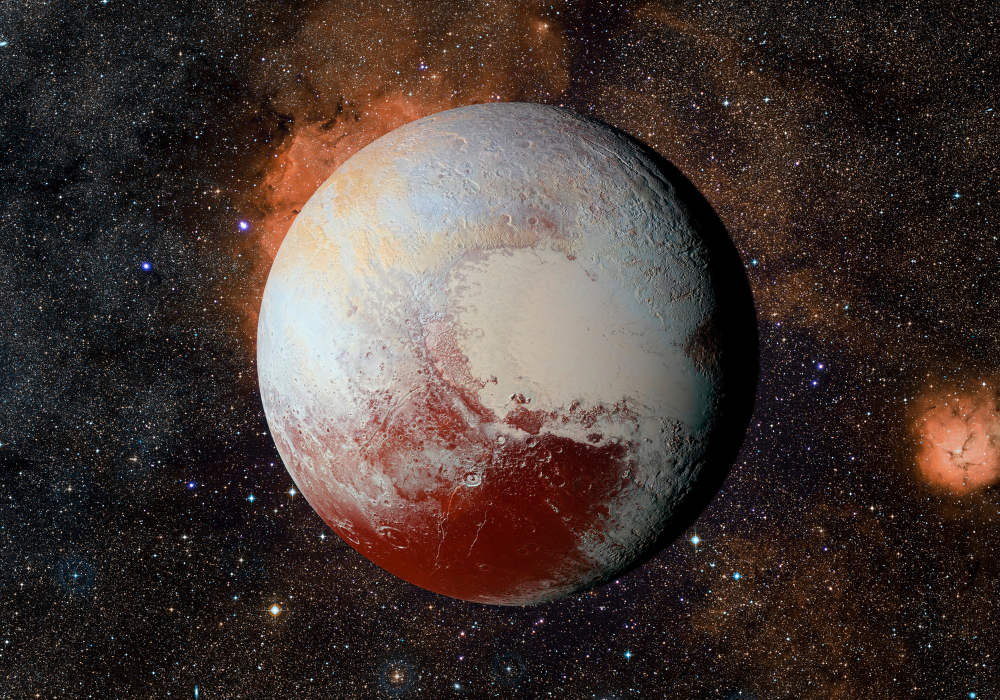
New data from Voyager suggests the solar system’s outer boundary is far hotter than scientists expected.

©Image license via Picryl

After traveling through space for nearly half a century, NASA’s Voyager spacecraft are still surprising scientists.

New data from the farthest human-made objects ever launched reveal something unexpected at the edge of our solar system: an intensely hot boundary where the Sun’s influence fades into interstellar space. Researchers did not expect temperatures this extreme so far from any star.

The finding raises new questions about how our solar system interacts with its cosmic neighborhood and why this region behaves differently than long-standing models predicted as the probes continue sending data from unimaginable distances.

Read more

These Natural Phenomena Make Time Feel Like It’s Slipping

From shifting light to altered perception, these moments quietly distort how the brain tracks passing time.

©Image license via Flickr

For much of modern science, randomness was assumed to be the default state of nature. Small fluctuations were treated as noise, and irregular behavior was expected in complex systems influenced by countless variables.

But as instruments improved and long-term data accumulated, researchers began noticing something unexpected. Repeating patterns kept appearing in places once thought chaotic.

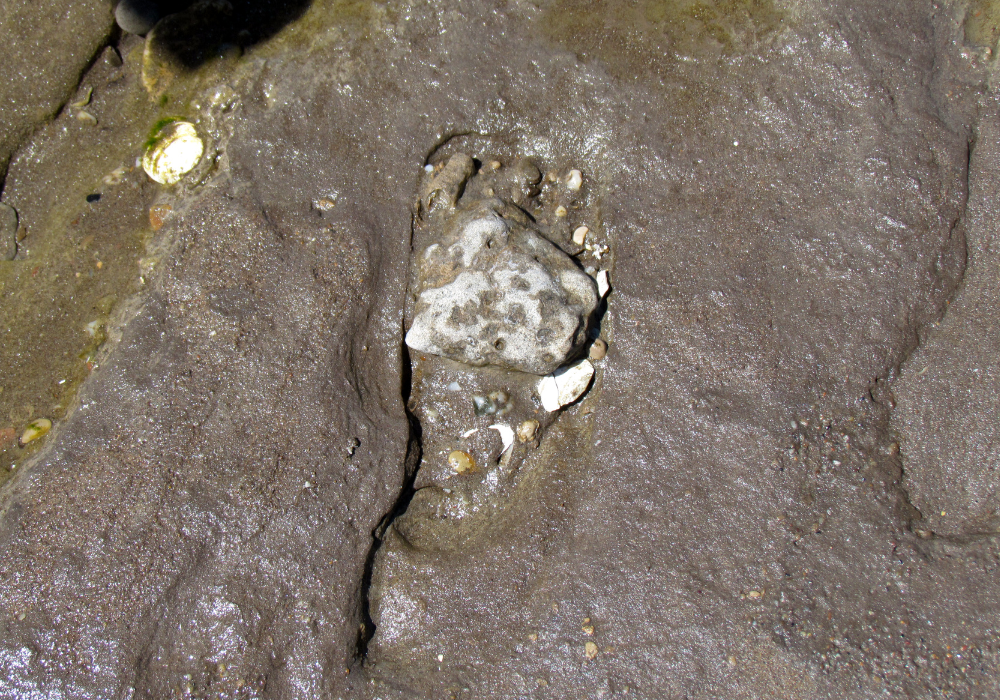
These patterns don’t break physical laws, but they challenge older assumptions about how nature organizes itself. The evidence suggests order may be far more common than scientists once believed.

Read more

America’s “Stable” Regions Are Starting to Behave Like Climate Frontlines

Places once seen as safe are now facing heat, flooding, and disruption faster than communities are prepared for.

Outdoors, older man in yellow shirt, mid-frame closeup, midday sunlight with trees, editorial travel photo, one person.
©Image license via iStock

Across the United States, regions once labeled climate-stable are beginning to show signs of stress that look increasingly like frontline impacts. Hotter summers, heavier rainfall, and shifting seasons are appearing in places that historically avoided extremes.

These changes matter because homes, infrastructure, and local economies were built around predictability. As that stability erodes, communities are discovering that climate risk is no longer limited to coasts or deserts.

The story unfolding now is quieter than hurricanes or wildfires, but it is reshaping everyday life in places long assumed to be safe.

Read more

Scientists Just Found 8 Mysterious Caves on Mars That Could Host Signs of Life

Researchers say these underground spaces could protect life from radiation and extreme cold.

©Image license via Planet Sage/Chat GPT

If Mars ever hosted life, one of the best places to look now might be underground. Researchers led by Chunyu Ding at Shenzhen University identified eight dark “skylights” in the Hebrus Valles region that appear to open into water-carved caves.

In a peer-reviewed study, the team argues these openings aren’t volcanic lava tubes but karst-like caverns formed when water dissolved soluble rock.

That matters because caves can protect microbes—and the chemical fingerprints they leave behind—from radiation, extreme cold, and dust storms. It also gives future missions clearer targets than open desert.

Click through to learn how these caves are unique and what that means for the future of Mars exploration.

Read more

Scientists Are Rethinking the Origins of the Iron That Built the Modern World

New research is changing how scientists understand the iron that built the modern world.

©Image license via Planet Sage/Chat GPT

Steel quietly holds modern life together. It’s in apartment buildings, bridges, wind turbines, rail lines, and nearly everything that moves energy or people at scale. Most of us never think about where that iron comes from—until a surprising scientific rethink forces a second look.

Researchers are revisiting the ancient geology of Western Australia’s Pilbara region, home to some of the planet’s most important iron ore deposits.

What they’re uncovering doesn’t change markets overnight, but it does challenge long-held assumptions about how Earth created the raw materials that built the modern world—and why that knowledge matters now.

Read more

Do We Really Live in an Infinite Universe? What Astrophysicists Say

What science can measure, what it can’t observe, and why the answer may always stay out of reach.

©Image license via Freerange Stock

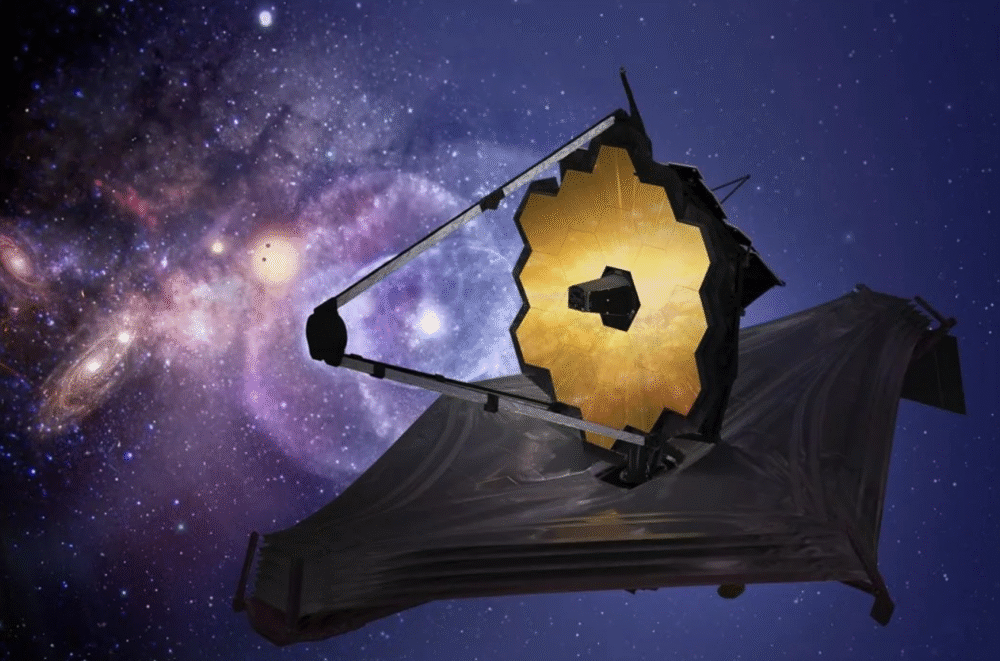
The question of whether the universe is infinite sounds simple, but astrophysicists say it may be one of the hardest questions science can ever answer. Modern telescopes can see farther than at any point in history, yet they still show only a fraction of what exists.

What we observe is limited by the speed of light, the age of the universe, and the way space itself expands. As a result, scientists must rely on measurements, models, and careful reasoning rather than direct observation.

Click through to learn what researchers know, what remains uncertain, and why the universe’s true size may always stay just beyond our reach.

Read more

What Did NASA Decide to Put on Voyager’s Golden Record?

It’s been traveling through space for decades, carrying messages meant for anyone ‘out there.’

©Image license via Wikimedia Commons

When the Voyager spacecraft launched in 1977, they carried more than scientific instruments bound for the outer planets. Scientists also attached a carefully curated message meant to speak for Earth long after the spacecraft finished their mission.

That message, known as the Golden Record, was designed to survive for billions of years as Voyager drifted through interstellar space. Its contents were chosen to represent life, culture, science, and sound on Earth, while accepting that no single record could ever capture everything.

Click through and discover what was placed on the Golden Record, what was deliberately left out, and what those choices reveal about how humanity saw itself decades ago.

Read more

What Earth Might Look Like Today If Dinosaurs Still Existed

From ecosystems to human evolution, everything we know today would likely be unrecognizable.

©Image license via iStock

If dinosaurs had never gone extinct, their continued presence would have reshaped the planet in profound and lasting ways. Massive prehistoric animals would influence ecosystems on a global scale, altering habitats, food chains, and the balance of species that evolved alongside them.

Human development would unfold very differently, with settlements, agriculture, and infrastructure forced to adapt to coexist with creatures that once dominated the Earth.

Even everyday life would be shaped by the need to share space with such powerful animals, changing how landscapes are used and how societies evolve over time.

Read more

Did a Cosmic Impact 13,000 Years Ago Disrupt Early Human Societies?

Scientists say a lost civilization may have fallen to an asteroid 13,000 years ago.

©Image license via Canva

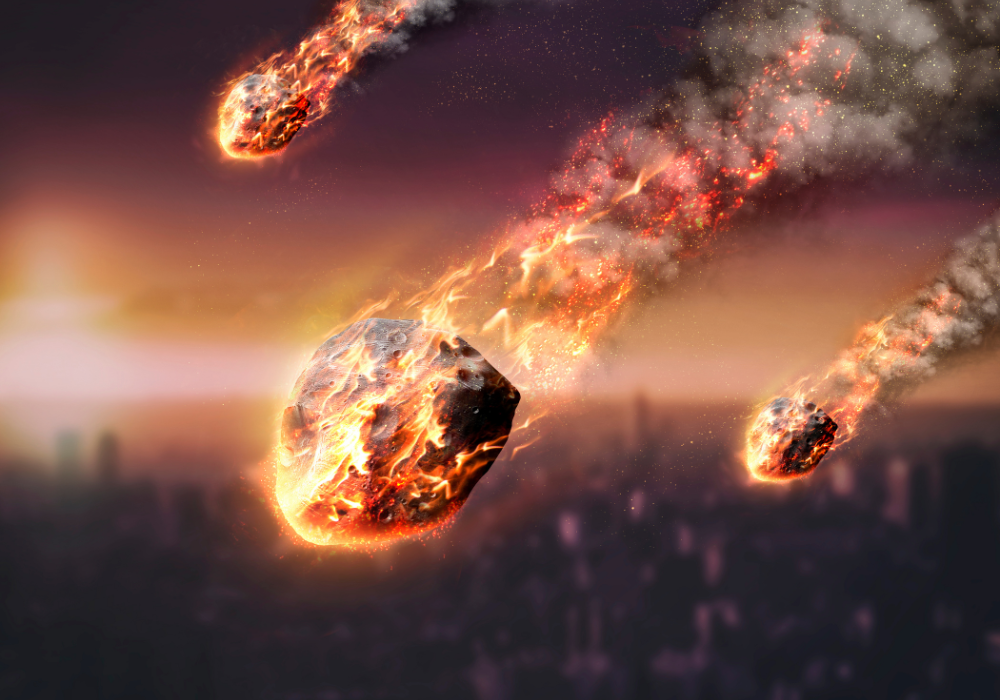
About 13,000 years ago, Earth experienced a dramatic period of change marked by sudden climate shifts, widespread environmental disruption, and the disappearance of some early human cultures. A group of researchers has suggested that a cosmic event, possibly an asteroid or comet impact, may have played a role in triggering those changes.

Their work focuses on evidence found in ancient sediments, unusual impact markers, and signs of abrupt cooling at the end of the last Ice Age. The idea remains debated, but it raises broader questions about how vulnerable human societies can be to sudden natural events. Unlike gradual environmental changes, impacts from space happen quickly and leave little time to respond.

Looking back at these ancient disruptions isn’t about predicting disaster, but about understanding the risks that have shaped life on Earth before — and why scientists continue to study threats from beyond our planet.

Click through to learn about this lost civilization.

Read more

The Most Disastrous Eruptions in Mount Etna’s Recorded History

How centuries of eruptions reshaped Sicily, its cities, and the lives around the volcano.

©Image license via Wikimedia Commons

Mount Etna has been erupting for thousands of years, long before written history, and it remains one of the most active volcanoes on Earth today. Rising above eastern Sicily, it has shaped the landscape, the economy, and the daily lives of the people who live nearby.

For centuries, communities have benefited from Etna’s fertile soils while also living with the constant risk that the volcano can turn destructive with little warning. Some eruptions have been relatively gentle, producing lava flows that move slowly and allow time for evacuation.

Others, however, have been sudden, deadly, and transformative, destroying towns, claiming lives, and permanently altering the region. Looking back at Mount Etna’s most disastrous eruptions helps explain why this volcano is both revered and feared.

Click through and discover why its history still matters for millions of people today.

Read more