If Your Houseplants Suddenly Turn Yellow, This Simple Fix Could Save Them

Why yellow leaves appear suddenly, what they’re telling you, and the easy fix most people miss.

©Image license via Pixnio

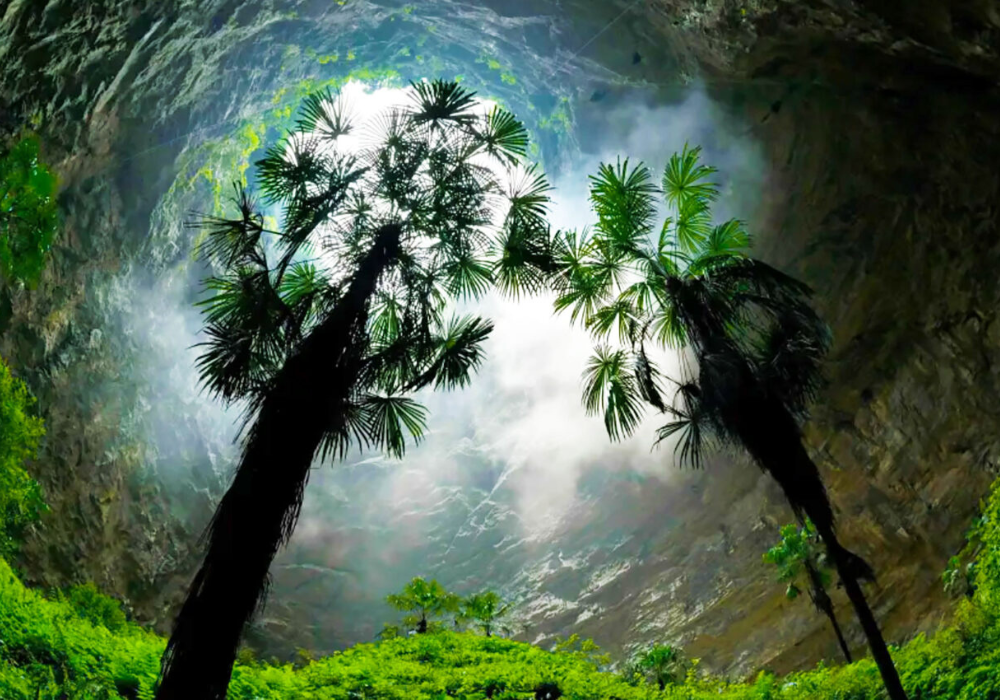
Yellow leaves can feel like a sudden failure, especially when your houseplants looked fine just days ago. One morning they’re green and upright, and the next they look tired and washed out. It’s frustrating, and it’s easy to assume the damage is already done.

In reality, yellowing leaves are often an early signal, not a final one. Plants change color when something small shifts in their environment, and many of those issues are easy to correct once you know where to look.

The key is acting before stress turns into lasting harm. A simple adjustment can stop the yellowing and help your plant recover faster than most people expect.

Read more

These Everyday Natural Sounds Are Disappearing Faster Than Expected

What scientists are hearing fade away, why silence is spreading, and what it reveals about ecosystem health.

©Image license via Canva

What we hear every day shapes how the world feels, even when we barely notice it. Birds at dawn, insects at night, wind through trees. Scientists now say many of these familiar sounds are fading faster than expected, often without people realizing anything has changed.

Unlike visible environmental damage, sound loss happens quietly. It doesn’t leave cracks or scars, but it alters how places function and how wildlife survives. Once a soundscape changes, it’s hard to restore.

Listening closely is becoming a form of awareness. These everyday sounds aren’t just background noise. They’re signals that ecosystems are still working, and their disappearance tells a much bigger story.

Read more

If People Vanished From New York City, This Is What Would Take Over

Scientists say nature would reclaim the city in unexpected ways.

©Image license via Planet Sage/Chat GPT

Imagine New York City without people. No traffic, no maintenance crews, no lights switching on at dusk. At first, the city would look frozen in time, almost intact, like a paused movie scene waiting for someone to press play.

But cities only function because humans constantly hold them together. Pumps move water, power keeps systems dry, and repairs stop small failures from spreading into disasters. When that attention disappears, the systems that make the city livable begin to unravel.

Researchers who study abandoned cities, ecology, and infrastructure say New York would not stay empty or stable for long. Nature, weather, and decay would move in quickly, reshaping the city in ways that feel dramatic, uneven, and surprisingly fast.

Read more

Scientists Are Looking at the Moon as a Cosmic Pit Stop

How lunar ice and resources could be used to refuel spacecraft on deep-space missions.

©Image license via Planet Sage/Chat GPT

Calling the Moon a “gas station” sounds like sci-fi, but the idea is surprisingly practical: if you can make fuel in space, you don’t have to haul every pound up from Earth, again and again.

Scientists focus on the lunar poles because permanently shadowed craters can trap water ice. Dig it up, heat it, capture the water, and split it into hydrogen and oxygen, and you’ve got the same propellants many rockets rely on.

NASA and its partners are already testing drilling and ice-hunting tech on the Moon, because a dependable refueling stop could make lunar missions—and eventually deeper ones—cheaper, safer, and more frequent.

Read more

Astronomers Say Dark Energy May Be Changing. It Could Alter the Universe’s Fate

New data hints the universe’s expansion may be shifting, challenging a core idea in cosmology.

©Image license via Wikimedia Commons

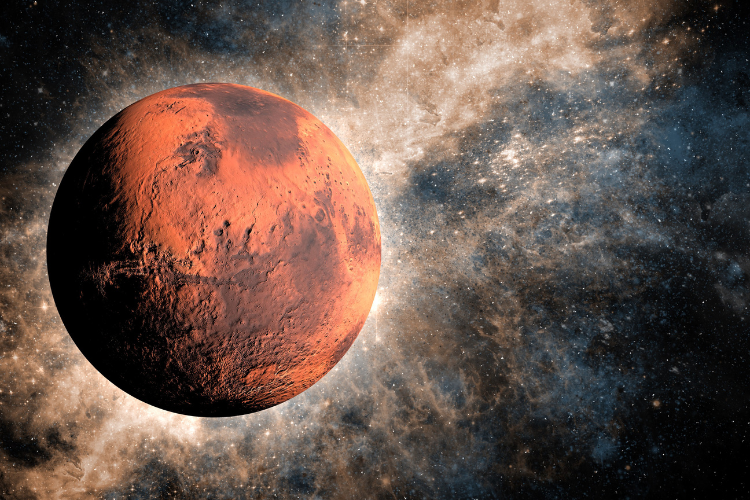
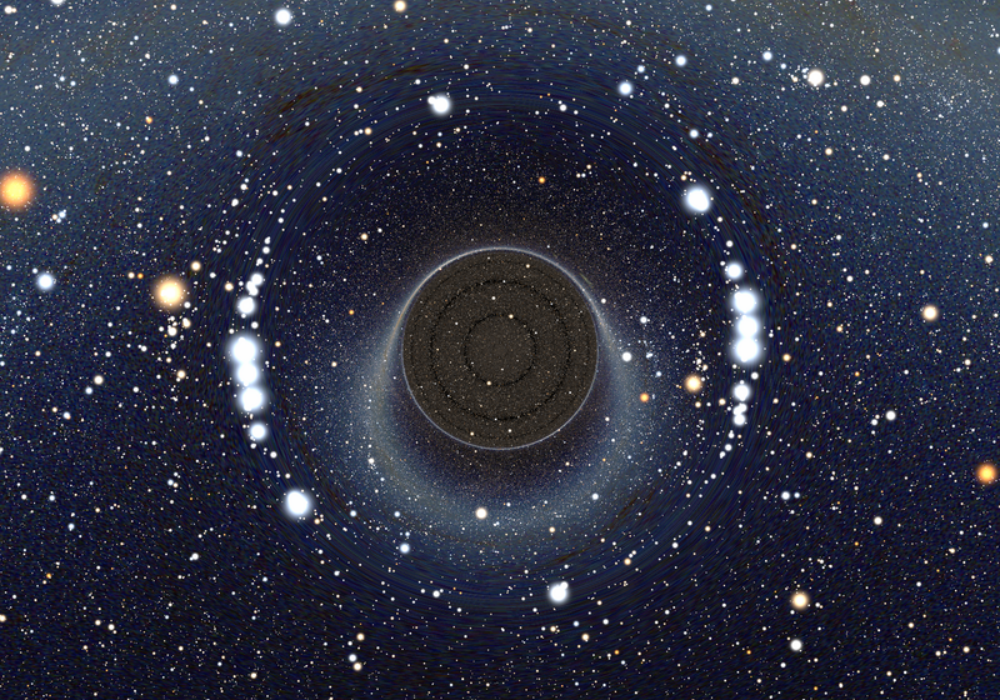
For decades, astronomers have worked with the idea that the universe’s expansion is speeding up under a steady, unchanging force called dark energy. That assumption has shaped everything from cosmic timelines to predictions about how the universe might eventually end.

Now, early results from the Dark Energy Spectroscopic Instrument (DESI) are adding an unexpected wrinkle. DESI maps millions of galaxies to track how space has stretched over time, and its latest data suggests that acceleration may not be behaving exactly as expected.

If the expansion is slowing even slightly, it hints that dark energy may not be a simple constant after all.

Read more

These Natural Formations Look Too Strange to Be Real

Nature followed no obvious rules when these landscapes took shape.

©Image license via Wikimedia Commons

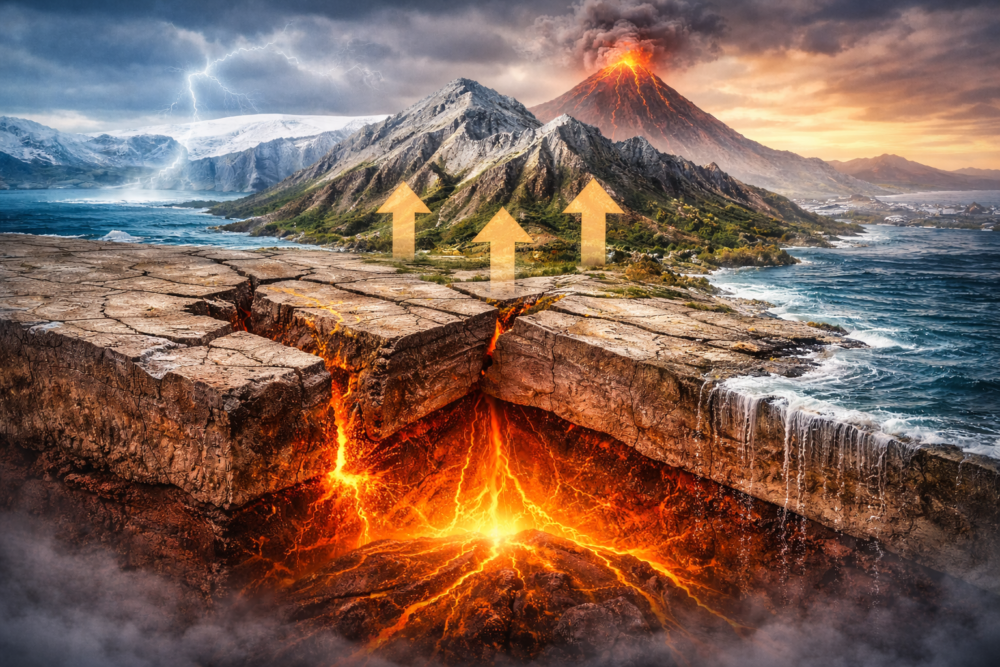
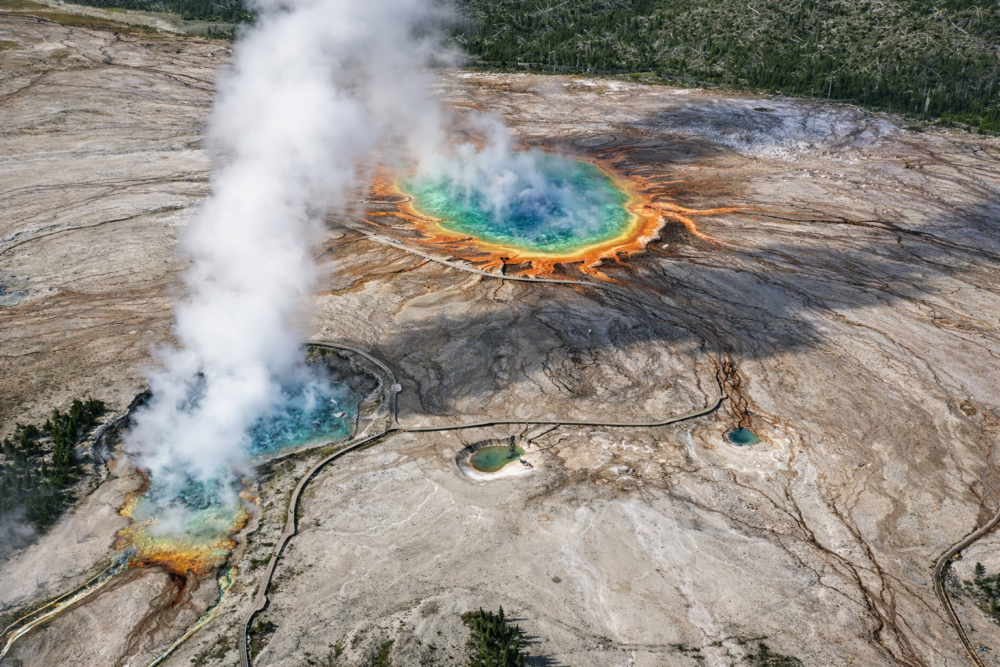
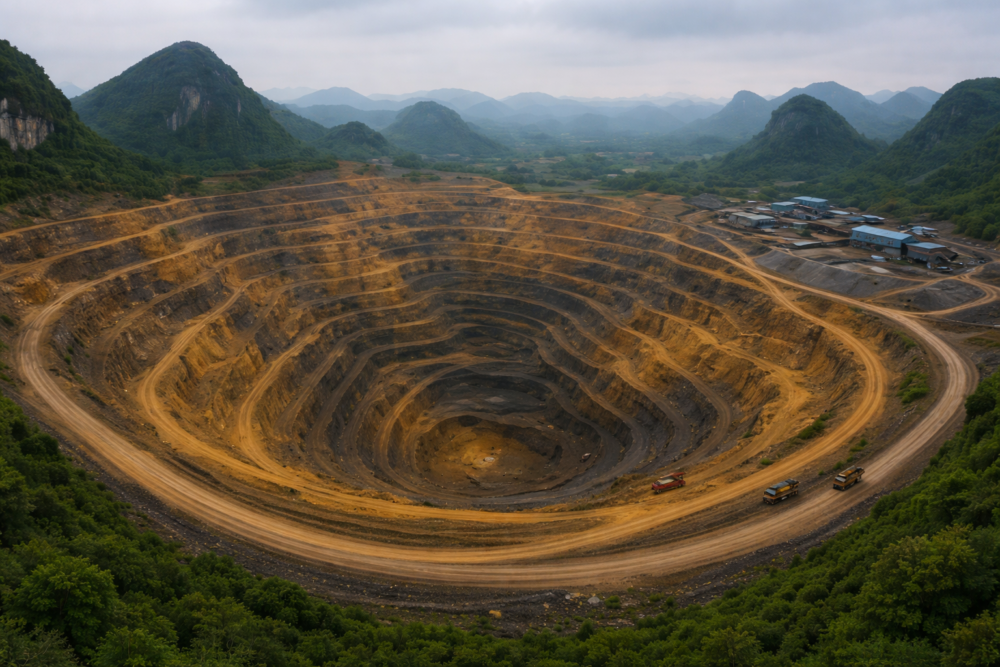
Earth is filled with places that seem to break visual rules we take for granted. Some landscapes look sculpted by design, others feel mathematically precise, and a few resemble scenes from science fiction rather than real locations you can visit. What makes them so unsettling is that no one planned them.

These formations emerged through erosion, pressure, heat, chemistry, and time working slowly over thousands or millions of years. When those forces align in just the right way, nature produces results that feel intentional even when they aren’t.

Together, these strange places reveal how unfamiliar the planet can look when natural processes are allowed to reshape it on a massive scale.

Read more

The Petrified Forest Was Once Alive and Nothing About It Was What You’d Expect

Ancient trees turned to stone reveal a vanished ecosystem unlike anything in North America today.

©Image license via Planet Sage/Barrie Davenport

The landscape now known as the Petrified Forest looks almost unreal, with fallen logs turned to stone and colors that seem more painted than natural. But this place was once a thriving, living ecosystem filled with towering trees, rivers, and wildlife that would feel completely unfamiliar today.

Over millions of years, catastrophe, chemistry, and time worked together to freeze this ancient world in place. What remains is not just fossilized wood, but a detailed record of how dramatically Earth can change.

Scientists still study the Petrified Forest because it captures a moment when life, climate, and geology collided in ways that reshaped an entire region.

Read more

Private Spacecraft Are Racing to Land on the Moon in 2026

Several commercial missions are preparing lunar landings that could reshape how exploration happens next.

©Image license via Canva

If the Moon feels suddenly busy, it’s because 2026 is shaping up to be one of the most active years ever for private lunar landings. Multiple commercial spacecraft are preparing to attempt touchdowns, marking a shift away from an era when only national space agencies could realistically reach the lunar surface.

These missions are largely tied to NASA’s Commercial Lunar Payload Services program, which pays private companies to deliver science instruments and technology to the Moon. The model is faster and cheaper than traditional missions, but it also accepts more risk.

Together, these attempts reflect a new phase of lunar exploration. This gallery breaks down which companies are involved, what they’re sending, and why 2026 could be a turning point for how the Moon is explored.

Read more

This Montana “Stone Wall” Looks Man-Made, But Geologists Say It’s Something Else

Perfectly stacked stone blocks have sparked claims of an ancient structure, but the real explanation may be just as surprising.

©Image license via Planet Sage/Chat GPT

A remote stone formation in southwestern Montana has captured widespread attention for its striking resemblance to a massive, hand-built wall. Large rectangular blocks appear stacked with unusual precision, leading some observers to describe it as one of the oldest prehistoric megastructures in North America.

The site, commonly known as the Sage Wall near Whitehall, has fueled online speculation about lost civilizations and ancient builders. Photos and videos show what looks like deliberate stonework, sparking debate far beyond the region.

Geologists and archaeologists, however, urge caution. What looks artificial at first glance may be the result of natural processes that can mimic human construction surprisingly well.

Read more

An Engineer Claims He’s Found a New Way to Beat Earth’s Gravity

The idea challenges basic physics and has scientists debating whether it’s a bold insight or a dead end.

©Image license via Planet Sage/Chat GPT

Most people accept gravity as a permanent obstacle to spaceflight. Rockets burn massive amounts of fuel just to lift off, and that struggle shapes everything from launch costs to spacecraft design. For decades, engineers have treated gravity as a force that can only be fought, never avoided.

But former NASA engineer Charles Buhler says that assumption may be wrong. He claims his work suggests a way to generate propulsion using electric fields rather than traditional reaction mass.

The idea has reignited a familiar debate. Is this the early hint of a real breakthrough, or another bold claim that collapses once physics catches up?

Read more